
Exploring the Ethnobotany of the African Dream Bean
TL;DR: African dream bean (Entada rheedii) is a big woody climbing vine whose large, hard seeds have been used in African tradition to bring on vivid, meaningful dreams. Nobody knows exactly which compounds are responsible, though its saponins and alkaloids are the main suspects. It hasn't been studied much for safety, so use a small amount, don't drive after, and check with a doctor if you're pregnant or have health issues.
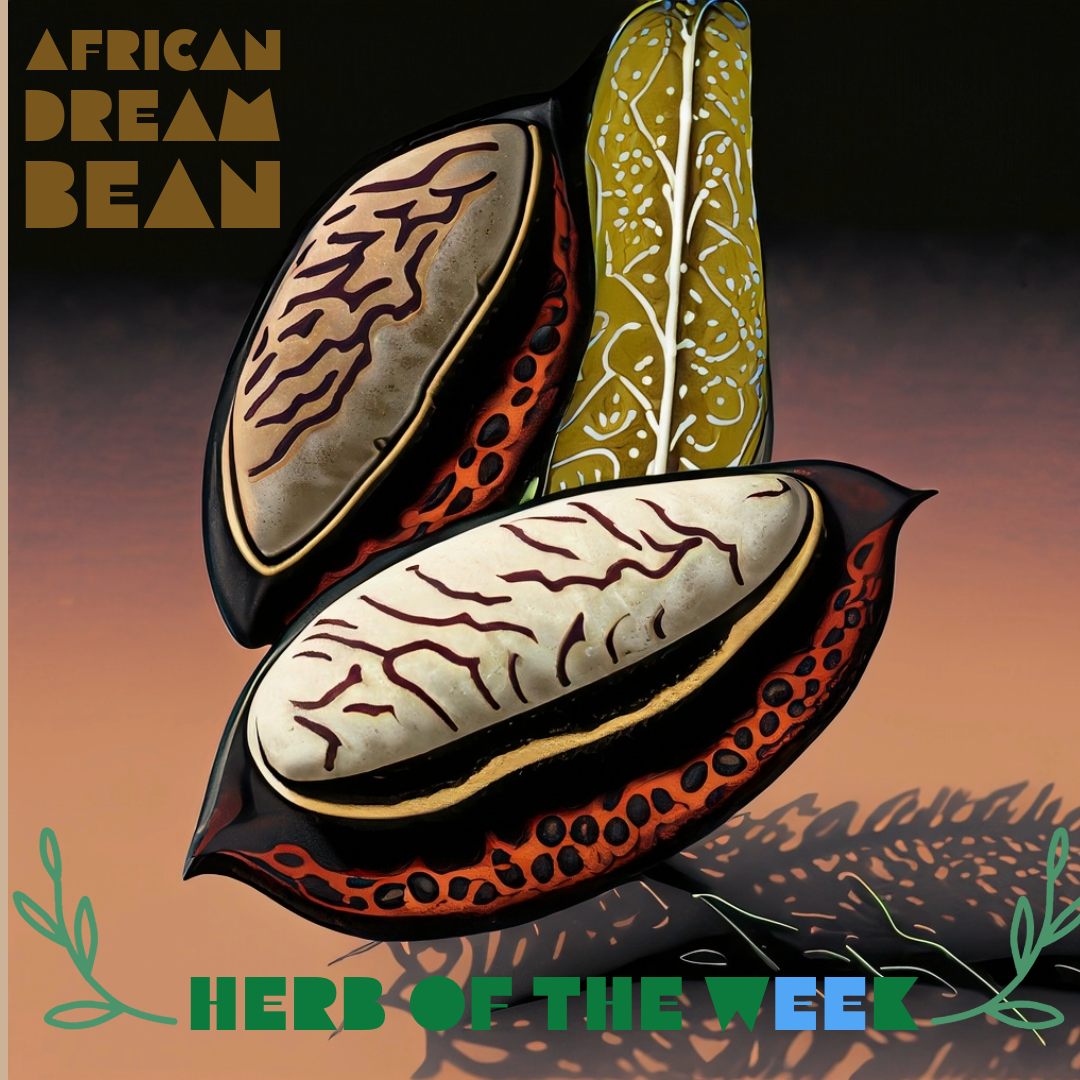
African dream bean is one of those plants that gets a lot of curious looks at the shop. The seeds are huge, glossy and heart-shaped, almost like a polished stone, and people pick them up just to hold them. Then they ask about the name. Here's what we know about where this plant comes from, how it's been used, and what to keep in mind.
What the plant is
The African dream bean, known to botanists as Entada rheedii, is a large woody liana, which is just a fancy word for a climbing vine. It grows across the tropical and subtropical parts of Africa, Asia and Australia. The pods can get really long, and the seeds inside are the part people care about.
Those seeds are tough. They float, and they've been known to ride ocean currents for long distances, which is why you'll sometimes hear them called sea beans. Different cultures across its range have used them in their own traditions.
How it was used traditionally
In African traditional medicine and ritual, the large, hard seeds have been valued for bringing on vivid, prophetic dreams. That's where the name comes from. Shamans used them to encourage visionary dreams, which were believed to open up communication with the spirit world.
The plant also turns up in traditional folk practice for a range of everyday complaints, from toothaches to parasites. That's historical use, not something we'd recommend anyone try on their own. We share it because it shows how woven into daily life this plant was.
What's in the seed
Here's the honest answer: nobody fully understands what makes the dream bean do what people say it does. The seeds contain several saponins and alkaloids, and those are the main suspects behind the dream effects.
One idea is that these compounds interact with GABA receptors in the brain. Another is that they touch other neurotransmitter systems. Both are hypotheses. There's no solid human research pinning it down yet.
How people use it today
These days African dream bean has a following in the ethnobotanical community worldwide. The usual approach is to grind the inner seed into a powder and either take it directly or steep it into a drink before bed. The goal is richer REM sleep and dreams that feel more lucid and easier to remember.
A few practical tips from us. The shell is extremely hard, so most people buy the inner meat already powdered rather than trying to crack the seed at home. Start with a small amount and take it a little while before sleep. Keep a notebook by the bed. Dream effects are easy to forget by breakfast, and writing them down right away is half the fun.
Safety and what to watch
Like a lot of traditional plants, the dream bean's safety hasn't been well established through clinical research. There are historical accounts of people using it without major problems, but that's not the same as proof. Approach it with some caution.
It can change your sleep patterns, so don't take it before driving or operating machinery. Talk to a healthcare provider first if you have underlying health conditions, or if you're pregnant or breastfeeding. And don't combine it with a pile of other sleep herbs on your first try, or you won't know what's doing what.
Common questions
Why is it called the dream bean?
Because in African tradition the seeds were used to bring on vivid and prophetic dreams.
What compounds are in African dream bean?
The seeds contain saponins and alkaloids. Researchers suspect they drive the dream effects, but it hasn't been confirmed.
How do people take it?
Usually as a powder, taken straight or steeped in a drink before bed.
It's a fascinating plant with deep roots in traditional African culture, and it's still a favorite among people interested in dreaming and consciousness. Just treat it with respect.

Written by Herbal Healings
%20is%20a%20big%20woody%20climbing%20vine%20whose%20large,%20hard%20seeds%20have%20been%20used%20in%20African%20tradition%20to%20bring%20on%20vivid,%20meaningful%20dreams.%20Nobody%20knows%20exactly%20which%20...)
Leave a comment
This site is protected by hCaptcha and the hCaptcha Privacy Policy and Terms of Service apply.