Blue Lotus Flower, Tea & Extracts
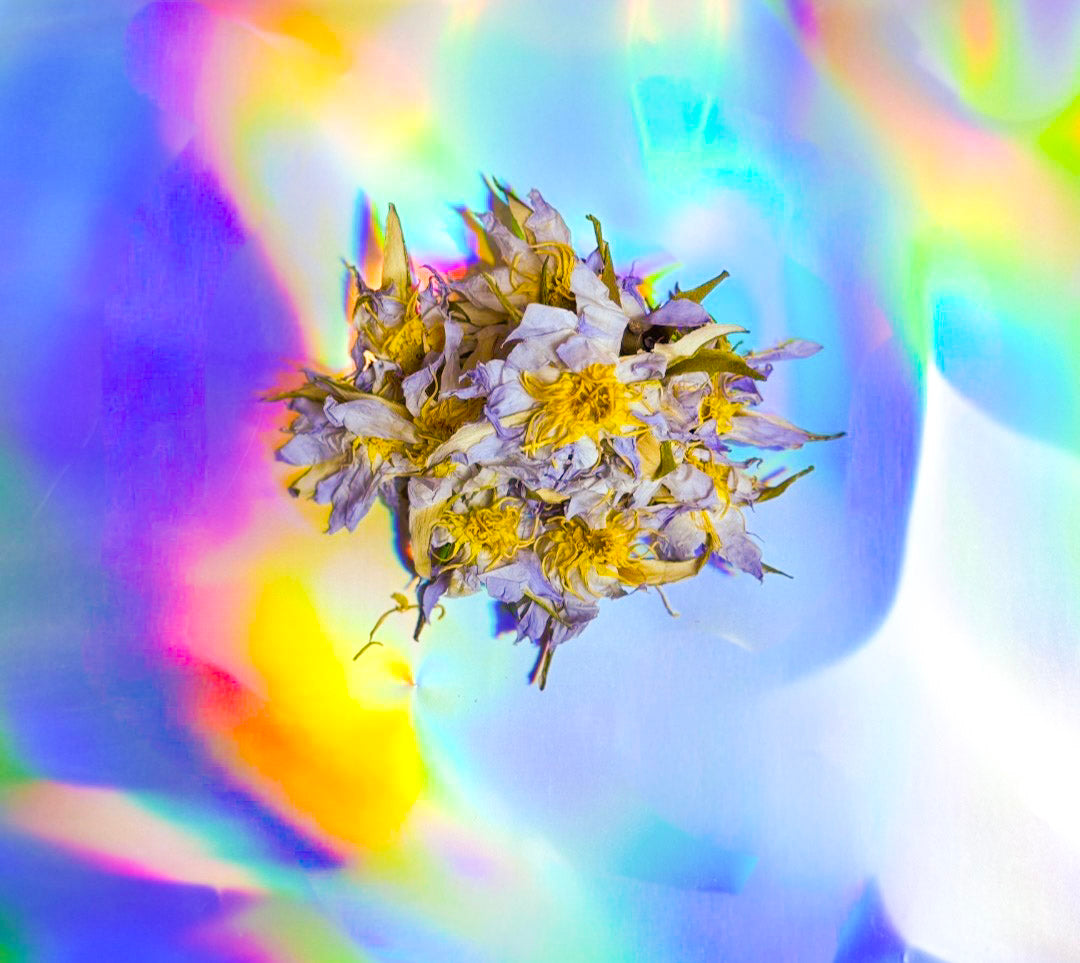
Blue lotus flower, tea and extracts. Whole Sri Lankan blue lotus flowers start at $8.99 and petals and stamens at $9.49, in every size up to a full kilo. Tinctures, extracts, pre-rolls and vapes are below, with white and red lotus alongside to compare.




Blue lotus guide: the flower, how to choose and how to use it
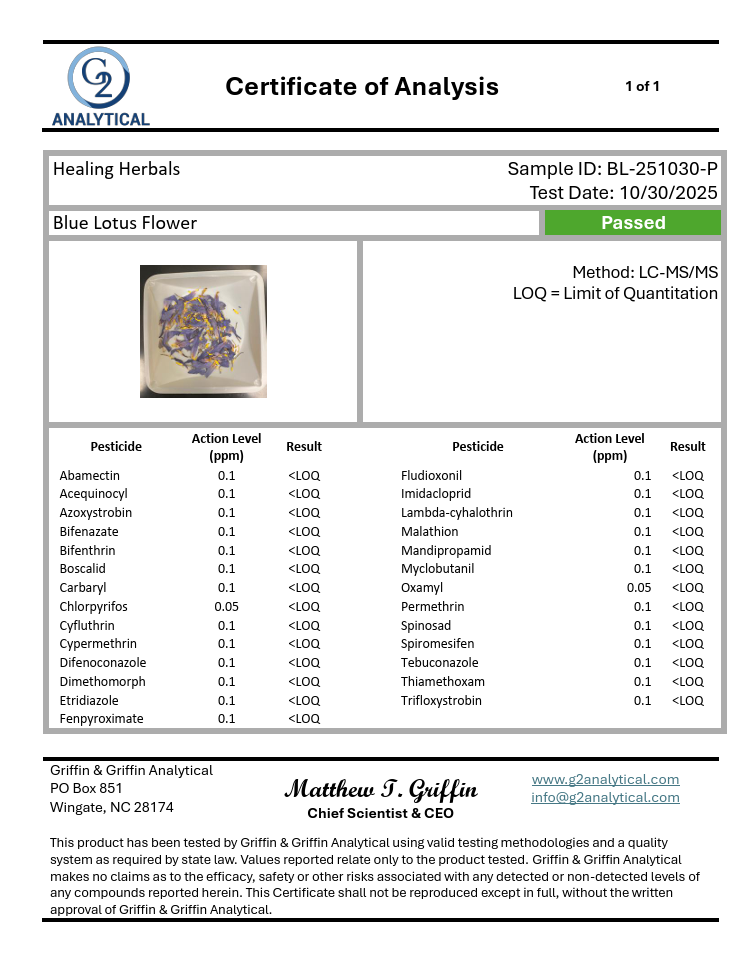
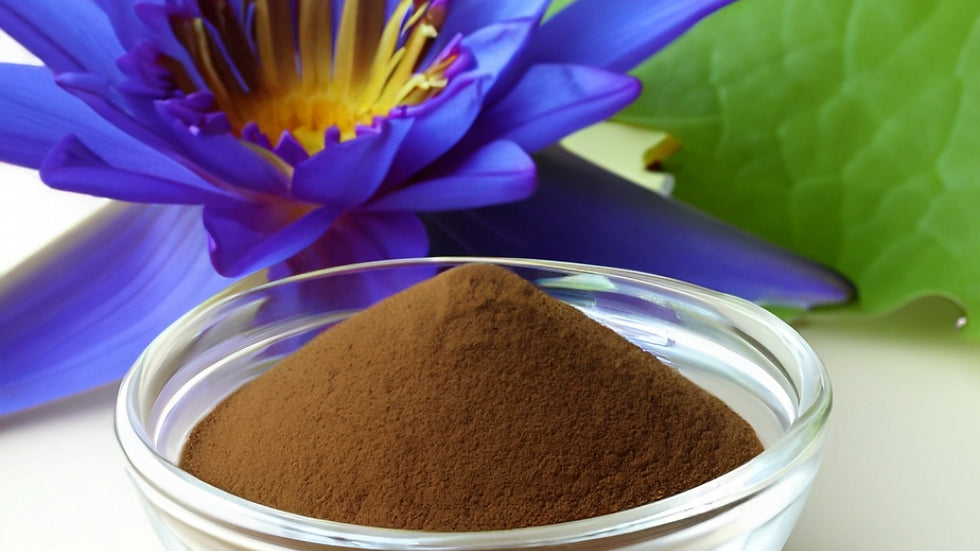
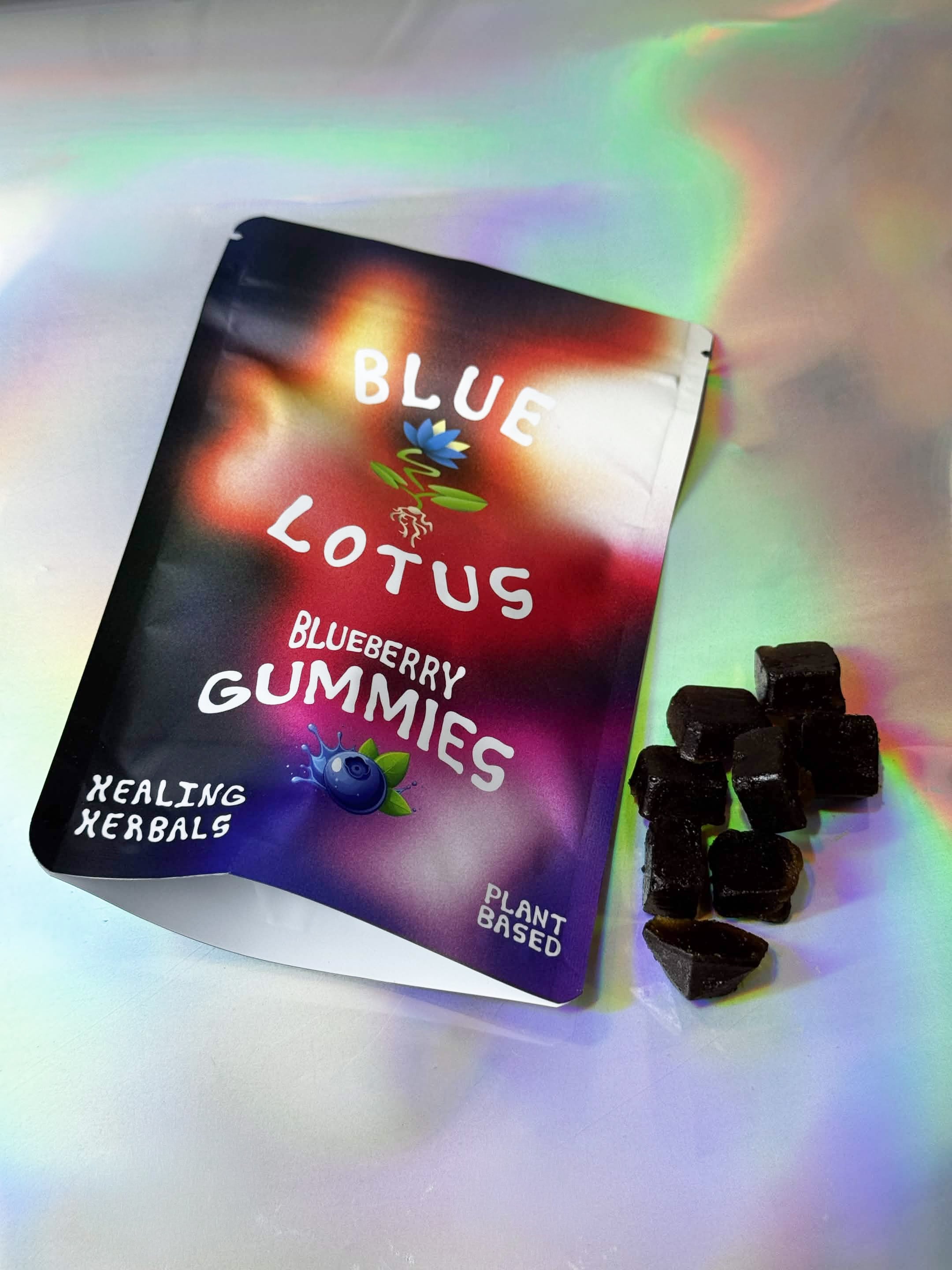
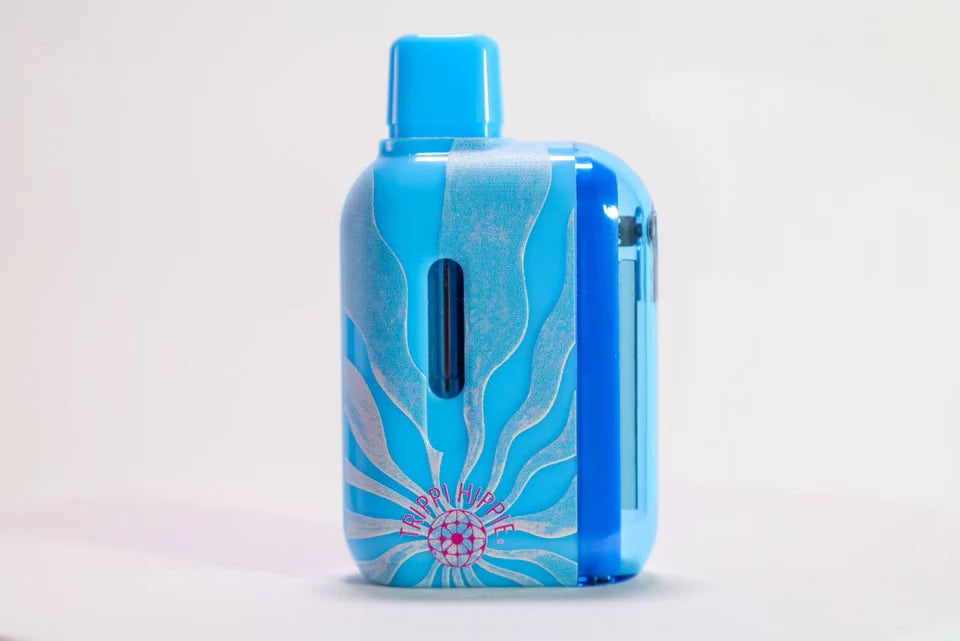
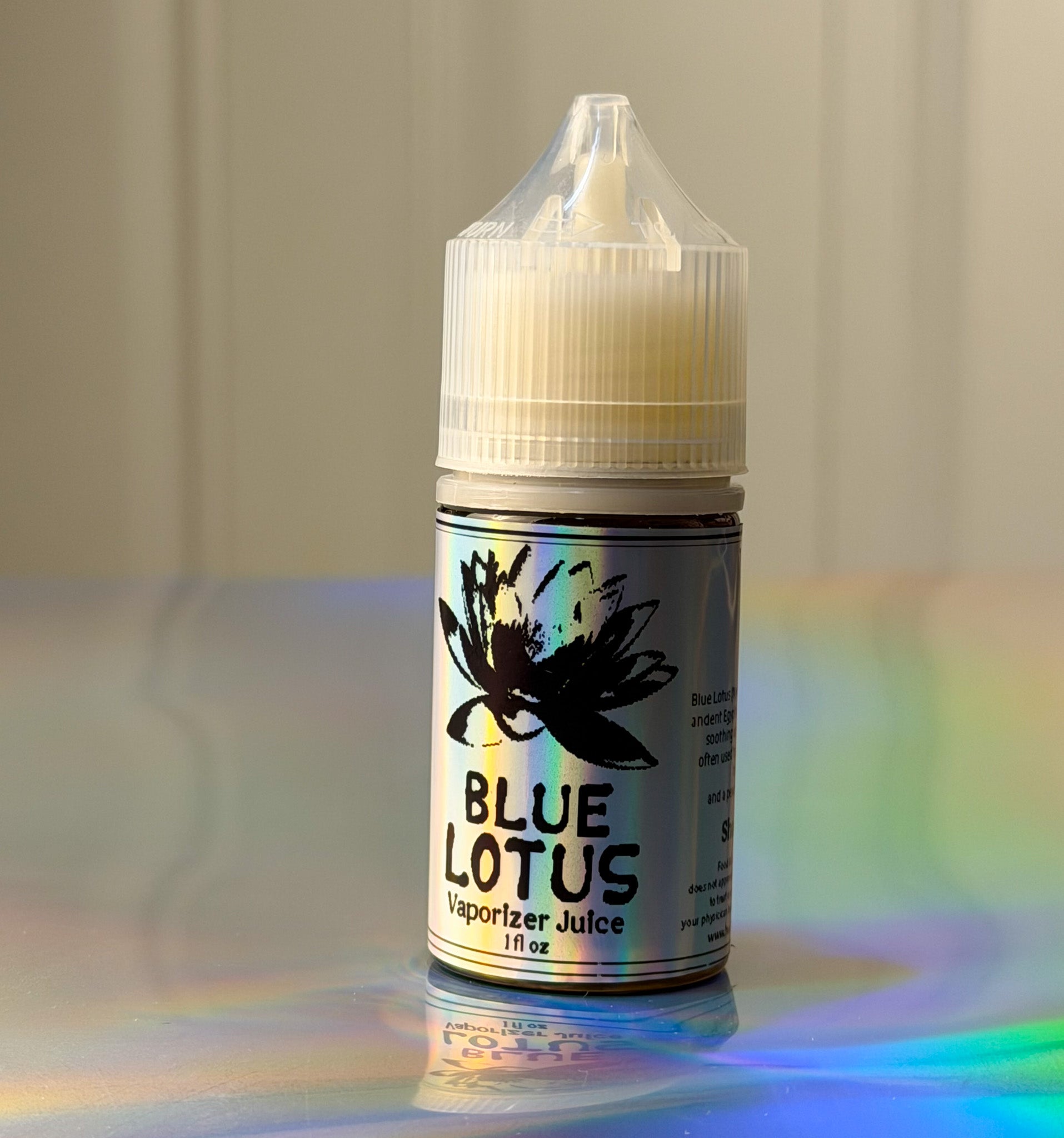
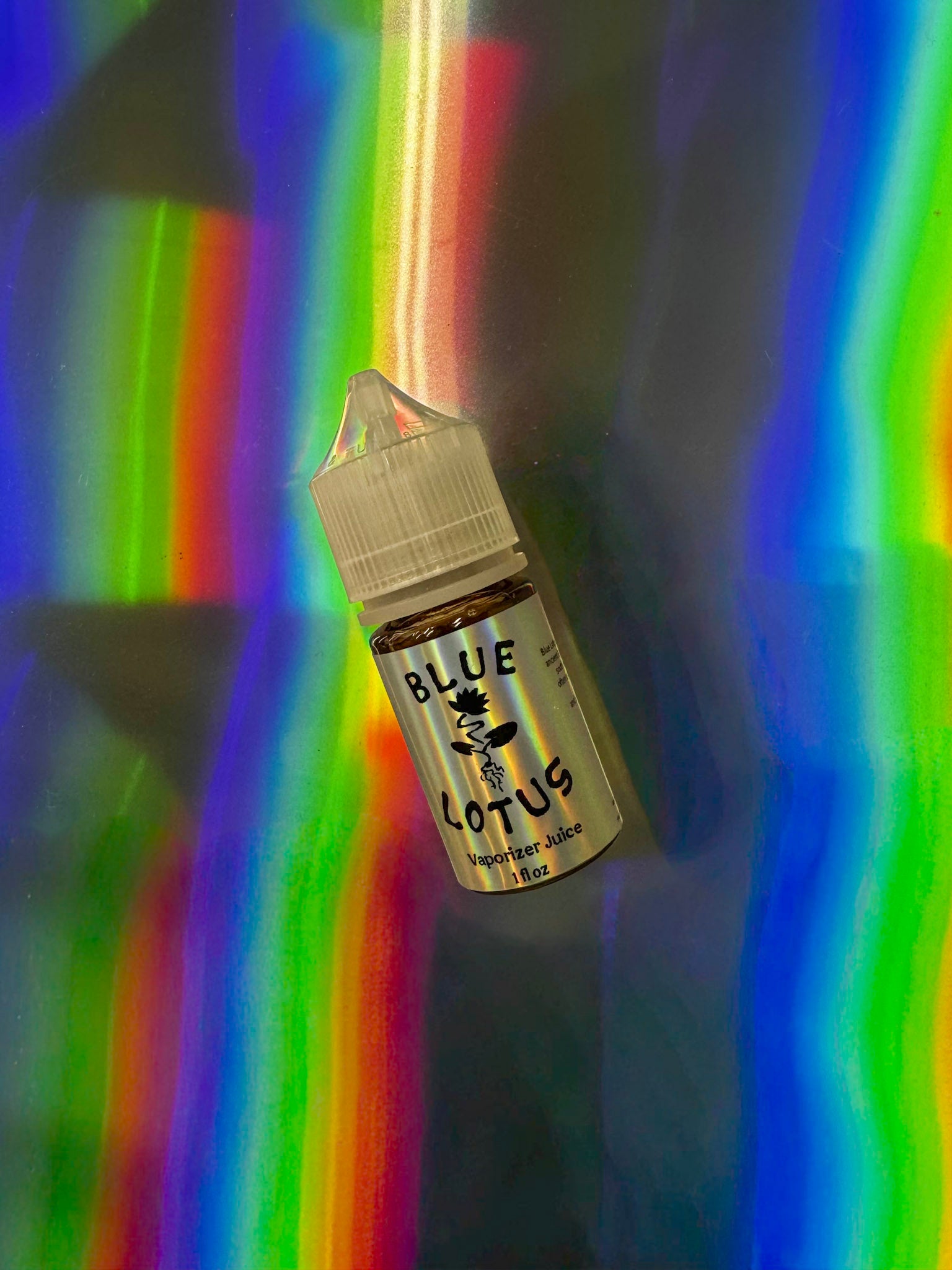
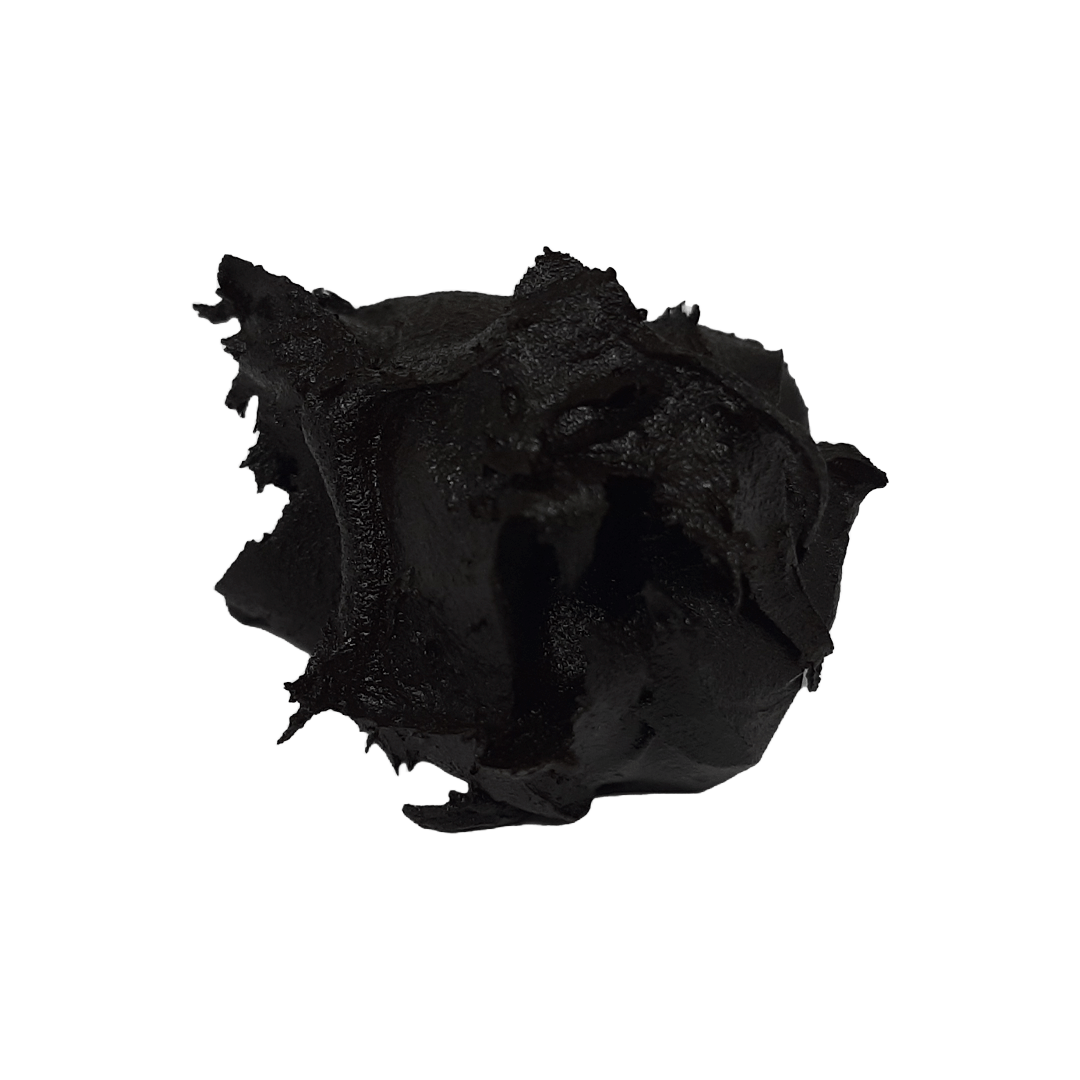
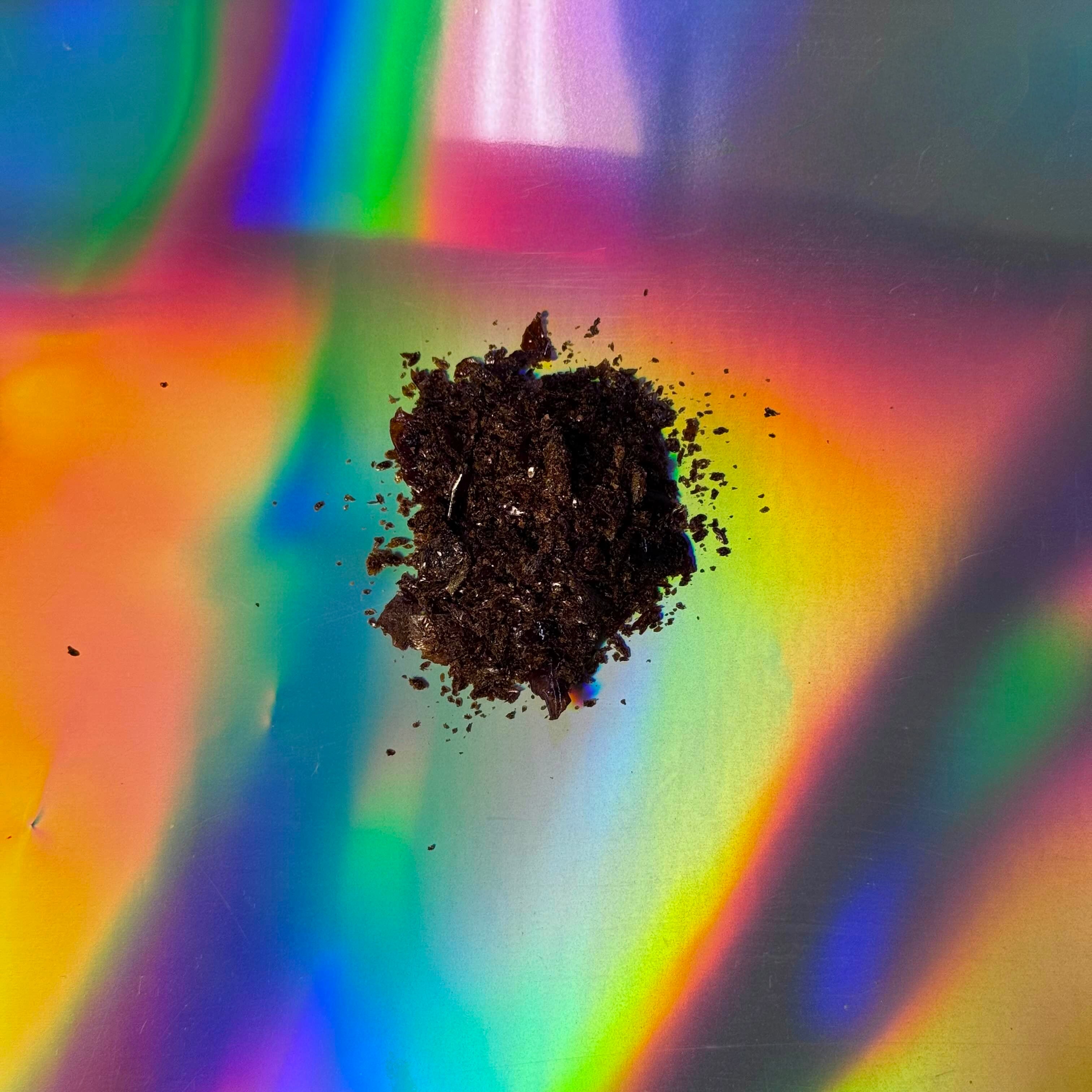
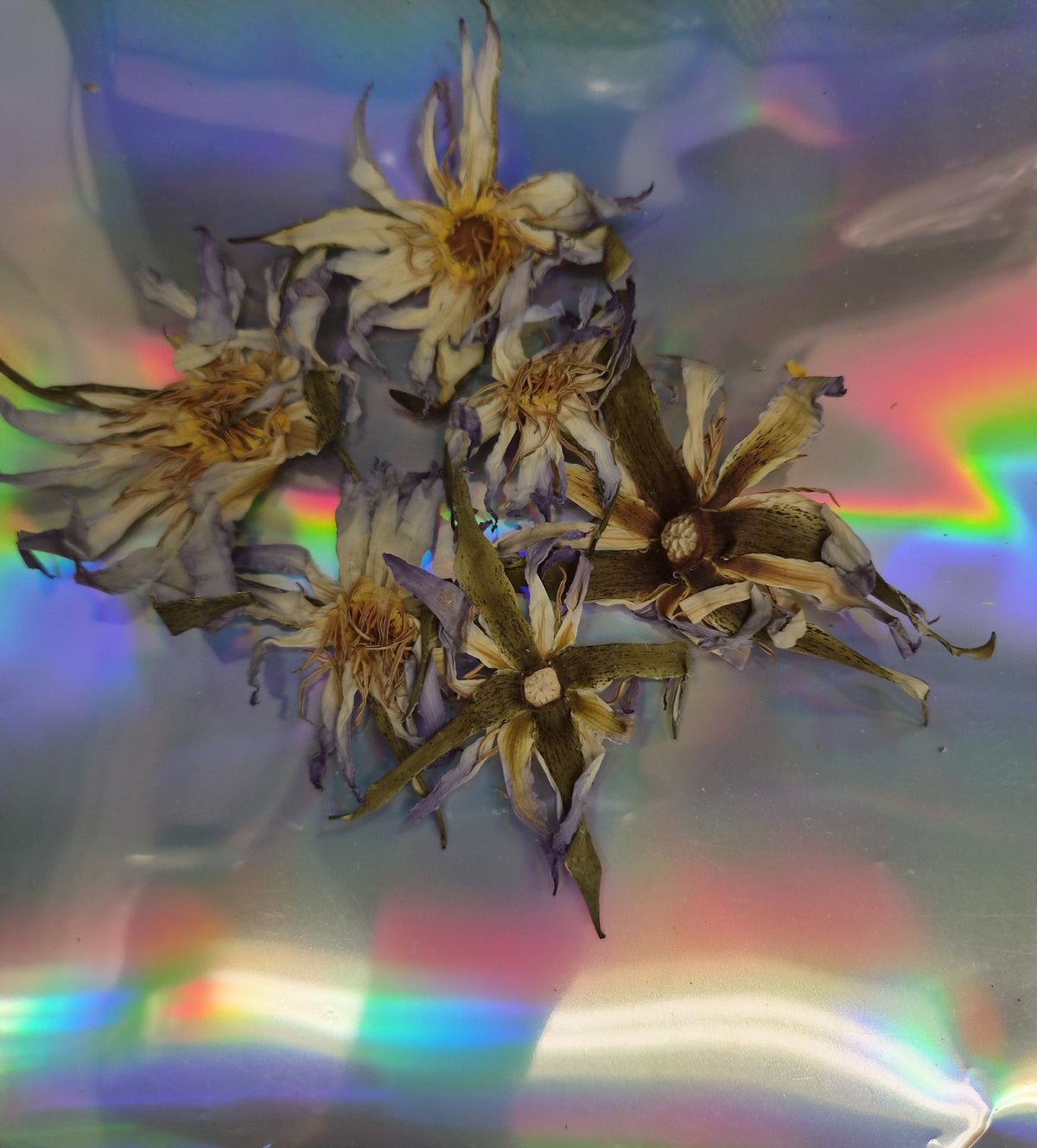
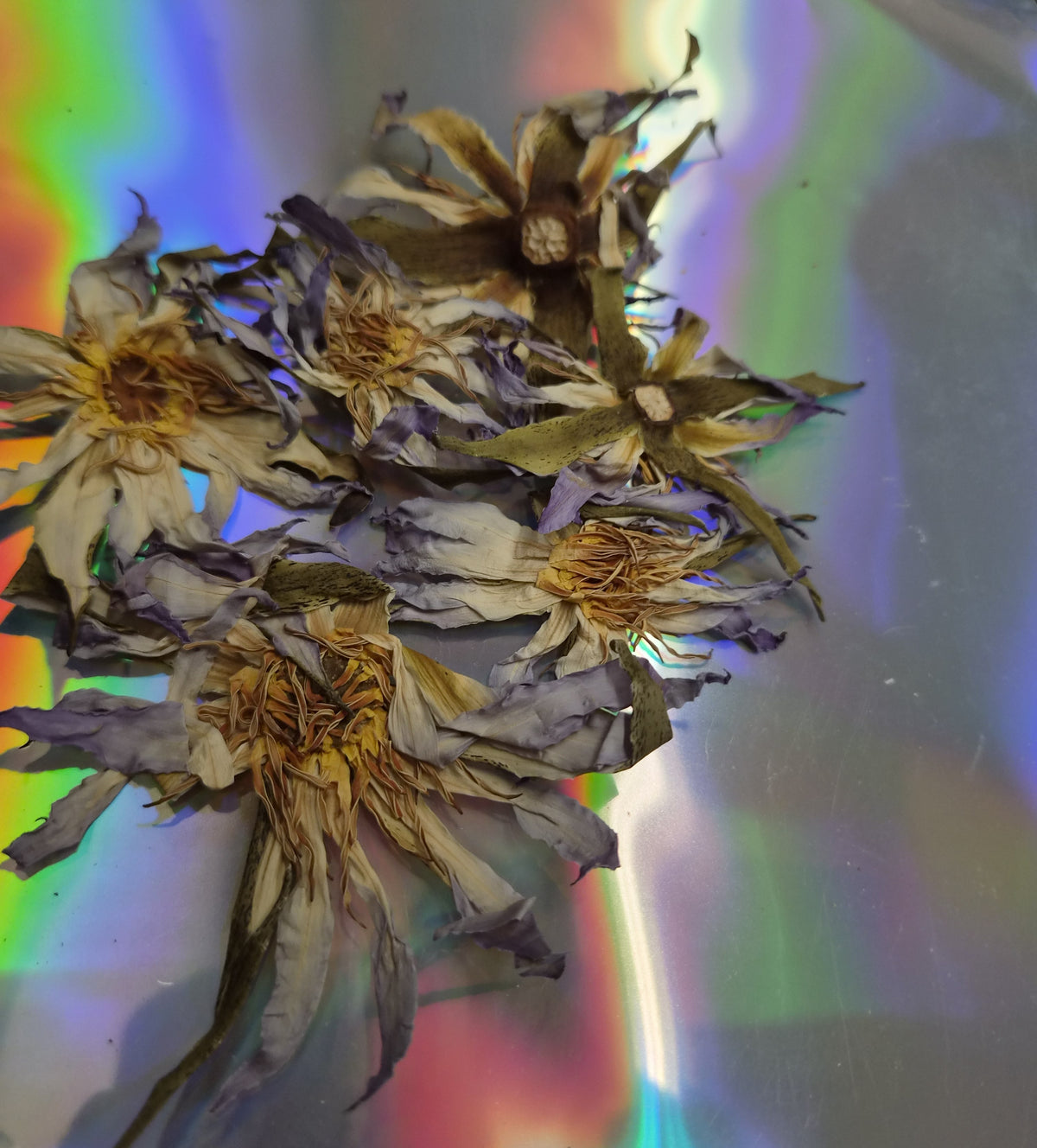
Our Blue Lotus Collection features Nymphaea caerulea, the water lily historically cultivated across the Nile Valley and East Africa, alongside its white and red lotus cousins. It includes dried whole flowers, petals and stamens, loose-leaf teas, organic pre-rolls, tinctures both alcohol-based and alcohol-free, extract powders at 10:1 to 100:1 concentrations, resins, capsules, gummies, chews, vape juice and vapes. Every product is sourced from whole flowers and independently lab tested for identity and alkaloid content. All batches are third-party tested for alkaloid identity, heavy metals, microbial safety and cannabinoid absence, with certificates of analysis available on request.
At a glance
- Features Nymphaea caerulea alongside its white and red lotus cousins
- Flower, tea, pre-rolls, tinctures, extracts, vape juice and vapes in one place
- Dried whole flowers, petals and stamens, loose-leaf teas, organic pre-rolls, tinctures, extract powders at 10:1 to 100:1, resins, capsules, gummies, chews and vapes
- Sourced from whole flowers and independently lab tested for identity and alkaloid content
- Third-party tested for alkaloid identity, heavy metals, microbial safety and cannabinoid absence
- Certificates of analysis available on request
The plant. Blue lotus is not a true lotus but a day-blooming water lily native to the Nile and East Africa; white lotus, Nymphaea lotus, and red lotus, Nymphaea rubra, are relatives from Africa and South and Southeast Asia. It was the sacred flower of ancient Egypt, painted on tomb walls and steeped in wine at ceremonies. Blue lotus contains the alkaloids aporphine, nuciferine and apomorphine along with flavonoids and phytosterols, and those constituents are what distinguish authentic Nymphaea caerulea from unrelated blue-colored water plants sometimes sold under the same name.
How to choose. Start with a format:
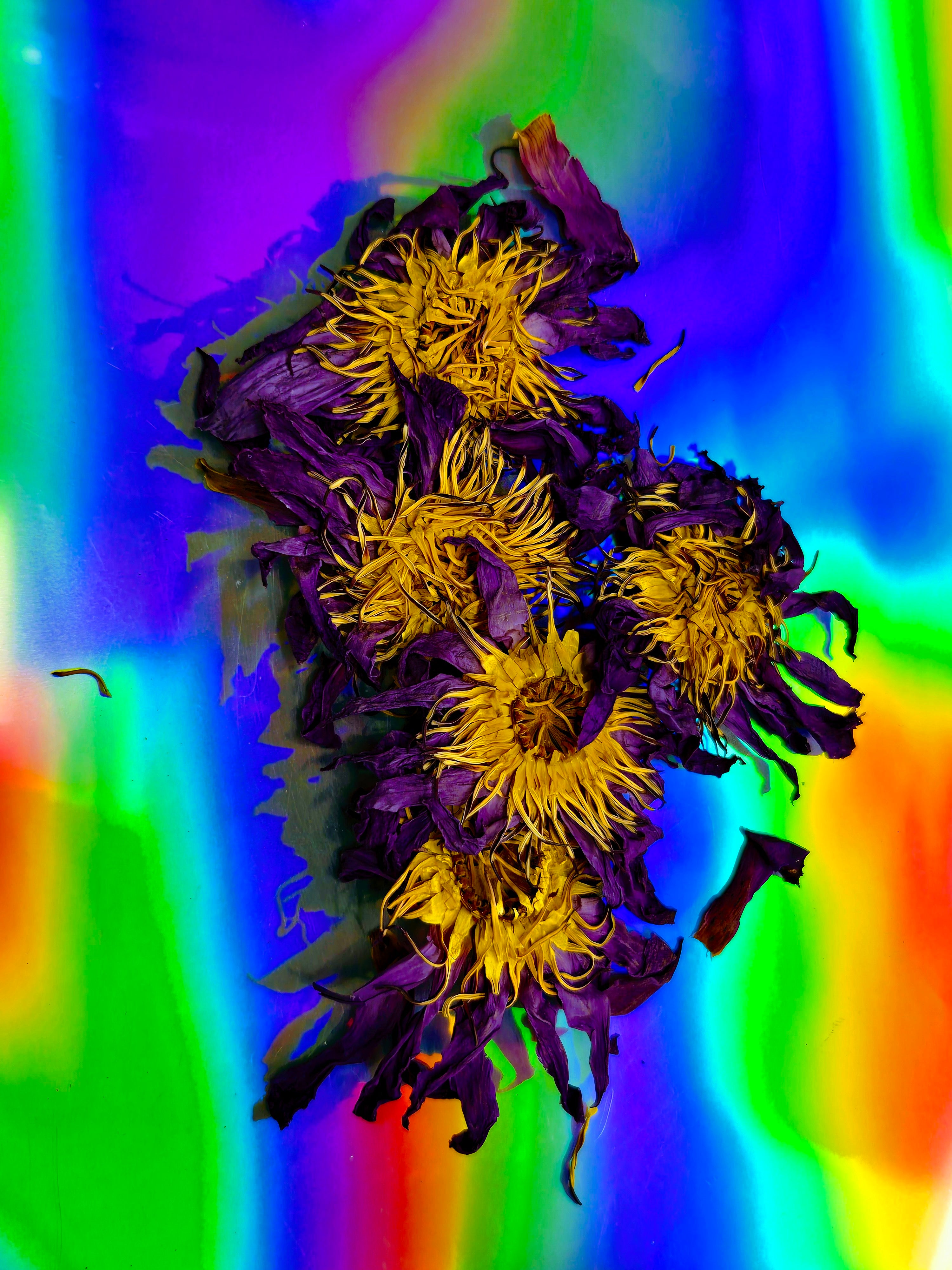
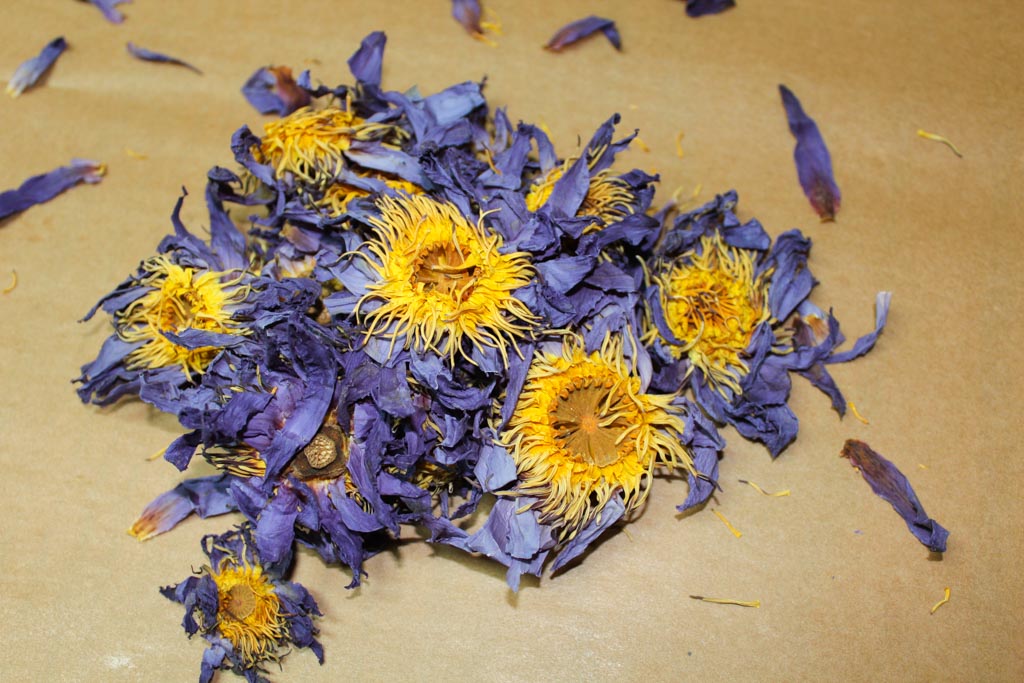
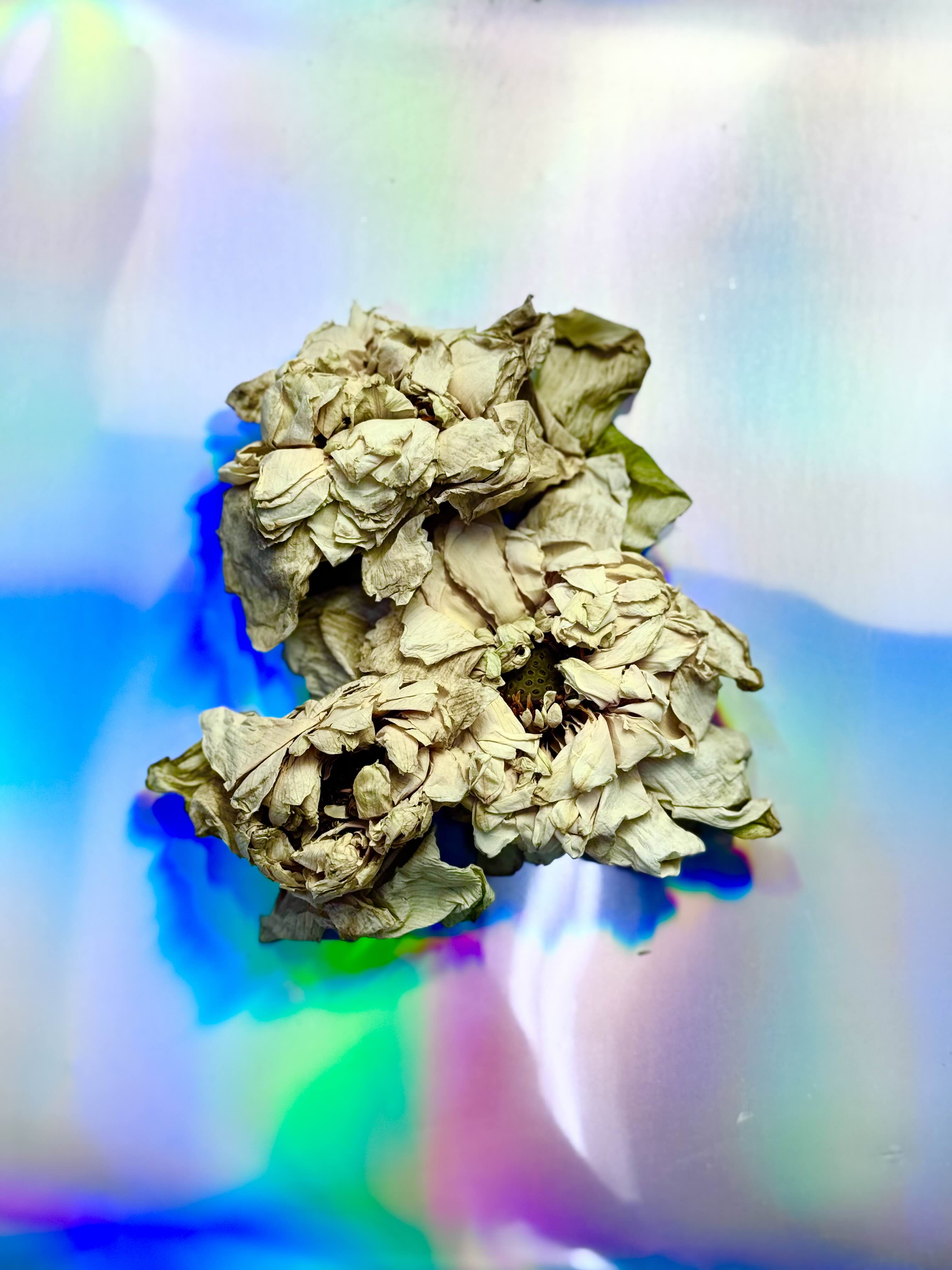
- Whole Blue Lotus Flower is the classic starting point for tea or a wine infusion, and organic petals and stamens are the stemless, higher-grade version
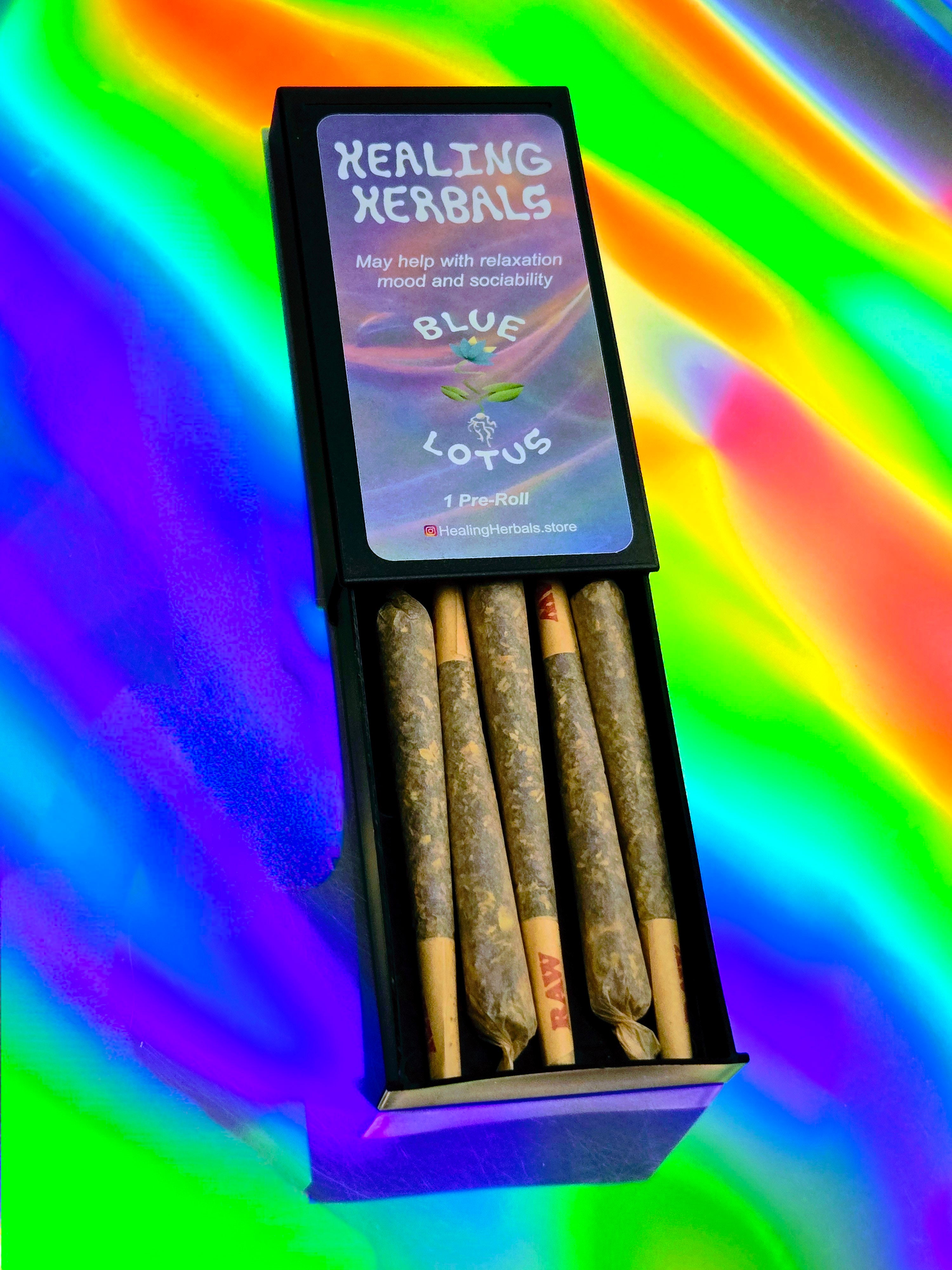
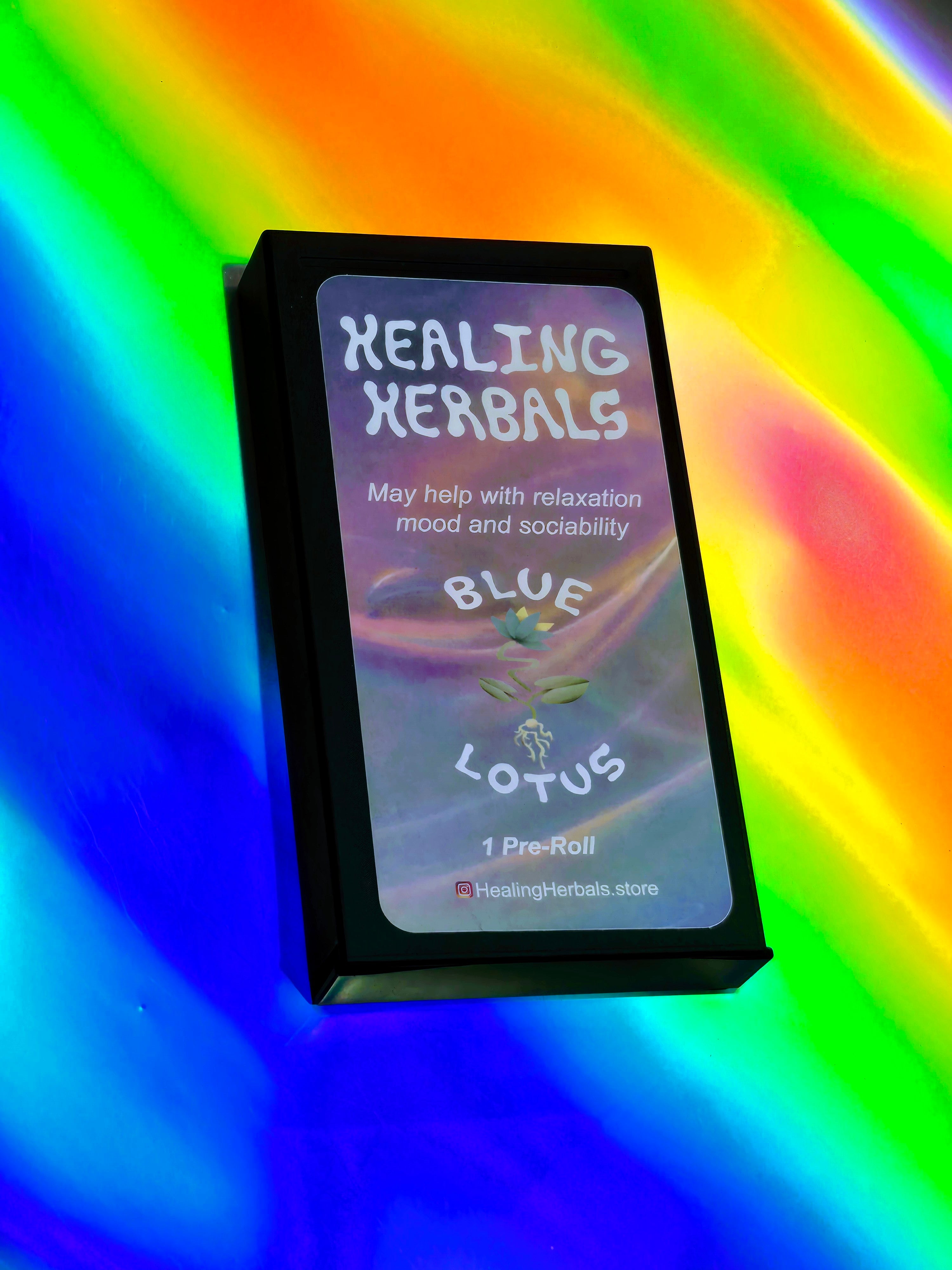
- Smokers and rollers choose the Blue Lotus Organic Pre-Rolls
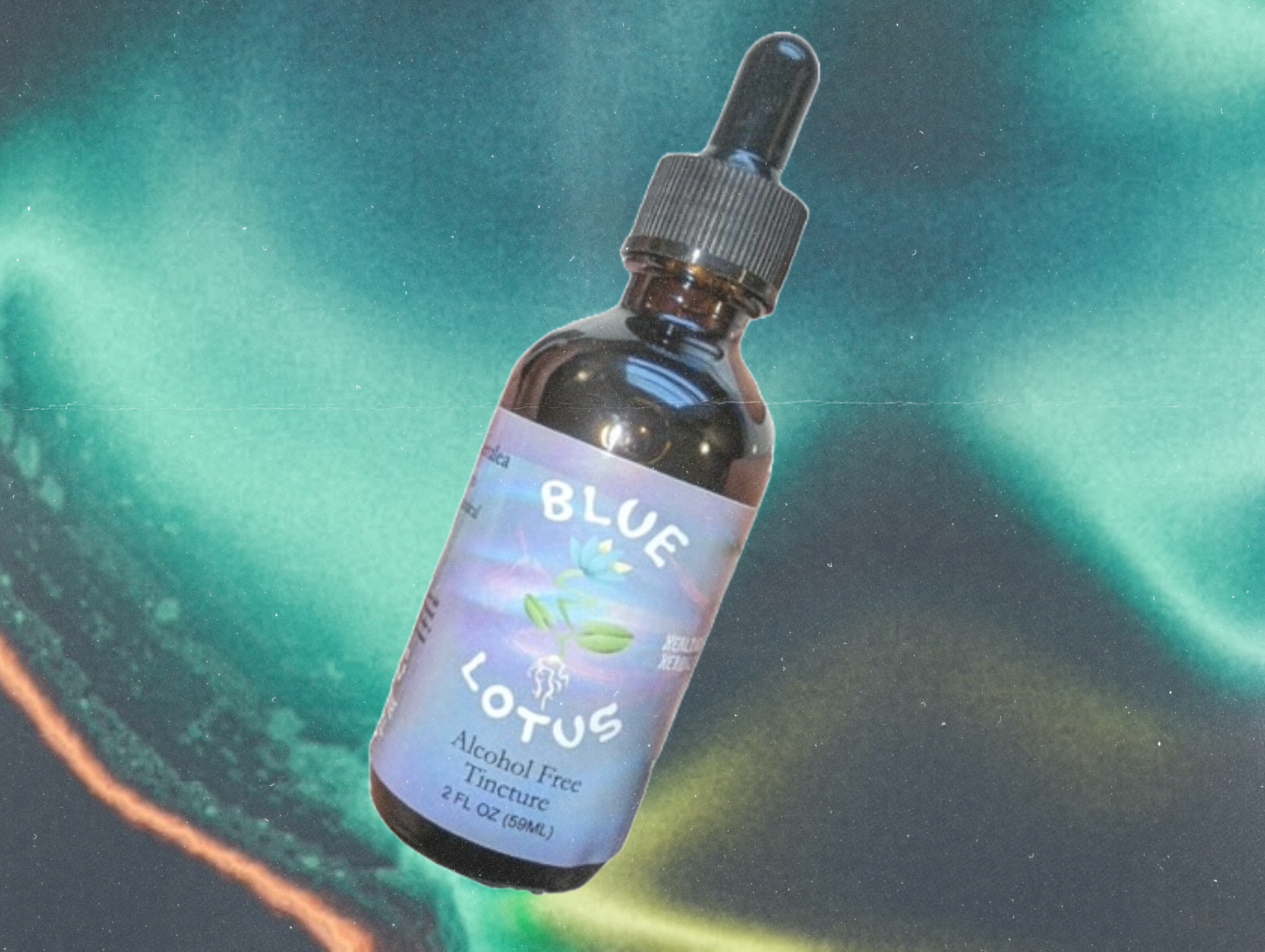
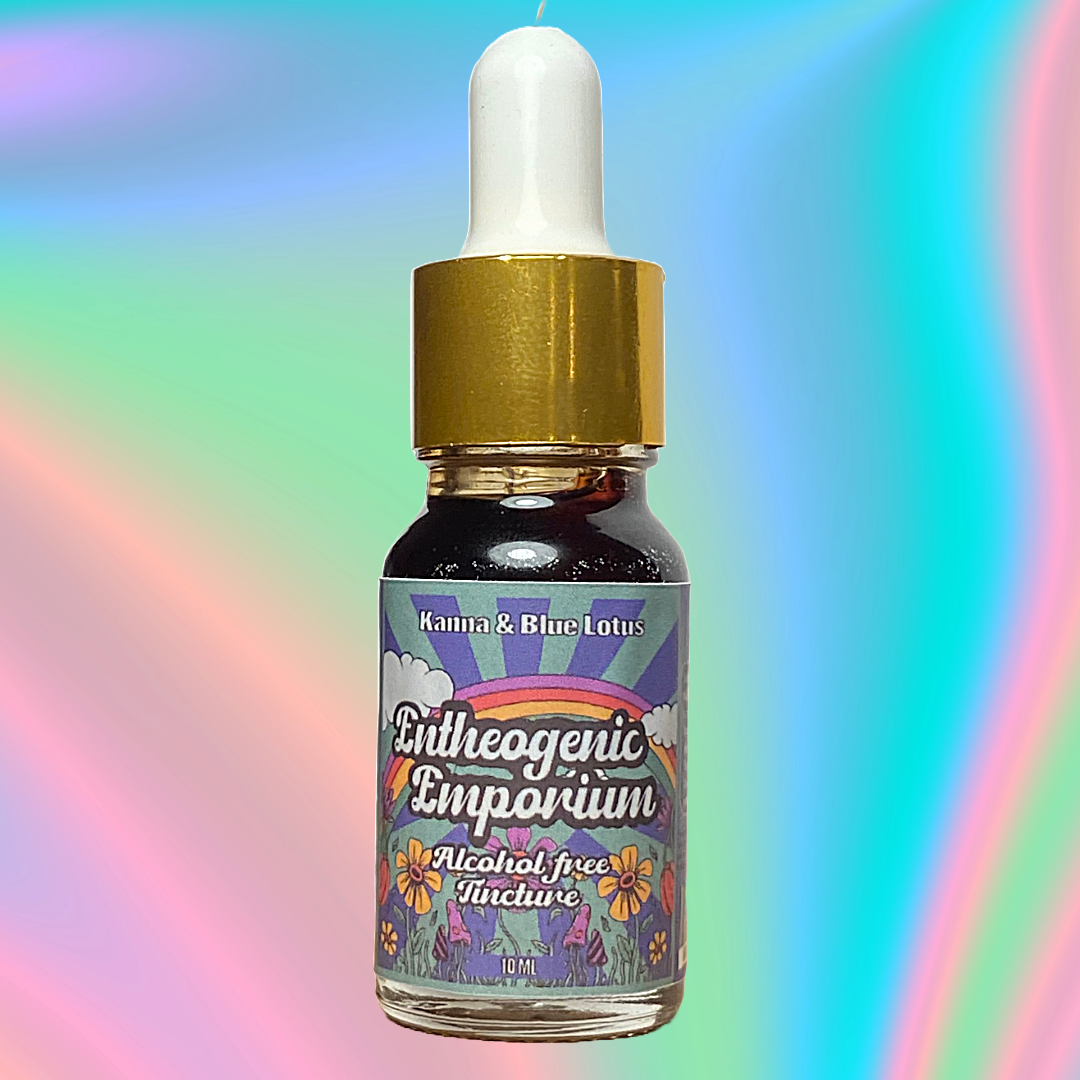
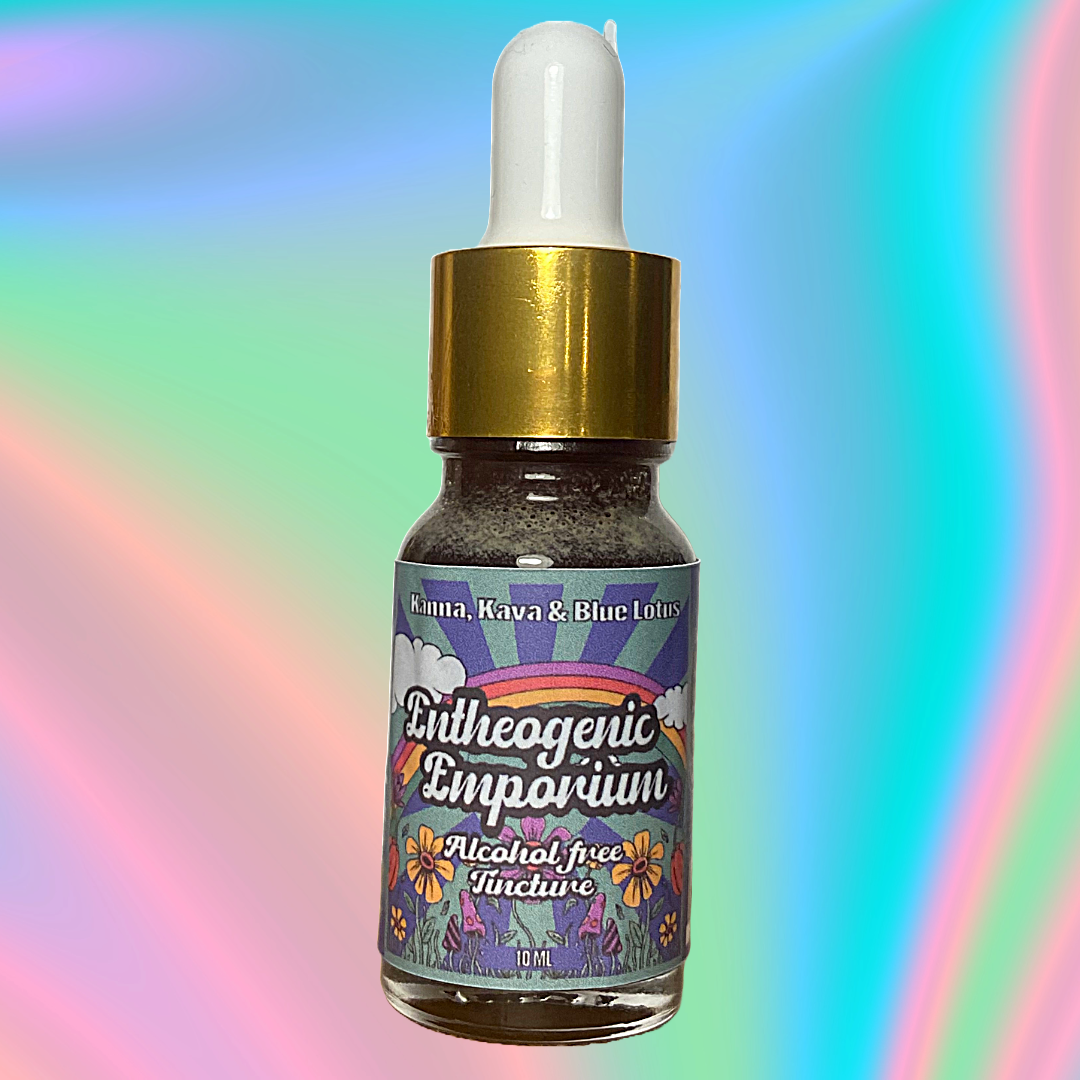
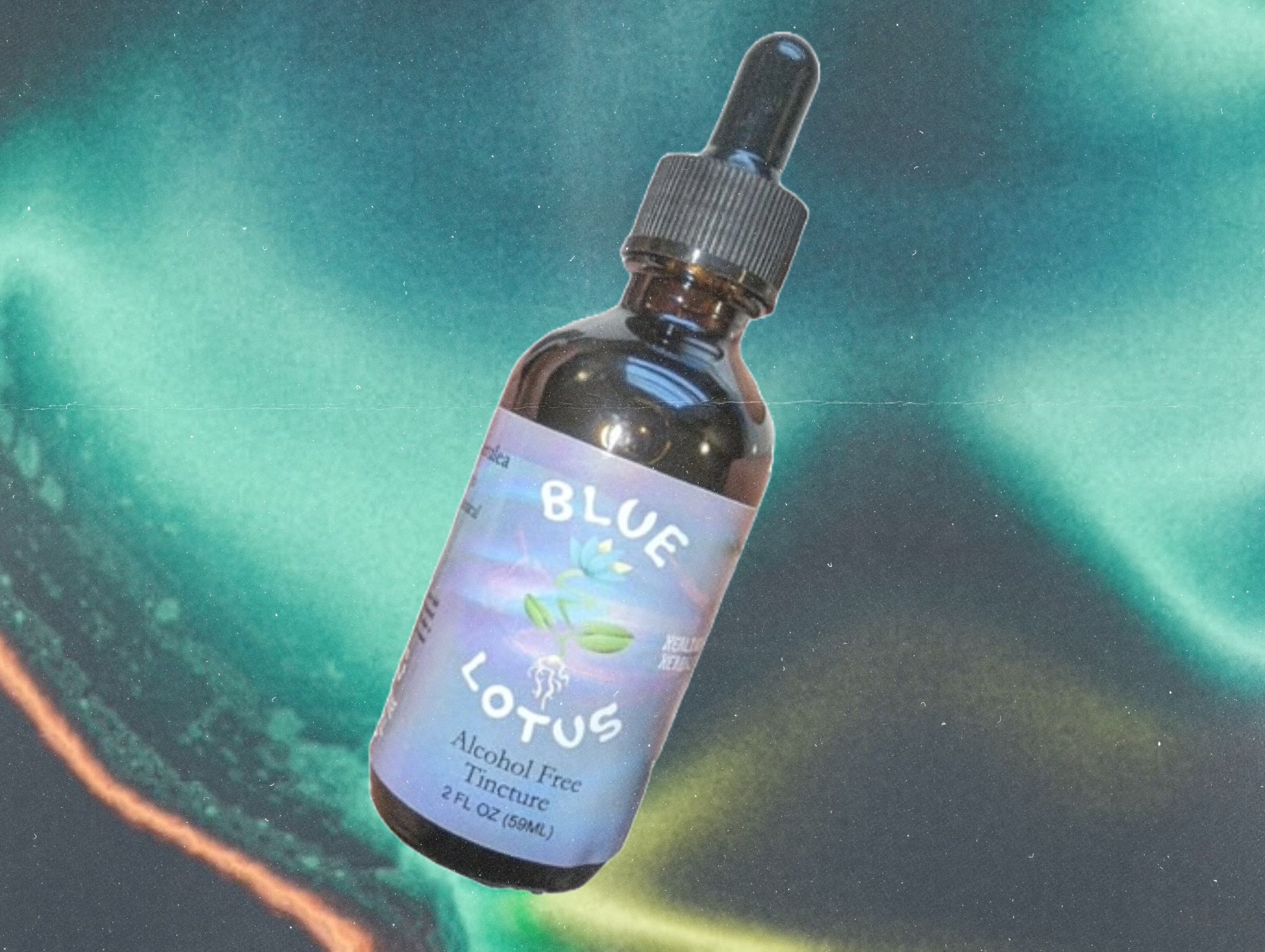
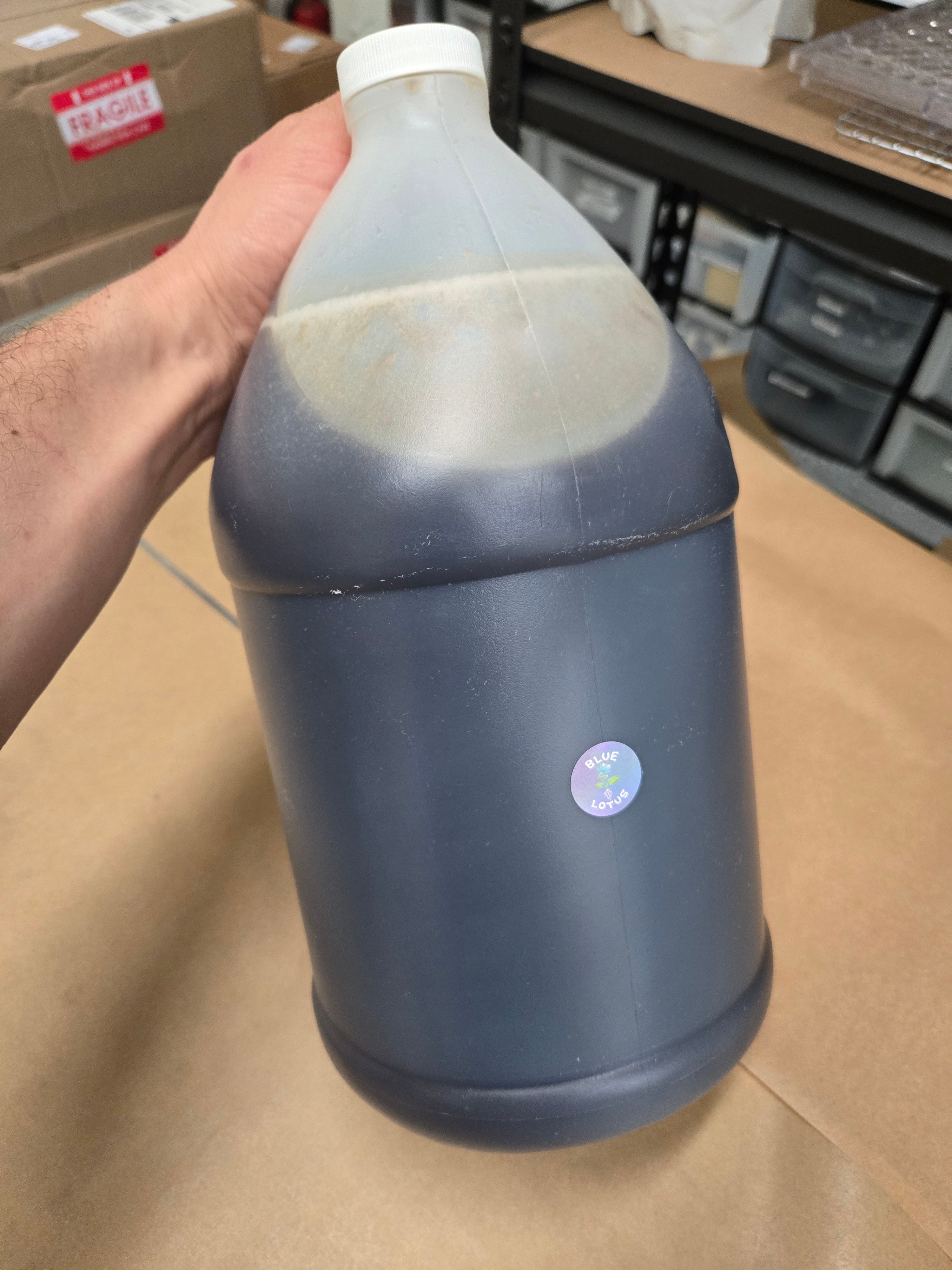
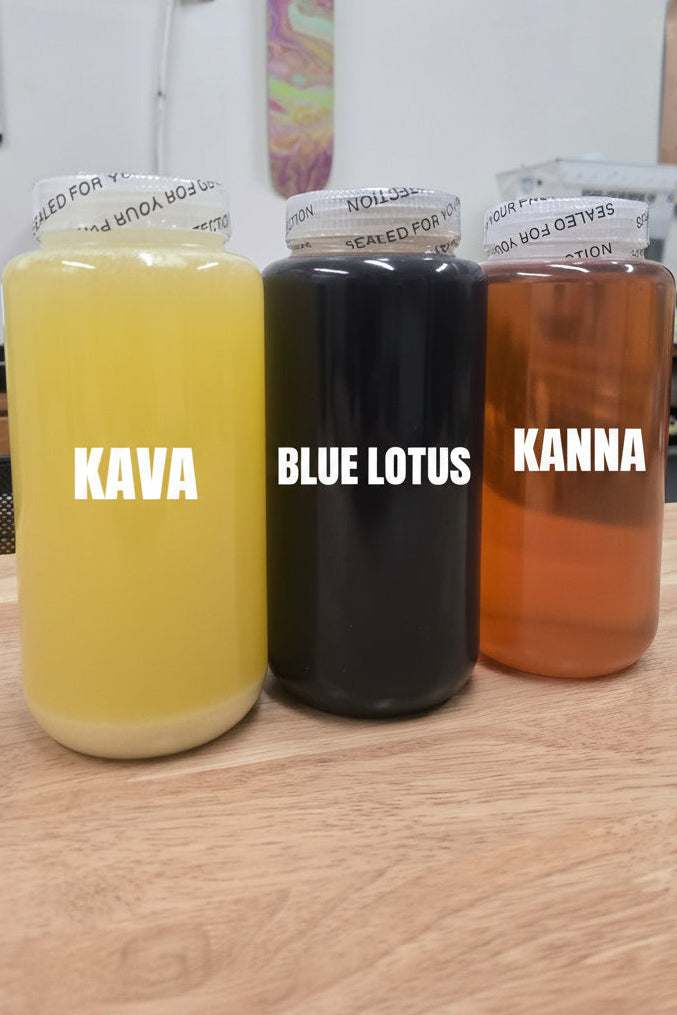
- Liquids are the easiest to measure: alcohol-free 2 oz tincture or the alcohol-based 2oz tincture
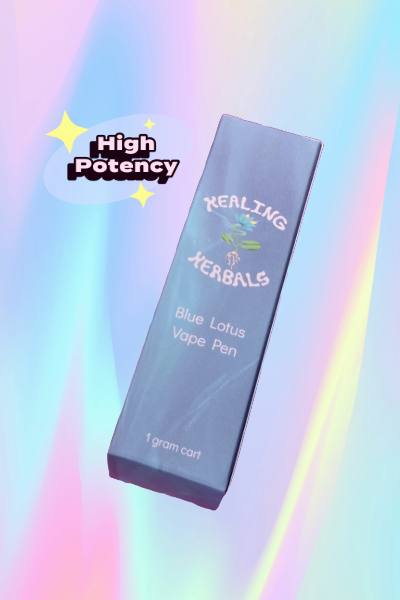
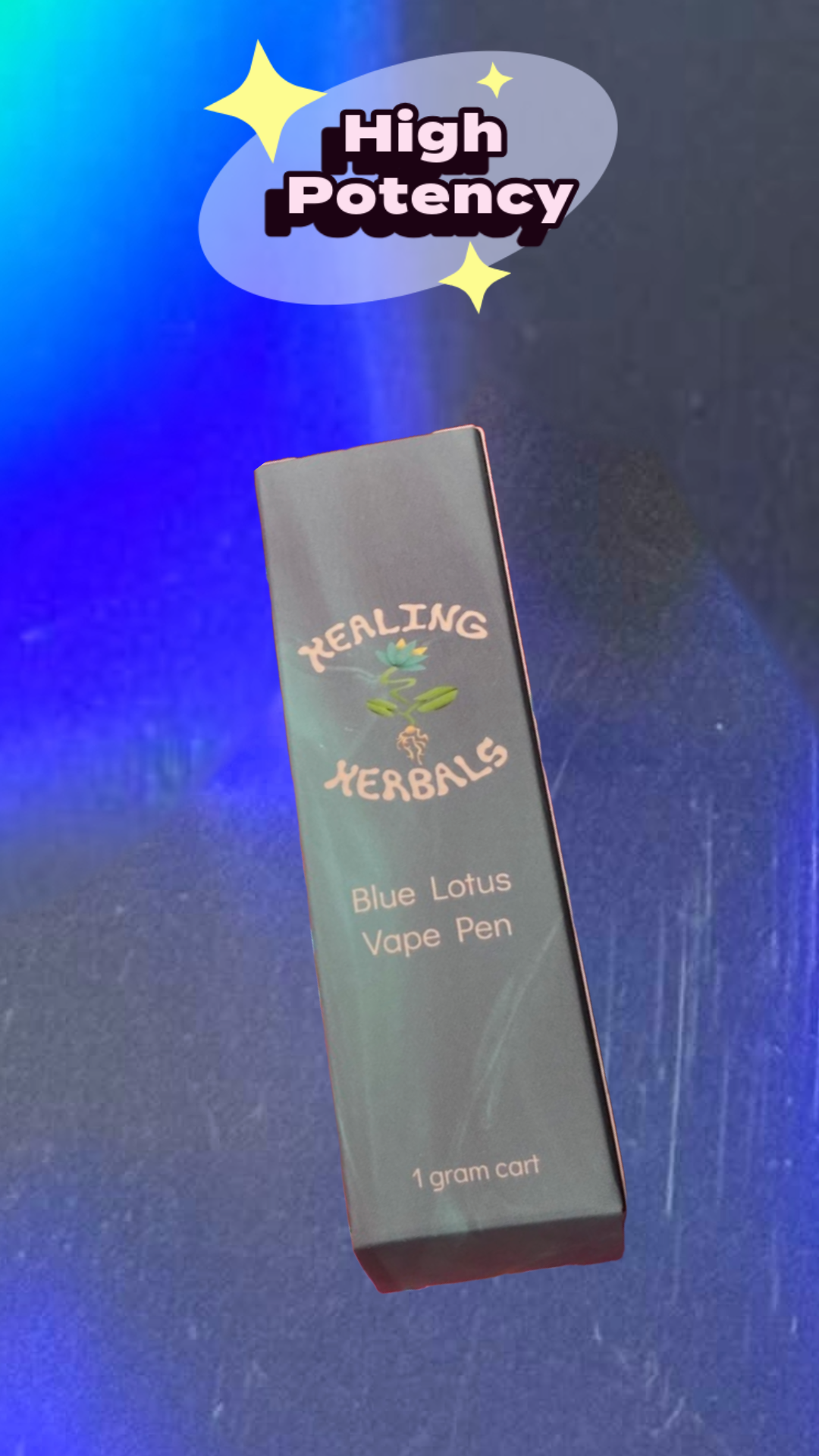
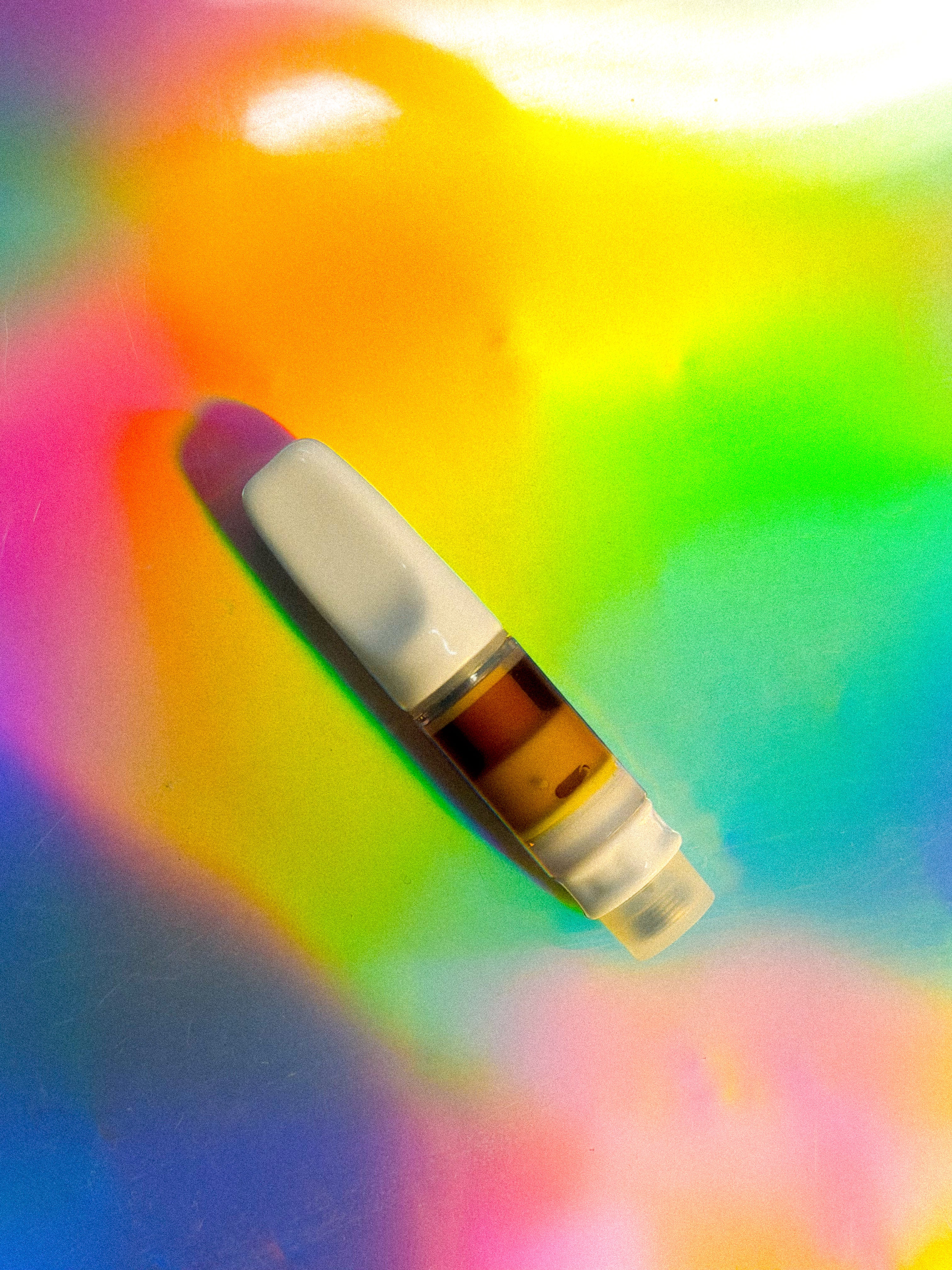
- Vape users go for the Blue Lotus Vape Juice, the 0.5g screw-on vape cart or the 1g high potency disposable
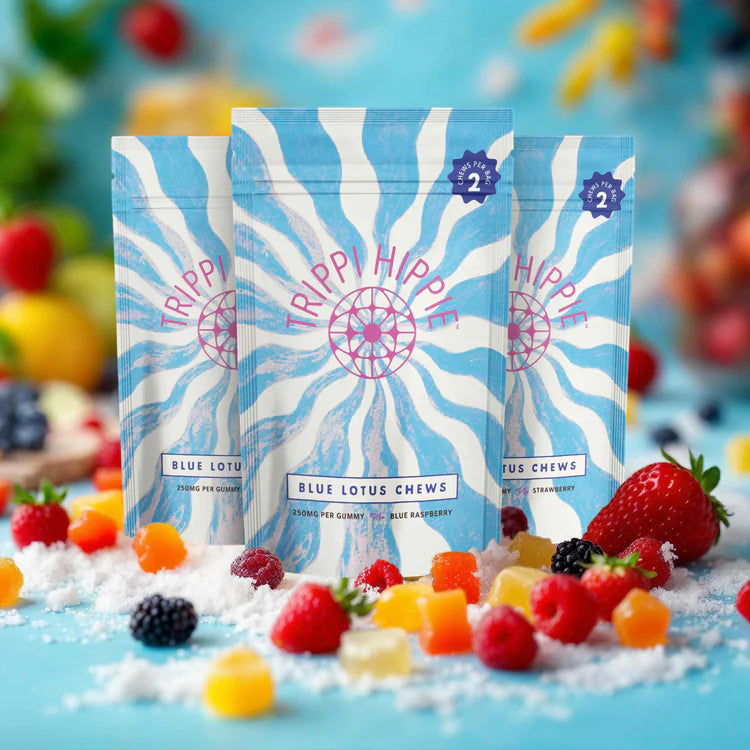
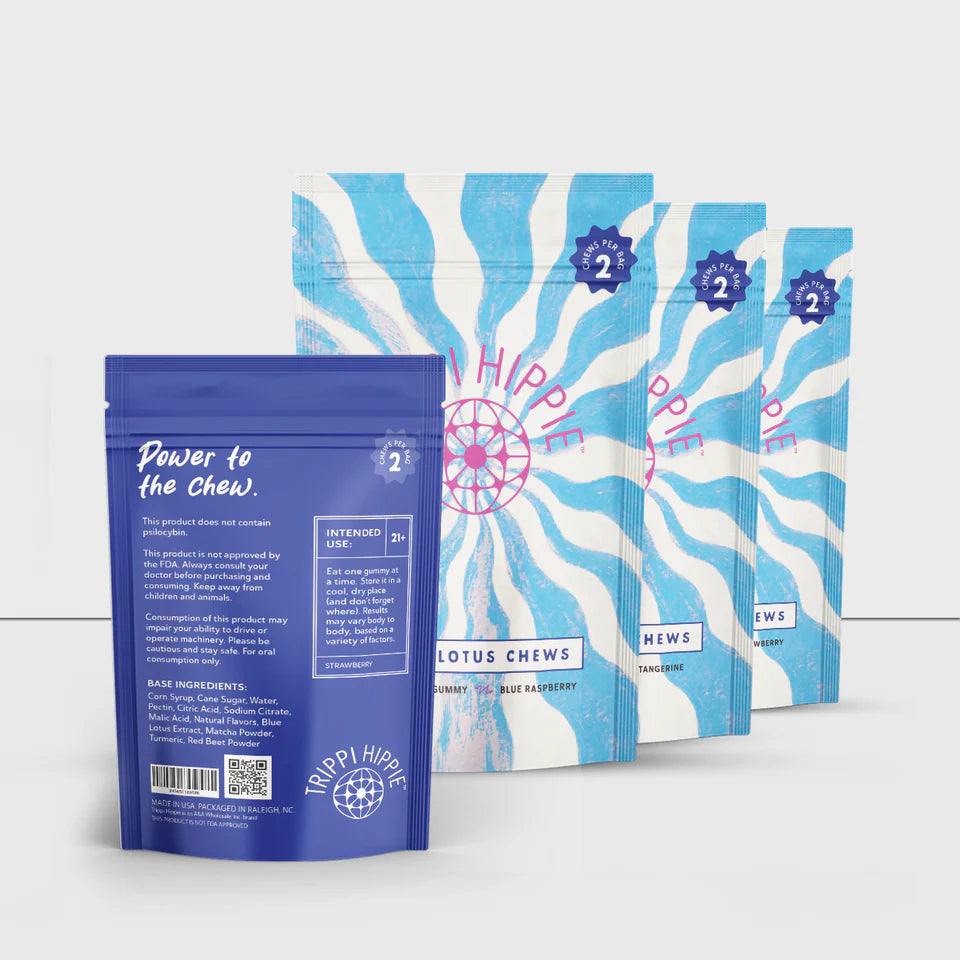
- For concentration, the 100:1 extract powder is the workhorse, the high aporphine extract and high nuciferine extract let you pick a profile, and blueberry blue lotus gummies give a fixed serving
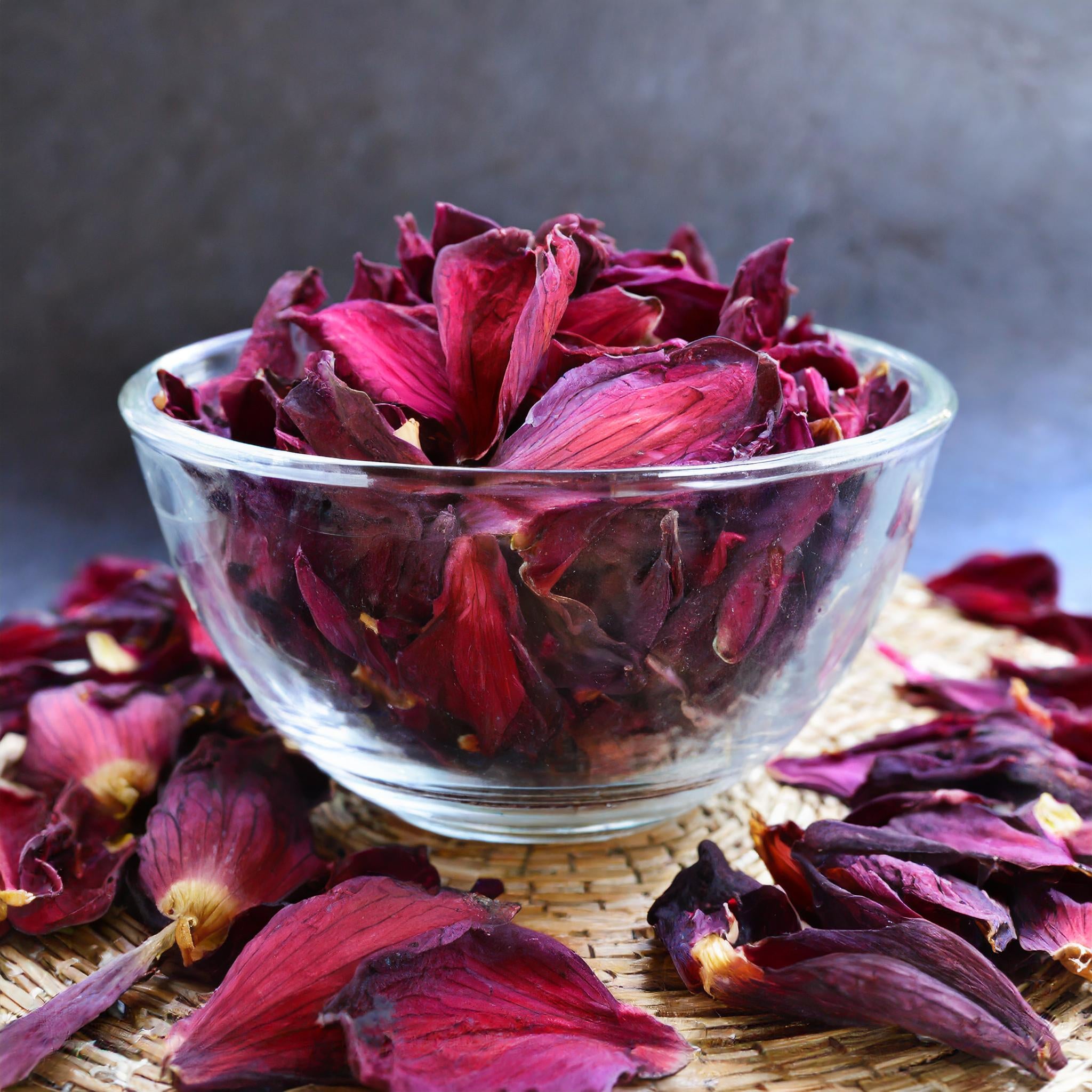
- Comparing species is easy with White Lotus flower and Red Lotus loose leaf
Dosing overview. Follow the serving on each product page. Flowers are steeped at one to two teaspoons per 8 oz for five to ten minutes, or a few flowers per bottle of wine for an evening; tinctures are measured by the dropper and held under the tongue; extract powders are weighed in small amounts because a 100:1 concentrate is a hundred times stronger than the flower it came from. Start low and wait thirty to sixty minutes.
Egyptian blue lotus tea
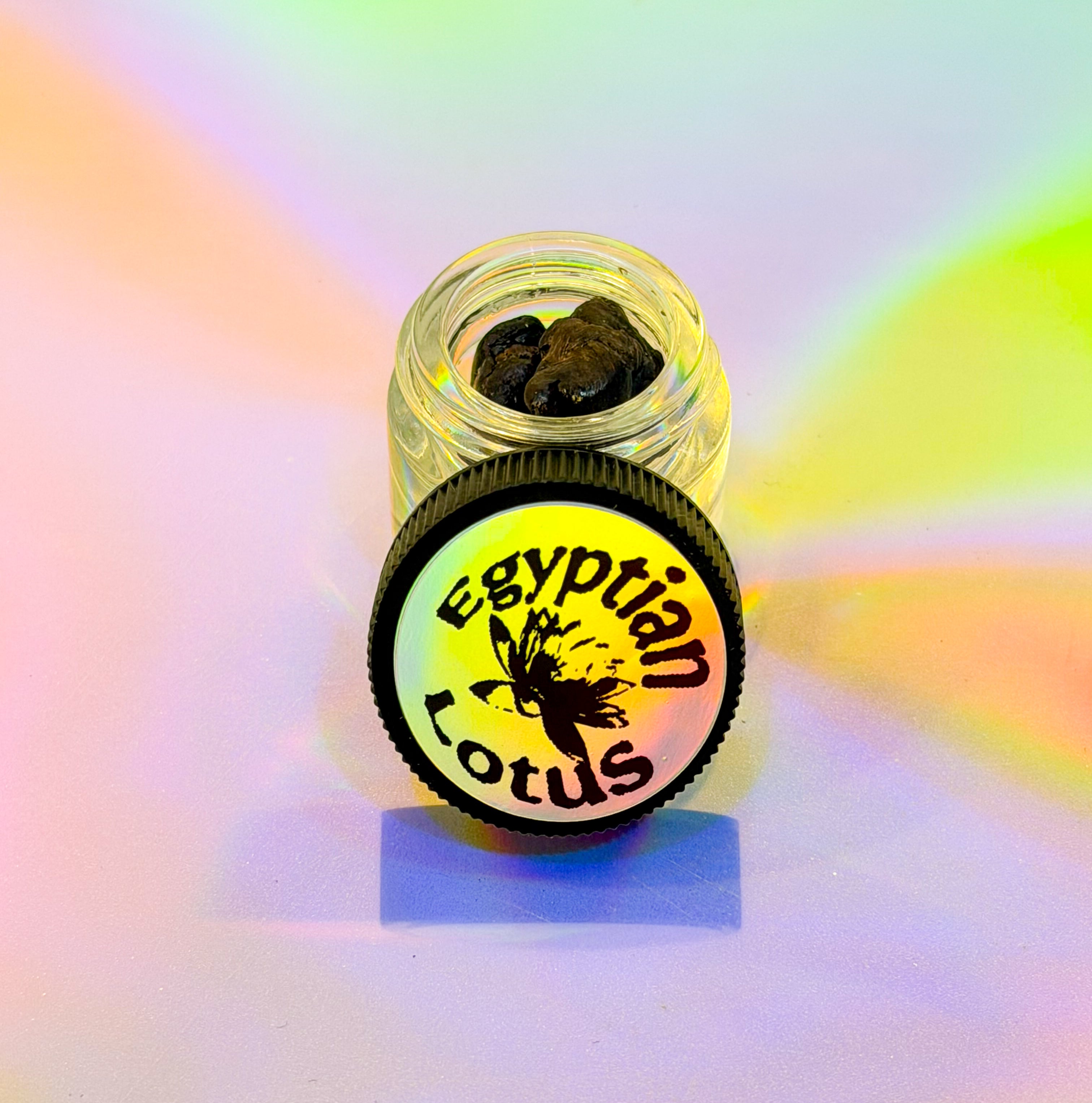
Egyptian blue lotus tea is a hot infusion of the dried flower of Nymphaea caerulea, the blue water lily of the Nile. It is the simplest way to use the plant and the one closest to how it shows up in Egyptian art, where the open flower is held to the nose or floated in a cup. For tea, the whole flower with its yellow stamens still in it gives the best cup, because the stamens carry most of the aroma.
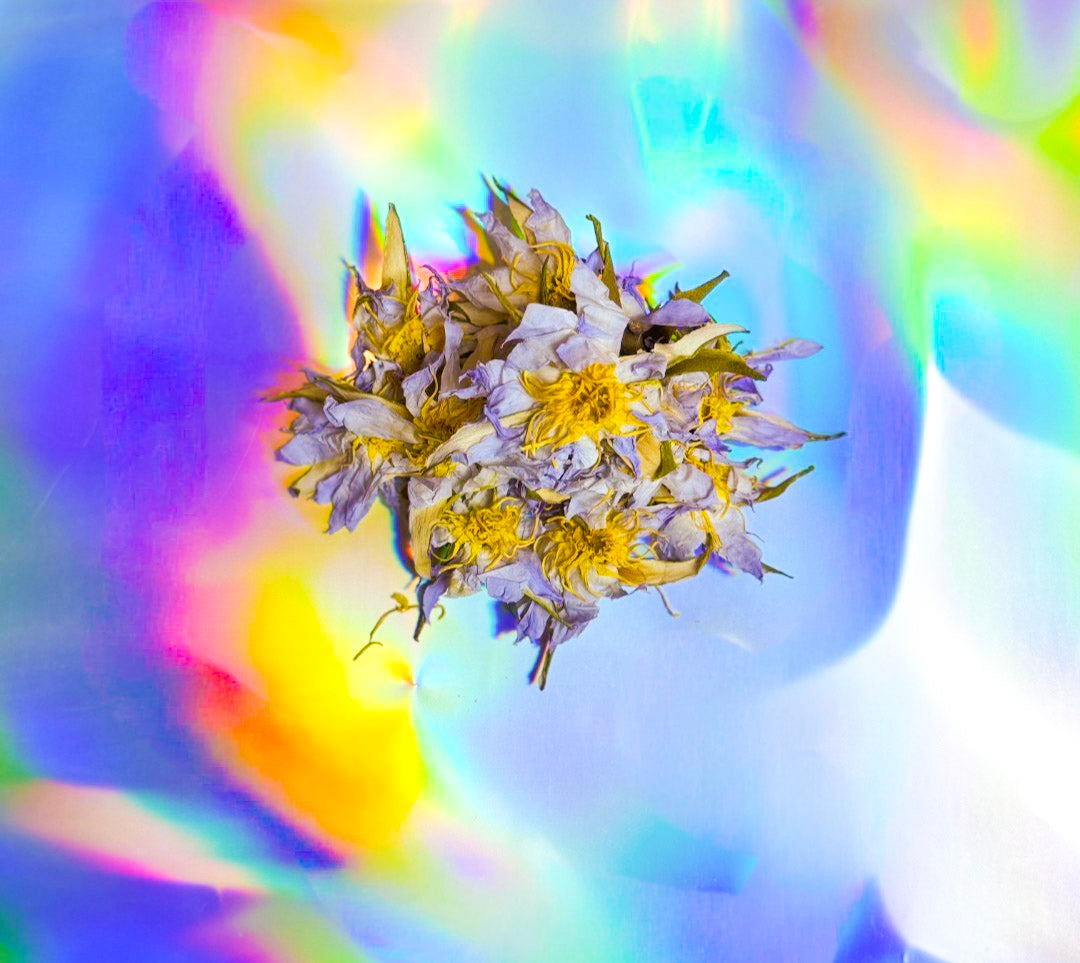
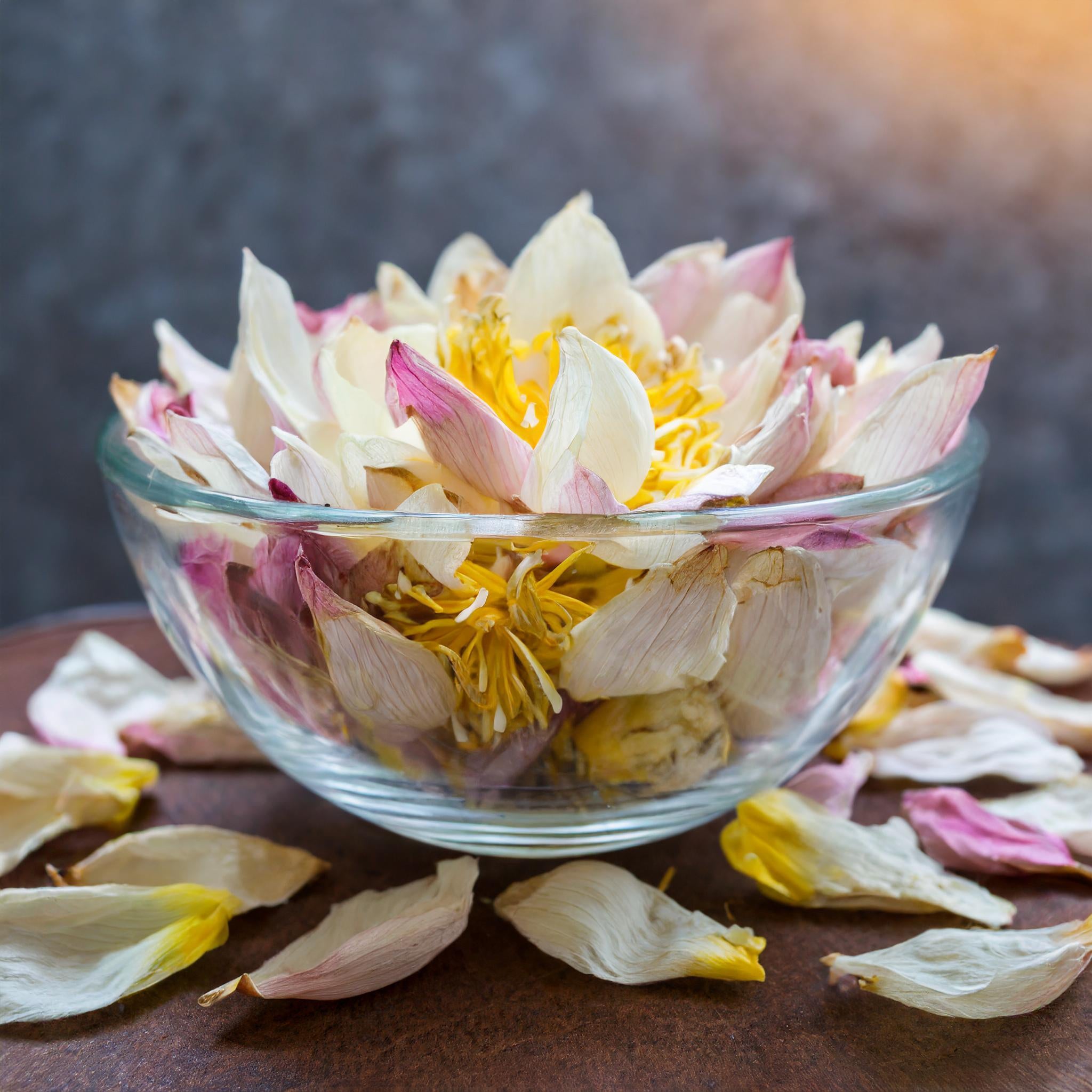
- Which flower to use. True Egyptian Blue Lotus Flower is the African line with larger heads. Blue Lotus Flower is whole dried blossoms from Sri Lanka and is the everyday tea flower. Petals and stamens brew the most aromatic cup.
- How to brew. 3 to 5 grams of crumbled flower, about a heaping tablespoon, per 250 ml of water just off the boil. Cover the cup and steep 10 to 15 minutes. Strain and add honey or lemon if you like.
- What it tastes like. Pale gold to amber, soft and floral with a faint bitterness. A second steep on the same flower is lighter but worth drinking.
The full step by step, including cold brew and the traditional wine infusion, is in our guide to preparing Egyptian blue lotus tea and wine.
What to expect. Users describe blue lotus as soft, dreamy and relaxed, a gentle unwind rather than a strong effect, with a floral, slightly bitter taste in tea and a smooth, mild smoke in the pre-rolls. Extracts and tinctures are noticeably rounder and deeper than the flower. It is an evening plant for most people and pairs naturally with quiet time, journaling and the end of the day.
Side effects and cautions. Side effects are mild; drowsiness or a dry mouth can appear at higher amounts, and the answer is to reduce.
- Do not combine blue lotus with alcohol beyond a traditional light wine infusion or with sedative medications
- Do not use if pregnant or nursing
- Adults 21 and over
Common questions
- How do I know blue lotus is real Nymphaea caerulea? Authentic flower carries aporphine and nuciferine, which is why we lab test each batch for identity rather than relying on color.
- What is the difference between blue, white and red lotus? All three are Nymphaea water lilies with similar alkaloids, and users report blue as the most dreamy, white as slightly softer and red as the most fragrant.
- Can blue lotus flowers be steeped in wine? Yes, that is the traditional Egyptian preparation, a few flowers in a bottle for several hours, though the tea and tincture avoid alcohol entirely.
- Is Egyptian blue lotus tea the same as blue lotus tea? Yes. "Egyptian" points to where the plant was made famous, the Nile, and some sellers also use it for the African genetic line. Any whole Nymphaea caerulea flower brews the same kind of tea.
Disclaimer. These statements have not been evaluated by the Food and Drug Administration. These products are not intended to diagnose, treat, cure, or prevent any disease. Blue lotus is a traditional botanical, and traditional use does not establish that it will produce any particular result. Consult your healthcare provider before use if you take any medication or have a medical condition. Use at your own risk and keep out of reach of children. Formulated by Healing Herbals, run by a practicing herbalist of 13+ years.
More reading: how to spot sprayed or synthetic blue lotus, whole flower vs petals and stamens vs stems, preparing blue lotus tea and wine, 100:1, high aporphine and high nuciferine extracts, gas station pre rolls vs whole flower pre rolls, refilling a 510 cart with blue lotus vape juice, the blue lotus price guide, Exploring Top Types of Blue Lotus Supplements, How Blue Lotus Could Improve Sleep Quality.
Blue Lotus
Known for its calming, euphoric, and spiritual effects, Blue Lotus has a long history in ancient Egypt, where it symbolized rebirth, healing, and divine connection. Today, it is enjoyed as a powerful botanical for relaxation, stress relief, lucid dreaming, and meditative clarity.
Organically Sourced Blue Lotus
We offer organically sourced Blue Lotus in the form of loose-leaf teas, potent tinctures, gummies, vapes, pre-rolls and premium extracts.
Blue Lotus has been used across centuries in spiritual, ceremonial, and healing contexts. In ancient Egypt, it was steeped in wine or brewed into tea during temple rituals and sacred rites. Cultures in India, China, and Mesoamerica also used Blue Lotus for its calming properties and symbolic power. Often referred to as the flower of the sun, this water lily played a role in religious ceremonies, vision quests, and sacred healing practices.
Active Compounds and Effects: Blue Lotus contains naturally occurring alkaloids like apomorphine and nuciferine, along with flavonoids and antioxidants. These compounds gently stimulate dopamine and serotonin receptors, promoting feelings of euphoria, emotional balance, and calm.
Relaxation and Mood Enhancement – Known for its ability to soothe the nervous system and gently uplift the spirit without fogginess.
Lucid Dreaming and Sleep Support – Many users report more vivid dreams and deeper rest after drinking Blue Lotus tea or using extracts before bed.
Meditation and Spiritual Practice – Blue Lotus has long been associated with enhancing intuition, mindfulness, and the opening of the third eye.
Aphrodisiac Effects Traditionally used to promote intimacy, sensuality, and heightened emotional connection.
These statements have not been approved by the FDA to treat cure or diagnose any disease or ilness'