Article: All about Kanna 🌱
All about Kanna 🌱
TL;DR: Kanna is a South African succulent that people have chewed, fermented and used for mood and calm for a very long time, and its effects come from a small group of alkaloids that make up only about 1.5% of the plant. It's psychoactive but not hallucinogenic, and how it hits you depends a lot on how much you take and how you take it.
Kanna was one of the first plants we ever put on the shelf, and it's still the one people ask us about most. Folks come in having read three different things online and want the plain version. So here it is, the way we explain it across the counter.
What kanna is and where it comes from
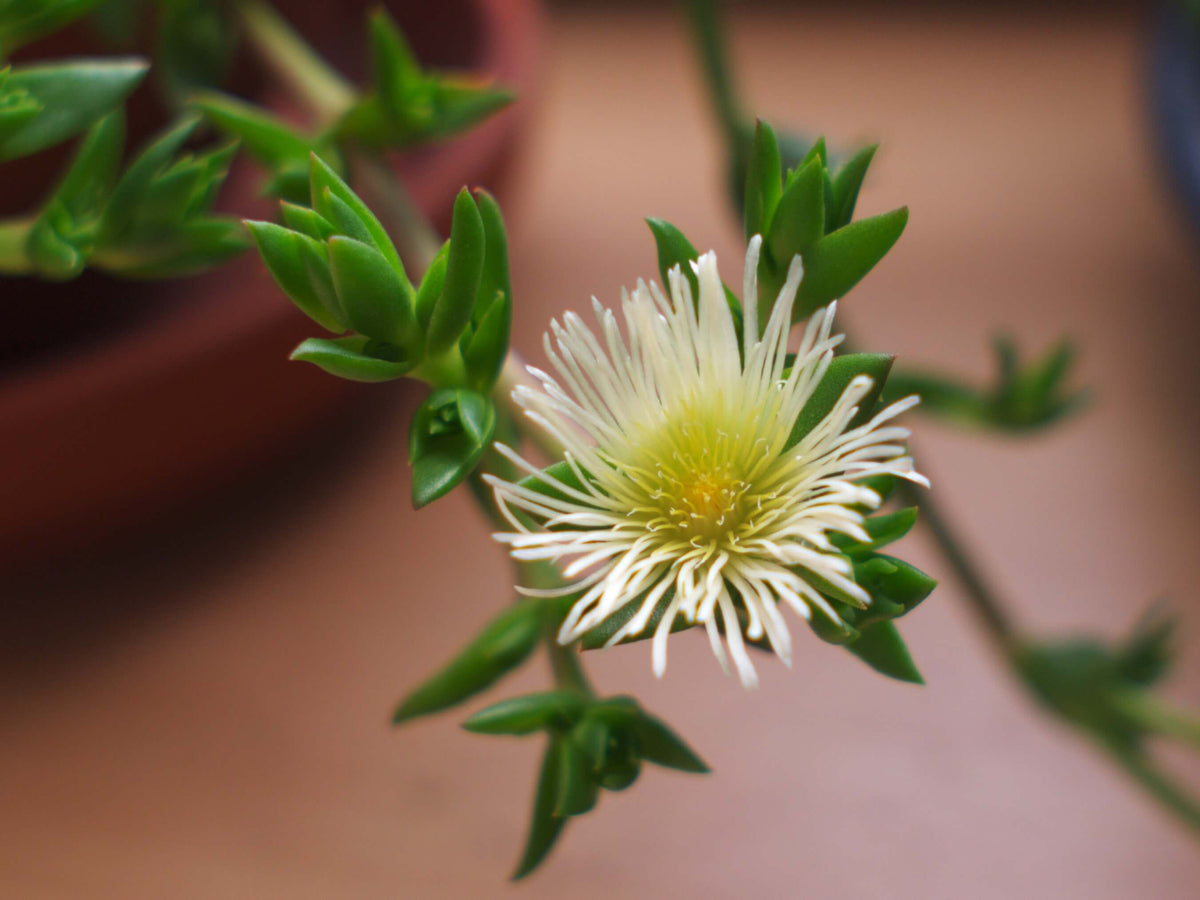
Kanna is Sceletium tortuosum, a low growing succulent from South Africa. Traditionally, its roots and leaves were fermented and then chewed by South African tribes, who valued it for its intoxicating and vision-inducing properties. That fermenting step matters. It changes the plant, and it's a big part of why traditional kanna and a modern extract don't feel exactly the same.
Kanna has a long history of traditional use as a mood enhancer and for easing stress and tension. Over the last couple decades the western market has caught on, and there's now real research interest in how it affects mood. We'd rather be careful here though. Research interest is not the same thing as a proven medicine, and nobody should be swapping out anything their doctor gave them for a plant they bought online.
The alkaloids doing the work
The part people are usually surprised by is how little of the plant is actually active. Only about 1.5% of kanna is alkaloid content, and inside that small slice you've got four psychoactive alkaloids: mesembrine, mesembrenone, mesembrenol and tortuosamine.
Honestly, not a ton is known about each one on its own yet. They're believed to be the driving force behind everything kanna is used for, and pharmaceutical companies have been actively looking into them. When you see extracts sold with a mesembrine or mesembrenone number on the label, that's why. The ratio between these alkaloids changes the feel quite a bit, more stimulating on one end and more relaxing on the other.
How people report using it
Kanna's full potential still isn't well understood, but people report using it to:
- Take the edge off appetite
- Wind down, or on a different dose, feel a bit more stimulated
- Feel calmer and less tense
- Feel more self-confident, especially in social settings
In some cases South African users described a feeling of euphoria and meditative tranquility. Others noted sexual arousal or a heightened sensitivity to touch, sound and taste. You'll notice those don't all point the same direction. That's kanna. Small amounts and larger amounts can feel pretty different, and so can a chewed leaf versus a strong extract.
Psychoactive, but not a hallucinogen
This is the one thing we want every new customer to walk away knowing. Kanna is psychoactive, but it is NOT hallucinogenic. You're not going to see things. What you get varies a lot depending on the amount you use and the way you take it, whether that's chewing, a tea, a tincture, a sublingual powder or a sniffed extract.
Like with most mood-active plants, your own body plays a huge role too. Tolerance, body weight and metabolism can all change how a dose turns out. Two people taking the same scoop at the bar can have two very different nights. So before you take anything, read the dosage recommendations on the How To Use page and start low.
Our practical advice for a first try
We've handed kanna to a lot of first timers over the years, and the ones who have a good time are almost always the ones who went slow. Start with a small amount of a gentle form, like a tincture or plain leaf, before jumping to a high strength extract. Give it a full session to see how you respond. Don't stack it with a bunch of other stuff the first time, so you actually know what kanna feels like on its own. And if you're on any prescription medication, especially anything that works on serotonin, talk to your doctor first. That one's not optional.
Common questions
Will kanna make me hallucinate?
No. It's psychoactive but not a hallucinogen. Most people describe a lift in mood, a calmer headspace or a more social feeling, depending on the dose and form.
How much of the plant is actually active?
Only about 1.5% of kanna is alkaloid content. That's why extracts, which concentrate those alkaloids, can feel so much stronger than plain dried leaf.
Why does kanna feel different for different people?
Dose and method are the big ones, and then tolerance, weight and metabolism. That's why we always tell people to start small and adjust from there.
If you've got questions about which kanna fits what you're after, reach out or stop by. We talk about this plant all day and we're happy to point you the right way.
These statements have not been evaluated by the Food and Drug Administration. This product is not intended to diagnose, treat, cure, or prevent any disease.

Written by Herbal Healings

Leave a comment
This site is protected by hCaptcha and the hCaptcha Privacy Policy and Terms of Service apply.