Our Kanna Sourcing
Last updated: September 30, 2026
TL;DR: Most of our kanna now comes from our own leased nursery in South Africa, where a crew on the ground grows the plants and an on-site lab makes our extract. We still keep relationships with small growers who do traditional fermentation, and it's all organically grown with no synthetic chemicals. Our operation holds protected-species program licensing and export licensing, and our long-time supply partner has formal benefit-sharing agreements with the San and Khoikhoi communities, with material licensed for export by Cape Nature. That's how we make sure the plant, and the people who first knew it, get treated right.
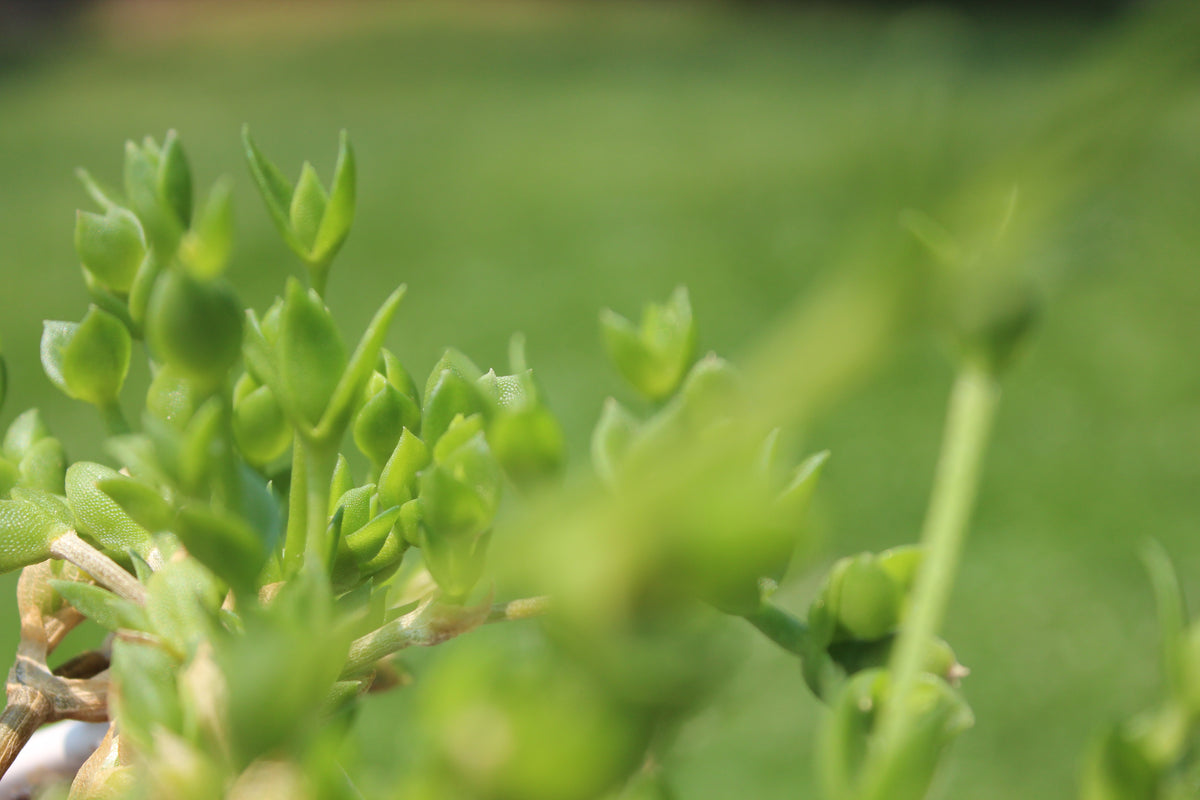
People ask us all the time where our kanna actually comes from. Fair question. Sceletium tortuosum only grows in one corner of the world, and how it gets from a South African hillside to a jar on our shelf matters a lot. So here's the plain version of how we source it.
Where our kanna comes from
For years we bought from a range of suppliers. Some were large-scale agricultural producers who could grow kanna in real volume. Others were small-scale farmers who specialize in traditionally fermented kanna, the old way of preparing the plant that people in the region have used for generations.
Today the bulk of what we sell is grown on our own leased nursery land. We still like having the small growers around. Fermented kanna has its own feel compared to straight dried leaf, and after 13 years of handling this plant, we can tell you those differences are real.
Our Nursery and Extraction Lab in South Africa
Healing Herbals leases nursery land in South Africa under a rental agreement. As of September 2026 the nursery has been running for about two years, and it holds roughly 200,000 plants.
A crew of seven to eight people runs it on the ground. A director on site handles the paperwork, the shipping and the staff. Rob sets the planting and harvest plan, the drying standards and the quality specs, so what comes out of the ground is grown and handled to the same spec every season.
In spring 2026 we opened an on-site extraction lab. Before that, we bought finished extract from outside labs. Now we make it in house, from plants we grew ourselves, which means we know exactly what went into every batch in our kanna extracts.
The operation holds protected-species program licensing along with export licensing. Sceletium is a protected plant in South Africa, and that paperwork is what lets us grow it, process it and ship it legally.
Kanna is not the only thing growing there. We also grow amanita and wild dagga at the nursery, and we have lotus and wild lettuce planned.
The short version: the leaf in our kanna loose leaf and the extract in our jars now come from one operation we run ourselves, start to finish.
Farmed, and sometimes wild-harvested
Most of what we carry comes from our nursery and from well-managed farms. In certain cases it comes from sustainable, wild-harvested areas on private land. We care about keeping the species diverse, and that means not letting anyone strip wild populations bare to meet demand.
All our Sceletium plants are organically cultivated without any synthetic chemicals. No synthetic pesticides, no synthetic fertilizers. It's grown the way it should be.
Benefit sharing with the San and Khoikhoi
This is the part we're proudest of. The San and Khoikhoi peoples are the original holders of knowledge about Sceletium. They were using it long before anybody sold it online.
Our long-time supply partner has formal benefit-sharing agreements with these communities, specifically with the !Kai Korana Community and the South African San Council. In practice that means a share of what the trade earns goes back to the people whose traditional knowledge made the trade possible in the first place. We think that's the bare minimum for anyone selling this plant.
Licensed for export
Kanna exported from South Africa needs proper permits. Our products are licensed through the Western Province Department of Cape Nature, which authorizes trade and export of Sceletium globally, and our own operation carries its own export licensing on top of that.
That paperwork matters to you as a buyer. It means the material left the country legally, it came from a traceable source, and it wasn't pulled off protected land by someone cutting corners.
Why sourcing shows up in the jar
Here's something people don't always think about. Where kanna comes from and how it was handled changes what you get. Leaf from a well-run farm that was dried properly and stored right looks, smells and feels different from leaf that sat in a hot warehouse for a year. The alkaloid content can vary from one harvest to the next too, just like any crop.
That's a big reason we grow our own now and stick with the few outside growers we know. When a new lot comes in, we open it, smell it, look at the color and the cut, and try it ourselves before it goes on the shelf. If something's off, it doesn't get sold. It's not a fancy system. It's just what you do when you've been handling a plant for over a decade and you know what good material looks like.
It's also why we'd rather put the work into material with a clear paper trail. Cheap kanna with no origin story is cheap for a reason, and usually you find out why the first time you use it.
Common questions
Is your kanna wild-harvested or farmed?
Mostly farmed, the majority of it on our own leased nursery in South Africa. Some comes from sustainable wild-harvest areas on private property.
Do you make your own extract?
Yes. Since spring 2026 our extract is made in our on-site lab in South Africa from plants grown at our nursery.
What does "traditionally fermented" mean?
It's an old preparation where the harvested plant is crushed and left to ferment before drying. Small growers still do it by hand, and the result feels a bit different from plain dried leaf.
Who are the !Kai Korana and the San Council?
They're community groups representing the Indigenous peoples who first used Sceletium. Our long-time supply partner has formal benefit-sharing agreements with both.
If you've got more questions about where a specific batch came from, reach out. We're happy to talk shop.

Written by Herbal Healings


Leave a comment
This site is protected by hCaptcha and the hCaptcha Privacy Policy and Terms of Service apply.