
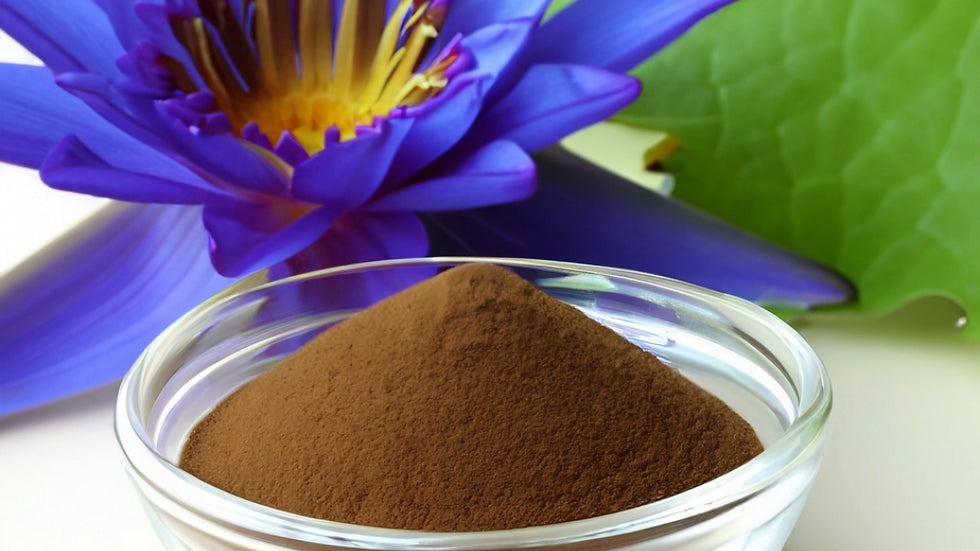
What are the Effects of Blue Lotus?
TL;DR: Blue lotus (Nymphaea caerulea) is a gentle plant, and people mostly report calm, a mild euphoric lift, more vivid dreams and a slightly heightened sense of smell and taste. The effects are subtle compared to stronger botanicals and shift with the form you use, how much you take and your own sensitivity, so start small.
Blue lotus is one of those plants people expect a lot from because of the ancient Egypt stories. The real experience is quieter than the hype, and honestly that's what most of our regulars like about it. Here's what people actually report.
A gentle, mild plant
Blue lotus (Nymphaea caerulea) is known for mild psychoactive effects. Different cultures have valued it for a long time, ancient Egypt most famously, where the flower shows up all over temple art. Mild is the key word. If you're coming in expecting something intense, you'll probably be let down. If you want a soft wind down, it fits.
Calm and a light euphoric lift
The most common thing people tell us is that blue lotus brings a sense of calm and well-being. That's usually credited to the plant's natural compounds, which seem to have a soothing effect.
A lot of people also describe a mild euphoria or relaxed, floaty feeling. It's more subtle than stronger psychoactive plants. Think a warm, easy evening rather than a big shift in headspace. A cup of tea after dinner is how a lot of our customers use it.
Dreams and the senses
Some people say blue lotus makes their dreams more vivid and easier to remember the next morning. That's why it's popular with folks who are into lucid dreaming or keep a dream journal. We hear this one a lot from people who take it in the evening.
There are also reports of heightened senses after using it, especially a sharper sense of smell and taste. Food can taste a little brighter, and the flower's own aroma really comes through in a tea.
A social plant, historically
Historically blue lotus was used in social settings. People believed it helped with social interaction and created a sense of connection among the group. It's easy to see why. A relaxed, slightly happy crowd tends to get along. Some people still use it that way, as a mellow option for a night with friends.
How people take it
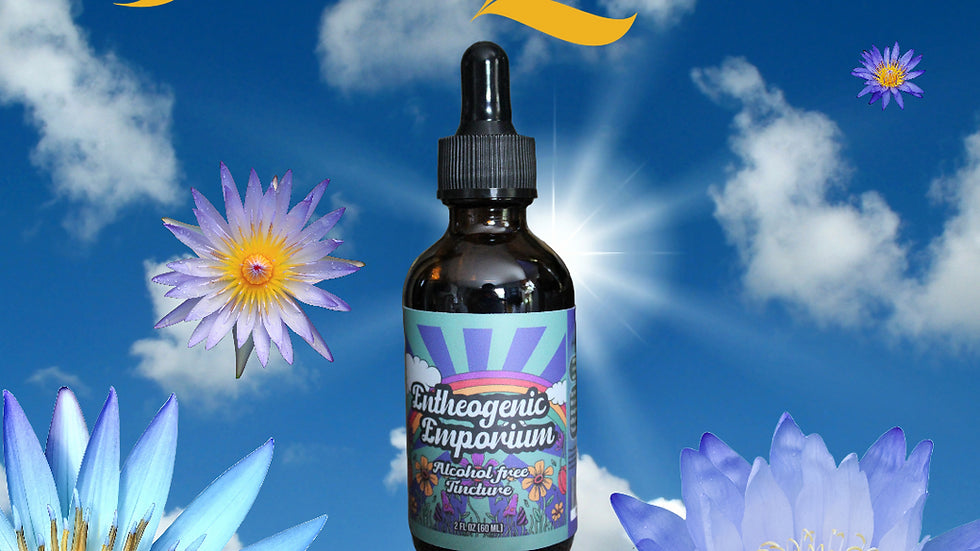
At the shop we see blue lotus go out in a few main forms. Dried flowers are the classic, steeped as a tea or soaked in wine the way people talk about the old Egyptian preparations. Tinctures and resins are more concentrated, so a little goes further. Some people smoke the dried petals on their own or in a blend, and vapes are popular for a quick, light hit in the evening. None of these is the right one. It mostly comes down to how fast you want it to come on and how long you want it to hang around.
Why your experience may be different
The effects can vary based on how you take blue lotus, how much you use and how sensitive you are. A tea from dried flowers is usually gentler than a tincture or a resin, and a vape comes on faster but fades sooner. It's generally considered safe, but the smart move is still to start with a small amount and see how you respond before you take more. Give it time to come on too. Tea especially can take a bit.
Common questions
Is blue lotus strong?
No. Most people describe it as mild and relaxing, noticeably gentler than stronger botanicals.
Does it affect dreams?
Some users report more vivid dreams and better dream recall, which is why it's popular for lucid dreaming.
What's the best way to start?
Pick a gentle form like tea, use a small amount and see how you feel before adjusting.
Blue lotus is a plant for slowing down, not speeding up. It rewards patience more than it rewards bigger doses. Keep it simple, keep it small the first few times, and pay attention to how you feel the next morning too. If you want help picking a form, reach out and we'll tell you what our regulars reach for.
Related guides: spotting sprayed or synthetic blue lotus, flower grades, tea and wine prep, price guide.

Leave a comment
This site is protected by hCaptcha and the hCaptcha Privacy Policy and Terms of Service apply.