
Different types of Kanna Extract?
TL;DR: Kanna extract comes as powder, tincture, resin, capsules, gum and isolated alkaloids, sold under names like MT55, XK6 and MZO. Be skeptical of 10x, 20x and 100x ratio extracts with no reliable lab work, and know who your supplier is.
Kanna extract is a plant extract derived from the plant sceletium tortuosum / expansum.
What is Kanna Extract? Kanna extract comes in many forms including a powder, tincture, resin, capsules, chewing gum, as well as pure alkaloid isolations.
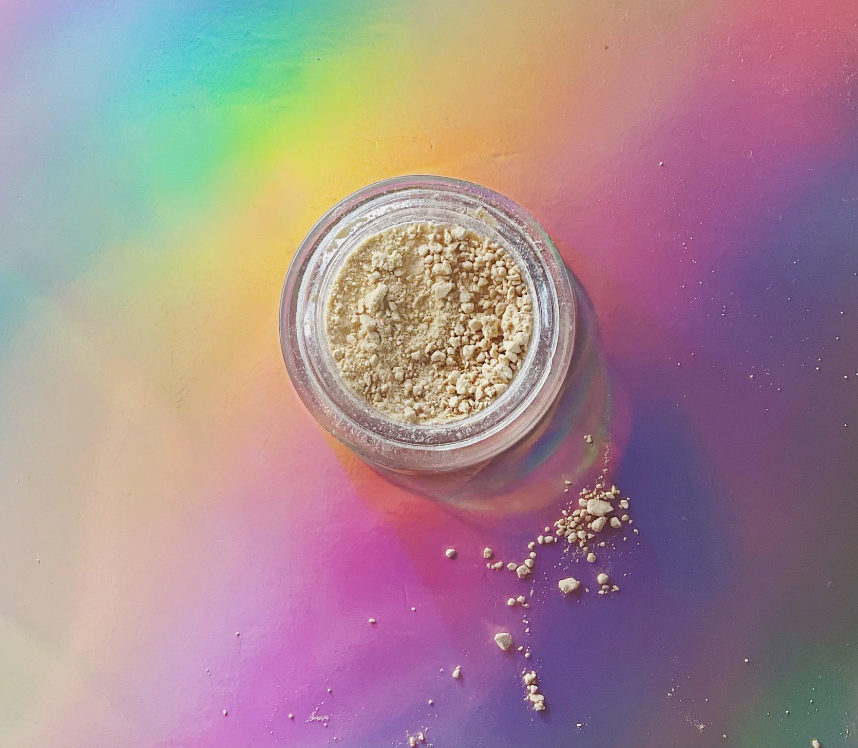
Often the most commonly purchased, and the most powerful kanna extract is powdered extracts. These come in many forms and many names such as MT55, XK6, MZO, etc. Often you may find 10x, 20x, 100x but these are not as reliable or trustworthy, their origins are often unknown. These often do not have lab certification, and if they do it is not reliable.
There are a few trustworthy kanna extract suppliers on the internet as of 2024. It is a very small world and I don't know of any 100x that is reliable- I often think it is a different plant being sold with a similar alkaloid profile such as lampranthus- but without a laboratory test we will never know. This is why it's very important to know about your kanna connection. Here at healing herbals we have a very trustworthy and transparent process- check our website / about for more.
Kanna Extract Powder: may come in many forms and different names but mostly a light white powder that can be consumed orally or nasally.
Tinctures: Tinctures are liquid extracts of kanna, typically made by soaking the plant material in alcohol or another solvent. This method allows for easy dosage and fast absorption into the bloodstream when used sublingually
Capsules: For those who prefer a more convenient and tasteless method, kanna is available in capsule form. This method provides precise dosing and is easy to consume.
Chewing Gums and Edibles: Some products incorporate kanna extract into chewing gums or edibles. This allows for a slow release of the active ingredients.
Concentrated Extracts: These are more potent forms of kanna, often labeled with a multiplication factor like 10x or 20x, indicating their strength compared to the standard powder. They are used in much smaller quantities due to their high potency
Isolations of Alkaloids: Some extracts isolate specific alkaloids like mesembrine, offering a different experience as each alkaloid has slightly different effects.
Where kanna comes from and how to spot a good extract
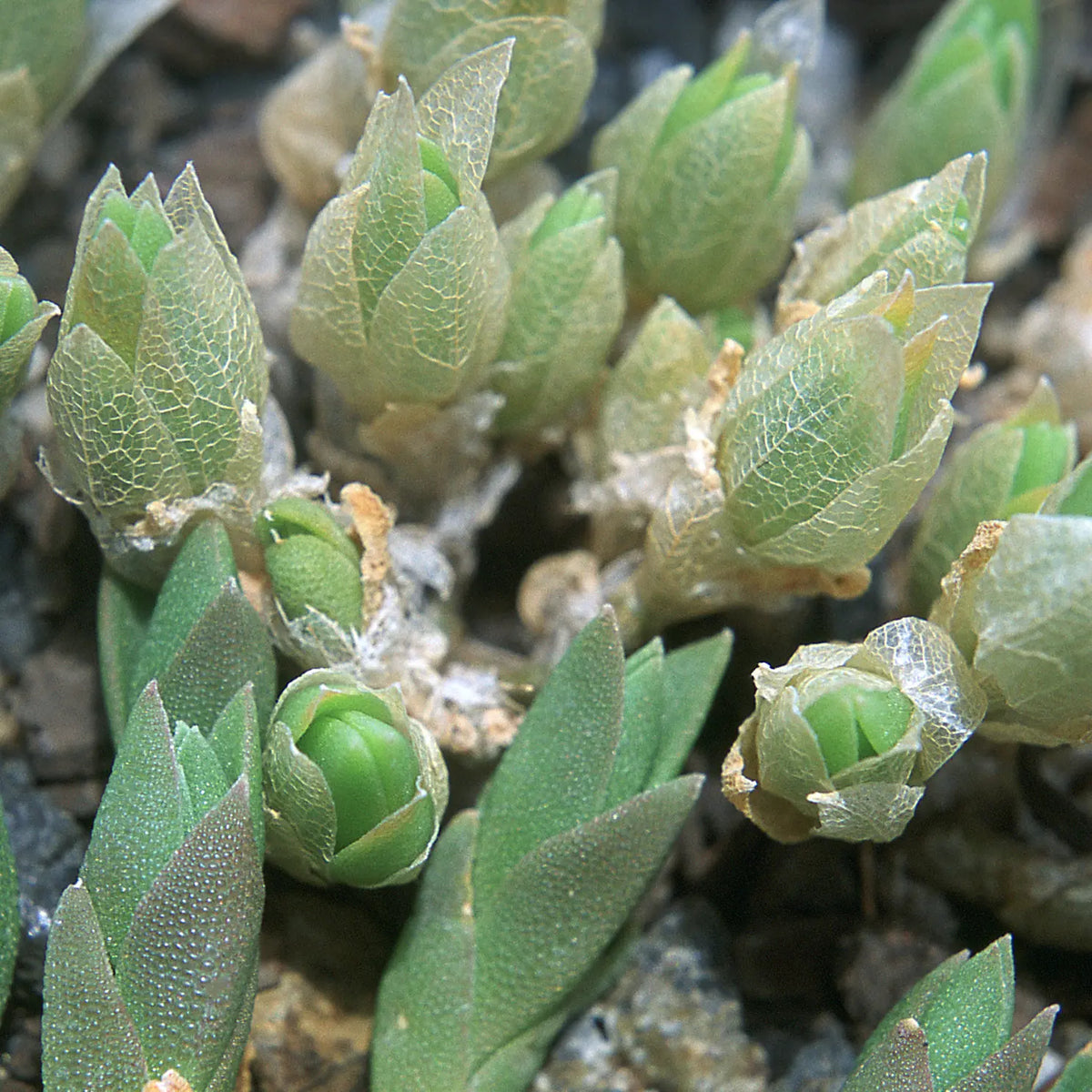
Kanna is a succulent native to South Africa. Indigenous peoples there have used it for a long time. It is also called channa. Extracts are usually made from the leaves and stems.
Color is a quick clue. Brown powders sold as 10x, 100x or 200x are often unclear in quality and sourcing. Off-white or light tan powders are usually the more legitimate kind. These carry batch names like MT55, XK6, VU3 or MZO. The name refers to the extraction process or batch.
A good extract should have higher levels of the main alkaloids: mesembrine, mesembrenone and delta 7 mesembrine.
Rules on herbal products vary by region, so check your local laws. Talk to a healthcare professional before use, especially if you have a medical condition or take other medications.

Written by Herbal Healings

Leave a comment
This site is protected by hCaptcha and the hCaptcha Privacy Policy and Terms of Service apply.