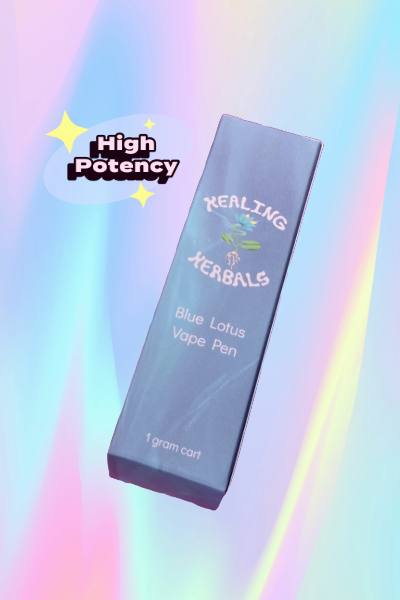
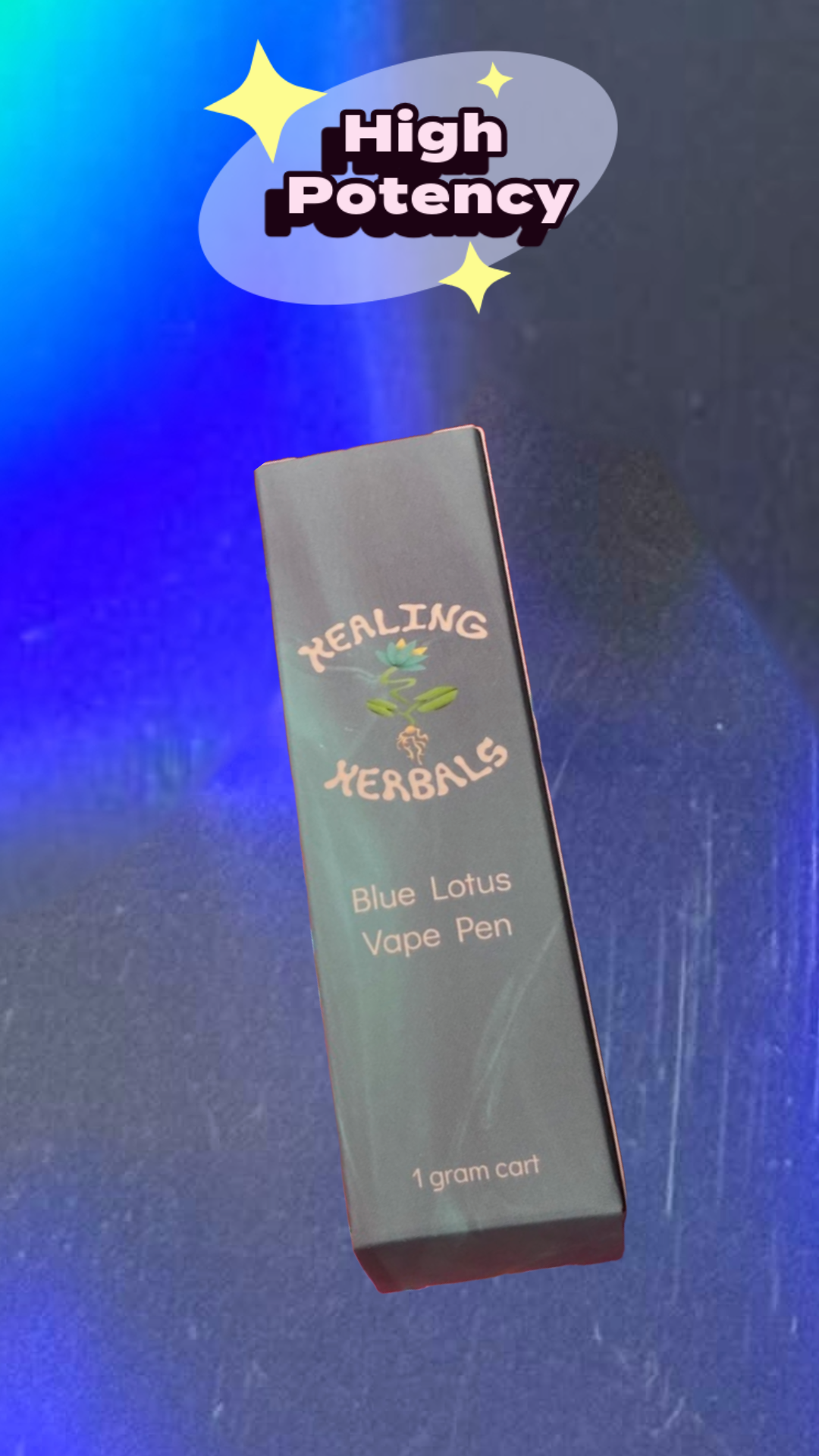
High Potency Blue Lotus Vape (1g Disposable)
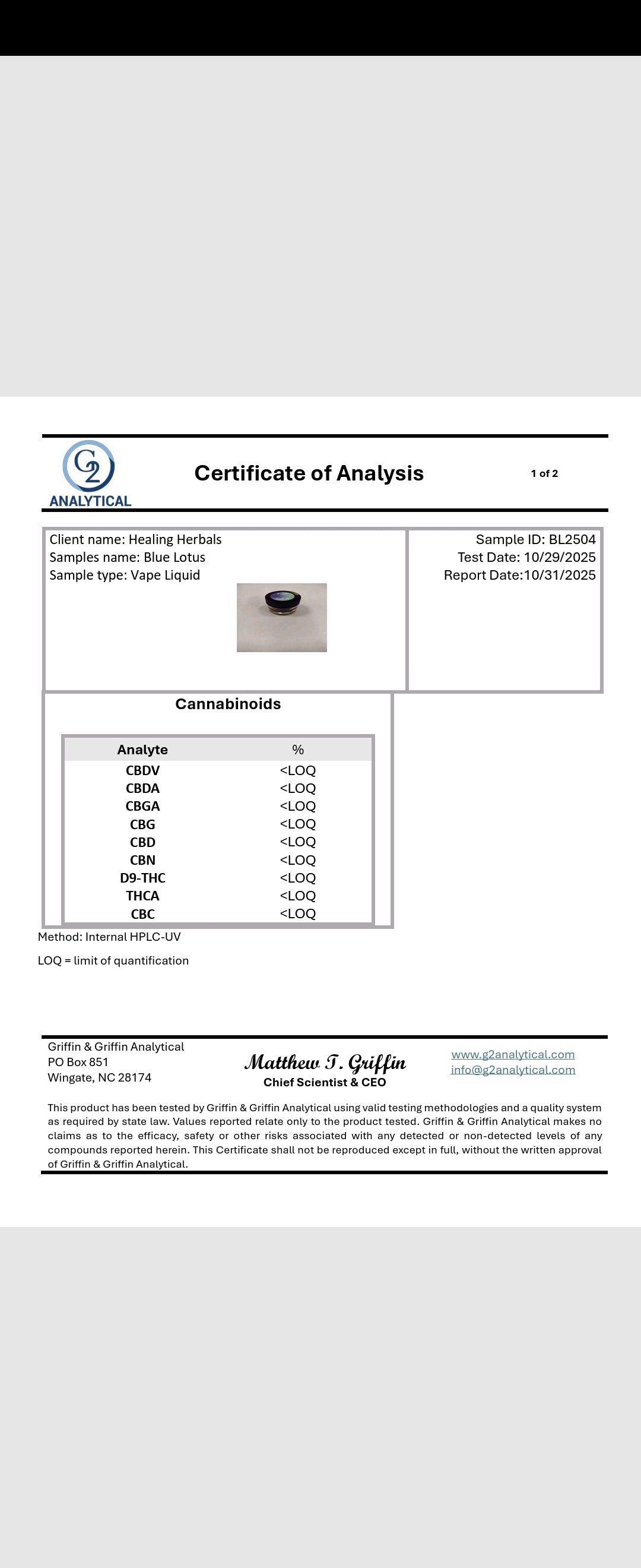
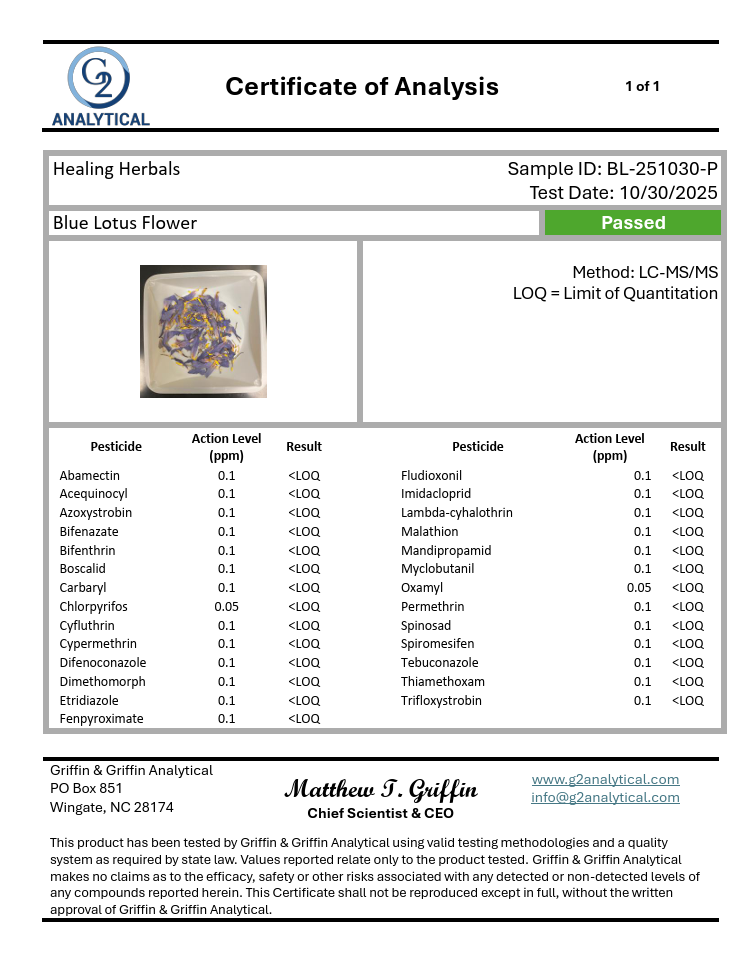
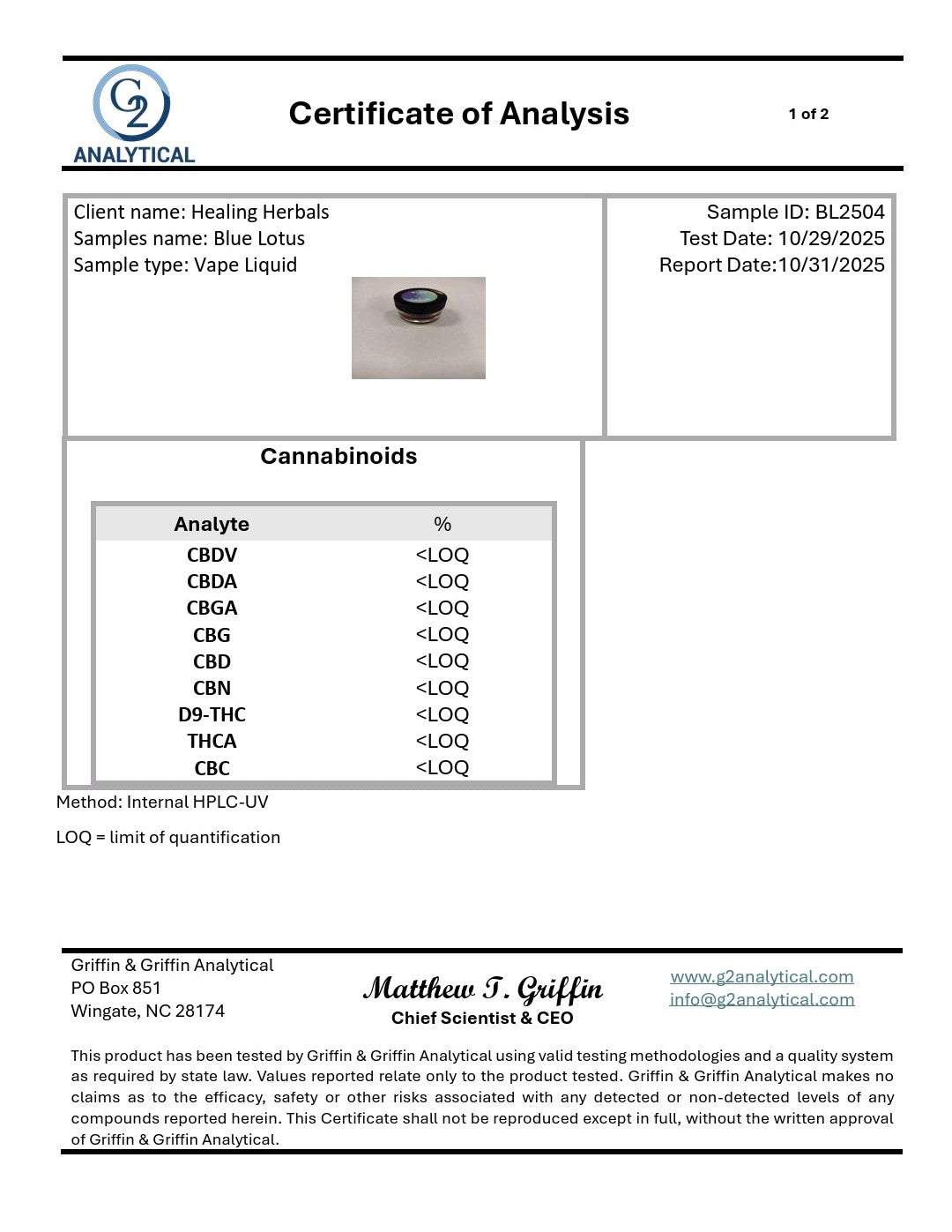
This is our high potency blue lotus vape. Blue Lotus Aromatherapy Diffuser is a portable personal diffuser built around organic blue lotus (Nymphaea caerulea) extract from a small farm in Sri Lanka. It gently warms the extract into an aromatic mist for a mouth-to-nose sensory experience, with no setup, no water reservoir and nothing to plug in. Every batch is third-party tested for authenticity and purity, which is more than most of what is sold under the blue lotus name.
At a glance
- Organic Nymphaea caerulea extract, grown on a small Sri Lankan farm
- High potency, third-party tested for authenticity and purity
- Portable, self-contained, no charging setup or prep
- Mouth-to-nose method, inhale through the mouth and exhale through the nose
- Adults 21 and over
The flower. Blue lotus is a water lily rather than a true lotus. It carried deep ceremonial meaning in ancient Egypt, where it stood for rebirth and appears throughout temple art, and it holds a similar place in Southeast Asian tradition. It stays a favorite today for its distinctive floral aroma and its settled, unhurried character.
How to use it. Inhale slowly through your mouth and exhale through your nose. Start with a few gentle puffs and give it a minute before deciding whether you want more. The aroma is floral and soft rather than sharp, and the mouth-to-nose route is what makes the scent register properly instead of passing straight through.
Ingredients.
- Vegetable glycerin
- Propylene glycol
- Blue lotus extract (Nymphaea caerulea)
- Natural flavors
Care and storage. Store it upright at room temperature, out of direct sunlight and away from a hot car. Extreme cold thickens the liquid and makes the first draw harder, so let it come back to room temperature before use.
The rest of the lotus line. If you would rather brew than diffuse, the whole Hybrid Egyptian flowers are the tea grade and the Blue Lotus Extract Powder 100:1 is the concentrate. There is a larger 8 gram disposable and a refill liquid as well. Everything is in the full blue lotus collection of flower, tea, tinctures and extracts, and the other diffusers sit in Botanical Aromatherapy Diffusers & Vapes.
Common questions
- Where does the blue lotus come from? A small farm in Sri Lanka that grows it organically. We test each batch through a third-party lab.
- Why inhale through the mouth and exhale through the nose? The aroma registers on the way out through the nose. Straight mouth-to-lung inhaling skips most of the scent.
- Is this the same extract as your lotus powder? No. The diffuser uses a liquid extract cut for diffusing; the powder is a dry 100:1 concentrate for tea and capsules.
- Is it refillable? This one is a self-contained disposable. For a refillable setup, see the refill liquid and the empty 510 cartridges in the collection.
- How do you vaporize blue lotus? The simplest way is a ready-made liquid like this one: the device warms the blue lotus extract into a mist, no prep needed. Take slow, gentle puffs, hold the mist in your mouth for a moment and breathe out through your nose. Dried flower can also go in a dry herb vaporizer on a low heat setting, but a liquid extract gives a more even draw.
Disclaimer. These statements have not been evaluated by the Food and Drug Administration. This product is not intended to diagnose, treat, cure, or prevent any disease. Blue lotus is a traditional botanical, and traditional use does not establish that it will produce any particular result. Always consult a qualified healthcare professional before use, especially if you are pregnant, nursing, or taking medications. Use at your own risk and keep out of reach of children. For adults 21 and over.
Choose options
Blue Lotus: A Legal Alternative to Delta 9 THC
As delta 9 THC faces increasing legal restrictions across the United States, many wellness enthusiasts are seeking natural, legal alternatives. Blue lotus (Nymphaea caerulea) has emerged as a compelling option, offering gentle relaxation and mood enhancement without the legal complexities or intense psychoactive effects of cannabis products.
Used for thousands of years in traditional Egyptian and Asian wellness practices, blue lotus provides a time-tested botanical solution for those seeking calm, clarity, and natural stress relief in an increasingly regulated landscape.
Legal & Accessible
Blue lotus is federally legal and widely available, offering a compliant alternative as cannabis regulations tighten.
Natural Relaxation
Promotes calm and relaxation through natural alkaloids without the psychoactive intensity of delta 9 THC.
Mood Enhancement
Supports positive mood and mental clarity, making it ideal for daytime use and social settings.
Ancient Tradition
Used for thousands of years in traditional wellness practices, blue lotus has a rich history of safe use.
Why Choose Blue Lotus Over Delta 9?
No legal restrictions or age verification complexities
Gentle effects without overwhelming psychoactivity
No risk of failing drug tests or employment issues
Suitable for functional daytime wellness routines
Natural botanical with minimal side effects
Can be shipped nationwide without restrictions
Frequently Asked Questions
What is blue lotus?
Blue lotus (Nymphaea caerulea) is a water lily native to Egypt and other parts of Africa. It contains natural alkaloids like aporphine and nuciferine that promote relaxation and mild euphoria.
Is blue lotus legal?
Yes, blue lotus is legal in the United States and most countries. Unlike delta 9 THC, which faces increasing restrictions, blue lotus remains unscheduled and accessible.
How does blue lotus compare to delta 9 THC?
Blue lotus offers gentle relaxation and mood enhancement without the intense psychoactive effects of delta 9. It provides a clear-headed experience suitable for daily wellness without legal concerns.
What are the effects of blue lotus?
Users report feelings of calm, mild euphoria, enhanced mood, and gentle relaxation. Effects are typically subtle and functional, making it ideal for stress relief and social situations.
Will blue lotus show up on a drug test?
No, blue lotus does not contain THC or other substances typically screened for in standard drug tests, making it a safe choice for those subject to workplace testing.
How do I use blue lotus?
Blue lotus can be consumed as a tea, tincture, extract, or vaporized. Each method offers different onset times and duration of effects. Start with a low dose to assess your individual response.
These statements have not been evaluated by the FDA. This product is not intended to diagnose, treat, cure, or prevent any disease. Consult your healthcare provider before use.