How Blue Lotus Could Improve Sleep Quality
Does blue lotus help you sleep? Blue lotus has been used since ancient Egypt for relaxation, and its main compounds, apomorphine and nuciferine, are the reason people reach for it in the evening. Reports of deeper rest and more vivid dreams are anecdotal, the research is still early, and people mostly take it as tea or tincture.
Anyone on nervous system medication should check with a doctor first. You can see every form we carry in our blue lotus collection.
Why was blue lotus used for relaxation?
Blue Lotus was considered far more than just a pretty bloom. It was thought by Egyptians to bridge access to the divine and was often included in many rites geared toward inducing peace and introspection. Over the centuries, its calming properties have been embraced by various cultures as a remedy for anxiety, stress, and sleep disturbances.
What compounds in blue lotus affect sleep?
Blue Lotus has two major compounds: apomorphine and nuciferine. Apomorphine is a psychoactive alkaloid that interacts with dopamine receptors in the brain and could induce light states of euphoria while promoting relaxation. Nuciferine is believed to produce an anxiolytic effect. Together, these may help with easy induction of sleep, hence placing the Blue Lotus as a natural sleep agent.
Is blue lotus a natural sleep aid?
For people moving away from synthetic sleeping drugs, Blue Lotus is quite an appealing alternative. Because of its influence on brain chemistry and stress reduction, it could help the body reach levels of very peaceful slumber. Its organic origin appeals to people who are wary of pharmaceutical interventions as a mild way of improving the quality of their sleep.
Does blue lotus affect REM sleep and dreams?
Quality of sleep is not just about the length; it also refers to the integrity and restorative capability of sleep cycles, including REM sleep, which is vital for cognitive function and general health. There are anecdotal reports that Blue Lotus might beneficially affect REM sleep by making dreams more vivid or even allowing for lucid dreaming experiences. Scientific research on that subject is still at its baby stage.
How do you use blue lotus for sleep?
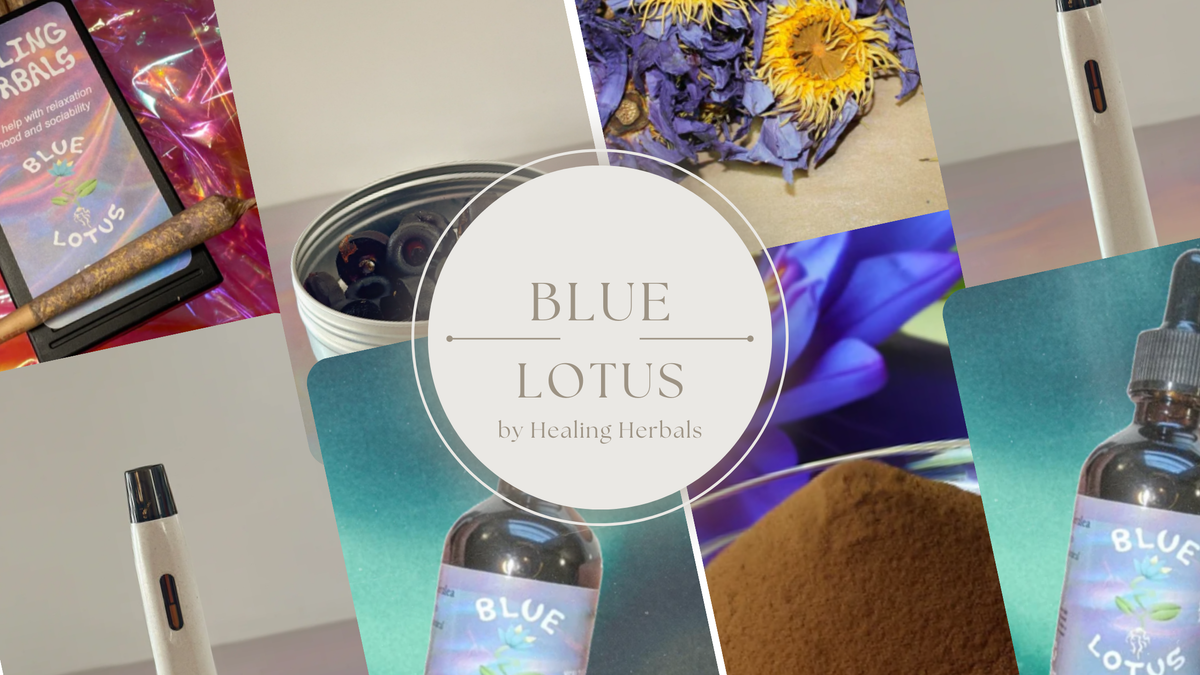
Blue Lotus comes in many forms, each providing a different experience. Boiling the dried flowers produces a calming tea, popularly taken in the evening to sleep well. Our blue lotus flower works well for this, and we cover the method in how to prepare blue lotus tea the traditional way. Concentrated extracts, applied as tinctures like our alcohol free blue lotus tincture, can be taken sublingually for rapid absorption. Some individuals use a Blue Lotus essential oil to fill up a room with a soothing fragrance to make it rest-conducive.
Is blue lotus safe to take before bed?
It is considered a safe plant; however, one should exercise lots of caution before using it. Ingestion of this plant could well interact with the other drugs used on the nervous system. In some countries, Blue Lotus is illegal. Just like with every other supplement, consult with a healthcare provider first, especially with pre-existing health conditions.
Further research is needed, but if it can induce relaxation and thereby impact sleep patterns, it would be a promising candidate. Taken as tea, tincture, or essential oil by inhalation, Blue Lotus could offer a natural alternative to common over-the-counter sleep aids.
Blue Lotus products from Healing Herbals:
- Blue Lotus Extract
- Blue Lotus Loose Leaf Tea
- Blue Lotus Organic Pre-Rolls
- Blue Lotus Tincture Alcohol-Free
- Blue Lotus Vape
- Blue Lotus Gummies
- Lotus Resin


Related guides: spotting sprayed or synthetic blue lotus, flower grades, tea and wine prep, price guide.

Leave a comment
This site is protected by hCaptcha and the hCaptcha Privacy Policy and Terms of Service apply.