
Combining Akuamma With Other Herbs: Evidence Questions
TL;DR: No one has studied akuamma combined with turmeric, ginger, ashwagandha and similar herbs, so claims that they "synergize" aren't backed by evidence. Bring the actual labels to a pharmacist or practitioner before you mix anything.
Before combining Akuamma with another herb, ask whether the specific combination has been studied. Evidence about either ingredient alone cannot establish that the mixture works better or is safe for a particular person.
What would support a combination claim?
A claim of enhanced benefits needs evidence about the actual combination, preparation and outcome. Describing two herbs as having similar traditional uses does not demonstrate that their effects add together. The word “synergy” should not substitute for that evidence.
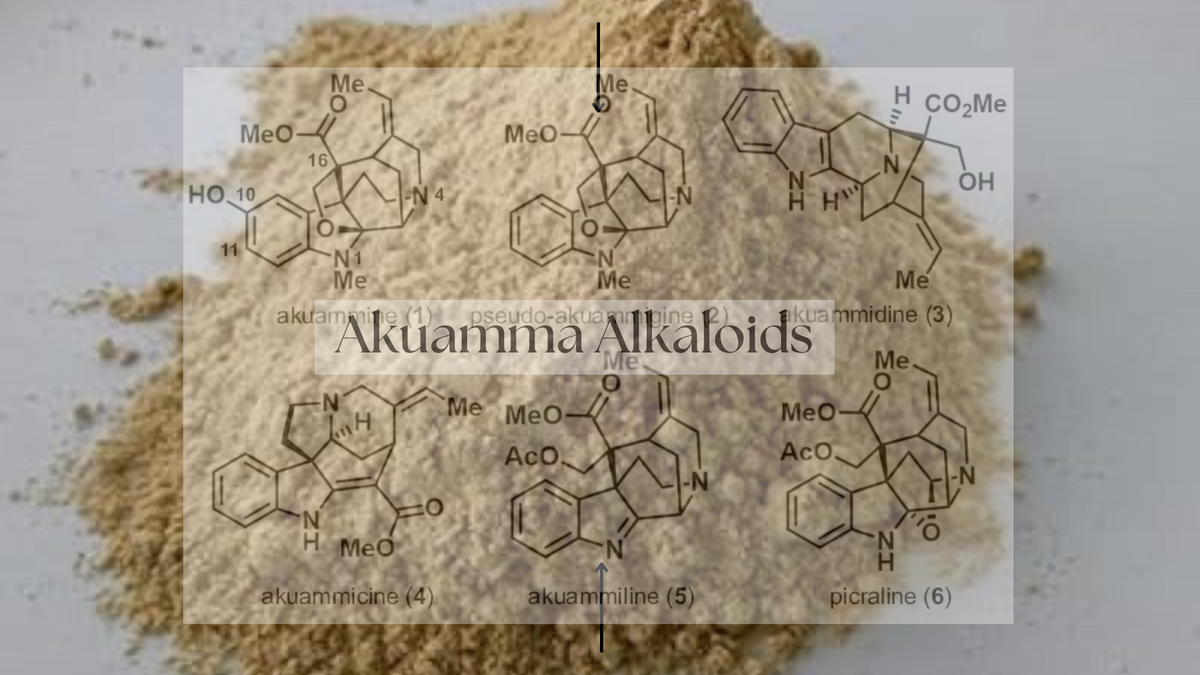
The Akuamma laboratory study discussed in our Akuamma research guide investigated isolated alkaloids. It did not test combinations with turmeric, ginger, ashwagandha, peppermint or Boswellia. It therefore cannot justify recommending those mixtures. Read the original alkaloid study.
Uncertainty is not evidence of safety
The National Center for Complementary and Integrative Health explains that some supplements can alter the effects of medicines and that interaction information is limited for many products. This is general guidance, not proof of a particular Akuamma interaction. Read NCCIH’s guidance on herbs and medicines.
A lack of documented problems does not establish that a mixture is safe. Nor does measuring ingredients carefully resolve unknown interactions. This guide does not provide combination recipes, dose schedules or a ranking of herbs to mix with Akuamma.
Prepare useful information for a professional review
If you are considering a combination, discuss it with a qualified healthcare professional or pharmacist. Bring the actual product labels and a list of medicines and supplements you use. Include the botanical names, plant parts, extract descriptions and ingredient lists, rather than relying only on brand names.
Ask whether evidence concerns the exact products together, which outcomes were measured and what remains uncertain. A study of a different extract or an isolated compound may answer a different question.
Keep laboratory reports in context
A certificate of analysis can describe tests on a submitted sample. It does not establish that combining that sample with another herb improves a health outcome or avoids an interaction. Our botanical lab-report guide explains how to check sample identity, units and testing scope.
Reviewed September 13, 2026. This article explains how to assess combination claims; it is not a systematic review of all possible Akuamma combinations.

Written by Herbal Healings

Leave a comment
This site is protected by hCaptcha and the hCaptcha Privacy Policy and Terms of Service apply.