Analgesic / Anodyne: Acts as a potent pain reliever by interacting directly with the body's opioid receptors, mirroring some mechanisms of classic opiates without identical risks of respiratory depression.
Skeletal Muscle Relaxant: Defuses physical tension, reducing severe muscle stiffness, cramping, and structural soreness.
Antipyretic: Helps lower high body temperatures and alleviate the body aches associated with fevers.
Antimicrobial & Antiplasmodial: Demonstrates documented traditional action against certain parasites, bacteria, and protozoa, specifically those linked to tropical fevers.
Akuammine: The primary and most abundant indole alkaloid found in the seeds. It is structurally related to yohimbine and mitragynine, acting as an agonist at mu-opioid receptors to drive the plant's core pain-relieving effects.
Pseudoakuammine: A secondary alkaloid that exhibits notable sympatholytic and local anesthetic activities, contributing to localized numbing and systemic relaxation.
Picraline & Akuammicine: Indole alkaloids that demonstrate significant anti-inflammatory and muscle-relaxing qualities.
Akuammidine: A component that shows a high binding affinity for opioid receptors, working synergistically with akuammine to modulate pain pathways.
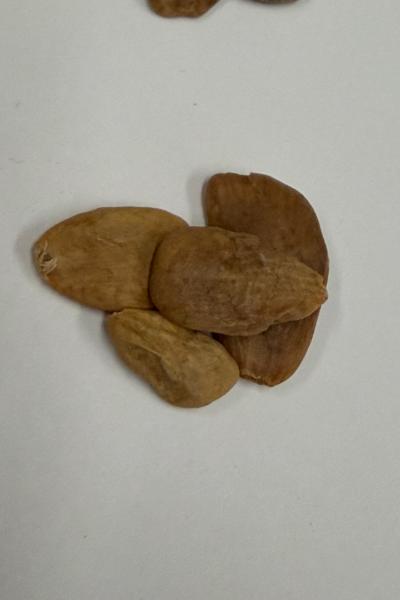
The seeds, which are extracted from the large, yellowish fruit of the tree. Due to their extreme, lingering bitterness, the dried seeds are rarely consumed raw or as a standard tea in modern applications; instead, they are traditionally finely powdered and encapsulated, or processed into highly concentrated alcohol-based tinctures.
Severe Bitterness & Nausea: The extreme bitterness of the raw seeds can easily trigger a strong gag reflex, nausea, or gastrointestinal upset if consumed without encapsulation.
Sedation & Drowsiness: Because it heavily calms the central nervous system, it can cause significant lethargy, slow reaction times, and mental heaviness; it should never be taken prior to driving or operating machinery.
Potential for Tolerance: Due to its direct interaction with opioid receptors, frequent or daily long-term use can potentially lead to a mild physical tolerance, meaning it is best utilized for acute pain or cycled responsibly.
Severe & Chronic Pain Relief: Widely relied upon to manage debilitating physical pain, including severe migraines, sciatic nerve pain, chronic backaches, and arthritic joint inflammation.
Malaria & Fever Suppression: Historically administered throughout West Africa to reduce high fevers, soothe the intense muscle aches caused by tropical infections, and help the body fight off systemic illness.
Gastrointestinal Spasms & Colic: Utilized in small doses to calm severe abdominal cramps, diarrhea, and spastic dysentery by relaxing the smooth muscles of the digestive tract.
Nervous Tension & Insomnia: Employed as a heavy night-time remedy to quiet an overstressed nervous system, alleviate physical restlessness, and encourage deep, restorative sleep.