Herbal Encyclopedia
All information on botanicals you can feel! Explore our comprehensive index of botanicals, documented origins, traditional uses, and scientific details of the plants featured in our shop Healing Herbals Store
Exploring Kanna? Start with our Kanna extract comparison guide and explanation of total alkaloid percentages, then browse the current Kanna collection.
How to use this encyclopedia
This page is the front door to everything we have written about the plants we grow, extract and sell. Each entry below is a full article. Some cover one plant from the ground up: where it comes from, how people have traditionally prepared it, which compounds it contains and what to look for on a label. Others answer one narrow question, like how long kava lasts or why amanita does not show up on a standard drug panel.
If you are new to a plant, start with the first link in its section and work down. The order runs from general to specific. If you already know the plant and want a preparation method, a comparison or a drug test article, skip straight to it.
We write from our own experience growing kanna in South Africa, running our extraction lab and testing every batch. Where the science is thin we say so. Nothing here is medical advice. It is a record of how these plants have been used, what we have learned handling them and what the published research does and does not support. Product links point to the current collection so you can see what is in stock.
Kanna (Sceletium tortuosum)
- History of Kanna
- What Does Kanna Feel Like?
- Mesembrine Alkaloid: The Key Psychoactive Compound in Kanna
- How to Choose the Right Kanna Extract: What the Percentages Really Mean
- How to Start Using Kanna Extract: A Beginner's Guide
- How to Use Kanna: Methods, Timing and Forms
- How to Consume Kanna Extract: 6 Methods
- How to Use Kanna Loose Leaf
- How to Prepare Sceletium
- How Much Kanna Extract Is Best for You
- Kanna vs Kratom: What's the Difference?
- Is Kanna Legal Anywhere? A Sceletium Travel Guide
- Kanna and Drug Tests
Shop: Kanna collection
Kava (Piper methysticum)
- Kava: Why Everyone's Talking About This Ancient Root
- How to Make Kava the Traditional Way (Strainer Bag Method)
- How to Use Instant Kava
- How Long Do the Effects of Kava Last?
- Kava for Sleep
- Kava and the Liver: A Deeper Look at the Myths
- Kava and Lab Work: The False Positive Nobody Warns You About
Shop: Kava collection
Blue Lotus (Nymphaea caerulea)
- What Species Is Blue Lotus?
- True Egyptian Blue Lotus vs What's Sold Online: The UC Berkeley Study
- Authentic Blue Lotus: How to Spot Substitutes
- How Is Blue Lotus Consumed?
- What Does Blue Lotus Tea Do?
- Is Blue Lotus Edible? Purposes, Ideas and Uses
- Using a Blue Lotus Vape
- The Legal Status of Blue Lotus
Shop: Blue Lotus collection
Amanita (Amanita muscaria)
- Why Everyone's Suddenly Talking About Amanita
- How to Prepare Amanita: Dry, Boil or Brew?
- Amanita Muscaria Tea: Why This Preparation Method Stands Out
- How to Take Amanita Muscaria Safely
- Amanita Muscaria Safety 101: Mistakes Newcomers Make
- Why Amanita Muscaria Is Invisible to Almost Every Drug Test
Shop: Amanita collection
Other herbs
- Wild Dagga: Traditional Use, Compounds and Forms
- Wild Dagga Is Not Cannabis
- Akuamma Is Not Built Like an Opiate
- Mad Honey: What You Should Know
- Mad Honey and Grayanotoxin
- African Dream Bean Powder
- Sakae Naa (Combretum quadrangulare)
- Cat's Claw and the Kratom Family Tree
- Jamaican Dogwood
- Kratom and Drug Tests
- Top Botanicals of 2026: 10 Plants Worth Knowing
- How to Read a Botanical Lab Report
Shop: All botanicals
More guides
Step by step preparation and measuring guides live in the Guide blog. New plant articles are added to this page as they are published.
Need help?
Herbal FAQ
Kanna
Kanna is Sceletium tortuosum, a low creeping succulent from the Karoo region of South Africa. The San and Khoikhoi peoples traditionally crushed and fermented the plant before chewing it. Its character comes from a family of related alkaloids: mesembrine, mesembrenone, delta-7-mesembrenone and mesembranol. The ratio between those four is what makes one preparation read differently from another.
The percentage is total alkaloid content by weight. MT5 BLOOM is specified at about 5 percent, GLOW MZQ at 5.5 percent, and MELLOW FS3 at 4.5 percent. Kanna is a plant, so each batch lands slightly differently and the figure is a specification rather than an exact number. The percentage alone does not tell you the profile; the split between mesembrine and mesembrenone does.
A standardized extract is specified to a stated total alkaloid percentage and a stated ratio between the alkaloids, so batches measure the same. Our MT5, MZQ and V3 powders work that way. A full spectrum preparation, such as the alcohol-free kanna tincture, carries the plant's whole alkaloid range in its natural proportion instead. Standardized is more repeatable; full spectrum is rounder.
Use a milligram scale. Most extracts ship with a two-sided orange scoop. The larger end holds roughly 15 mg and the smaller end roughly 5 mg, so one gram of extract works out to somewhere between 40 and 70 scoops. Weigh your own scoop once so you know what it actually holds, since packed powder and loose powder differ.
Other botanicals
Blue lotus is Nymphaea caerulea, a water lily rather than a true lotus, native to the Nile and the slow rivers of East Africa. Ancient Egypt held it sacred and steeped it in wine. The petals and stamens carry the alkaloids nuciferine and aporphine alongside flavonoids and aromatics. Sri Lankan growers often list the same blue water lily as Nymphaea nouchali.
Kava is Piper methysticum, a pepper family plant grown for its root across Vanuatu, Fiji and Tonga. We carry micronized powder at 6.73 percent kavalactones, which stirs straight into liquid with no strainer bag, instant kava at 6.62 percent, and Vanuatu medium grind for the traditional strain and knead bowl. All three are whole root, not concentrated.
Start with 1 to 3 grams of micronized powder stirred into water or juice, away from meals, then wait 30 to 45 minutes. Regular users typically settle between 10 and 15 grams, taken one to three times a day. Kava has a reverse tolerance, so the first few sessions often read milder than later ones. Work up in small steps.
Quality, safety and ordering
Our kanna is routinely tested for quality and lab reports are available on request. Micronized kava is laboratory tested with no fillers, and the blue lotus vape is third party tested. We do not operate a laboratory ourselves. For wholesale and white label clients we arrange third party analysis through our partner labs, Phytox and G4 Analytics.
Do not combine kanna with SSRIs, SNRIs, MAOIs or any other serotonergic medication, a group that includes triptans, tramadol and St. John's Wort, because of the risk of serotonin syndrome. Do not use kanna with alcohol. Kava should not be combined with alcohol or with sedative or benzodiazepine medications. Ask your healthcare provider before use if you take anything at all.
Yes. These botanicals are sold to adults 21 and over only, and everything should be kept out of reach of children and pets. The gummies matter most here, since they look and taste like candy. Do not use these products during pregnancy or nursing, and do not drive until you know how something affects you.
Keep extract powders sealed in a cool, dry, dark place with the desiccant left in the jar. Mannitol draws moisture, and clumped powder is hard to scoop accurately. Store dried blue lotus flower airtight away from light, heat and humidity, where it holds color and aroma for a year or more. Glycerin tinctures keep capped and upright without refrigeration.
We ship with USPS and we ship internationally. Orders are fulfilled Monday through Friday, with an average fulfillment time of 1 to 3 days, and packages average 1 to 5 business days in transit. You receive tracking once the label is created. These figures are averages based on order history, not guarantees, and carrier delays do happen.
Common questions
benefits of kanna extract?
Many people report feeling energetic, focused, or relaxed. Kanna extract effects can vary widely, ranging from calm to euphoric.
what is the best kanna extract?
This can depend on your mood! Some extracts, like MZQ can be more energizing, while others like V3 are reportedly more calming. It is always important to pick a reputable dealer for kanna extract to ensure authentic product.
How much kanna extract should i take?
Reputable Kanna extract can be quite strong! We recommend starting at 15mg. Most vendors sell the extract with a two-sized orange spoon. The larger end holds approximately 15mg, the smaller about 5mg — meaning 1g (1000mg) of extract can be anywhere from 40 to 70 doses.
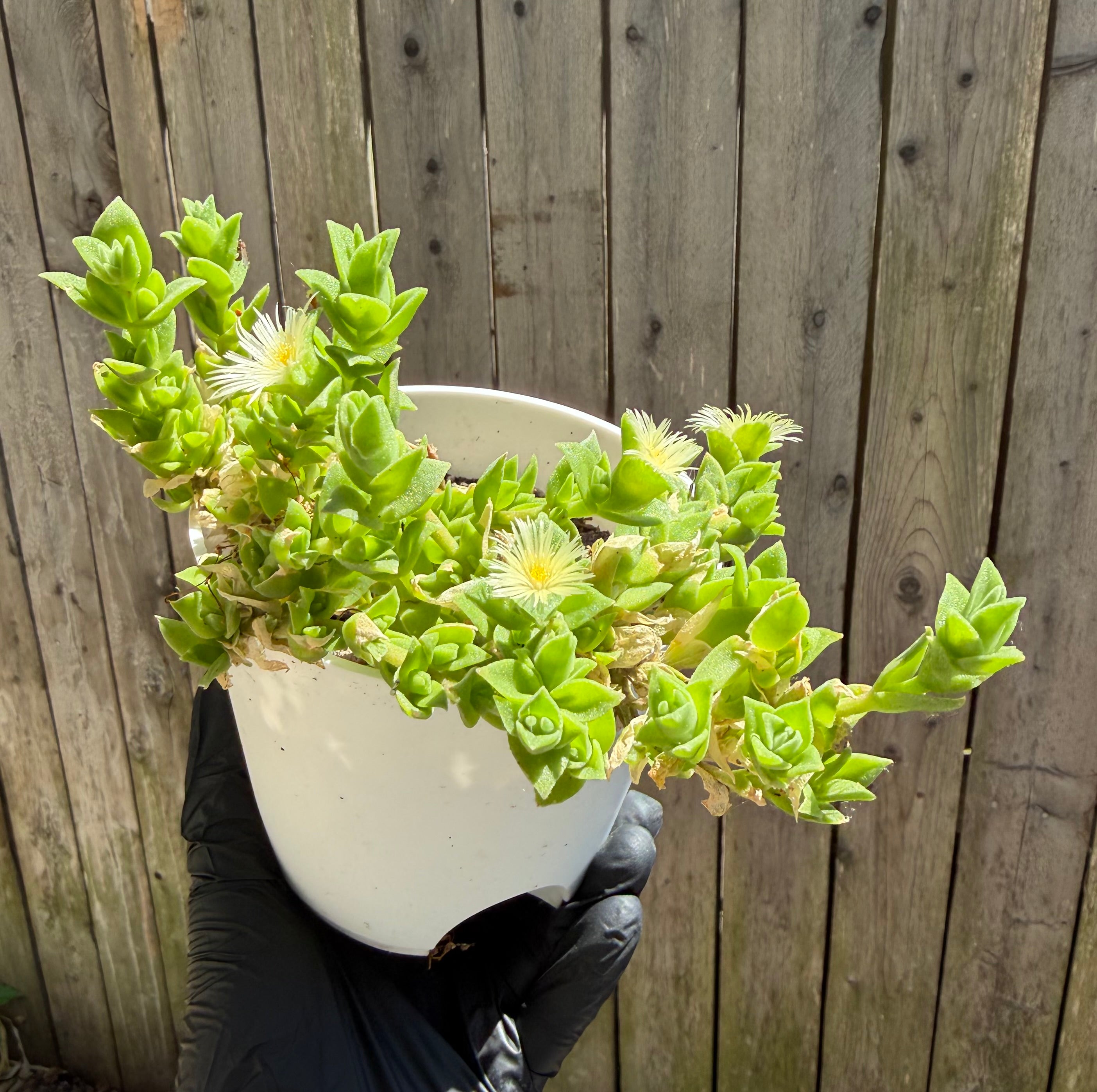
herb of the month
kanna plant
We want to spotlight our most exciting botanical addition.
Kanna (Sceletium tortuosum) is a premier South African succulent highly regarded in holistic wellness for its fast-acting, mood-enhancing properties. Historically chewed or brewed by indigenous communities to alleviate stress and fatigue, this powerful botanical is rapidly gaining global traction in the modern natural supplement market. Current scientific interest focuses on its unique, standardized alkaloid profiles—specifically mesembrine and mesembrenone—which interact with the central nervous system to support emotional balance, promote relaxation, and optimize overall cognitive function.
More Questions
How to take kanna extract
Kanna extract mixes perfectly with just about any drink! Just scoop a small amount into your drink of choice, or place it directly in your mouth followed by a sip of something delicious.
what is kanna extract?
Kanna extract is a high potency, standardized extract made from the Kanna plant (Sceletium tortuosum). The extract contains isolated alkaloids, ensuring a consistent experience every time!
Does kanna have side effects?
Kanna is relatively safe and offers profound benefits, however it is not advised to consume Kanna if also taking medications like SSRIs or MAOIs, or any other drugs that act on the serotonin receptor.
Featured product


Sold out right now. Closest in stock: High Mesembrine Kanna Extract Powder Glow MZQ 5.5% Standardized Extract
Kanna Extract Powder 10% Active Alkaloids
Made from Sceletium tortuosum also known as Kanna or Kougoed. This Kanna Extract (10% Active Alkaloids)
This extract contains around 10% total active alkaloids depending on the batch, with mesembrine as the primary constituent. A custom measuring spoon (5mg and 15mg) is included for convenience and accurate dosing.
Key Features:
-
Standardized to roughly 10% active alkaloids (roughly 80% mesembrine)
-
Crafted for consistency and reliability
-
High-strength extract in a convenient format
- Includes 5mg/15mg measuring spoon for precise use
Additional Details:
Botanical Name: Sceletium tortuosum
Active Alkaloid Content: 10% by weight
-
Mesembrine: 80%
-
Mesembrenone: 10%
- Delta-7-Mesembrenone: 10%
Suggested Use: Begin with a small portion (5–15mg). Adjust as needed.
FDA Disclaimer: These statements have not been evaluated by the Food and Drug Administration. This product is not intended to diagnose, treat, cure, or prevent any disease.
At a glance
- Roughly 10% total active alkaloids by weight
- Strongly mesembrine-dominant, around 80% of the alkaloid fraction
- Serving 5 to 15 mg, with a dual 5mg/15mg spoon included
- Steps up from our 4.5% and 5.5% powders, below IGNITE 17% and the 20% extract
- Not a beginner extract
- Adults 21 and over
Where it sits in the range. This is the middle rung of our high-potency ladder. Below it are the everyday powders, MELLOW FS3 at 4.5% and GLOW MZQ at 5.5%. Above it are IGNITE 17%, 20% and 24%. At 10% a scoop that would be ordinary for a 5% powder is already well past where you want to be, so re-measure rather than reusing habit. The full lineup is in Kanna Powder Extracts & Resins.
Alkaloid profile.
- Mesembrine, around 80%: the bright, lifted, sociable lead, and the dominant character here
- Mesembrenone, around 10%: calmer and more body-focused
- Delta-7-mesembrenone, around 10%: the quieter, settling end of the profile
Use methods.
- Sublingual: under the tongue until it dissolves, then swallow. Fastest and cleanest.
- In a drink: stir into a warm beverage for a slower, smoother arrival.
- Capsule: convenient, slowest onset.
Regular use. Once you know your response, stay at that spoon level. Tolerance builds with daily use, and a short break restores your response better than a larger portion. Wait for a serving to peak and fade before considering more.
Interactions and cautions.
- Do not combine with SSRIs, SNRIs, MAOIs or other serotonergic medications, including triptans, tramadol and St. John's Wort, because of the risk of serotonin syndrome
- Do not use with alcohol
- Not for use during pregnancy or nursing, or by anyone with a heart condition
- For adults 21 and over; keep out of reach of children, since a small spill is a lot of alkaloid
Storage. Sealed, cool, dry and dark. Extract powder draws moisture from the air and clumped powder is harder to measure accurately.
Common questions
- Why does the percentage say roughly? Kanna is a plant and batches land slightly differently. We state the figure the batch is built around rather than an exact number.
- Is this a beginner extract? No. At 10% the margin between a small serving and too much is narrow. Start with a lower-percentage powder if kanna is new to you.
- How does it compare to IGNITE 17%? IGNITE 17% is about 1.7x as concentrated, so its servings are smaller again. This one is the step before it.
- What does the included spoon measure? It is a dual-ended 5mg and 15mg spoon, which matches the suggested range on the label.
Disclaimer. These statements have not been evaluated by the Food and Drug Administration. This product is not intended to diagnose, treat, cure, or prevent any disease. Kanna is a traditional botanical, and traditional use does not establish that it will produce any particular result. Consult your healthcare provider before use if you take any medication or have a medical condition. Use at your own risk and keep out of reach of children. For adults 21 and over. Formulated by Healing Herbals, run by a practicing herbalist of 13+ years.