Skeletal Muscle Relaxant: Rapidly diffuses somatic tension, relieving stubborn knots, spasms, and structural tightness.
Nervine Sedative & Anxiolytic: Quiets an overactive central nervous system, effectively lowering acute anxiety, panic states, and restless circular thoughts.
Mild Analgesic: Subdues physical discomfort, particularly pain stemming from muscular strain, nerve compression, or structural stress.
Tranquilizer / Hypnotic: Promotes deep, uninterrupted rest when administered in higher doses by shifting the body into a parasympathetic state.
Iridoid Glycosides: Includes significant concentrations of aucubin, which exhibits noted anti-inflammatory, neuroprotective, and bitter properties.
Alkaloids: Contains unique, uncharacterized nitrogenous plant compounds that directly interact with central nervous system receptors to induce sedation and muscle relaxation.
Flavonoids & Tannins: Provides a structural matrix of polyphenols that offer localized astringency and cellular protection against oxidative stress.
Host-Derived Compounds: Due to its parasitic nature, it can bioaccumulate specific secondary metabolites (such as quinolizidine alkaloids) from its host plants, which heavily influences its overall chemical potency.
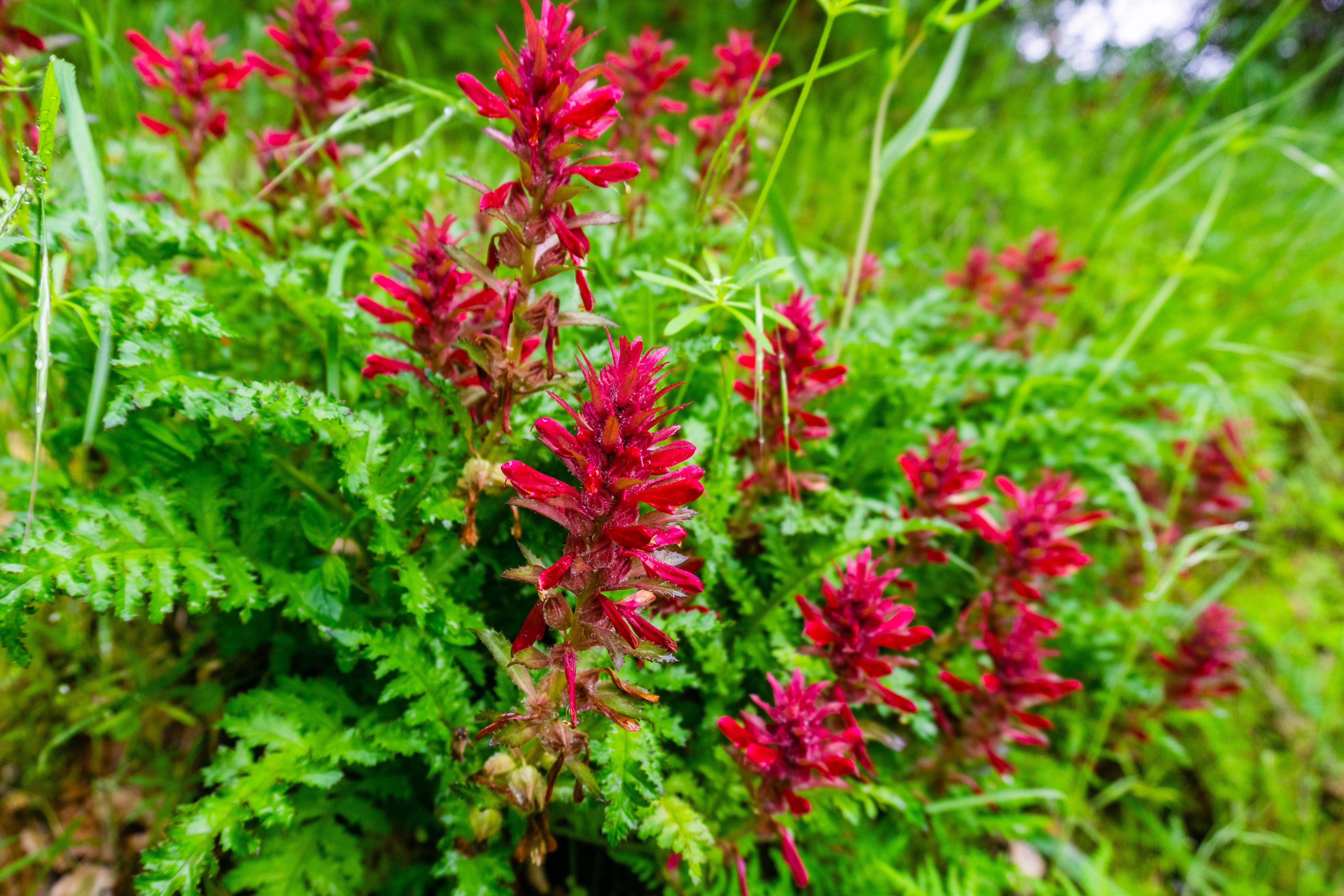
The flowering buds and spikes are considered the most potent and highly prized portion of the plant, containing the highest concentration of active relaxant compounds. The leaves are also collected and offer a slightly milder, more balanced sedative profile. The roots are rarely used in modern herbalism to protect wild populations.
Motor Impairment & Lethargy: Can cause significant drowsiness, loss of fine motor coordination, and a heavy, deeply relaxed physical sensation; it should never be used before driving or operating heavy machinery.
Wildcrafting Hazards: Because it absorbs systemic elements from its hosts, harvesting Indian warrior growing near toxic plants or in polluted soils can result in a toxic final product; sustainable, pristine sourcing is mandatory.
Habituation: Due to its distinct tranquilizing effects, it should be reserved for acute situations or cycled responsibly rather than consumed continuously for extended periods.
Acute Musculoskeletal Relief: Extensively relied upon to treat severe back pain, neck stiffness, lockjaw, sciatica, and debilitating muscle spasms brought on by injury or intense physical labor.
Nervous Exhaustion & Panic: Administered to individuals locked in a chronic "fight-or-flight" response, helping to break the cycle of high anxiety, severe stress, and somatic tension.
Deep Sleep Induction: Employed as a bedtime remedy for stubborn insomnia, particularly when a person is too physically tense, restless, or sore to settle into deep sleep.
Smoking Blends & Ritual: The dried flower buds have a long history of being integrated into traditional herbal smoking mixtures, prized for their smooth smoke, pleasant taste, and rapid ability to induce physical ease and mental tranquility.