Adaptogen: Helps the body resist physical, chemical, and biological stressors.
Aphrodisiac / Libido Enhancer: Promotes sexual desire and reproductive health without directly altering testosterone or estrogen levels.
Nutritive Tonic: Provides an abundant source of essential vitamins, minerals, and amino acids to combat systemic fatigue.
Endocrine Regulator: Supports overall hormonal balance by nourishing the hypothalamus and pituitary glands.
Macamides and Macaenes: Unique lipid-derived compounds unique to this plant that are directly linked to its energy-boosting and libido-enhancing properties.
Glucosinolates: Sulfur-containing compounds that contribute to its distinct, pungent flavor and provide cellular protection.
Alkaloids (Macaridine): Plant chemicals that act on the central nervous system to help regulate energy levels.
Nutrient Profile: Rich in essential fatty acids, amino acids (such as arginine and glutamic acid), minerals (calcium, potassium, iron, and iodine), and vitamins B1, B2, and C.
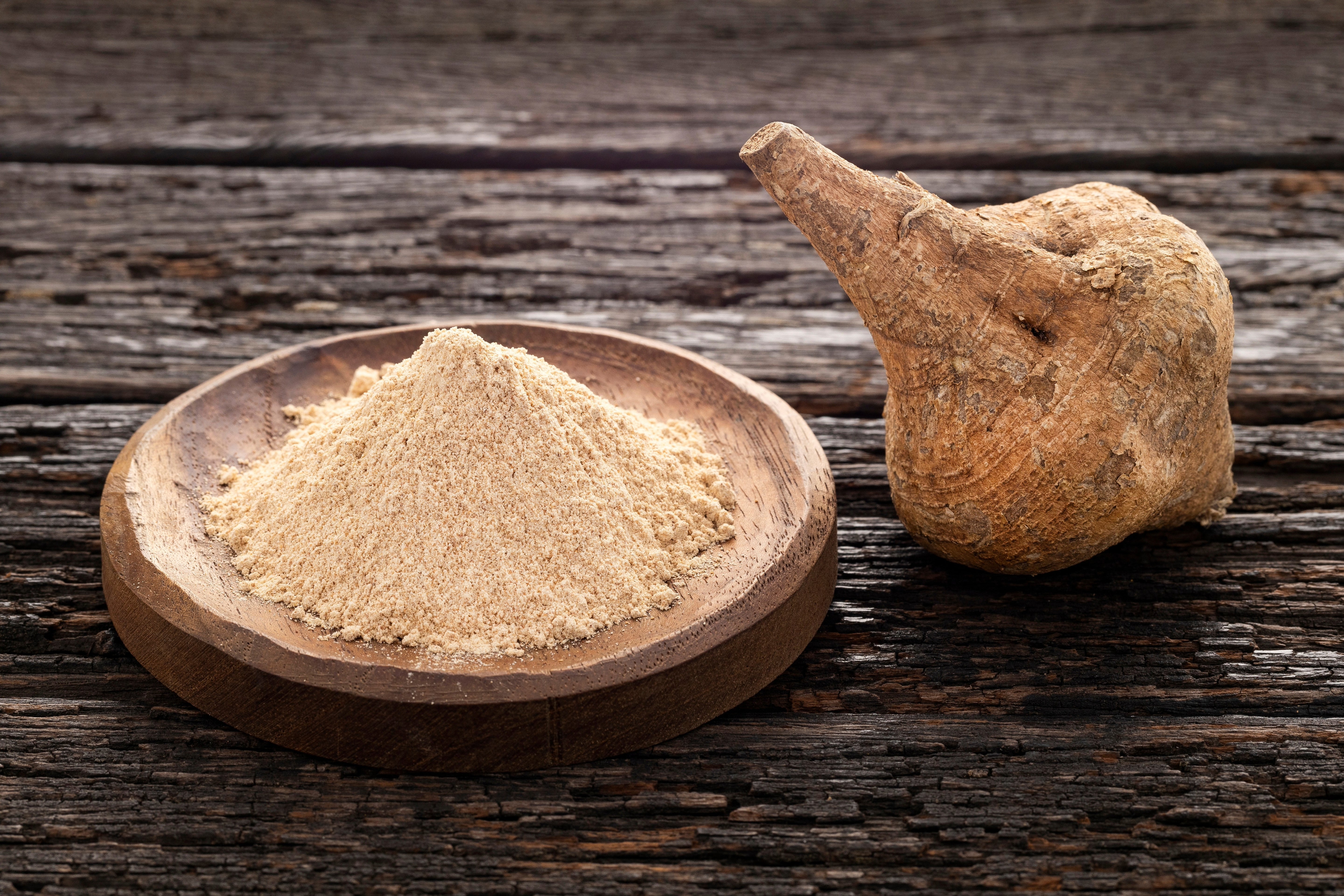
The dried, fleshy hypocotyl (the swollen root-like stem portion located just below the leaves). It is traditionally dried in the sun, then either boiled as a whole food, ground into a fine powder, or gelatinized to remove starches for easier digestion.
Thyroid Sensitivities: Because it belongs to the Brassicaceae (cruciferous) family, raw maca contains goitrogens, which can interfere with thyroid hormone production if consumed in excessive amounts; individuals with thyroid conditions should consume it cooked or gelatinized.
Hormone-Sensitive Conditions: While it doesn’t contain hormones, its ability to influence endocrine pathways means individuals with conditions like breast cancer, uterine fibroids, or endometriosis should use it with caution.
Insomnia: Due to its stimulating, energy-enhancing effects, it is best consumed earlier in the day to avoid disrupting sleep cycles.
- Stamina & Performance: Extensively used as a natural tonic to alleviate chronic fatigue, restore vitality, and enhance physical endurance for athletes and those working in grueling physical environments.
- Fertility & Libido: Traditionally utilized to treat sexual dysfunction, improve erectile function, increase sperm count and motility in men, and enhance sexual desire in both men and women.
- Menopause & Hormonal Balance: Prescribed to mitigate the uncomfortable symptoms of menopause and perimenopause, including hot flashes, night sweats, mood swings, and vaginal dryness.
Cognitive Support: Employed in native Peruvian medicine to improve memory, sharpen mental focus, and lift low mood or mild depression stemming from exhaustion.