
Skip to content

Cart

Your cart is empty

Saffron (Crocus Sativus)
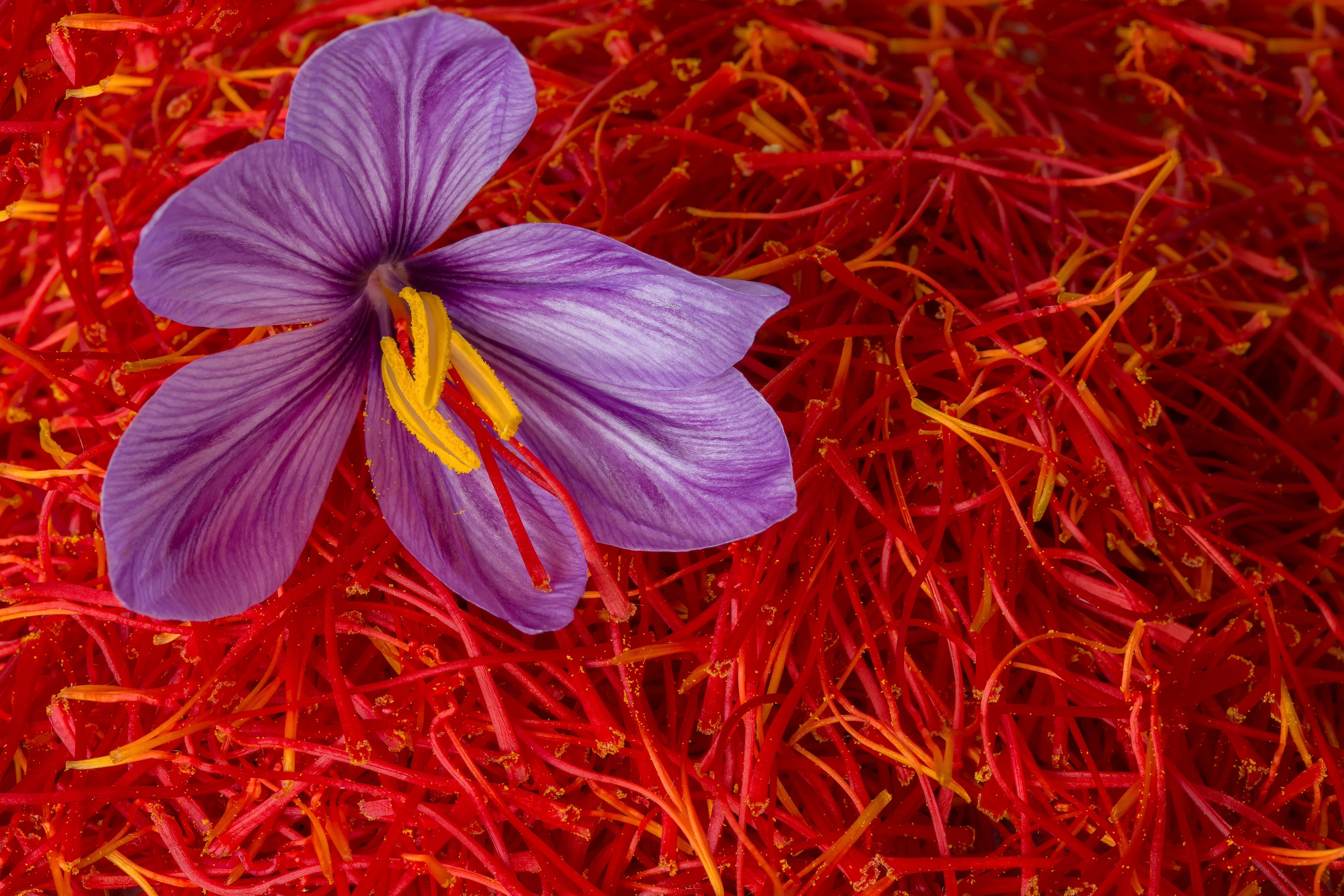
Cultivated for over 3,500 years across the Mediterranean and Middle East, saffron originated in Greece or Persia (modern-day Iran) and was famously used in ancient Egyptian medicine, Minoan fresco art, and royal Roman baths as a luxury symbol of wealth and vitality.

Antidepressant, nervine, antioxidant, aphrodisiac, circulatory stimulant, and carminative.

Crocin (gives the golden-yellow color), picrocrocin (responsible for the bitter flavor), and safranal (provides the distinct aroma).

The dried, thread-like stigmas of the flower (though the petals also contain active therapeutic properties).

Avoid in medicinal doses during pregnancy as it can stimulate uterine contractions; high doses (5g+) are toxic, and it can interact with blood pressure, diabetes, and sedative medications.

Historically used to lift the spirits and treat melancholy, ease digestive upsets, soothe menstrual pain and PMS, stimulate libido, and serve as a warming circulatory tonic to bring out viral rashes like measles.

Groundbreaking herbal

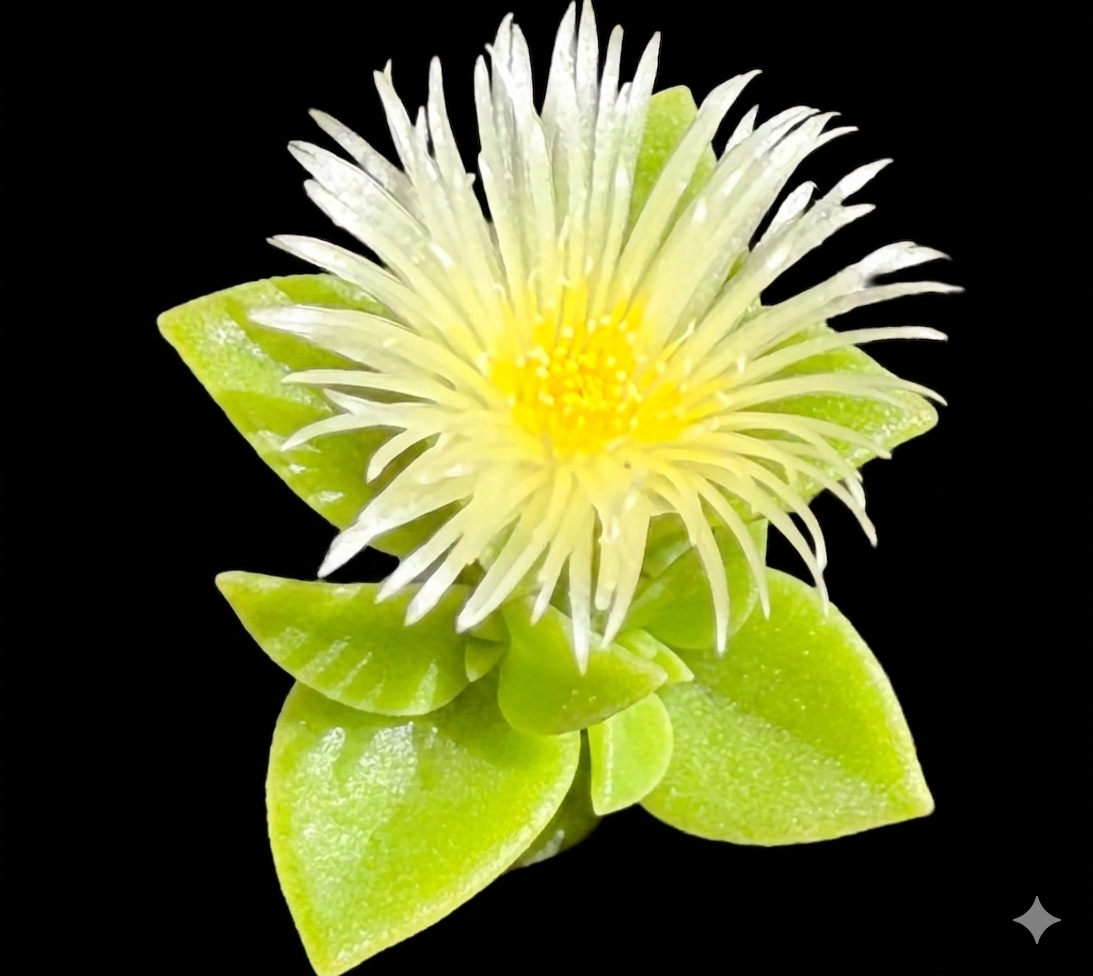
Kanna Plant

Our freatured plant is a powerhouse succulent plant native to South Africa that has been utilized for centuries by indigenous communities for its profound mood-enhancing and stress-relieving properties. Kanna (Sceletium Tortuosum) is traditionally chewed, brewed into teas, or smoked, it serves as a central element in historical wellness practices to alleviate fatigue and promote social cohesion. Modern interest centers heavily on its unique, standardized alkaloid profiles—such as mesembrine and mesembrenone—which interact with the central nervous system to support emotional balance and cognitive function.