
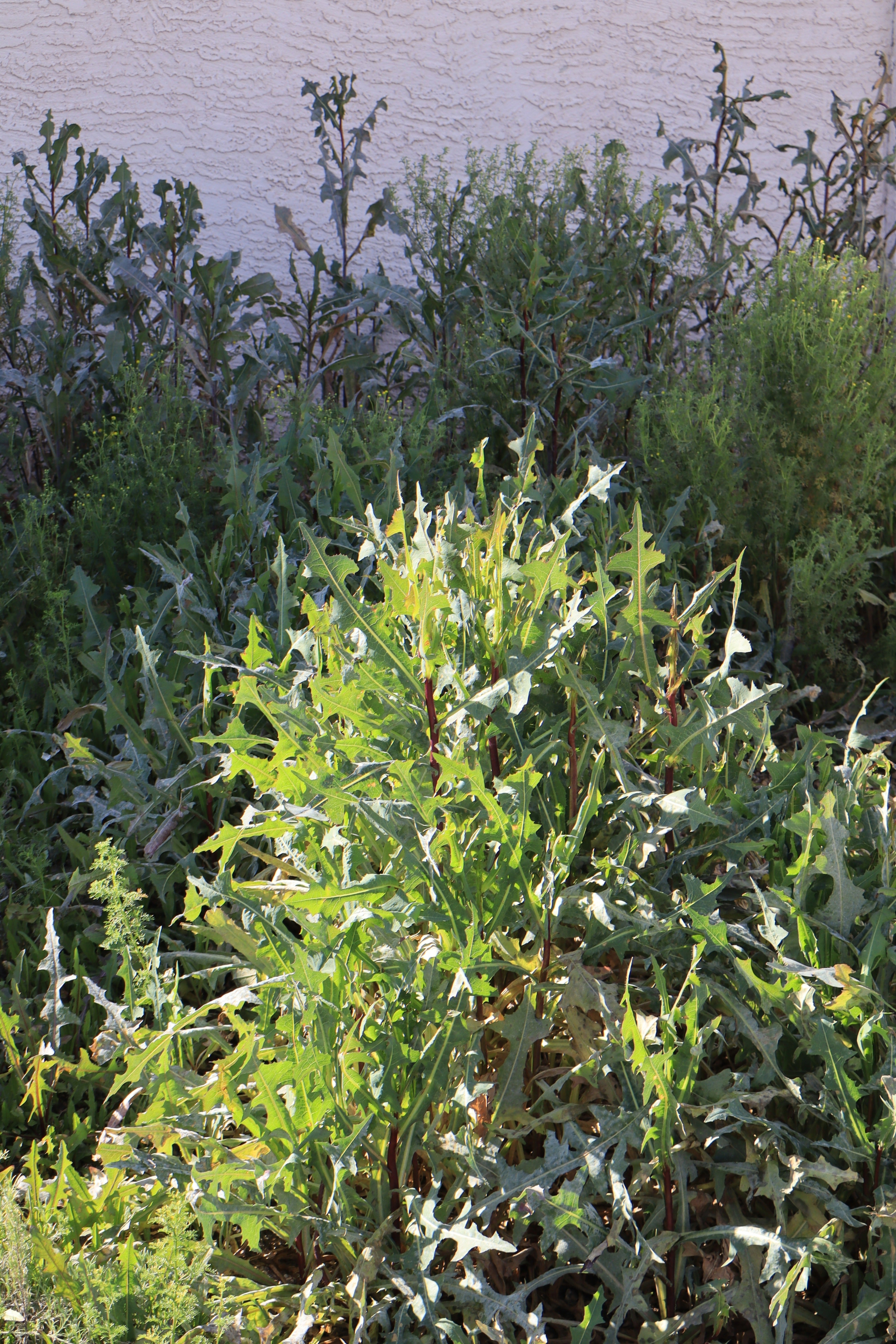
Wild Lettuce (Lactuca Virosa)
Groundbreaking herbal
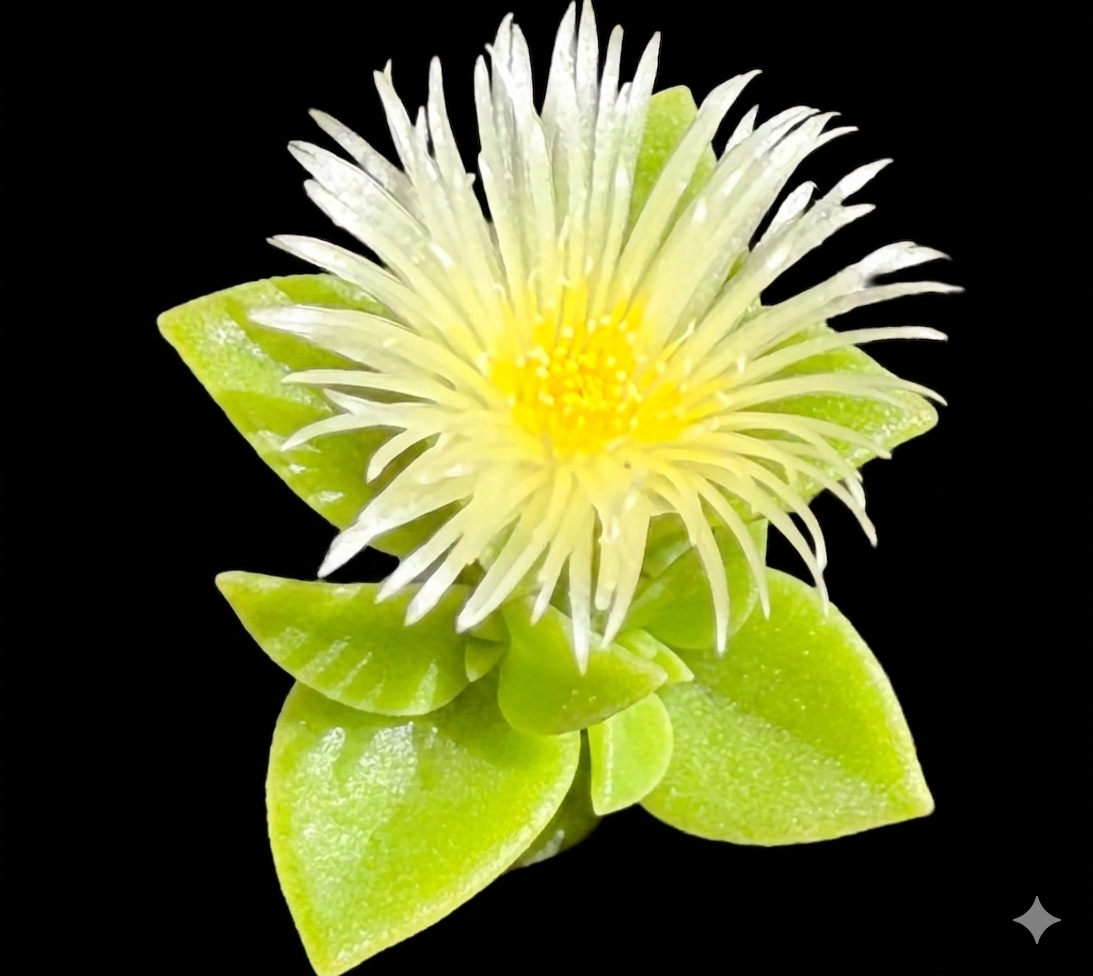
Kanna Plant
Our freatured plant is a powerhouse succulent plant native to South Africa that has been utilized for centuries by indigenous communities for its profound mood-enhancing and stress-relieving properties. Kanna (Sceletium Tortuosum) is traditionally chewed, brewed into teas, or smoked, it serves as a central element in historical wellness practices to alleviate fatigue and promote social cohesion. Modern interest centers heavily on its unique, standardized alkaloid profiles—such as mesembrine and mesembrenone—which interact with the central nervous system to support emotional balance and cognitive function.
Featured product
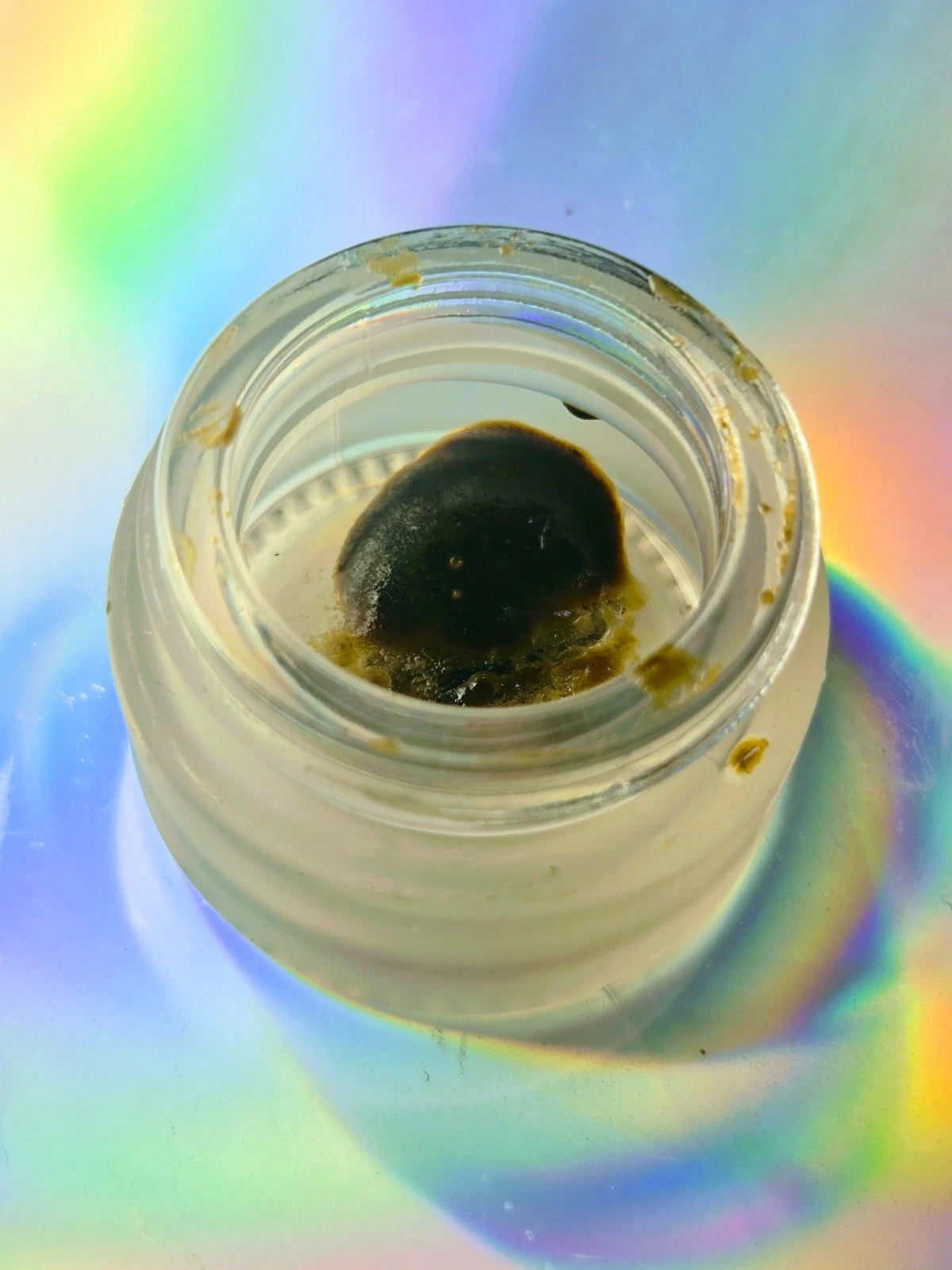
Wild Lettuce Extract Resin, derived from the leaves of the Lactuca virosa plant, is a concentrated resinous extract containing lactucin and lactucopicrin, the signature compounds this plant is known for. A long-standing botanical of traditional herbal practice, this resin offers a potent, concentrated format. Available in resin form for versatile use, it’s suitable for those exploring herbal supplements. Consult a healthcare provider before use, especially if pregnant, nursing, on sedatives, or preparing for surgery, due to possible side effects like drowsiness or allergic reactions.
FDA Disclaimer: These statements have not been evaluated by the Food and Drug Administration. This product is not intended to diagnose, treat, cure, or prevent any disease.
At a glance
- Concentrated resin from Lactuca virosa leaf
- Carries lactucin and lactucopicrin, the plant's signature compounds
- Resin format, so it holds together rather than flowing as a powder
- Traditionally an evening herb
- Very bitter, which is characteristic of the plant
- Adults 21 and over
The plant. Lactuca virosa is a tall wild relative of garden lettuce, found across Europe and naturalised widely elsewhere. Cut the stem and it bleeds a milky white sap that dries to a brown gum. That dried sap is where the name lactucarium comes from, and it is what nineteenth century apothecaries collected and pressed into cakes. This resin is the modern version of the same material.
The signature compounds.
- Lactucin: a sesquiterpene lactone, one of the two compounds the plant is characterised by
- Lactucopicrin: the other, and the source of much of the bitterness
- Related lactones: present alongside them in the whole-plant profile
Resin or leaf. Loose wild lettuce leaf is bulky and mild and needs a long steep. A resin is the concentrated sap, so the quantity drops sharply and it dissolves into a hot drink without brewing. The trade-off is that a resin is stickier to portion and far easier to overdo, so start well below what you would use in leaf.
Use methods.
- In warm tea: a small amount stirred into a hot cup until it dissolves. Honey covers the bitterness well.
- Sublingual: under the tongue, held until it softens. Fastest, and very bitter.
- In a capsule: the way round the taste entirely, with a slower arrival.
Handling a resin. Warm it slightly before working with it. Cold resin tears rather than cutting cleanly. A dab tool, toothpick or warmed knife tip works better than a spoon.
Cautions.
- Consult a healthcare provider before use, especially if pregnant, nursing, taking sedatives, or preparing for surgery
- Possible side effects include drowsiness and allergic reactions
- Do not use with alcohol
- Do not drive or operate machinery until you know how it affects you
- For adults 21 and over; keep out of reach of children
Storage. Sealed, cool and dark. Resin softens in a warm room and firms in the fridge, and either is fine. Light is what degrades it over time.
Related products. For the loose herb see Organic Wild Lettuce Loose Leaf Tea, for a liquid see the alcohol-free wild lettuce tincture, and there is also a wild lettuce extract and a wild lettuce x dagga pre-roll. Everything loose is in Loose Leaf Botanicals.
Common questions
- What is lactucarium? The dried milky sap of wild lettuce, collected historically by scoring the stem. This resin is a concentrate of that same material.
- Why is it so bitter? Lactucopicrin. The bitterness is characteristic of the plant, not a fault in the batch.
- How does the resin compare to the loose leaf? Much more concentrated. Start well below what you would use in leaf.
- How do I portion something sticky? Warm it slightly and use a dab tool or toothpick rather than a spoon.
- Is it related to garden lettuce? Yes, Lactuca virosa is a wild relative of the salad plant, but it is a different species with a different chemistry.
Disclaimer. These statements have not been evaluated by the Food and Drug Administration. This product is not intended to diagnose, treat, cure, or prevent any disease. Wild lettuce is a traditional botanical, and traditional use does not establish that it will produce any particular result. Consult your healthcare provider before use if you take any medication or have a medical condition. Use at your own risk and keep out of reach of children. For adults 21 and over.