
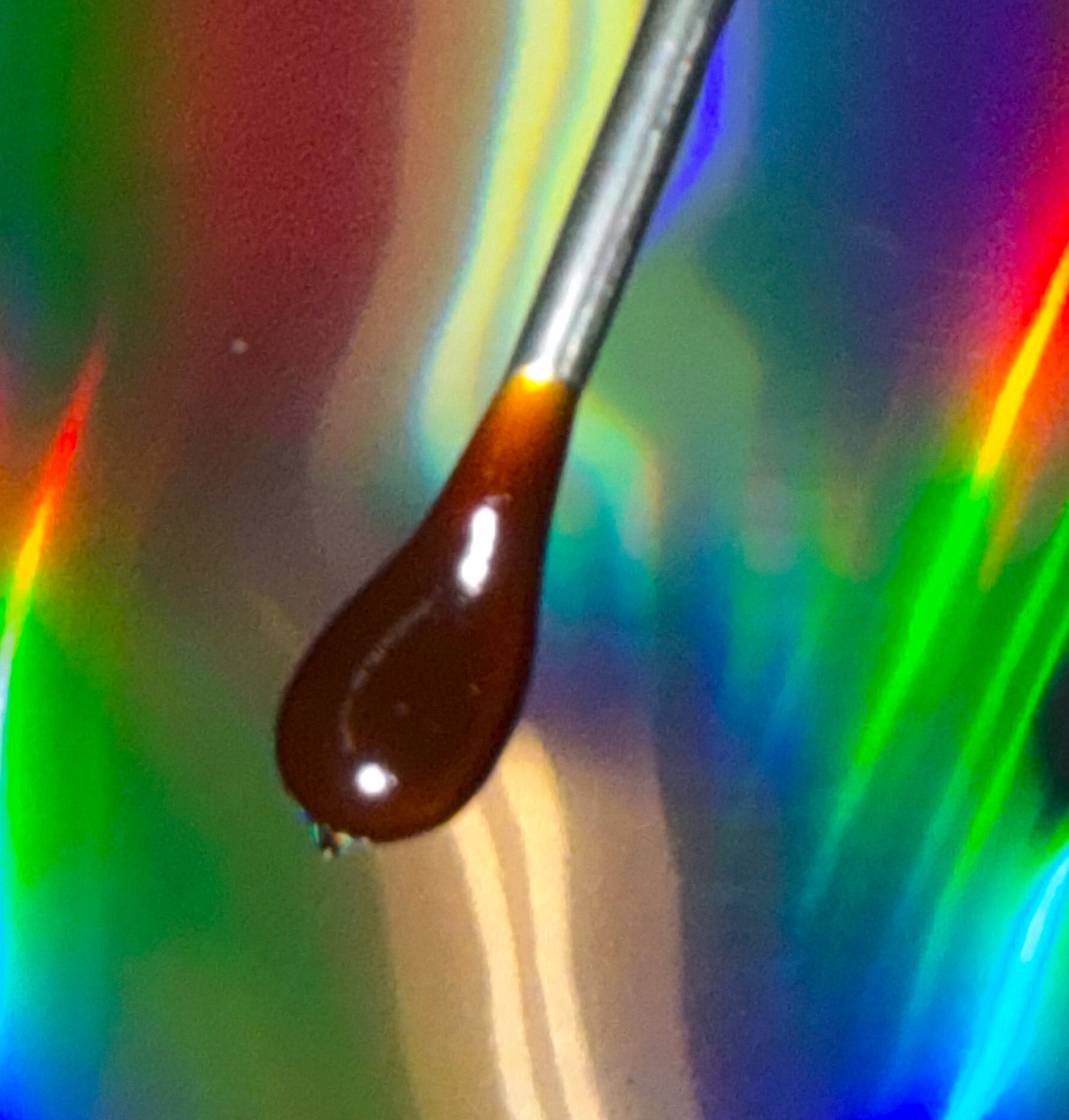
Maca Extract (Lepidium Meyenii)
Maca Root Extract Resin
Maca Root, derived from Lepidium meyenii, is a traditional hypocotyl (tuberous root) native to the high-altitude alpine regions of the Peruvian Andes. This extract resin is produced by concentrating the plant’s natural compounds into a dense resin form for ease of use and consistency.
It offers a more concentrated alternative to traditional root decoctions and slow-cooked preparations while preserving the plant’s naturally occurring phytochemical profile.
About This Extract
Maca has traditionally been naturally sun-dried and then long-simmered or boiled into a dense, sweet liquid or porridge. This resin is created by extracting Lepidium meyenii plant material and reducing it into a concentrated form.
Because it is derived from whole plant material, natural variation in color, texture, and aroma may occur between batches.
Chemistry
Lepidium meyenii naturally contains a range of unique secondary metabolites and plant compounds, including:
-
Macamides: Distinct lipid amides unique to this species
-
Macaenes: Polyunsaturated fatty acids that serve as structural precursors to macamides
-
Glucosinolates: Sulfur-containing glycosides, predominantly glucotropaeolin
-
Alkaloids: Imidazole alkaloids including macaridine and lepidilines
-
Plant Sterols: Phytosterols including beta-sitosterol, campesterol, and stigmasterol
-
Other naturally occurring secondary metabolites
These compounds are part of the plant’s natural chemical profile and vary depending on geography, ecotype (yellow, red, or black morphotypes), harvest conditions, and extraction method.
Suggested Use
Because this is a concentrated resin, only a small amount is typically needed.
First-Time Users
-
Start with approximately 100–200 mg
-
Mix into warm water, tea, or liquid if desired
-
Adjust slowly based on individual response
Experienced Users
-
Adjust gradually as needed
-
Avoid increasing serving size too quickly due to concentration
Frequently Asked Questions
How is Maca Root traditionally prepared?
Traditionally, the root is always cooked. Indigenous Andean populations dry the freshly harvested hypocotyls in the sun, then boil or simmer them in water to produce a dense liquid, or mash them into a thick porridge known as mazamorra.
What makes this a resin extract?
This form is produced by concentrating an extract of Lepidium meyenii into a dense resin, offering a more compact alternative to raw or gelatinized root powder.
How does this differ from raw root powder?
Raw root powder contains a high percentage of dense starches and tough fibrous material that can be difficult to digest and requires larger serving sizes. The resin is highly concentrated, removes these bulky starches, and requires much smaller amounts per serving.
Storage
Store tightly sealed in a cool, dry place away from direct sunlight.
Resin consistency may naturally change with temperature. If firm, allow it to warm gently before handling.
Disclaimer
This product is not intended to diagnose, treat, cure, or prevent any disease. These statements have not been evaluated by the U.S. Food and Drug Administration (FDA).
Consult a qualified healthcare provider before use if you are pregnant, nursing, taking medications, or have a medical condition.
Keep out of reach of children. Store in a cool, dry place.
Choose options