Kanna (Sceletium Tortuosum)
Groundbreaking herbal
Kanna Plant
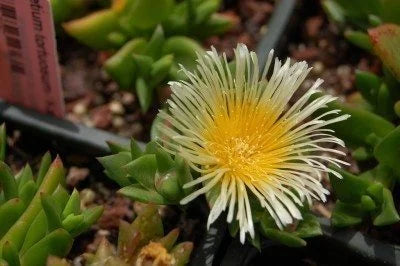
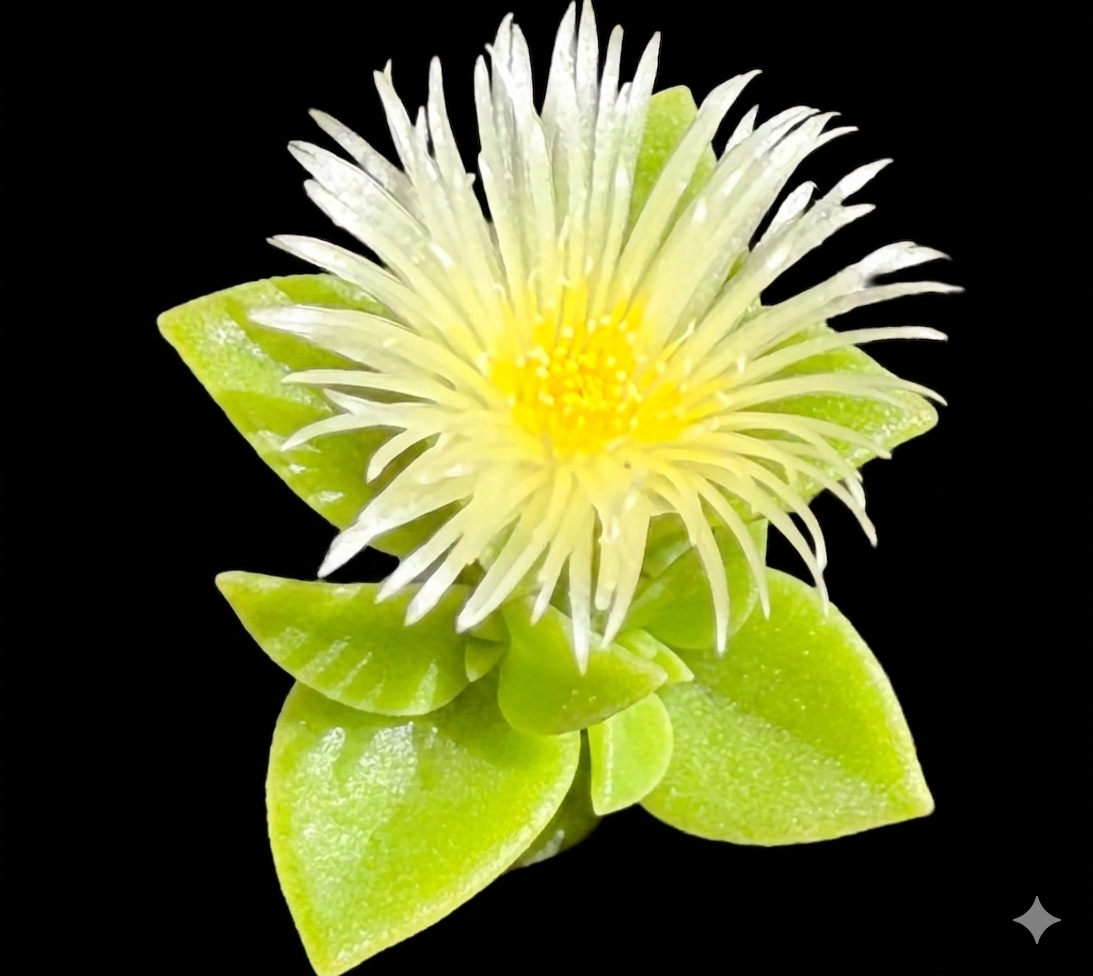
Our freatured plant is a powerhouse succulent plant native to South Africa that has been utilized for centuries by indigenous communities for its profound mood-enhancing and stress-relieving properties. Kanna (Sceletium Tortuosum) is traditionally chewed, brewed into teas, or smoked, it serves as a central element in historical wellness practices to alleviate fatigue and promote social cohesion. Modern interest centers heavily on its unique, standardized alkaloid profiles—such as mesembrine and mesembrenone—which interact with the central nervous system to support emotional balance and cognitive function.
Featured product
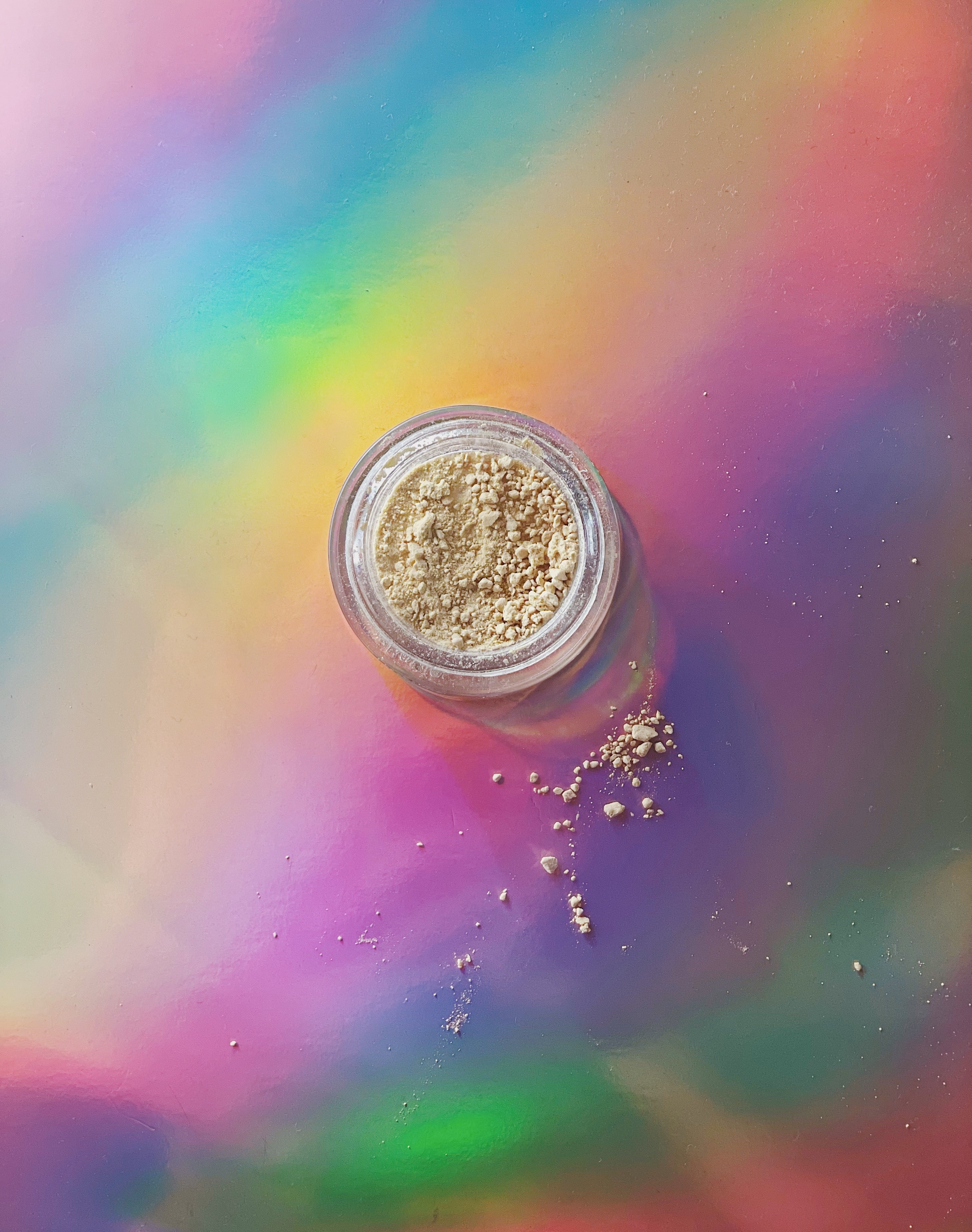
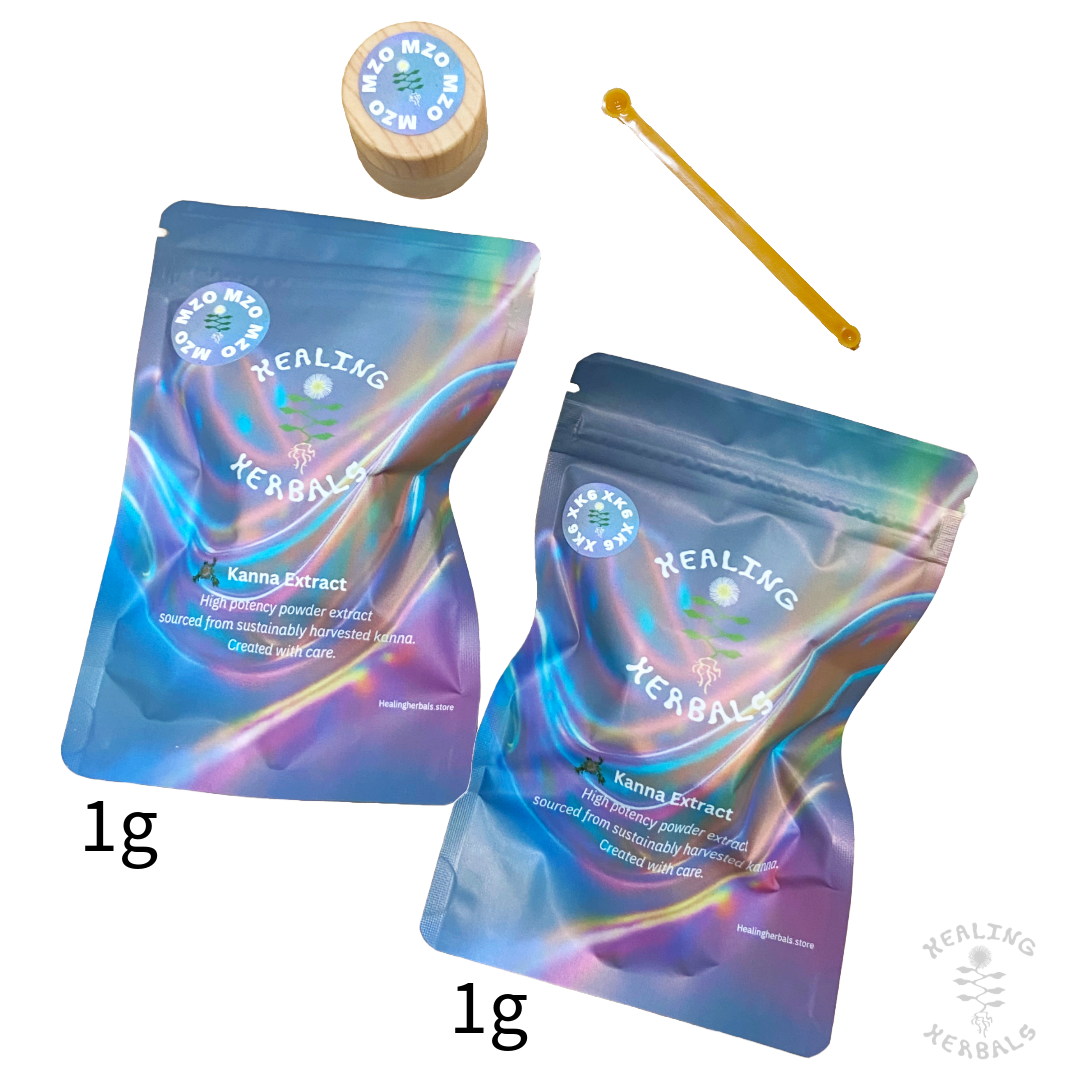
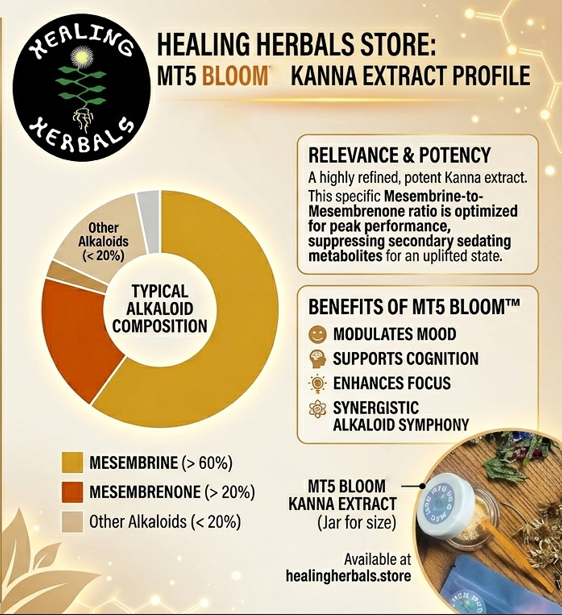
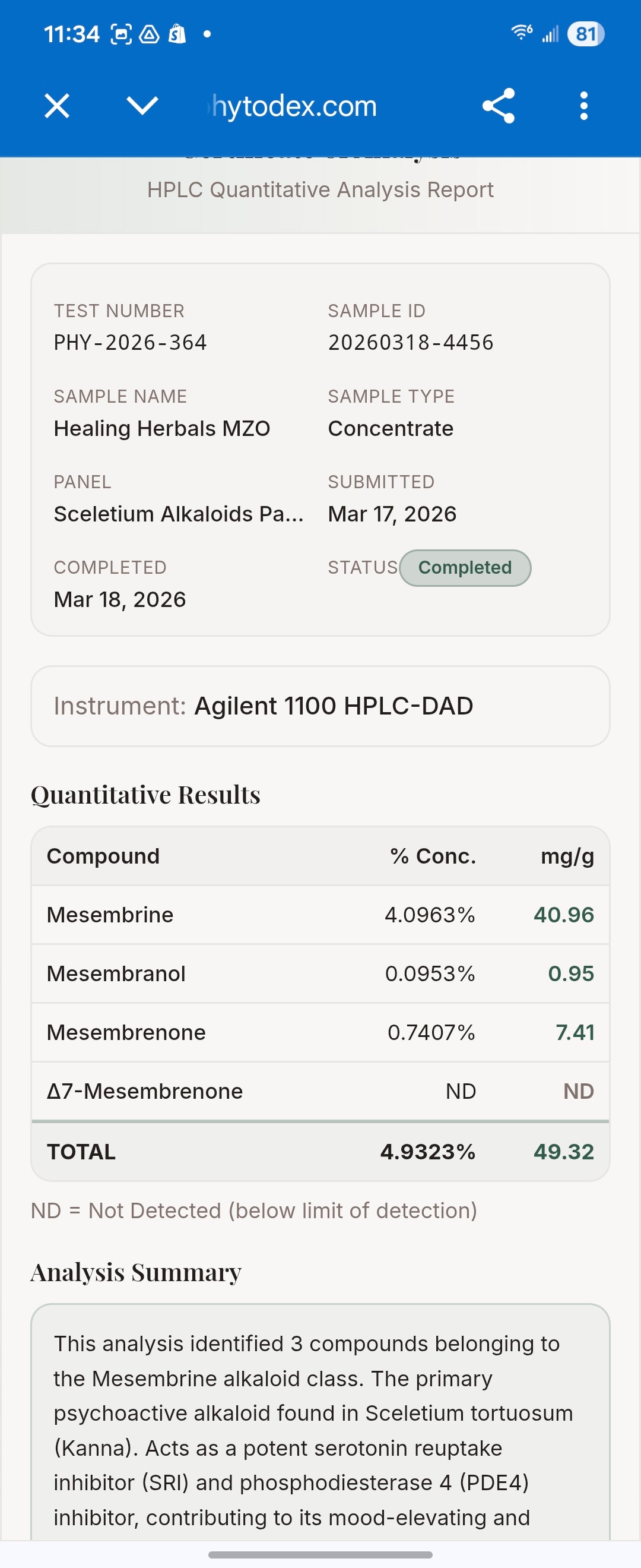
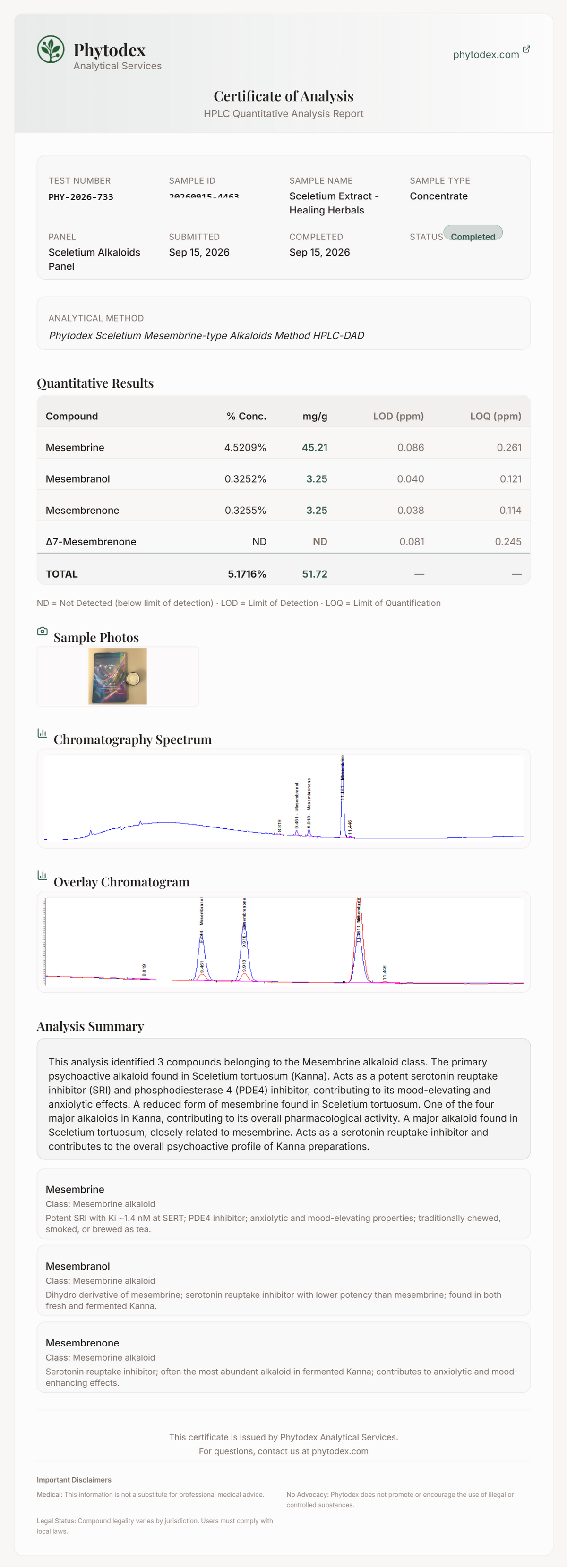
Kanna Extract MT5 BLOOM Total Alkaloid 5% is a standardized Sceletium tortuosum extract powder with a high-mesembrine profile at about 5% total alkaloids. BLOOM is the steady middle of our mesembrine-dominant range, tightly specified batch to batch, and it ships in a glass jar with a measuring scoop so servings stay consistent. Formerly sold as MT55 (MT-55).
At a glance
- Standardized to about 5% total alkaloids
- High mesembrine, approximately 70% of the alkaloid fraction
- Serving: approximately 10 to 25 mg, start at the low end
- Mixes into drinks and teas, or goes under the tongue
- Glass jar with measuring scoop, desiccant and instructions
- Adults 21 and over
The plant. Kanna is a low creeping succulent from the Karoo region of South Africa with a long history of traditional use among the San and Khoikhoi peoples, who fermented the crushed plant before chewing it. The way an extract reads comes down to the ratio between its alkaloids.
Alkaloid profile. BLOOM MT5 is specified as:
- Mesembrine: approximately 70%, the bright and sociable lead
- Mesembrenone: approximately 20%, calmer and more body-focused
- Delta-7-mesembrenone: approximately 10%, rounding out the profile
- Total alkaloids: approximately 5%
How to use. Approximately 10 to 25 mg per serving, starting at the bottom of that range. Mix it into a beverage or tea for a slower, smoother onset, or place it under the tongue for quicker absorption. Wait for a serving to peak and fade before considering more.
What to expect. A clear, lifted, sociable character with enough of the calmer alkaloids underneath that it does not read as sharp. It suits a working morning or an evening out. Tolerance builds with daily use, so days off serve you better than larger scoops.
How it compares. BLOOM MT5 and GLOW MZQ are both mesembrine-dominant powders, MT5 at approximately 5% total alkaloids and MZQ at 5.5%. MELLOW FS3 runs a looser full-spectrum profile at 4.5%. See the full lineup in Kanna Powder Extracts & Resins.
Interactions and cautions.
- Do not combine with SSRIs, SNRIs, MAOIs or other serotonergic medications, including triptans, tramadol and St. John's Wort, because of the risk of serotonin syndrome
- Do not use with alcohol
- Not for use during pregnancy or nursing, or by anyone with a heart condition
- For adults 21 and over; keep out of reach of children
Ingredients and storage. Kanna extract (Sceletium tortuosum), mannitol substrate. Keep the desiccant in the jar and store it sealed in a cool, dry, dark place. Mannitol draws moisture and clumped powder is harder to scoop accurately.
Common questions
- What does the plus or minus on the percentages mean? Kanna is a plant, and each batch lands slightly differently. MT5 is specified around 5% total alkaloids rather than at an exact figure.
- Does the scoop measure a full serving? The included scoop is a starting measure. Weigh it once on a milligram scale so you know what your scoop actually holds.
- MT5 or MZQ? Both lead with mesembrine. MZQ is standardized a little higher at 5.5% and reads brighter; MT5 is the steadier middle.
- Why is it on mannitol? Mannitol gives a very small amount of alkaloid enough bulk to be measured and scooped.
Disclaimer. These statements have not been evaluated by the Food and Drug Administration. This product is not intended to diagnose, treat, cure, or prevent any disease. Kanna is a traditional botanical, and traditional use does not establish that it will produce any particular result. Consult your healthcare provider before use if you take any medication or have a medical condition. Use at your own risk and keep out of reach of children. For adults 21 and over. Formulated by Healing Herbals, run by a practicing herbalist of 13+ years.