
Three Children, One Herbal Sleep Tablet, and the Alkaloid Nobody Tests For
TL;DR: L-THP, the corydalis alkaloid behind the 1990s Jin Bu Huan poisonings and liver injury cases, doesn't show up on standard drug panels, and there are no published false-positive reports. The more realistic concerns are liver enzymes on routine bloodwork, possible CYP450 drug interactions, and huge variation in alkaloid content between corydalis products. Ask for a certificate of analysis and tell your doctor if you use it.
In 1993, three unrelated children in Colorado were rushed to emergency rooms with heart rates in the 30s and 40s, respiratory depression, and severe lethargy. One needed intubation. All three had swallowed tablets of a Chinese patent remedy called Jin Bu Huan, sold in the United States as a sleep and pain aid. All three recovered fully.
When the CDC investigated and published the cases in its Morbidity and Mortality Weekly Report, the lab findings were the interesting part. The label named Polygala chinensis. The tablets contained no such thing. What they contained was levo-tetrahydropalmatine, an alkaloid found in Corydalis and Stephania species, at 28.8 mg per tablet, roughly 36 percent of the tablet by weight.
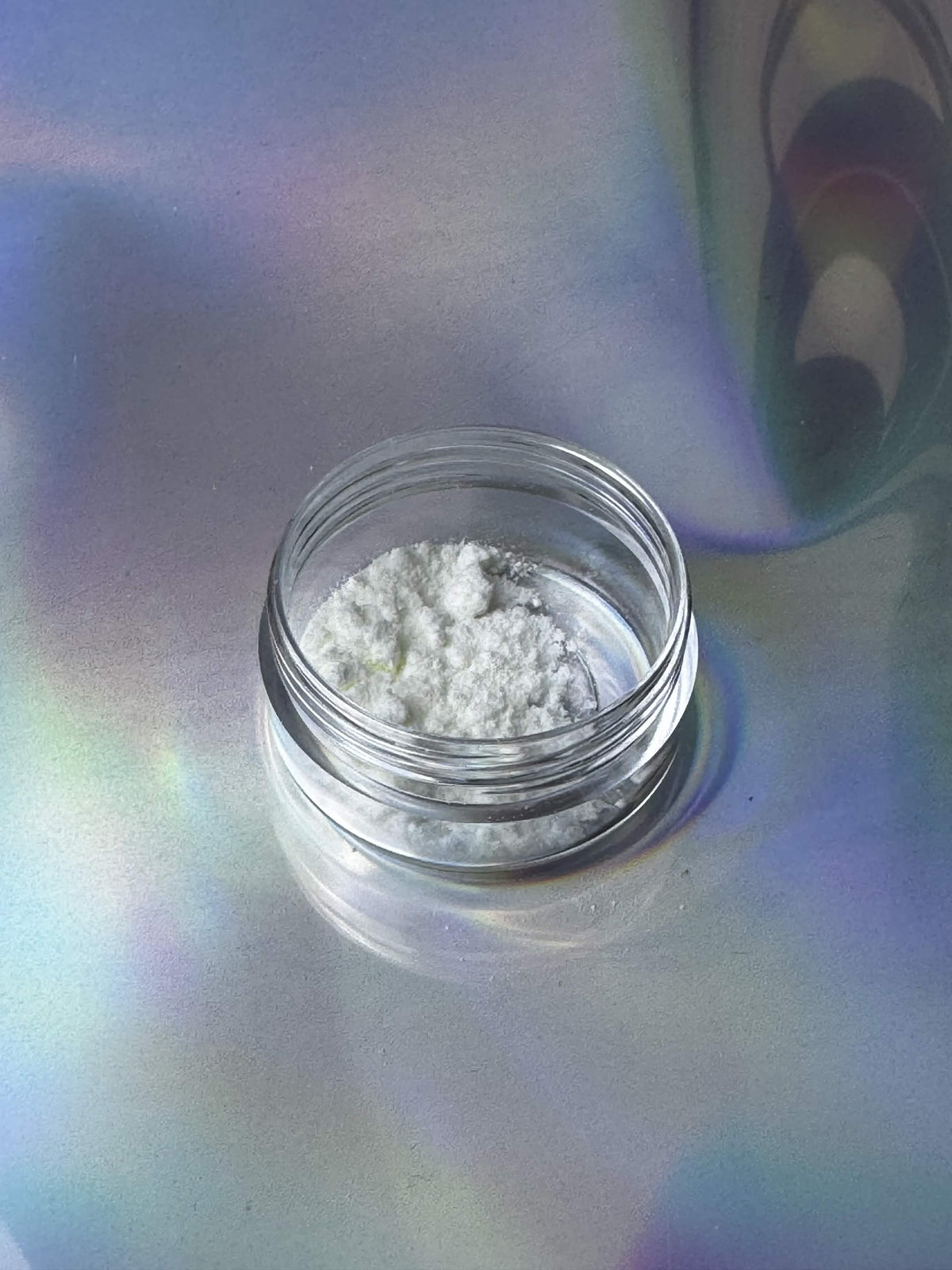
That compound is the same L-THP sold today as a standalone isolate. Almost nobody writing about corydalis mentions the Jin Bu Huan story, which is a shame, because it explains nearly everything about how this alkaloid behaves and why it sits in a very odd corner of the testing world.
A Plant Compound That Blocks Dopamine
Most botanicals marketed for relaxation work through GABA, adenosine, or opioid pathways. L-THP does something different. It is a tetrahydroprotoberberine alkaloid, and its best characterized action is antagonism at dopamine receptors, including both D1 and D2 subtypes.
That is backwards from how recreational compounds work. Cocaine, amphetamine, and most drugs of abuse raise dopamine signaling. L-THP dampens it. Antipsychotics share that broad mechanism, which is why researchers took an interest in the first place.
Published animal work shows L-THP reducing cocaine self-administration and blunting reinstatement of drug seeking triggered by cues, stress, or a cocaine dose itself. A pilot trial published in Acta Pharmacologica Sinica randomized 120 heroin-dependent patients to L-THP or placebo across four weeks of inpatient treatment. Among those who finished the first two weeks, the abstinence rate was 47.8 percent versus 15.2 percent on placebo. That is one pilot study, not an approval pathway, and it should be read as preliminary. Still, it is a real result in a real journal, and it points at a compound that behaves nothing like a sedative herb.
The Hepatitis Cases
The Colorado children were not the end of it. A second MMWR report covered three adults in Los Angeles who developed acute hepatitis after taking the same product, with tablets chemically identical to those from the pediatric cases. A larger series followed in Annals of Internal Medicine, and more than a dozen liver injury cases were eventually documented.
NIH's LiverTox database describes the pattern as hepatocellular, resembling acute viral hepatitis, with onset anywhere from two to twenty-four weeks after starting the product. Most people recovered within one to two months after stopping. A few who kept taking it developed chronic hepatitis. LiverTox also notes that the injury was likely driven by a contaminant rather than by the traditional formula itself, and that after the implicated brand left the market, the cases stopped.
Corydalis as a raw botanical has its own small signal. A 2023 case series in the ACG Case Reports Journal described two patients with drug-induced liver injury linked to corydalis-containing supplements. Two cases is two cases. It is thin evidence, and it should be described that way.
What Reaches a Drug Panel
Now the question people came for. L-THP does not appear on a 5-panel, a 10-panel, or a 12-panel drug screen. Those tests look for amphetamines, cocaine metabolites, opiates, PCP, cannabinoids, benzodiazepines, barbiturates, methadone, propoxyphene, and a handful of others. Corydalis alkaloids are not among them, and no antibody in those assay kits was designed to bind anything resembling a protoberberine.
Searching the published literature on immunoassay cross-reactivity turns up no documented case of tetrahydropalmatine or corydalis alkaloids producing a false positive on opiate, amphetamine, or any other standard panel. Absence of published reports is not the same as proof of non-interference, and it is worth saying that plainly. But there is no case series, no lab bulletin, and no manufacturer cross-reactivity table flagging it.
Detecting L-THP takes a targeted method. Researchers use ultra high performance liquid chromatography with tandem mass spectrometry, calibrated against a reference standard for the parent compound and its urine metabolites. A lab has to know it is looking for the compound and have the standard on hand. A routine workplace or clinical screen does neither.
Sports Testing and the Metabolic Panel
Tetrahydropalmatine does not appear as a named substance on the WADA Prohibited List. Global DRO, the athlete-facing lookup tool, states outright that it holds no information on dietary supplements. Athletes in tested sport are responsible for whatever is in their body regardless of what a label says, and the alkaloid content problem below makes that a genuine consideration.
The more realistic lab interaction is a comprehensive metabolic panel. Given the hepatocellular pattern seen in the Jin Bu Huan cases and the corydalis case reports, ALT and AST are the values a clinician would watch. Anyone using corydalis products and getting routine bloodwork should tell their provider, so an unexplained enzyme bump is not chased down the wrong path.
The Rest of the Alkaloid Profile
Corydalis yanhusuo contains a crowd of related compounds beyond L-THP: corydaline, tetrahydroberberine, protopine, bulbocapnine, and dehydrocorybulbine. DHCB drew attention from a 2014 Current Biology paper out of UC Irvine, which characterized it as a novel analgesic active in inflammatory and neuropathic pain models in animals, working through dopamine receptor antagonism rather than opioid pathways.
Berberine, the better-known isoquinoline alkaloid, is structurally related and has well documented cytochrome P450 interactions in humans. Corydalis alkaloids share some of that territory. Human liver microsome studies show THP enantiomers metabolized mainly by CYP3A4/5 and CYP1A2, with evidence of CYP1A2 inhibition, and a recent paper reports CYP2D6 inhibition by tetrahydropalmatine, protopine, and dehydrocorydaline. CYP3A4 and CYP2D6 between them handle a large share of prescription drugs, so interaction potential is plausible even if it has not been mapped clinically.
Product Variability Is the Real Wildcard
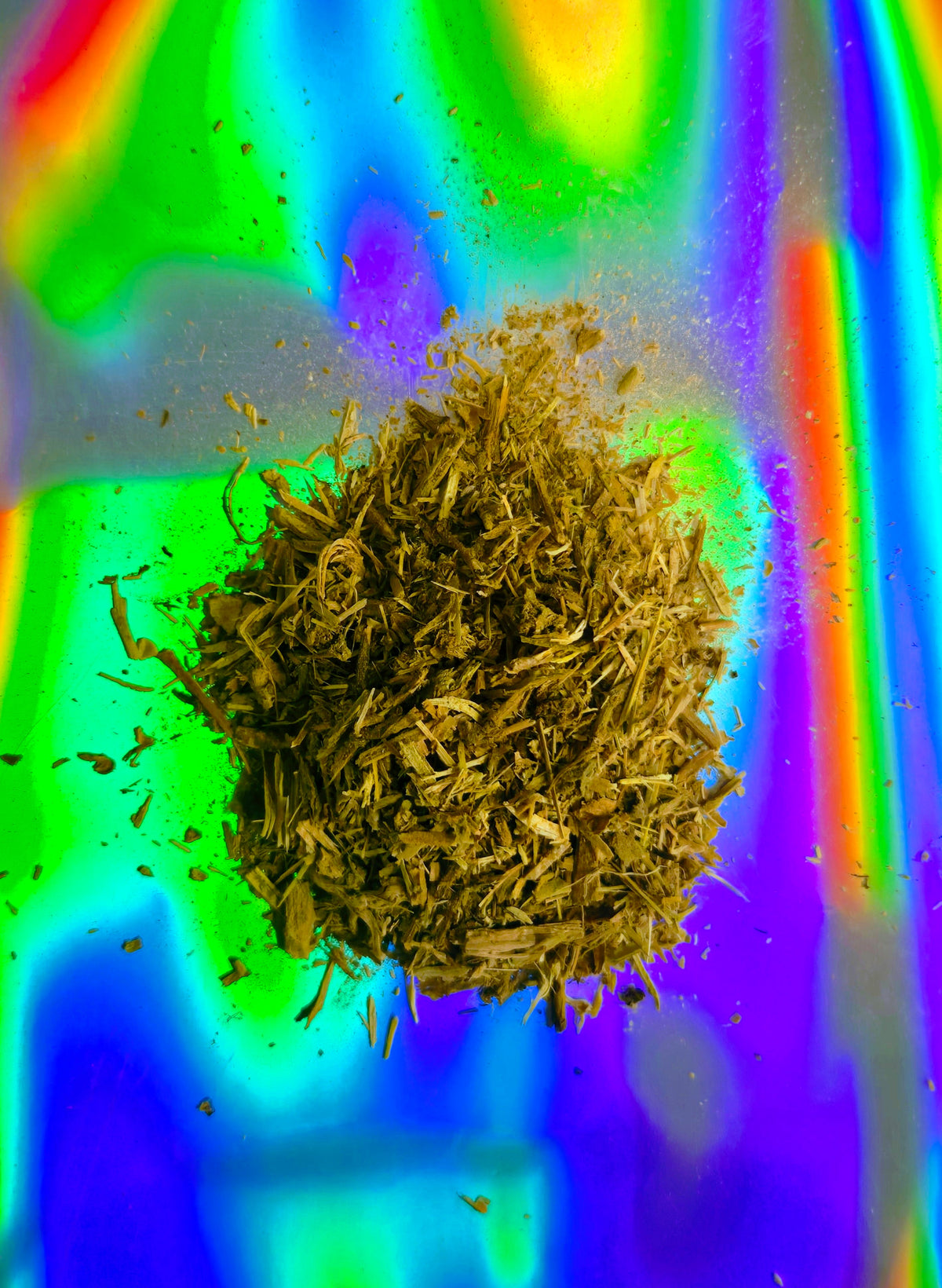
A 2024 analysis bought 14 corydalis supplements from the US market and measured them. Five had roughly 9.5 mg/g total alkaloids. Five had about 1.8 mg/g. Four had no quantifiable alkaloid content at all. One outlier held about ten times the THP of its peers, an enrichment that vanished when the researchers repurchased it. The authors called the variability unacceptable.
That range is why a certificate of analysis matters more for corydalis than for almost any other botanical. Knowing the actual alkaloid concentration in the powder in front of you is the only way to reason about anything else. Producers who publish third-party testing, including Healing Herbals, make that basic verification possible instead of leaving buyers to guess.
This article is for informational purposes only and is not medical advice. It does not diagnose, treat, cure, or prevent any condition. Talk to a qualified healthcare provider before using any botanical product, especially if you take prescription medication, have liver concerns, or compete in tested sport.
Keep reading: Kanna and Drug Tests: The False Positive Risk Isn't the Plant and Kava and Lab Work: The False Positive Nobody Warns You About.

Leave a comment
This site is protected by hCaptcha and the hCaptcha Privacy Policy and Terms of Service apply.