Red Lotus Extract
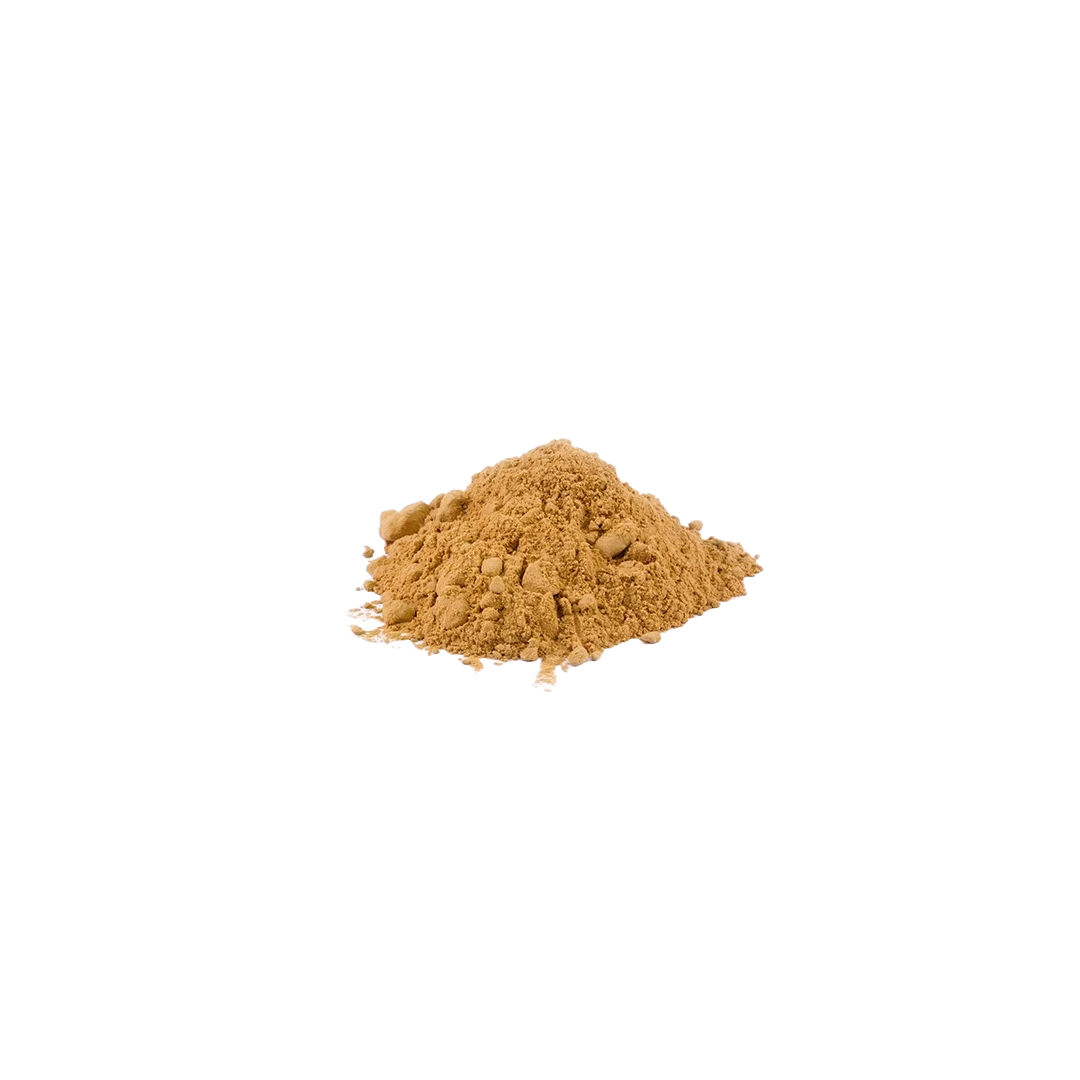
Red Lotus Extract is a concentrated form of the red water lily, made from select red lotus flowers and processed carefully so the plant's natural character survives the trip from petal to powder. The listing describes it as a concentrate of Nymphaea lotus, the lotus water lily group that includes the red-flowered form sold as Nymphaea rubra. Nothing synthetic goes into it: no fillers, no flow agents, no flavoring, just the extracted flower. It is built for everyday flexibility, stirring into tea, smoothies or any beverage, or taken sublingually for a quicker start. We package it from a 2g trial through 5g, 10g, 20g and 50g, up to 100g for regular users and blenders.
At a glance
- Concentrated red water lily, nothing synthetic added
- Carries nuciferine and aporphine plus anthocyanin pigments, no percentage stated
- Serving: a pinch in tea, a smoothie or any beverage, or sublingual
- Mild, floral, slightly earthy taste
- Sizes from a 2g trial through 5g, 10g, 20g and 50g, up to 100g
The herb. Red lotus is the red-flowered water lily of the Nymphaeaceae family, native to the ponds and flooded fields of India, Bangladesh and Southeast Asia, and so closely related to the white Nymphaea lotus of the Nile that botanists have long grouped the two together. That white species was one of the sacred flowers of ancient Egypt, grown beside the blue lotus in temple pools, carried in garlands, depicted on tomb walls and steeped in wine at ceremonies; the red form carries the same lineage into South Asian temple and garden use. All of these water lilies carry the alkaloids nuciferine and aporphine in their petals and stamens, with red lotus also rich in the anthocyanin pigments that give it its color.
Active content. The current listing states no standardized percentage for this extract and we will not invent one. What concentration delivers is the flower's natural nuciferine and aporphine, along with its flavonoids and pigments, in a small measured serving instead of a pot of petals. Because the extract carries the flower's own balance rather than isolating one compound, its character is rounded and mellow, closer to a very strong cup of red lotus tea than to a shard or resin.
- Nuciferine: the calm, body-easing, unwinding side of lotus
- Aporphine: the lighter, more lifted side
Dosage, first time. Add a small amount, a pinch rather than a spoon, to tea, a smoothie or another beverage, or let it dissolve under the tongue. Sublingual use comes on sooner; in a drink it builds gradually over the better part of an hour. Give that first serving its full hour before adding more so you learn your response from a single, small dose.
Regular use. Once you know how a small serving sits with you, adjust the amount to preference in small steps and then hold it there. Measuring with the same small spoon each time keeps the experience consistent. Most people fold it into an evening drink, and because the flavor is mild it slips into tea, cocoa or a fruit smoothie without taking over.
What to expect. Users describe red lotus extract as calm, grounding and quietly warm, a mellow way to unwind that sits between the soft clarity of white lotus and the dreamier weight of blue. It suits an evening routine, meditation, or a slow weekend afternoon, and it is a good fit for people who want a lotus concentrate without the intensity of a resin. It is not a fast-acting or heavy format and it is not a stimulant. To meet the flower in its natural form first, see our Red Lotus Loose Leaf Tea; for the lighter white sister in the same concentrate form, see our White Lotus Extract.
Side effects. Red lotus side effects are mild and follow the amount taken. Too large a serving can bring drowsiness or a dry mouth, both of which fade as the extract wears off; use less next time. Stop use if anything feels off.
Interactions and cautions.
- Leave alcohol and sedative medications out of the picture, since both compound the drowsy side of red lotus
- Not for use if pregnant or nursing
- Learn your response before you drive
- For adults 21+ only; keep out of reach of children
Ingredients and storage. Red Lotus flower extract (Nymphaea lotus, red-flowered form), with no synthetic additives. Keep the container sealed in a cool, dry, dark place and use a dry spoon; a concentrated powder draws moisture and clumps if it is left open near a kettle or stove.
Common questions
- How much Red Lotus Extract do you put in a drink? Start with a small pinch stirred into tea or a smoothie and adjust to preference after you have waited an hour.
- Can Red Lotus Extract be taken under the tongue? Yes, a small amount dissolved sublingually comes on sooner than the same amount in a beverage.
- What does red lotus extract taste like? Mild, floral and slightly earthy, so it disappears into most drinks.
Disclaimer. These statements have not been evaluated by the Food and Drug Administration. This product is not intended to diagnose, treat, cure, or prevent any disease. Red lotus is a traditional botanical, and traditional use does not establish that it will produce any particular result. Consult your healthcare provider before use if you take any medication or have a medical condition. Use at your own risk and keep out of reach of children. Formulated by Healing Herbals, run by a practicing herbalist of 13+ years.
Choose options