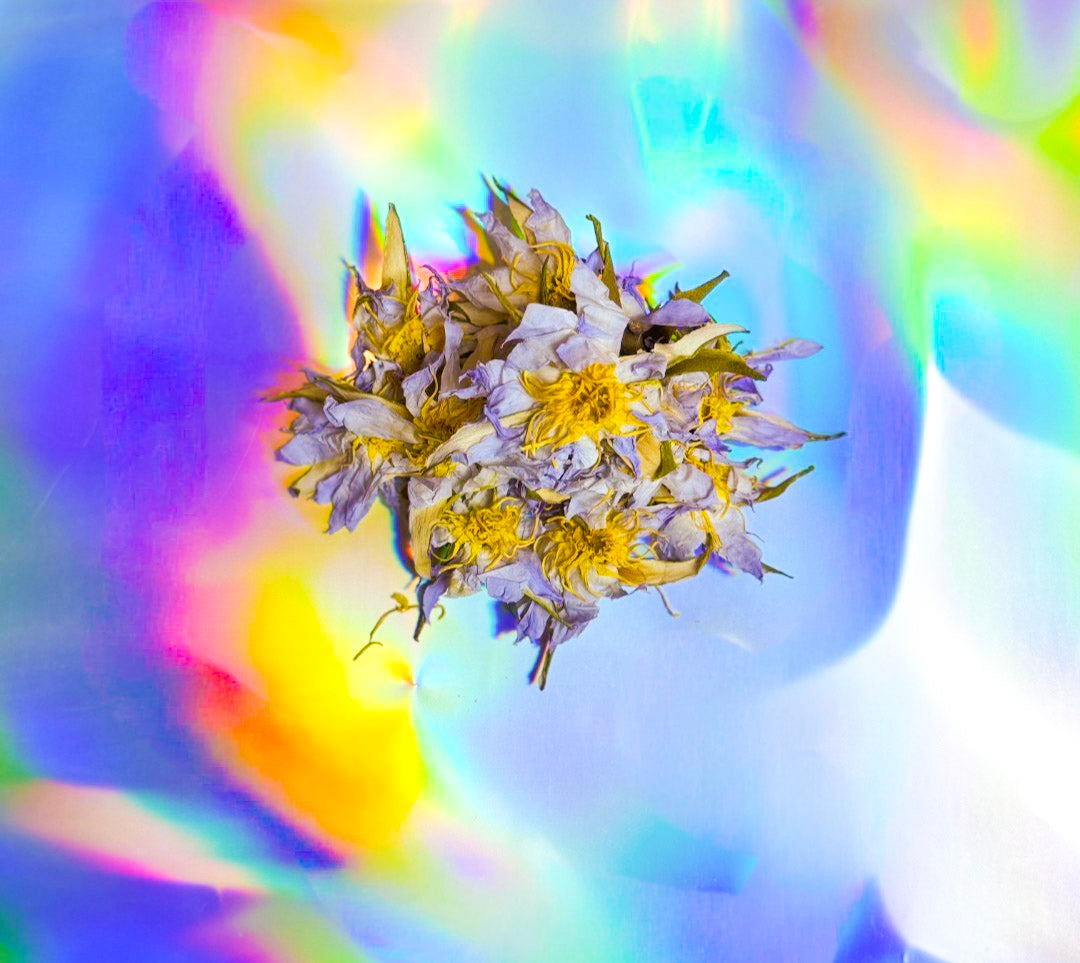
Blue Lotus (Nymphaea Caerulea)
Groundbreaking herbal
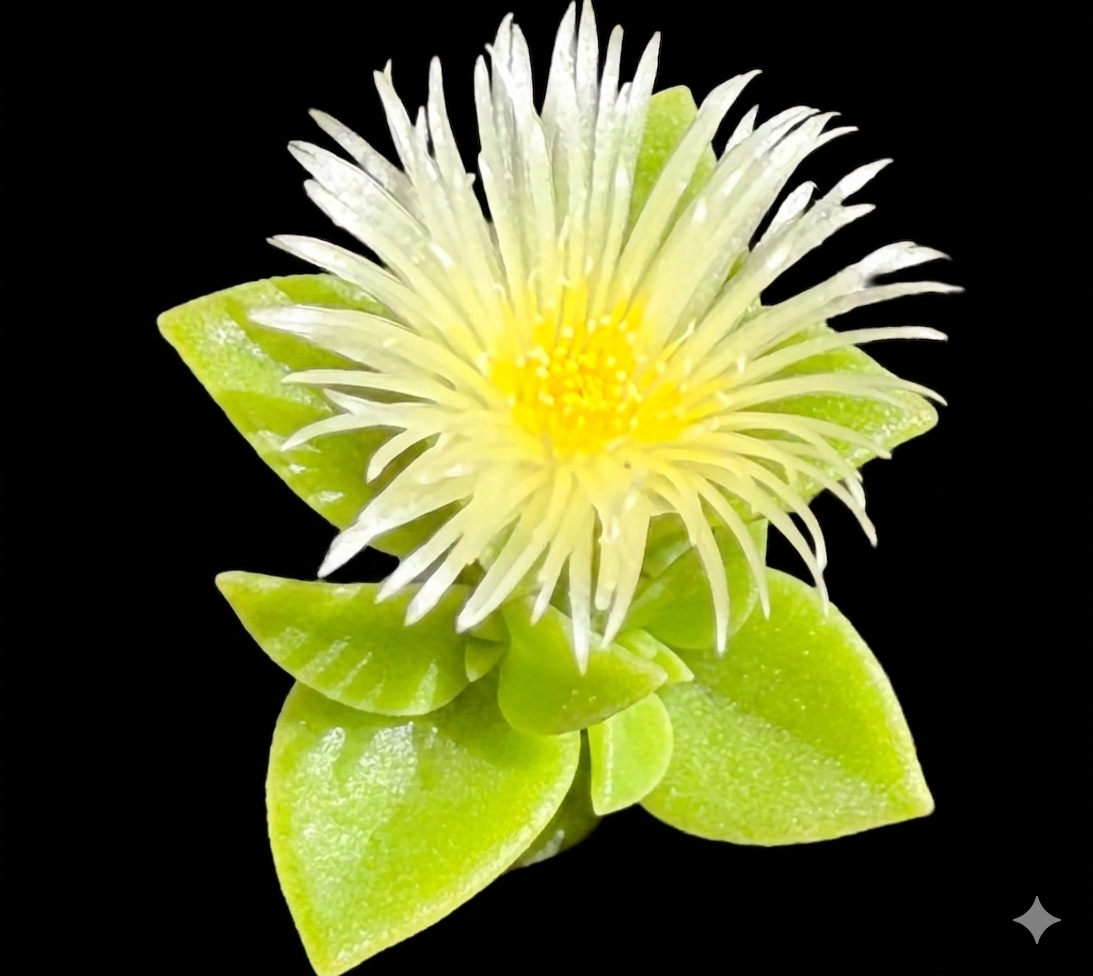
Kanna Plant
Our freatured plant is a powerhouse succulent plant native to South Africa that has been utilized for centuries by indigenous communities for its profound mood-enhancing and stress-relieving properties. Kanna (Sceletium Tortuosum) is traditionally chewed, brewed into teas, or smoked, it serves as a central element in historical wellness practices to alleviate fatigue and promote social cohesion. Modern interest centers heavily on its unique, standardized alkaloid profiles—such as mesembrine and mesembrenone—which interact with the central nervous system to support emotional balance and cognitive function.
Featured product
Hybrid Egyptian Blue Lotus Flower (Egyptian Water Lily) High Potency is our everyday whole-flower grade of Nymphaea caerulea, the grade we have carried for years and the one to reach for when you want lotus by the ounce rather than by the gram. It is the same species as our True Egyptian, from the widely traded commercial line rather than the African genetic line, which is why the heads run smaller and the petals read as one even blue from base to tip. No fillers, no additives, no substitutes.
At a glance
- Whole dried flowers, 100% Nymphaea caerulea
- Commercial hybrid line, consistent batch to batch
- Smaller heads, even blue petals from base to tip
- Tea: steep 1 to 2 grams for 10 to 15 minutes
- Also used for oil infusions, tincture blends and botanical baths
- In stock from small bags up to the kilo
- Adults 21 and over
The flower. Blue lotus is a water lily rather than a true lotus, native to the Nile and long naturalized across warm freshwater in Africa and Asia. In ancient Egypt it stood for rebirth, transcendence and connection to the divine, and it appears constantly in temple art, on tomb walls and in ritual scenes. That long ceremonial record is the reason people still reach for it in tea and in ritual today.
Hybrid or True Egyptian. Both are Nymphaea caerulea and both make the same tea. This Hybrid grade is the practical one: consistent from batch to batch, in stock, and available all the way to the kilo. Our True Egyptian Blue Lotus Flower is the African genetic line, with noticeably larger heads and petals that run white at the base into sky blue at the tip. It is a limited release in gram allotments, and we do not claim it is stronger, only that it is a different line and a different looking flower.
Use methods.
- Tea: steep 1 to 2 grams in hot water for 10 to 15 minutes. Petals and stamens both go in. It is floral and slightly bitter, and honey suits it.
- Infusion: steep the dried flower in a carrier oil, or add it to a tincture blend.
- Wine or cordial: the traditional Egyptian preparation was a steep in wine. A few flowers in a bottle for a week is the modern version.
- Bath: add whole flowers to warm water for a botanical soak.
- Smoke or pre-roll: the dried petals are used this way as well, as in our Blue Lotus Organic Pre-Rolls.
Start with a small amount to gauge personal preference and adjust from there.
Storage. Dried flowers keep best sealed, dark and dry. Light fades the blue and humidity makes the petals go soft and lose their snap. A jar with a desiccant packet holds a kilo bag in good shape for a long time.
The rest of the lotus line. If you want lotus without brewing flowers, the Blue Lotus Extract Powder 100:1 is the concentrated form, the alcohol-free tincture is the ready-to-use liquid, and petals and stamens are the loose grade for blending. Everything is in the Blue Lotus Collection.
Ingredients. 100% genuine blue lotus (Nymphaea caerulea). No fillers, additives or substitutes.
Common questions
- Is the Hybrid weaker than the True Egyptian? No. They are the same species and we make no potency claim between them. The difference is the genetic line and how the flowers look.
- How much do I use for a cup of tea? 1 to 2 grams, steeped 10 to 15 minutes.
- Why are the heads smaller than photos of Egyptian temple lotus? This is the commercial hybrid line, which produces smaller, more uniform heads. The African genetic line is the large-headed one.
- Can I steep it in wine? Yes, and that is closest to the historical preparation. Give it several days in a sealed bottle.
- Do you sell it in bulk? Yes, this grade runs from small bags all the way to the kilo.
Disclaimer. These statements have not been evaluated by the Food and Drug Administration. This product is not intended to diagnose, treat, cure, or prevent any disease. Blue lotus is a traditional botanical, and traditional use does not establish that it will produce any particular result. Consult a qualified healthcare professional before use, especially if you are pregnant, nursing, or taking medications. Use at your own risk and keep out of reach of children. For adults 21 and over.