Blue Lotus Seeds
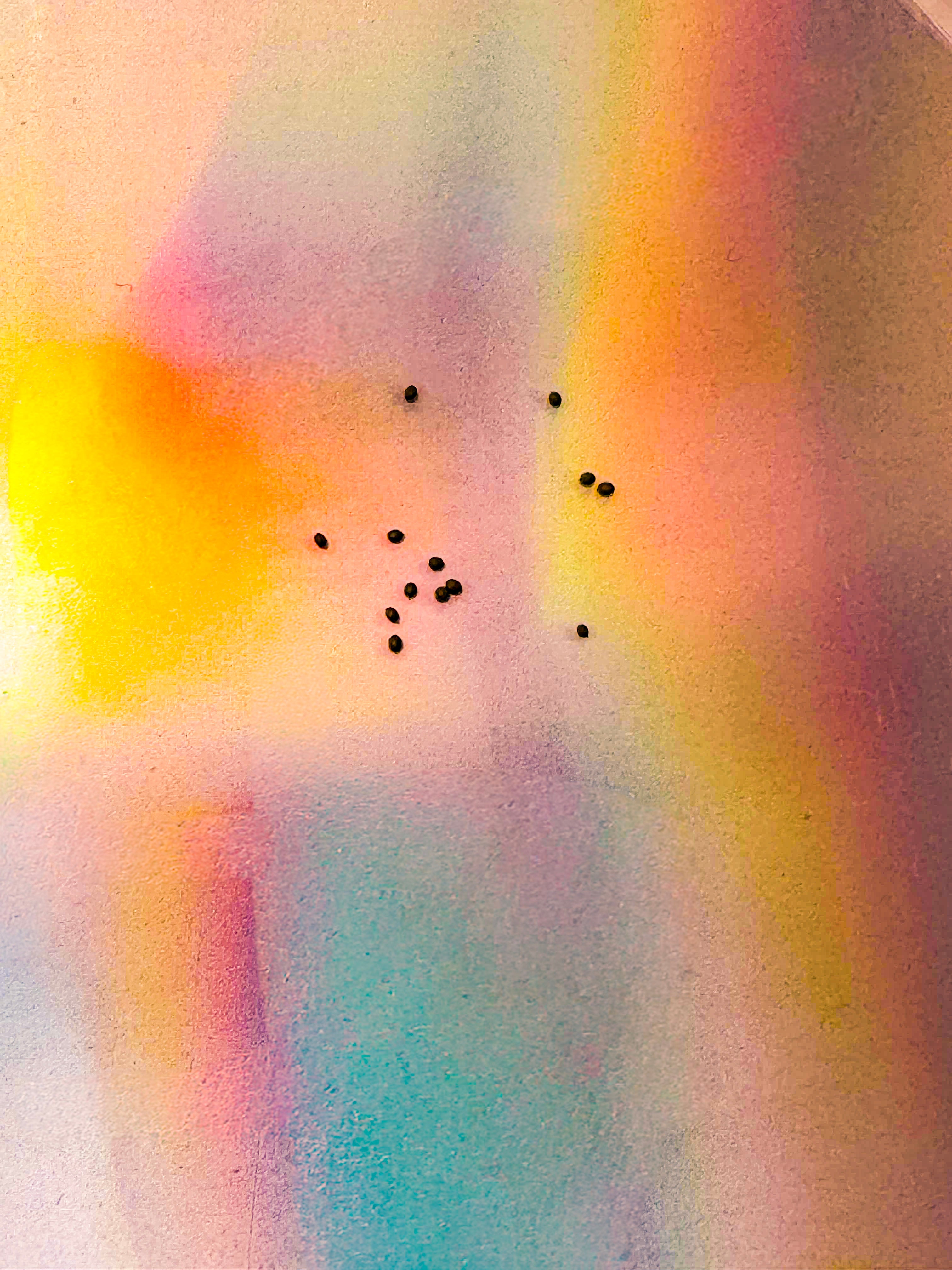
Blue Lotus Seeds are whole, unprocessed seeds of Nymphaea caerulea, the sacred blue water lily of ancient Egypt, sold as a raw botanical for cultivation, ornamental ponds and botanical study. Unlike a processed extract, a seed carries the plant's full genetic integrity and natural chemical profile. The hard outer shell protects the embryo inside, giving the seeds long shelf stability and viability for gardening projects or specialized research. They are sustainably harvested, carefully dried, and free from the fillers and additives found in commercial tea blends. We offer packs of 10 Seeds and 20 Seeds.
At a glance
- Whole, unprocessed Nymphaea caerulea seeds with the shell intact
- Sold for cultivation, ornamental ponds and botanical study, not for consumption
- Sustainably harvested and carefully dried, no fillers or additives
- Germinate by nicking the shell and soaking in warm water
- Offered in packs of 10 Seeds and 20 Seeds
The herb. Blue lotus (Nymphaea caerulea) is a tropical day-blooming water lily of the Nymphaeaceae family, native to the Nile and the lakes and slow rivers of East Africa. Ancient Egyptians cultivated it in temple pools and garden ponds, carved it into columns, laid it in tombs, and steeped its flowers in wine at ceremonies; the flower that opens at sunrise and closes by afternoon became their emblem of the sun and of rebirth. The mature plant carries the alkaloids nuciferine and aporphine in its petals and stamens, but the seed itself is simply the beginning of that plant: a small, hard-coated package of everything needed to grow a lily.
What's in it. These are viable whole seeds, not a consumable extract, and no potency figure applies. Each seed holds a dormant embryo, a food reserve and a dense, water-resistant coat that keeps it stable in storage and lets it wait out dry seasons in the wild. The alkaloids blue lotus is known for, nuciferine and aporphine, develop in the flowers of the mature plant, so the point of a seed is to grow that flower rather than to use the seed directly.
Starting the seeds. Water lily seed coats are hard, so germination is helped by gently nicking or sanding a small spot on the shell, then dropping the seeds into a container of clean, warm water in a bright, warm place. Change the water every day or two to keep it fresh. Sprouting usually takes a few weeks; be patient, because tropical lilies germinate on their own schedule.
Growing on. Once a seedling shows its first floating leaves, move it into a small pot of heavy loam or aquatic soil topped with sand, submerged a few inches under the surface, and lower it gradually as the leaves lengthen. Blue lotus is a tropical plant: it wants warm water, full sun and still conditions, and it must be overwintered indoors anywhere with cold winters. Given those, a seedling can reach flowering size in its first or second season.
What to expect. Growers describe blue lotus as one of the most rewarding water lilies to raise: sky-blue petals around a golden center, opening each morning and closing each afternoon, with a scent that carries across a pond. The seeds suit collectors, aquatic gardeners and botanical students. They are not a tea, an extract or a quick project. To use the flower itself while your plants grow, see our Blue Lotus Flower or our Blue Lotus with Stems.
Side effects. These seeds are sold for cultivation and botanical study, not for consumption, and we give no serving for them. If you go on to use the flowers of the plants you grow, blue lotus is mild, with drowsiness or a dry mouth at higher amounts; reduce the amount and it passes.
Interactions and cautions.
- Blue lotus flowers should not be combined with alcohol or sedative medications, and are not for use if pregnant or nursing
- Check local regulations before growing or using blue lotus, since laws vary by region
- For adults 21+ only; keep seeds out of reach of children and pets
Ingredients and storage. Whole Blue Lotus seeds (Nymphaea caerulea), sustainably harvested and dried. Store the sealed packet in a cool, dry, dark place; the hard shell keeps the seeds viable for a long time, but heat and humidity shorten that window. Do not freeze.
Common questions
- How do you germinate Blue Lotus Seeds? Nick the hard shell lightly, soak the seeds in clean warm water in a bright, warm spot, change the water regularly and wait a few weeks for sprouts.
- Can Blue Lotus Seeds be grown indoors? Yes, in a warm, sunny container of water with heavy soil, which is also how the plant is overwintered in cold climates.
- How long do Nymphaea caerulea seeds stay viable? The hard outer shell gives them long shelf stability when stored cool, dry and dark, though fresher seed germinates most reliably.
Disclaimer. These statements have not been evaluated by the Food and Drug Administration. This product is not intended to diagnose, treat, cure, or prevent any disease. Blue lotus is a traditional botanical, and traditional use does not establish that it will produce any particular result. Consult your healthcare provider before use if you take any medication or have a medical condition. Use at your own risk and keep out of reach of children. Formulated by Healing Herbals, run by a practicing herbalist of 13+ years.
Choose options
Blue Lotus: A Legal Alternative to Delta 9 THC
As delta 9 THC faces increasing legal restrictions across the United States, many wellness enthusiasts are seeking natural, legal alternatives. Blue lotus (Nymphaea caerulea) has emerged as a compelling option, offering gentle relaxation and mood enhancement without the legal complexities or intense psychoactive effects of cannabis products.
Used for thousands of years in traditional Egyptian and Asian wellness practices, blue lotus provides a time-tested botanical solution for those seeking calm, clarity, and natural stress relief in an increasingly regulated landscape.
Legal & Accessible
Blue lotus is federally legal and widely available, offering a compliant alternative as cannabis regulations tighten.
Natural Relaxation
Promotes calm and relaxation through natural alkaloids without the psychoactive intensity of delta 9 THC.
Mood Enhancement
Supports positive mood and mental clarity, making it ideal for daytime use and social settings.
Ancient Tradition
Used for thousands of years in traditional wellness practices, blue lotus has a rich history of safe use.
Why Choose Blue Lotus Over Delta 9?
No legal restrictions or age verification complexities
Gentle effects without overwhelming psychoactivity
No risk of failing drug tests or employment issues
Suitable for functional daytime wellness routines
Natural botanical with minimal side effects
Can be shipped nationwide without restrictions
Frequently Asked Questions
What is blue lotus?
Blue lotus (Nymphaea caerulea) is a water lily native to Egypt and other parts of Africa. It contains natural alkaloids like aporphine and nuciferine that promote relaxation and mild euphoria.
Is blue lotus legal?
Yes, blue lotus is legal in the United States and most countries. Unlike delta 9 THC, which faces increasing restrictions, blue lotus remains unscheduled and accessible.
How does blue lotus compare to delta 9 THC?
Blue lotus offers gentle relaxation and mood enhancement without the intense psychoactive effects of delta 9. It provides a clear-headed experience suitable for daily wellness without legal concerns.
What are the effects of blue lotus?
Users report feelings of calm, mild euphoria, enhanced mood, and gentle relaxation. Effects are typically subtle and functional, making it ideal for stress relief and social situations.
Will blue lotus show up on a drug test?
No, blue lotus does not contain THC or other substances typically screened for in standard drug tests, making it a safe choice for those subject to workplace testing.
How do I use blue lotus?
Blue lotus can be consumed as a tea, tincture, extract, or vaporized. Each method offers different onset times and duration of effects. Start with a low dose to assess your individual response.
These statements have not been evaluated by the FDA. This product is not intended to diagnose, treat, cure, or prevent any disease. Consult your healthcare provider before use.