Kanna: South Africa's Natural Mood-Boosting Herb
TL;DR: Kanna (Sceletium tortuosum) is a South African succulent the Khoikhoi and San have chewed, smoked and snuffed for centuries to lift mood and ease hunger and stress. Its main alkaloids, mesembrine, mesembrenone and mesembrenol, interact with the serotonin system, which is why anyone on psychiatric medication needs to talk to a doctor first. Buy from a supplier you trust, start small, and it's one of the more interesting mood plants out there.
Kanna is the plant we get asked about more than anything else in the shop. People hear about it from a friend or a podcast, and they come in wanting to know what it actually is. So here's the straight version: a South African succulent with a long traditional history and a reputation for lifting mood. We handle it every day, so this is what we actually tell people.
What kanna is
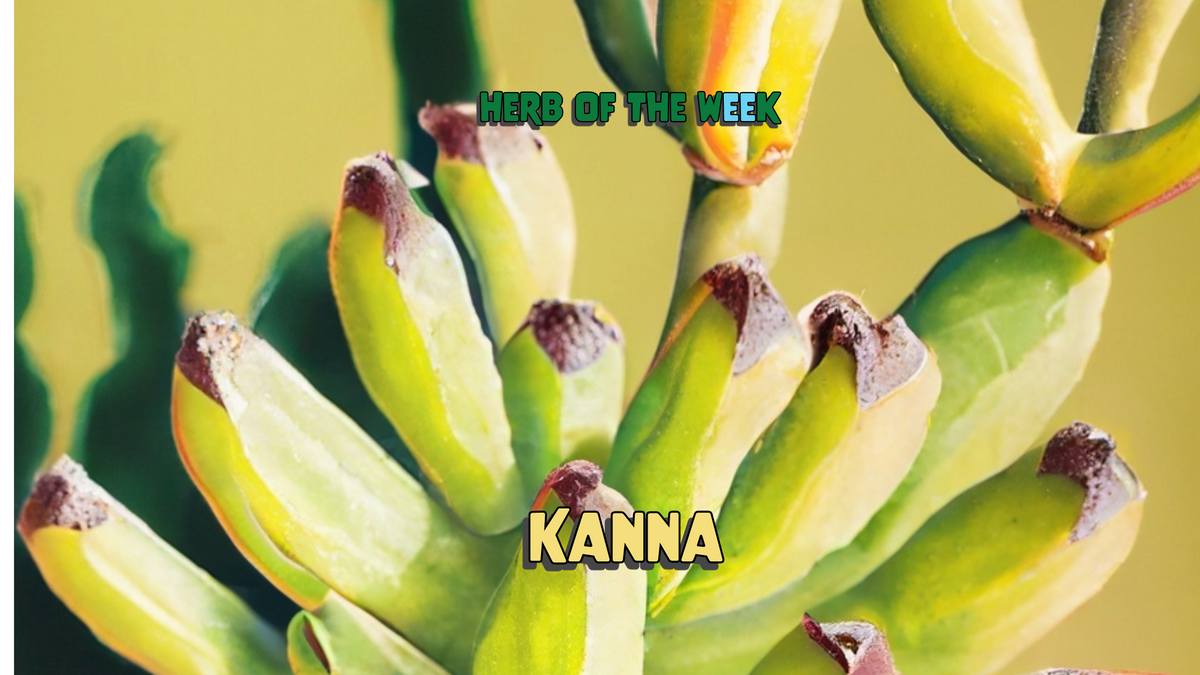
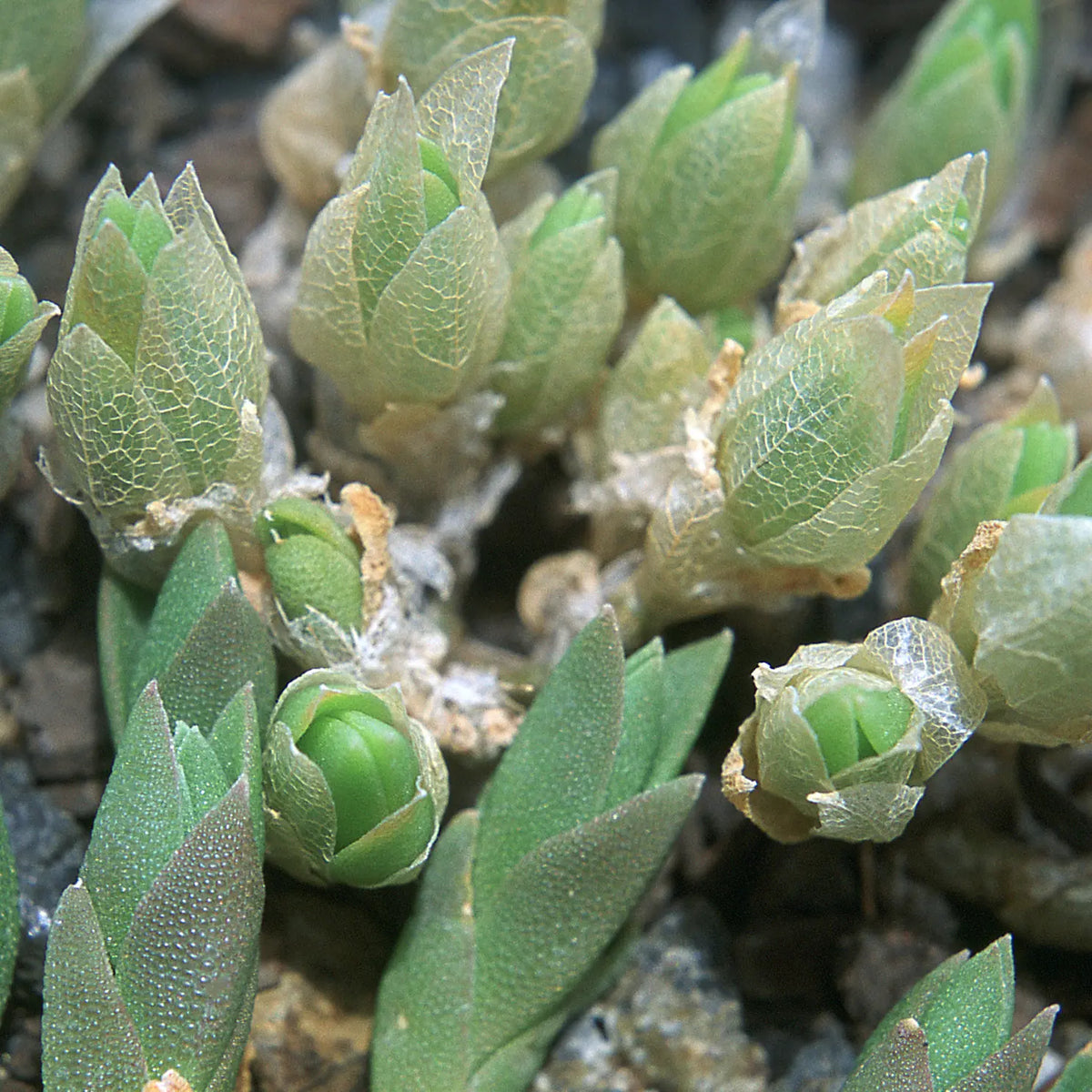
Kanna, known to botanists as Sceletium tortuosum, is a low-growing succulent native to South Africa. It's not much to look at in the ground. Fleshy leaves, small flowers, a little scraggly. But it has a long history in traditional South African culture, and it's been valued for its effect on mood for a very long time.
You'll also hear it called kougoed, which roughly means "something to chew." That name tells you a lot about how it was first used.
How it was used traditionally
The Khoikhoi and San peoples of South Africa have used kanna for centuries. It was chewed, smoked or taken as a snuff. People used it to take the edge off stress, to hold off hunger on long treks, and to feel more upbeat.
It wasn't just a personal thing either. Kanna played a real role in social and spiritual gatherings. Sharing it was part of community life. When we talk to customers about kanna, we always try to start there, because the plant didn't begin as a supplement. It began as part of a culture.
The alkaloids behind it
The mood effects come mostly from a group of alkaloids: mesembrine, mesembrenone and mesembrenol. These compounds interact with serotonin receptors in the brain, and that's the leading explanation for why people describe a brighter, more relaxed mood.
Mesembrine gets the most attention. It's known to act as a serotonin reuptake inhibitor, which in plain terms means it lets serotonin hang around a bit longer. Different extracts lean toward different alkaloids, which is a big reason one kanna product can feel noticeably different from another.
How people use it now
Kanna has caught on in modern herbal and wellness circles as a natural mood support. You'll find it as tea, powder, capsules and tinctures, plus extracts at different strengths. Users commonly report a better mood, more focus and a relaxed feeling after taking it.
From what we see at the counter, first-timers usually do best with a gentle form like tea or a low-strength extract. Take a small amount, give it time, and pay attention to how you feel before taking more. Some folks also notice kanna feels a little stronger after a few days of use, so don't chase it on day one.
Safety and sourcing
Kanna is generally considered safe, but it needs to be used responsibly because of how it interacts with serotonin. If you take psychiatric medication, or you have a mental health condition, talk to a healthcare professional before using it. That's not optional. Mixing kanna with antidepressants is a real risk.
Where it comes from matters too. Buy high-quality, pure kanna from a supplier you trust. Cheap, poorly stored or mislabeled material is common online, and it can be weak, inconsistent or not what it claims to be.
Common questions
What are the main alkaloids in kanna?
Mesembrine, mesembrenone and mesembrenol. Mesembrine is the best known and acts as a serotonin reuptake inhibitor.
How was kanna traditionally taken?
Chewed, smoked or used as a snuff by the Khoikhoi and San peoples.
Can I take kanna with antidepressants?
Talk to your doctor first. Because kanna works on the serotonin system, combining it with psychiatric medication can be risky.
Kanna brings together a long traditional history and a lot of modern interest as a mood plant. Respect both, and it's well worth getting to know.

Written by Herbal Healings

%20is%20a%20South%20African%20succulent%20the%20Khoikhoi%20and%20San%20have%20chewed,%20smoked%20and%20snuffed%20for%20centuries%20to%20lift%20mood%20and%20ease%20hunger%20and%20stress.%20Its%20main%20alkaloids,%20mesem...)
Leave a comment
This site is protected by hCaptcha and the hCaptcha Privacy Policy and Terms of Service apply.