Kanna Loose Leaf & Seeds
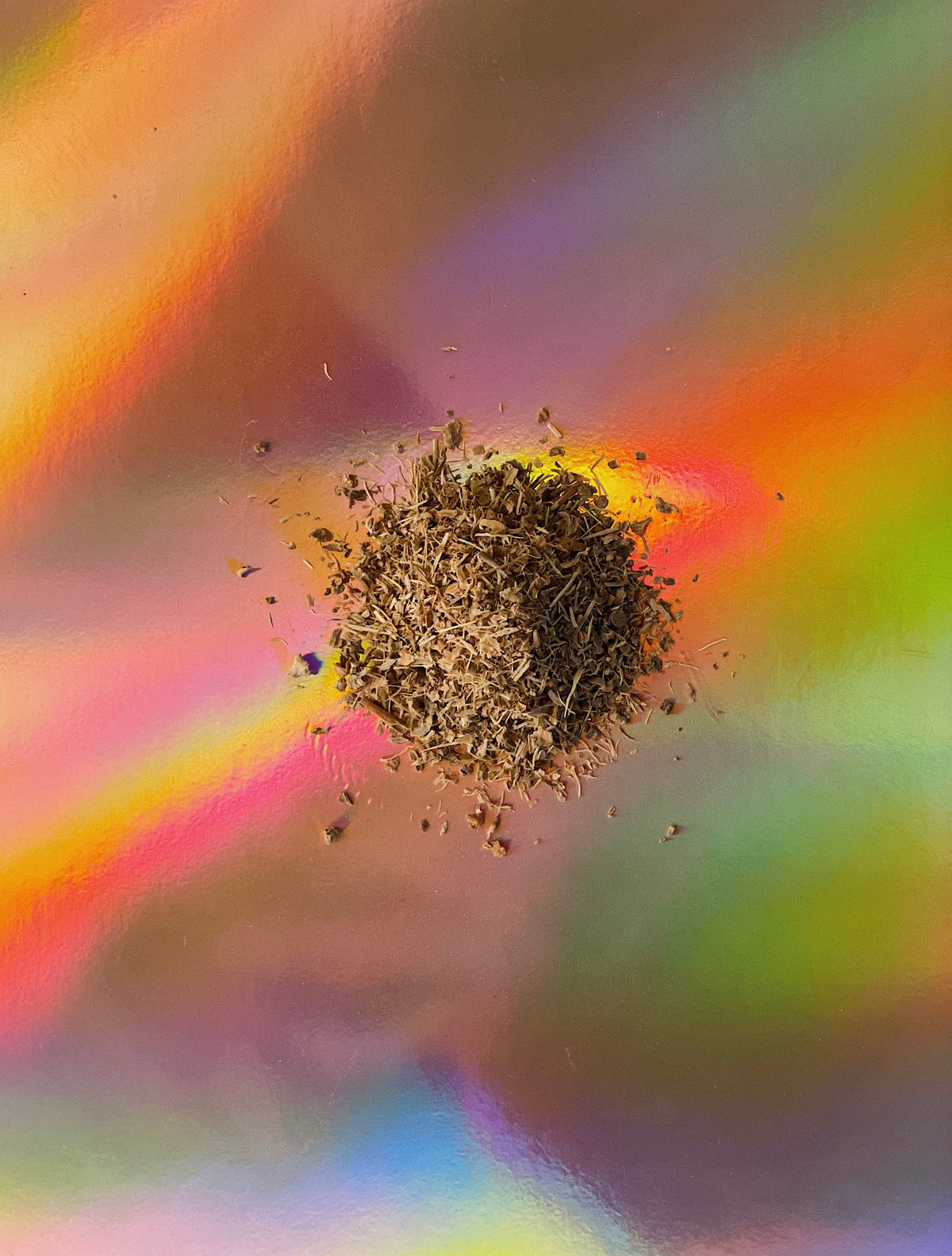
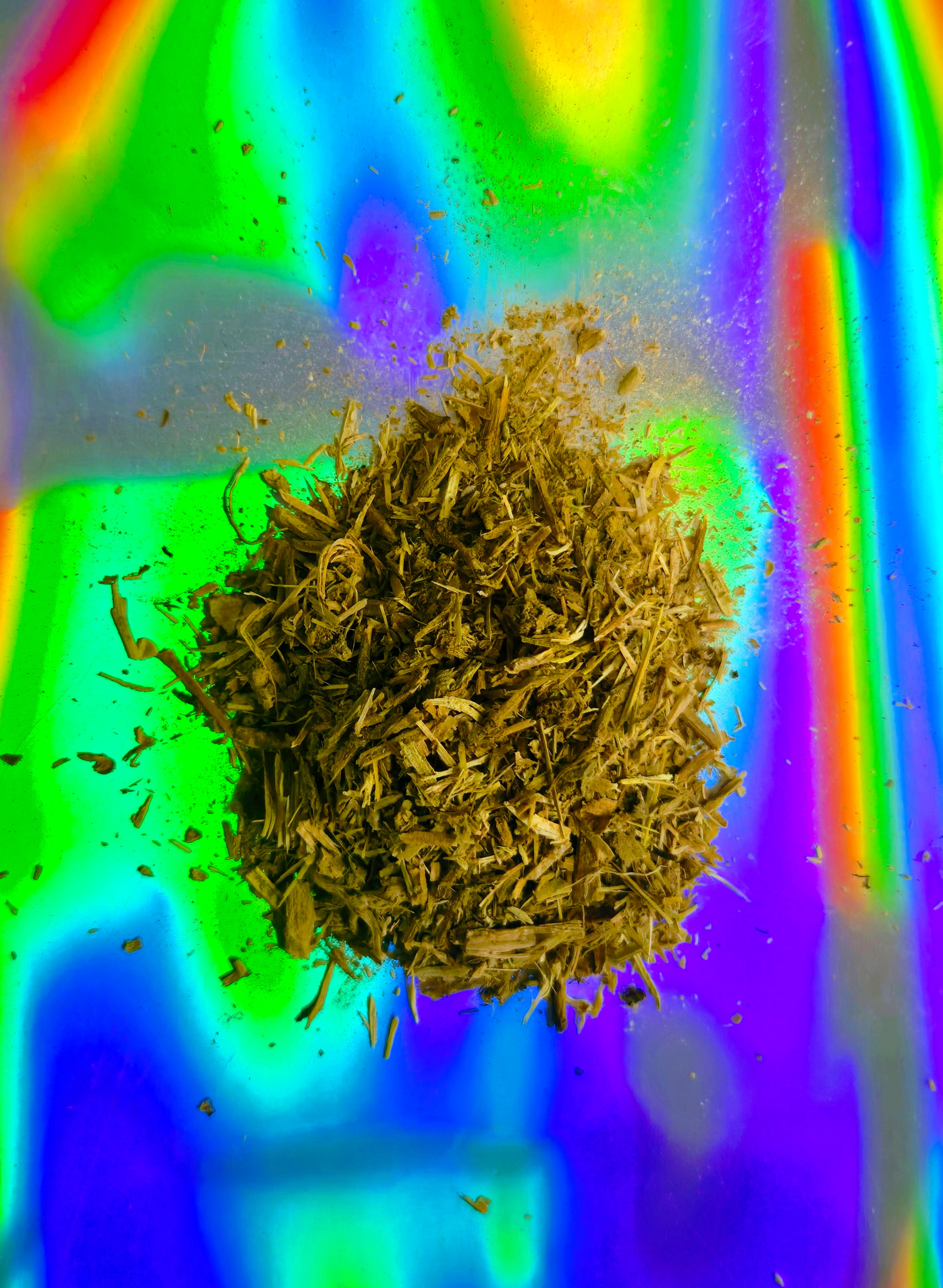
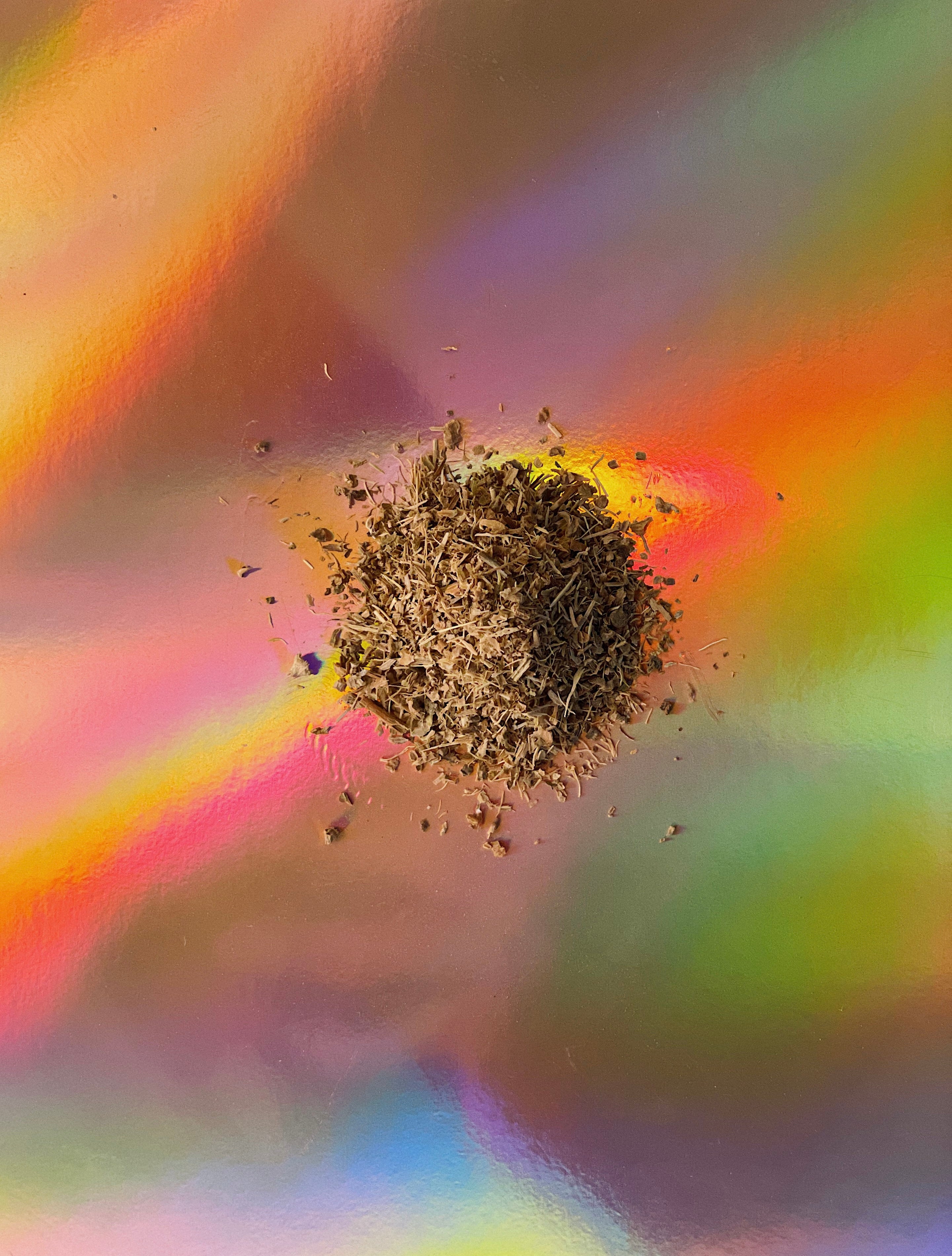
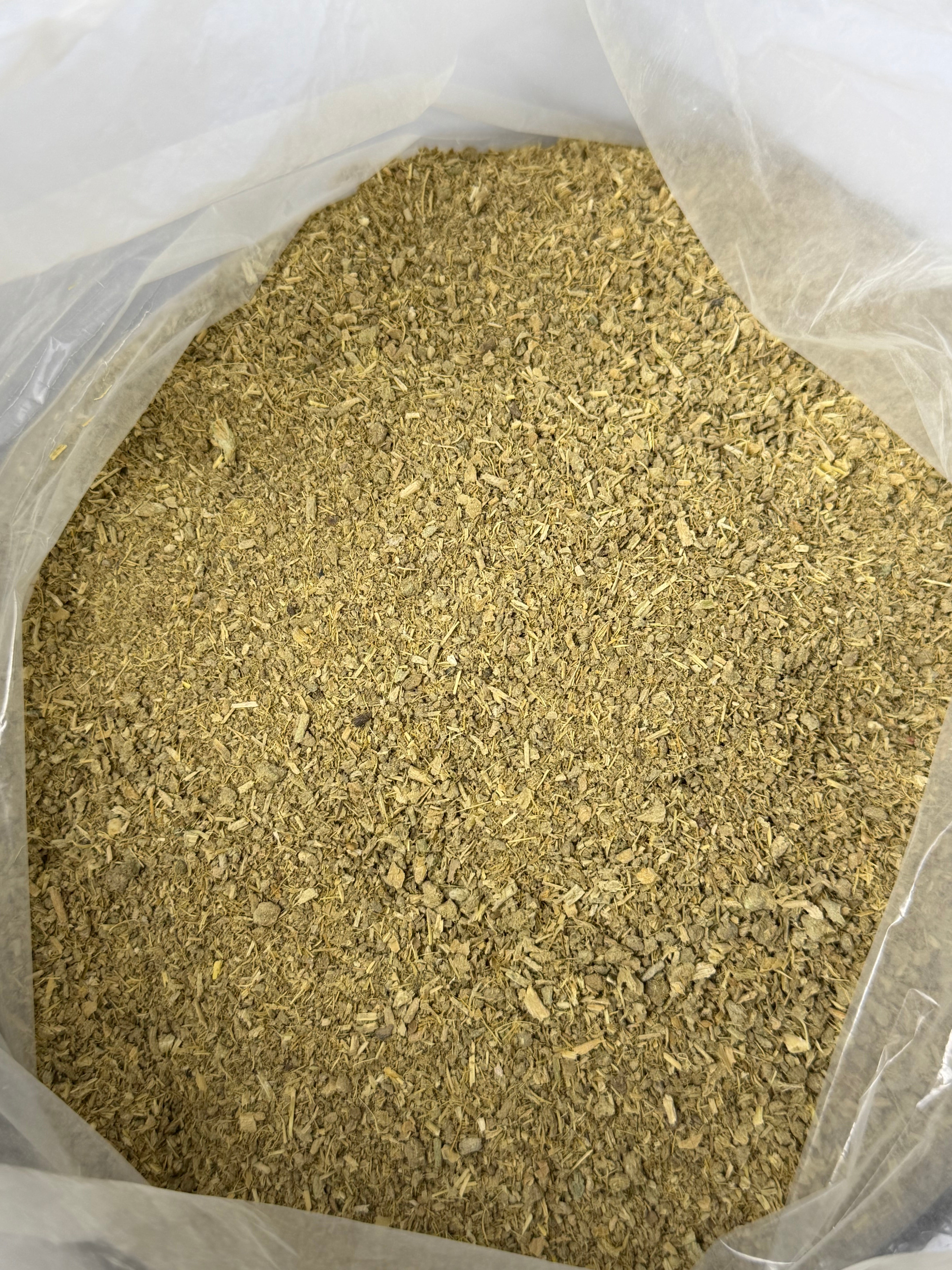
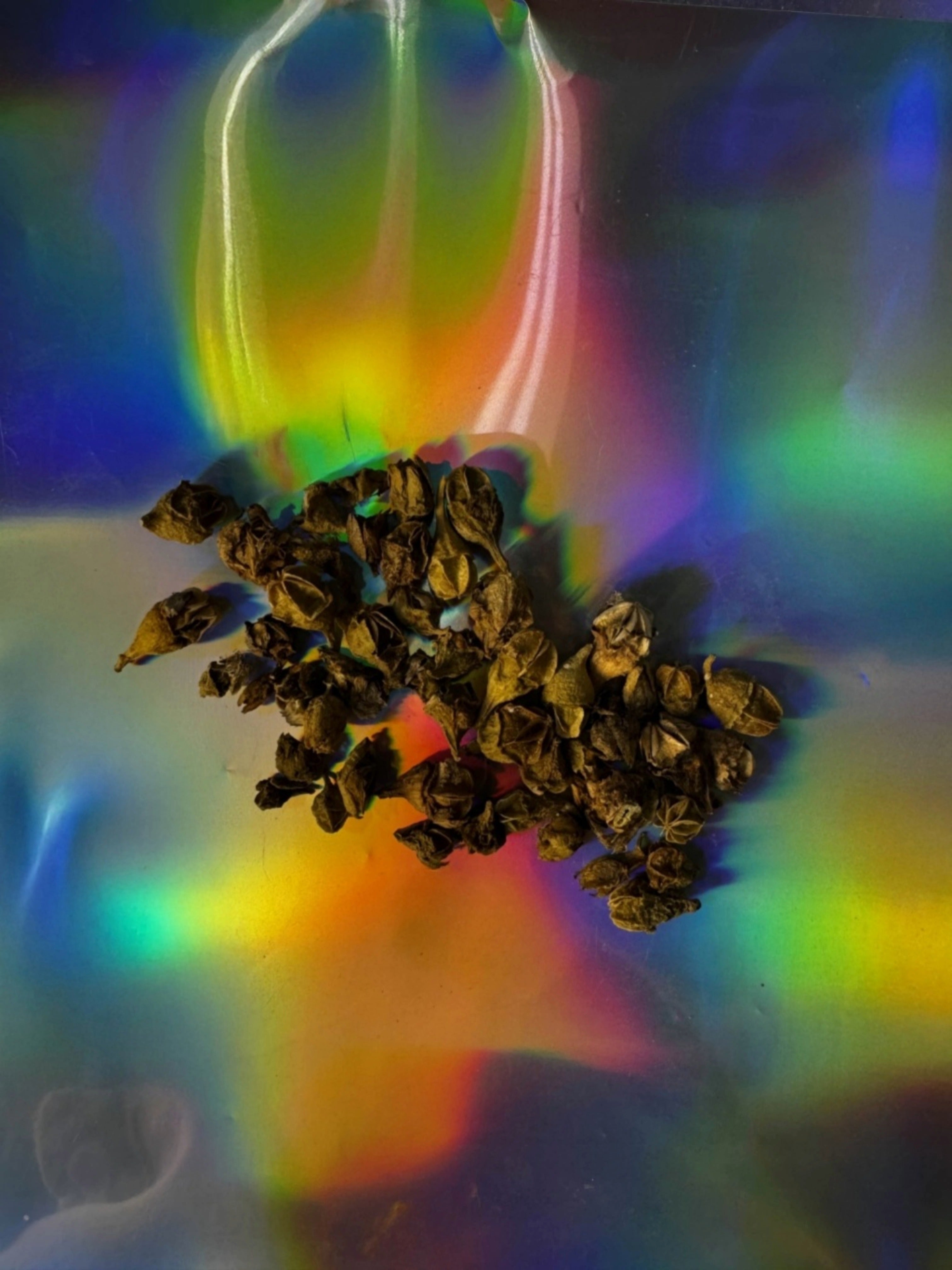
Kanna Loose Leaf and Seeds. Kanna in its least processed forms: fermented leaf cut for tea, milled leaf powder, viable seeds and live cuttings of Sceletium tortuosum, field grown and fermented in small batches. Standardized powders are under kanna extracts.




Kanna leaf guide: how to choose, brewing and growing
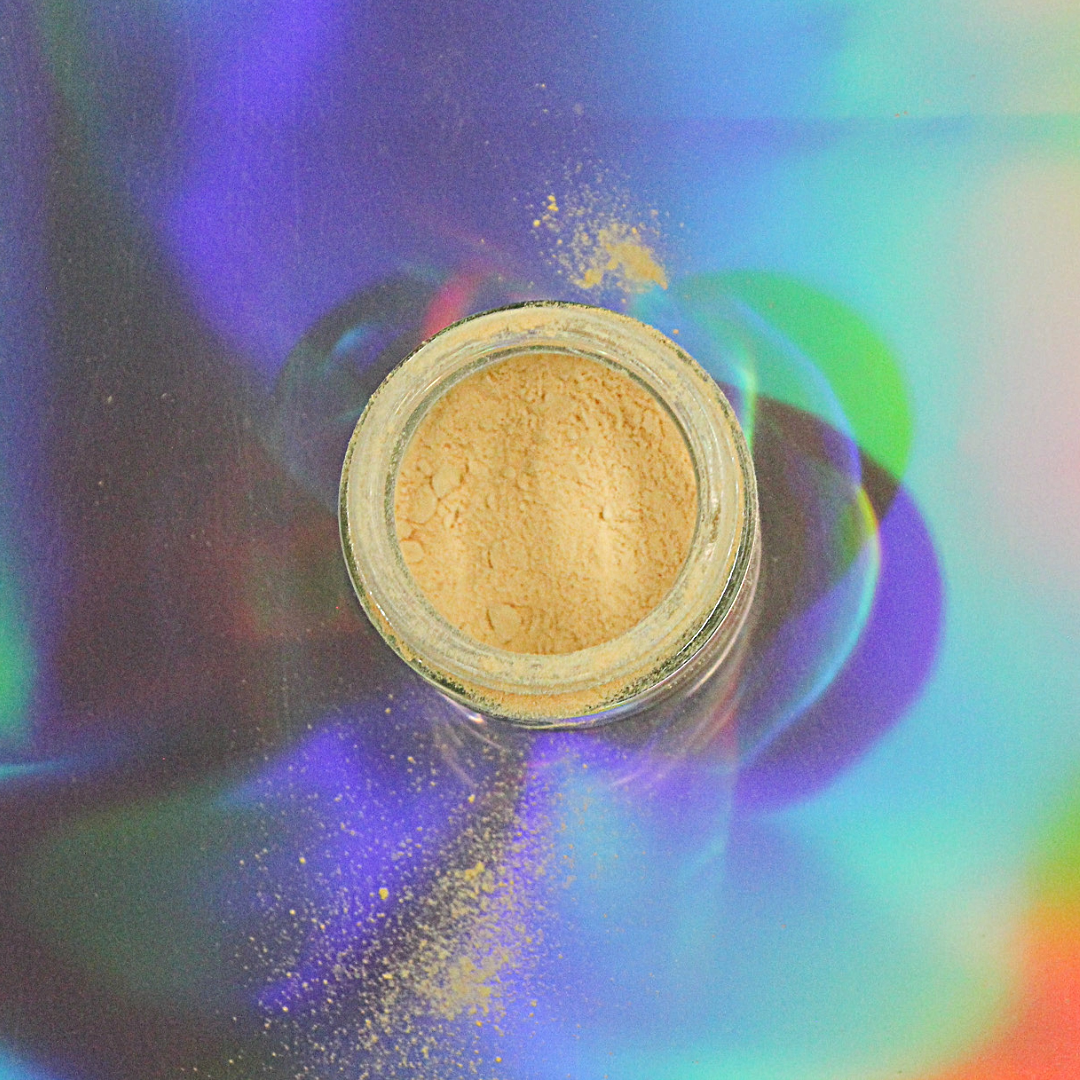
This small collection, six listings, is kanna in its least processed forms: dried and fermented leaf cut for tea, milled leaf powder, viable seeds and seed pods, and rooted live cuttings. It suits people who want to prepare kanna the traditional way and people who want to grow Sceletium tortuosum themselves. Leaf here is field grown, dried and fermented in small batches, and the graded leaf lots carry a stated total alkaloid range so you know roughly what you are steeping. All our kanna is sourced through South African San Council benefit-sharing partnerships. Standardized powders are under kanna extracts, and other whole herbs under loose leaf tea. If you are weighing leaf against extract, read kanna extract vs kanna powder.
At a glance
- Six listings: dried and fermented leaf cut for tea, milled leaf powder, viable seeds and seed pods, and rooted live cuttings
- Kanna in its least processed forms, for traditional preparation or growing Sceletium tortuosum
- Leaf field grown, dried and fermented in small batches
- Graded leaf lots carry a stated total alkaloid range
- All kanna sourced through South African San Council benefit-sharing partnerships
The plant. Sceletium tortuosum is a sprawling succulent in the Aizoaceae family from the Karoo of South Africa, with fleshy leaves that show fine veins when dried. The San and Khoikhoi crushed and fermented the whole plant in skin bags to make kougoed, then chewed or brewed it, and the name kanna comes from their word for the eland. The leaf carries mesembrine, mesembrenone, delta-7-mesembrenone and mesembranol, and whole leaf keeps the plant's own ratio rather than a ratio chosen by an extractor.
How to choose.
- For a daily cup, the fermented kanna loose leaf tea cut at .25 to 1% total alkaloids is the gentlest starting point.
- The nutraceutical kanna leaf tea at 1 to 2% active alkaloids is a step up, and the high potency 4% kanna leaf is the strongest raw leaf we sell.
- If you want a calmer profile in leaf form choose the high mesembrenone kanna leaf.
- For capsuling or blending at home, the milled kanna leaf powder saves grinding.
- Growers can start from kanna seeds, whole seed pods, or skip germination with a live kanna cutting.
Dosing overview. Tea is prepared at one to two teaspoons per 8 oz of hot water, steeped five to ten minutes, unless a product page gives its own method; some people chew a small pinch of fermented leaf instead, which is the traditional way. Start with a single cup or a small pinch and wait an hour or two. Leaf potency is stated as a range because plants vary, so treat the 4% leaf with the same respect as a mild extract and use less of it than the .25 to 1% cut.
What to expect. Whole leaf is the softest kanna experience: users describe an easygoing, slightly lifted and present feeling that builds over an hour and fades gently. The taste is earthy and bitter, more so with fermented leaf, and many people add honey or blend it with mint or lemon balm. Growers should expect a slow, sun-loving succulent that dislikes wet feet and rewards patience.
Side effects and cautions. Overdoing leaf can bring mild nausea, headache or jitters that pass as the alkaloids clear; make the next cup weaker.
- Do not combine with SSRIs, SNRIs, MAOIs or other serotonergic medications including triptans, tramadol and St. John's Wort
- Skip alcohol
- Avoid if pregnant, nursing or with a heart condition
- Adults 21 and over
- Seeds and cuttings are sold for cultivation and are not for consumption as shipped
Common questions
- How long does kanna tea take to work? Most people notice it within thirty to sixty minutes of finishing a cup.
- Can I grow kanna from seed indoors? Yes, seeds germinate on the surface of gritty, moist soil with warmth and bright light, though a cutting gives you an established plant much sooner.
- Is 4% kanna leaf as strong as a 4% extract? Gram for gram it is comparable in alkaloids, so serve it like a mild extract rather than like a regular tea.
Disclaimer. These statements have not been evaluated by the Food and Drug Administration. These products are not intended to diagnose, treat, cure, or prevent any disease. Kanna is a traditional botanical, and traditional use does not establish that it will produce any particular result. Consult your healthcare provider before use if you take any medication or have a medical condition. Use at your own risk and keep out of reach of children. Formulated by Healing Herbals, run by a practicing herbalist of 13+ years.

Ethical Kanna Sourcing
At Healing Herbals, we are committed to the ethical and sustainable cultivation of kanna (Sceletium tortuosum). Our plants are grown without pesticides or synthetic fertilizers and with strict environmental responsibility. We protect biodiversity, support local farming communities, and ensure every product is clean, pure, and sustainably sourced


Find Your Perfect Kanna Extract
Answer 3 quick questions to get a personalized recommendation
What is your primary wellness goal?
What is your experience level with kanna?
What is your preferred form?
Your kanna match
Based on your answers, here is the one we would start you on.