Extracts
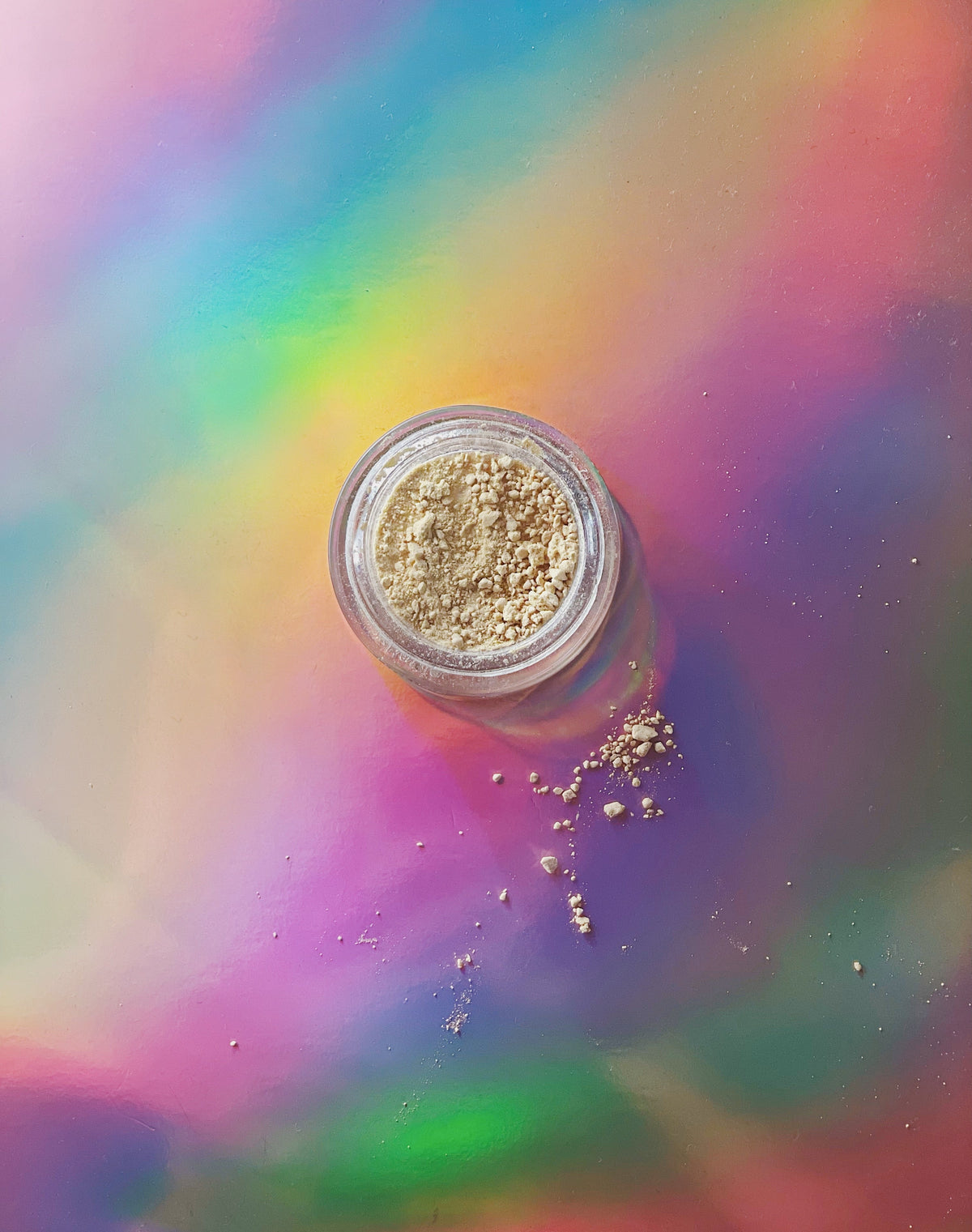
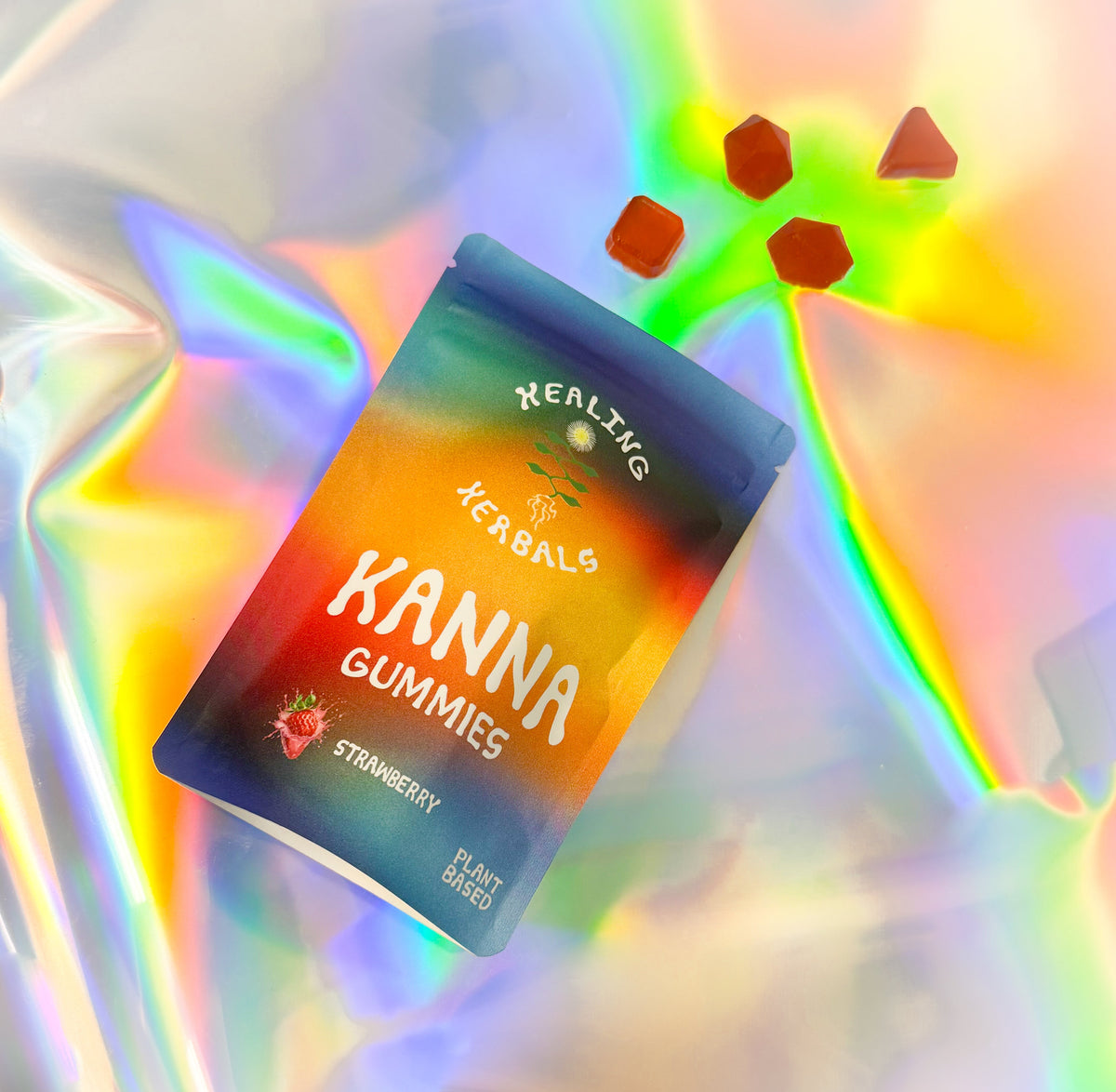
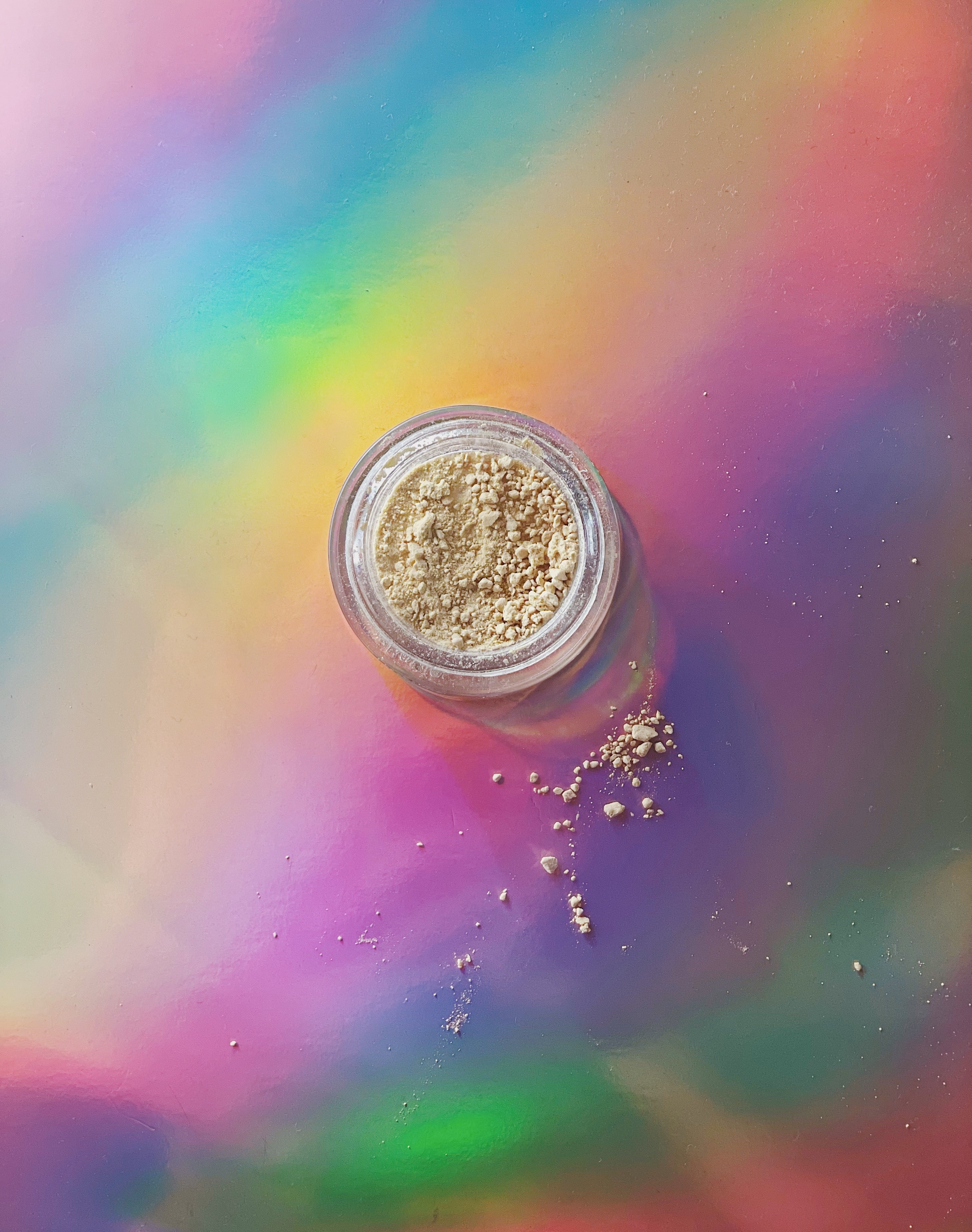
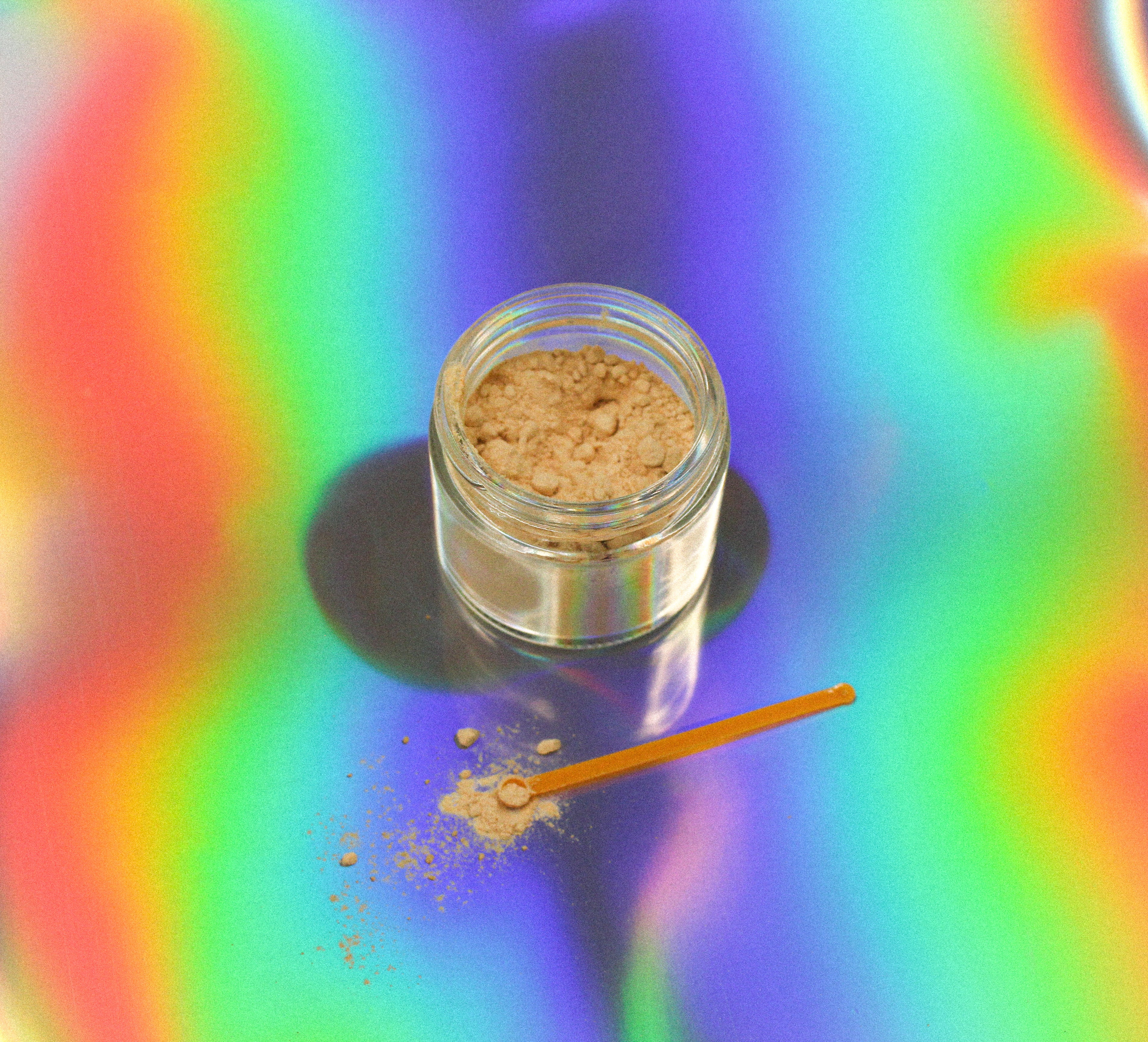
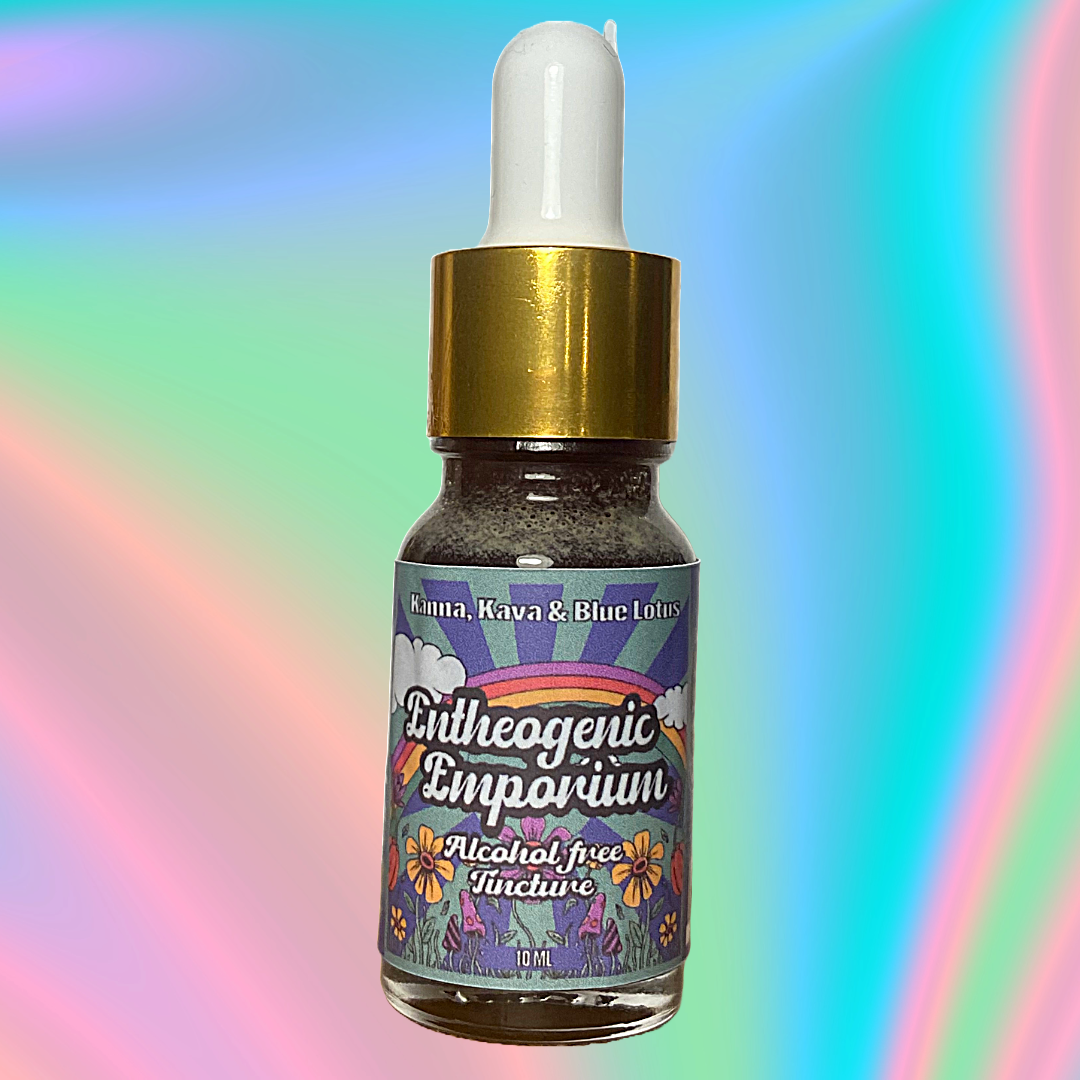
Botanical extracts. Every concentrated botanical we make or curate, 76 listings across kanna, kava, blue lotus, amanita, wild dagga and functional mushrooms. Small batch, lab tested, sourced from growers we know.
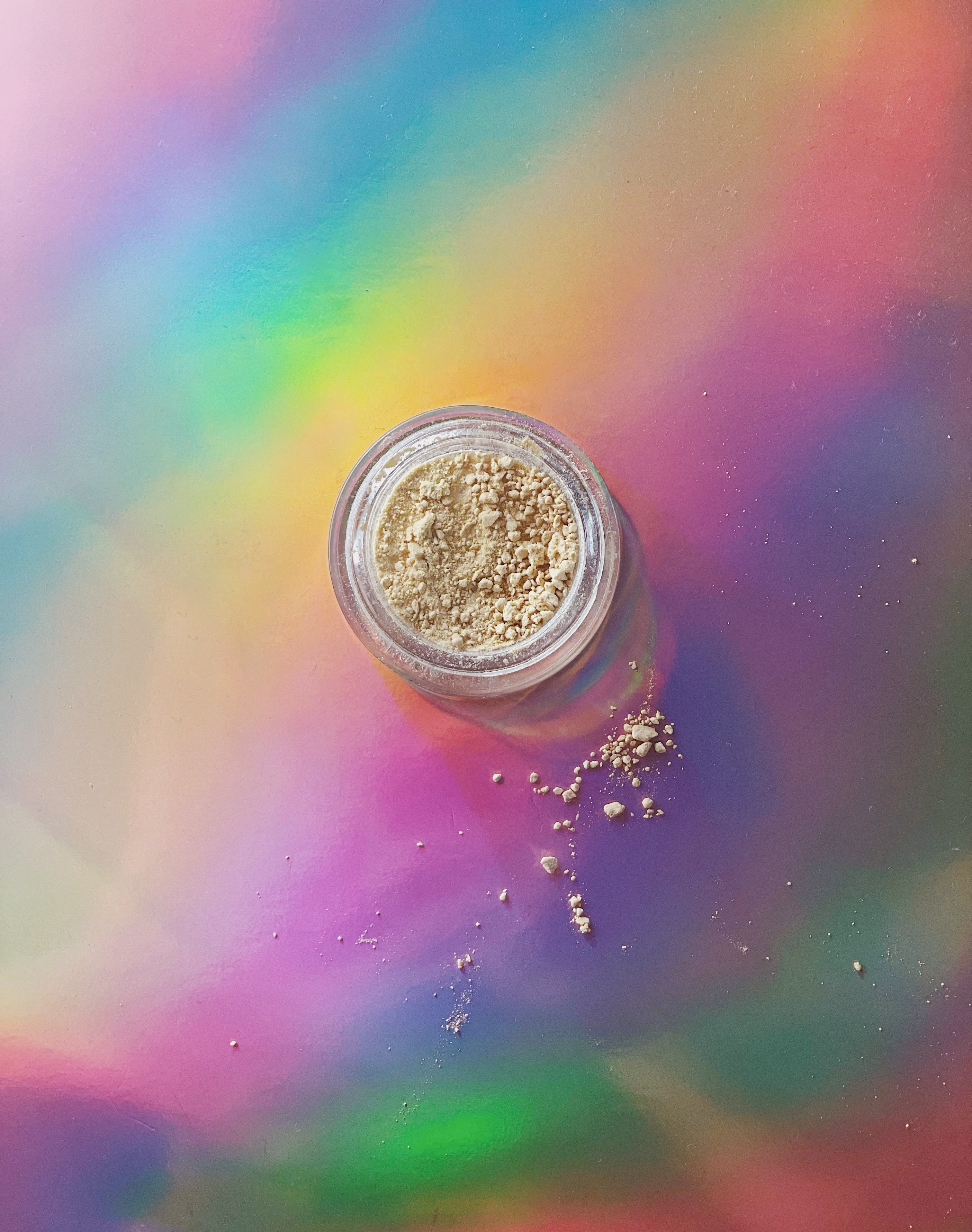
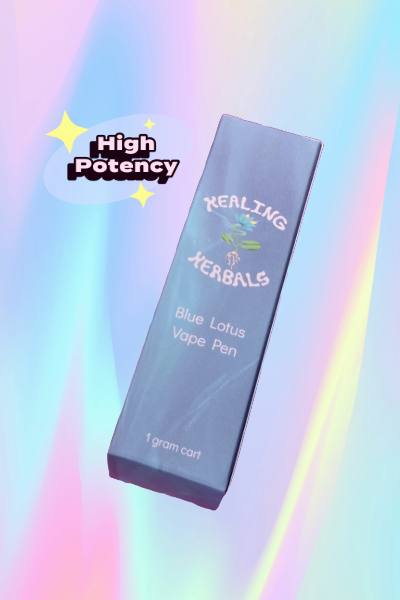
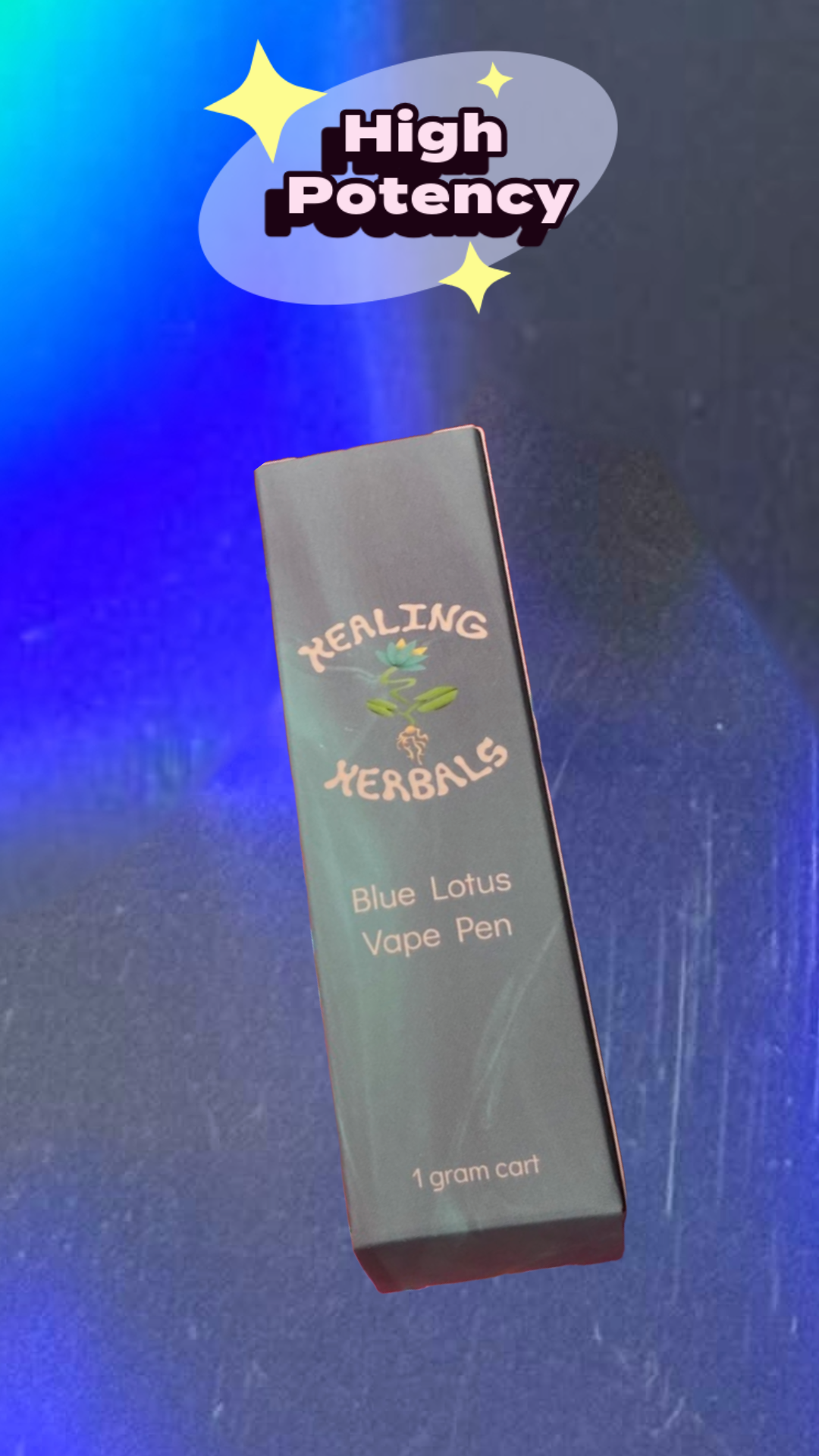
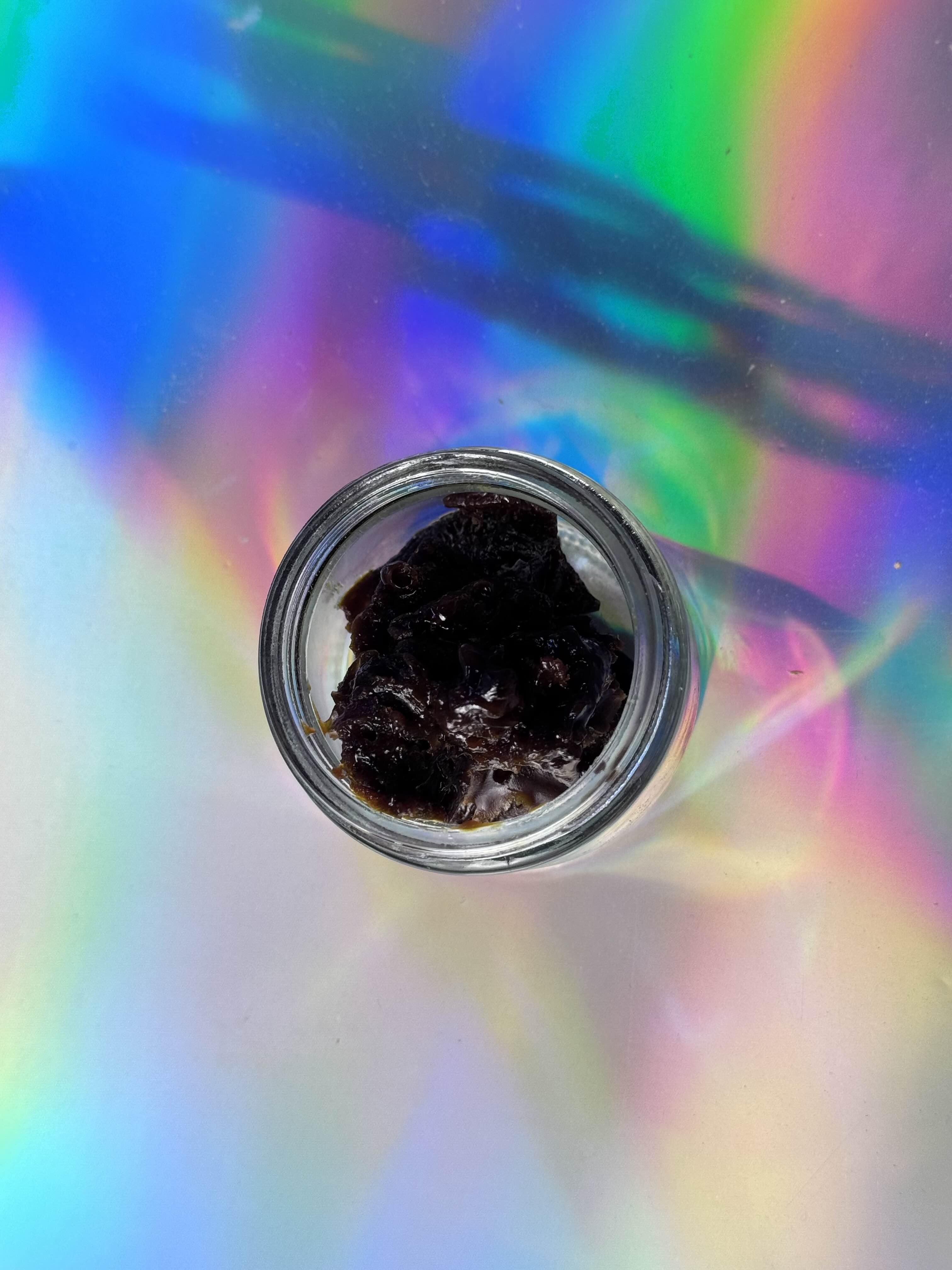




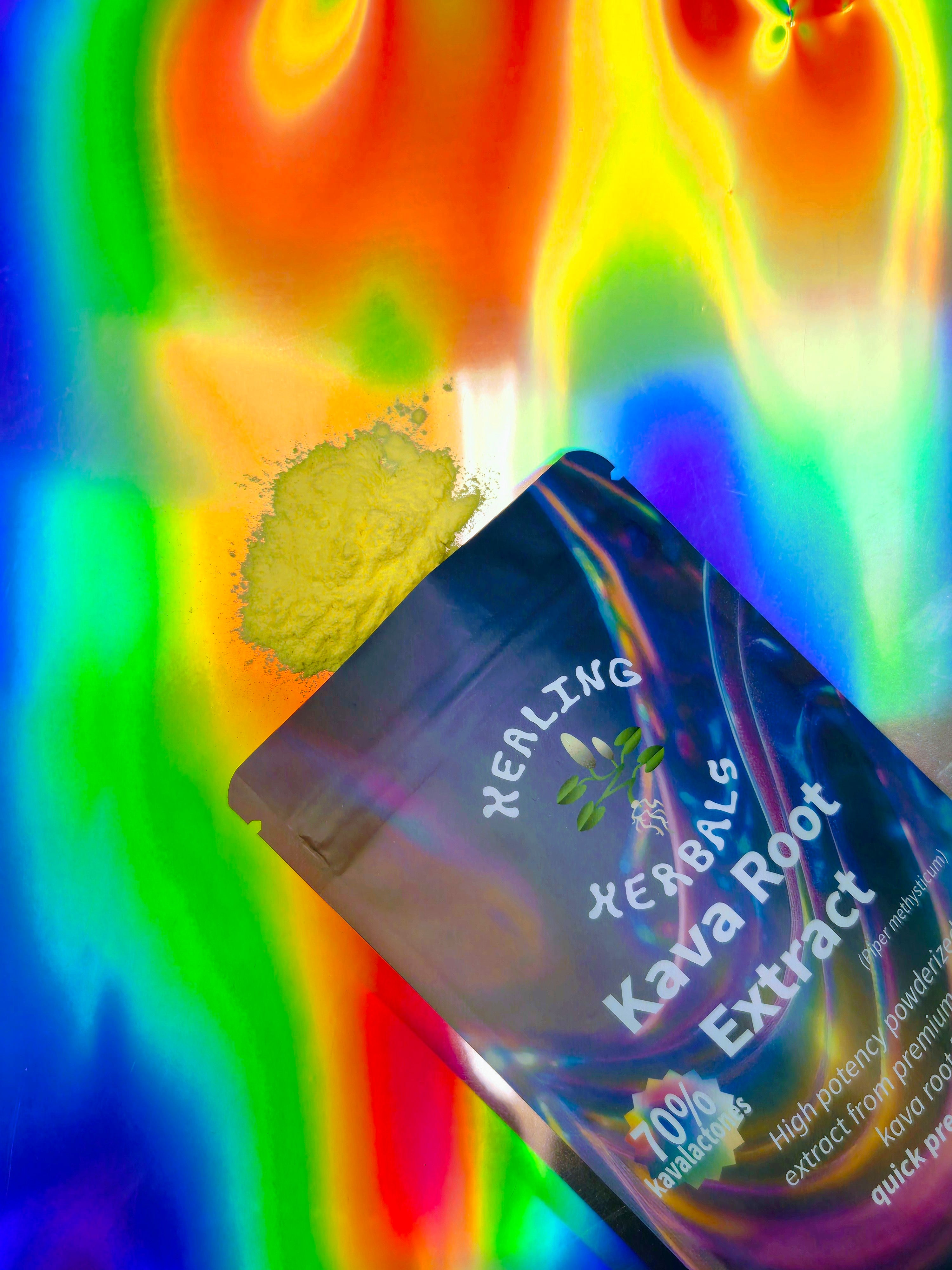
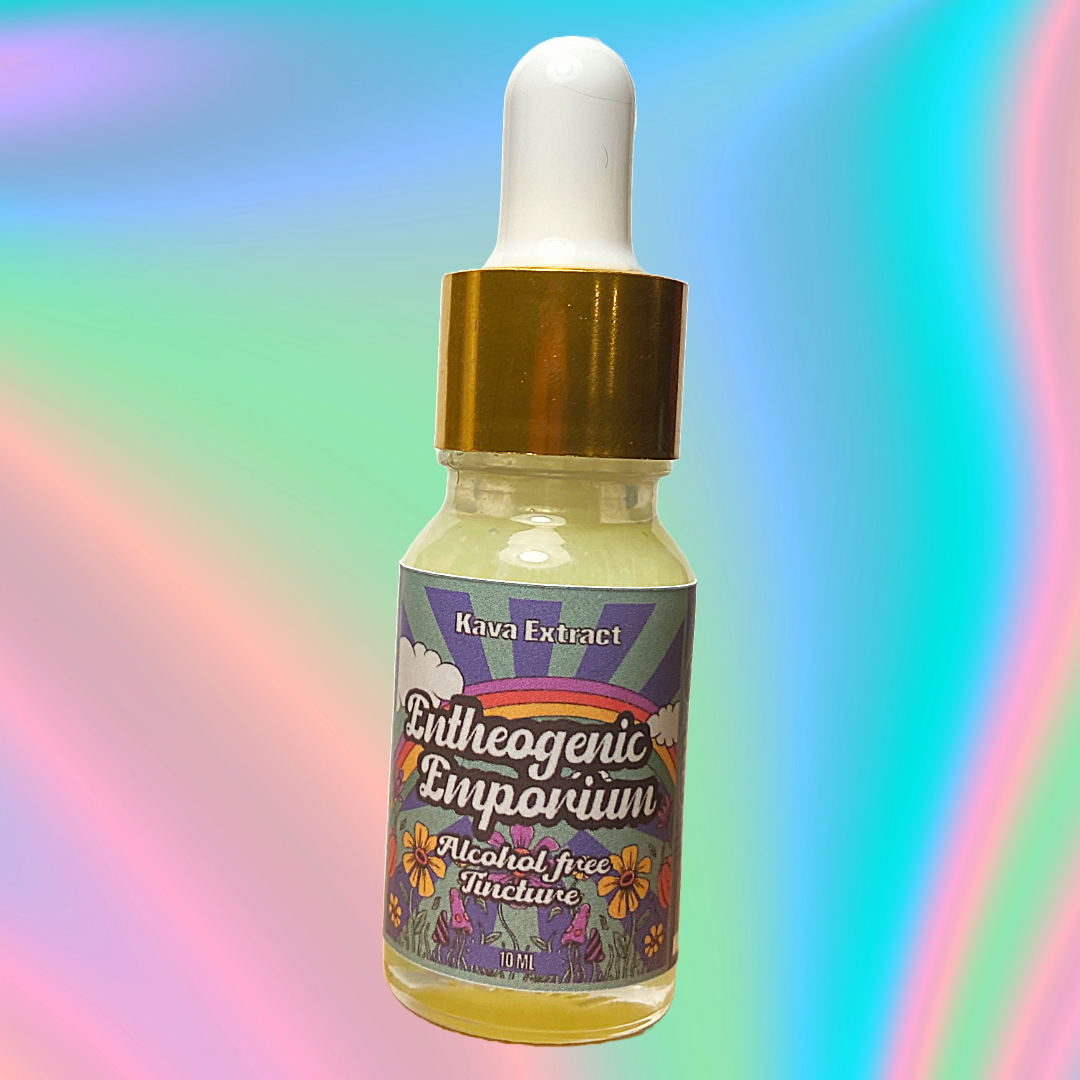
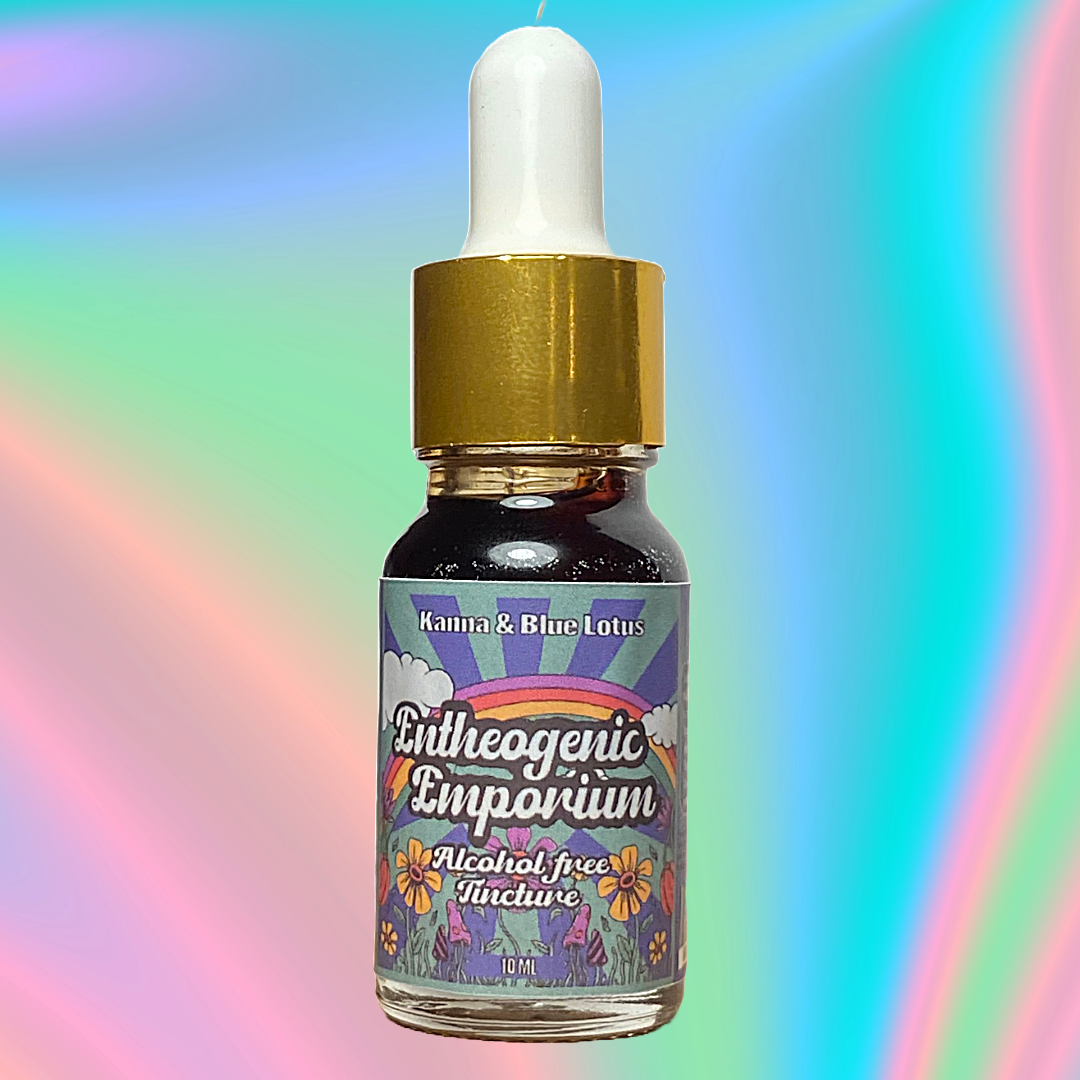


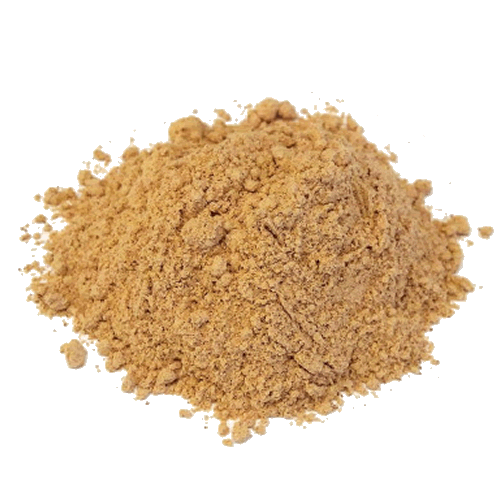
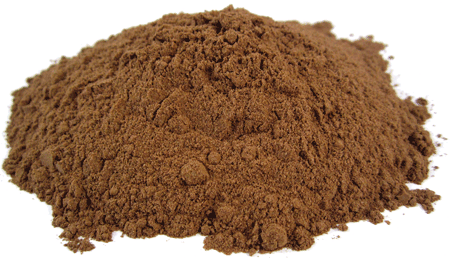
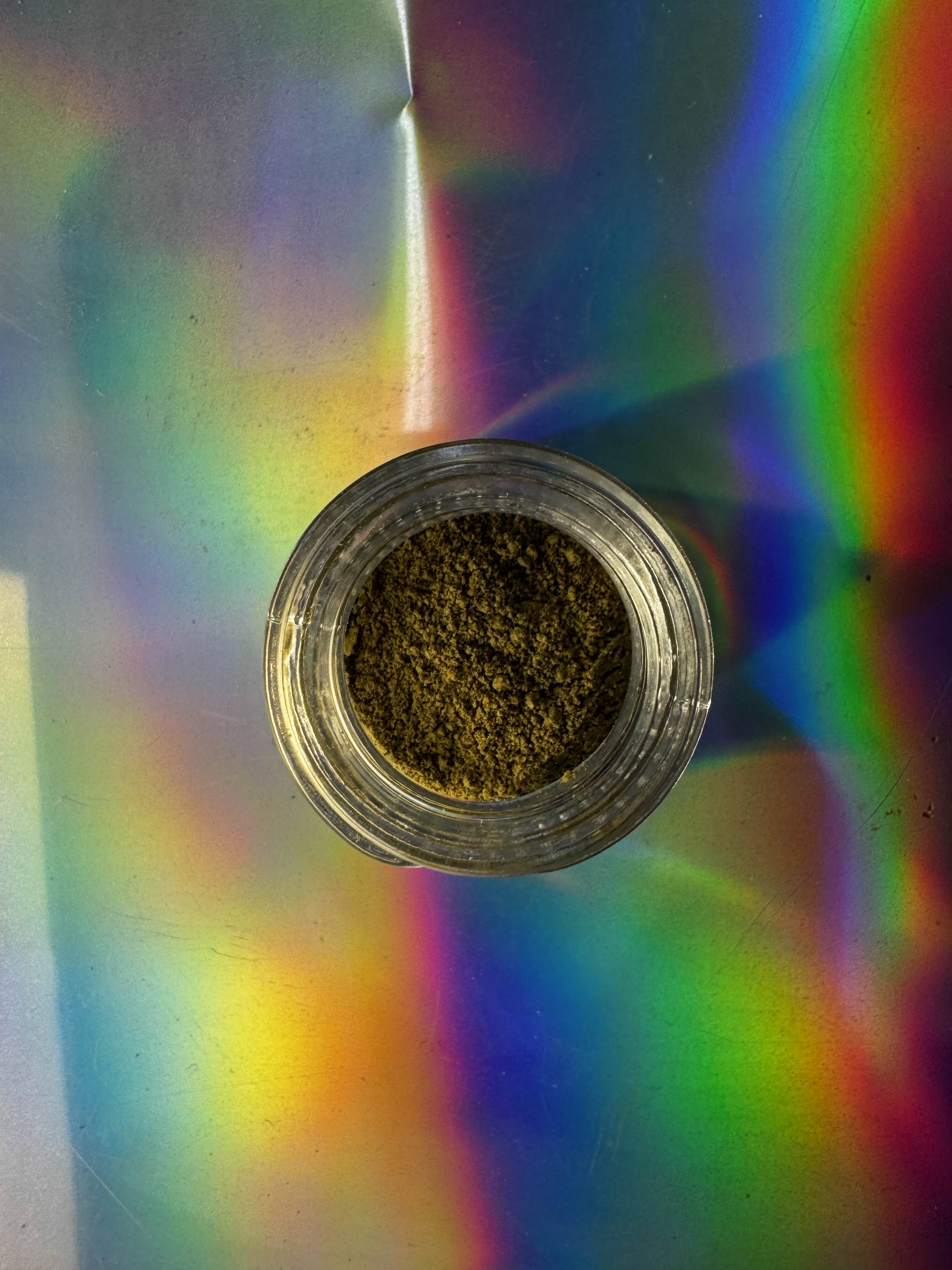

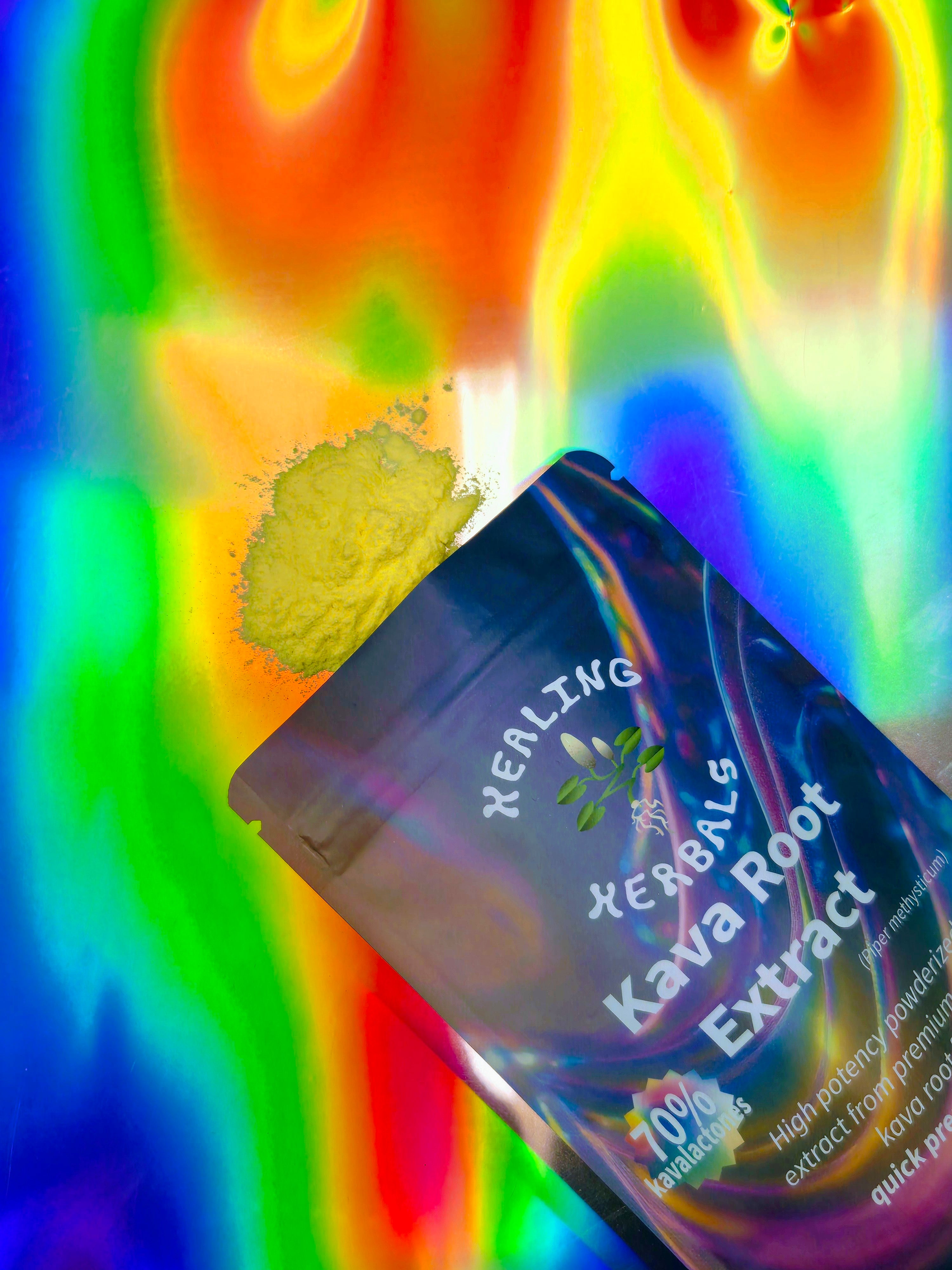


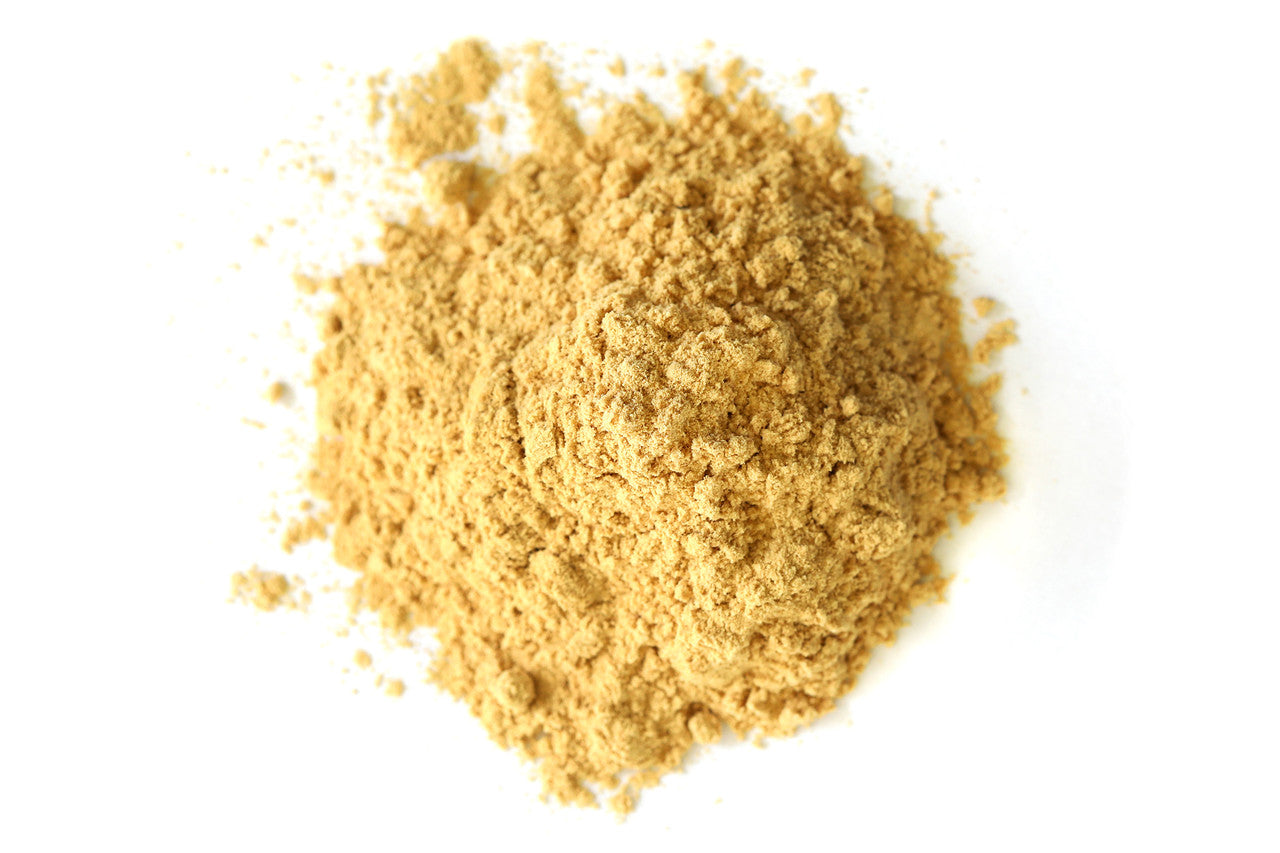

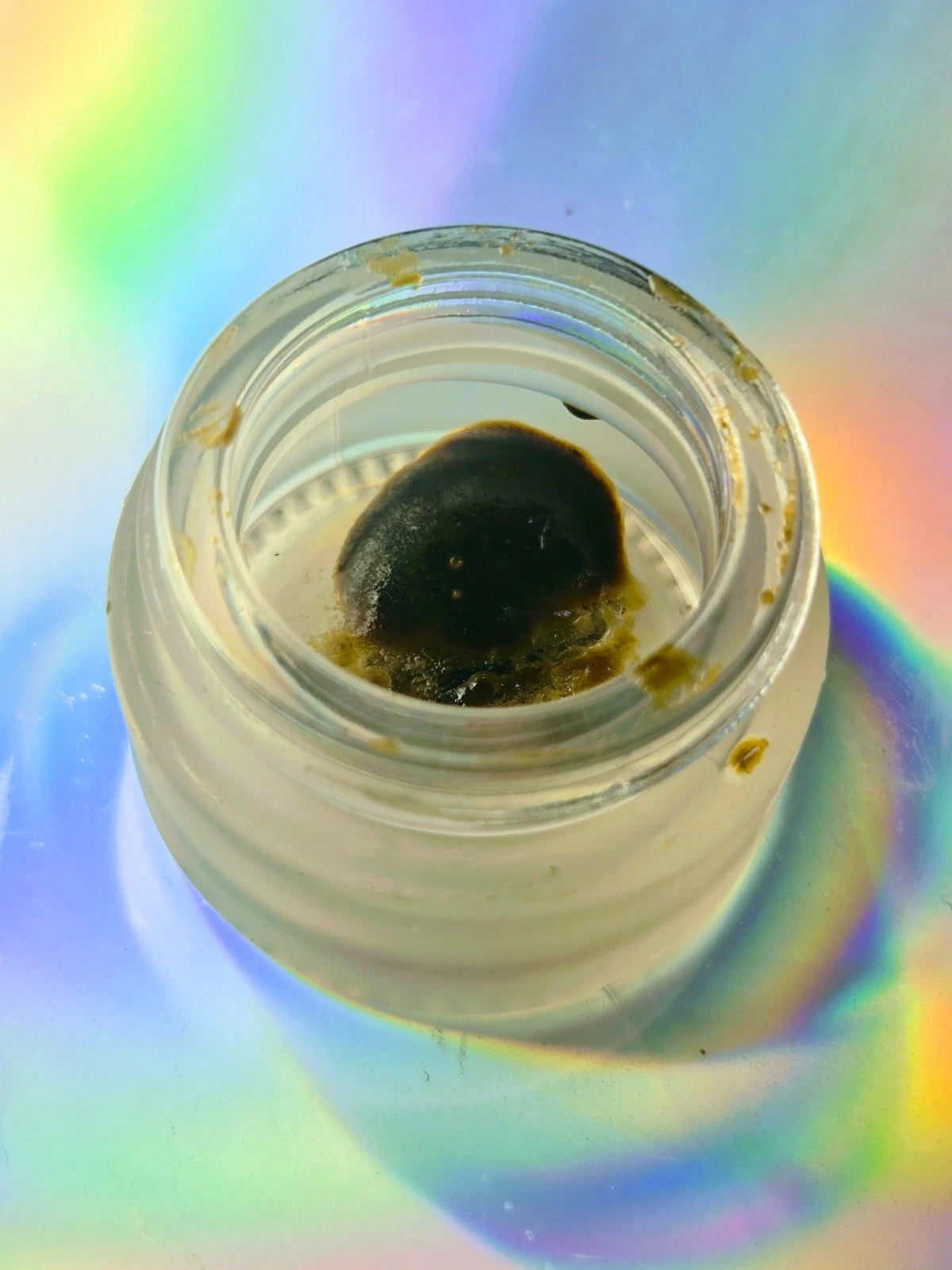
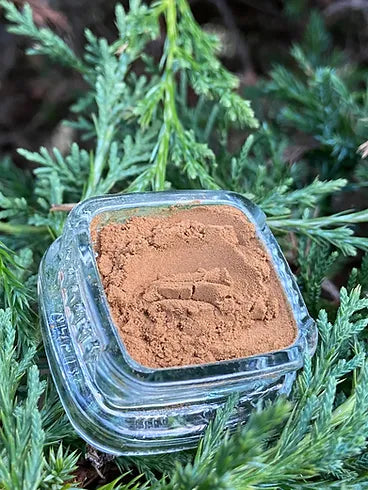

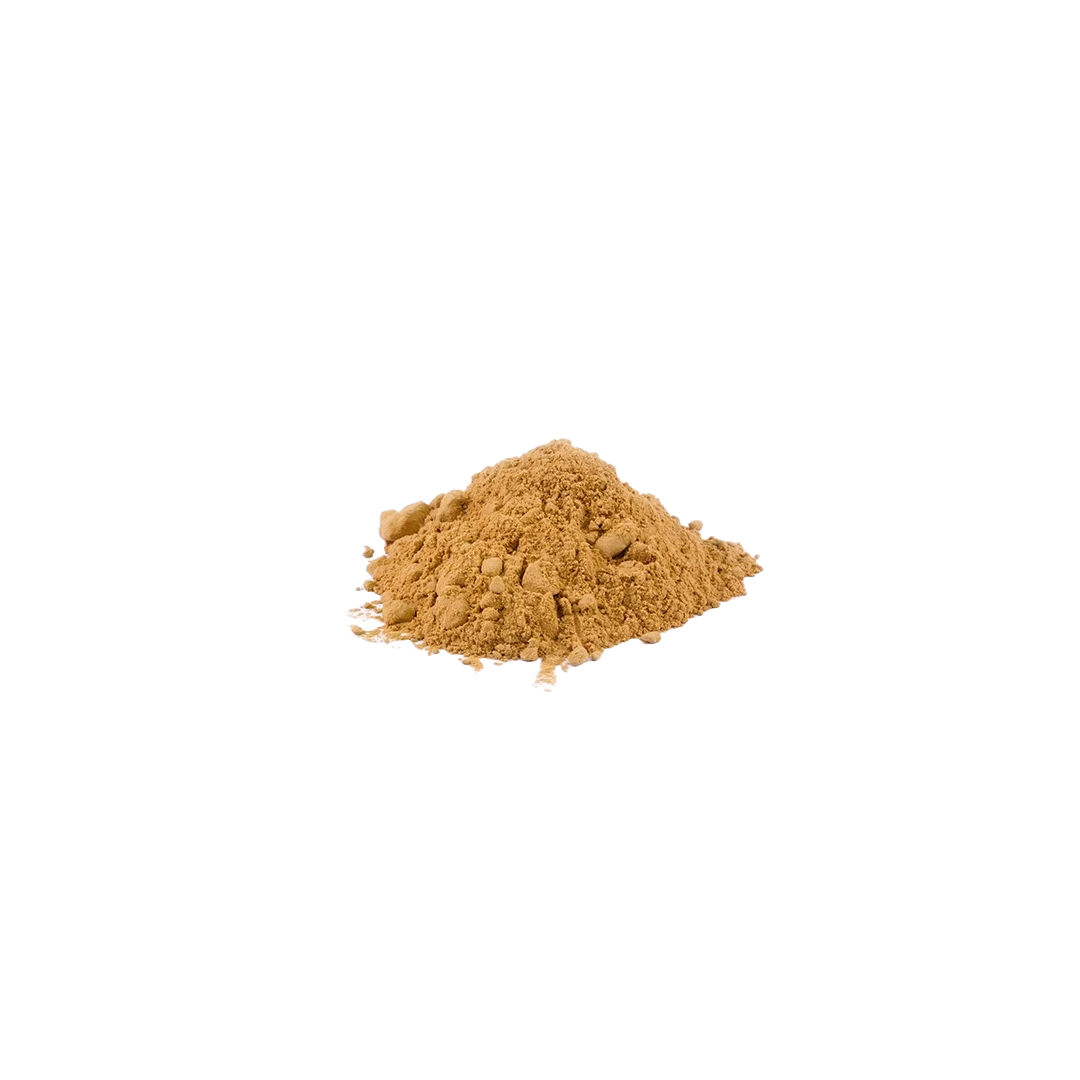
Botanical extract guide: formats, how to choose and dosing
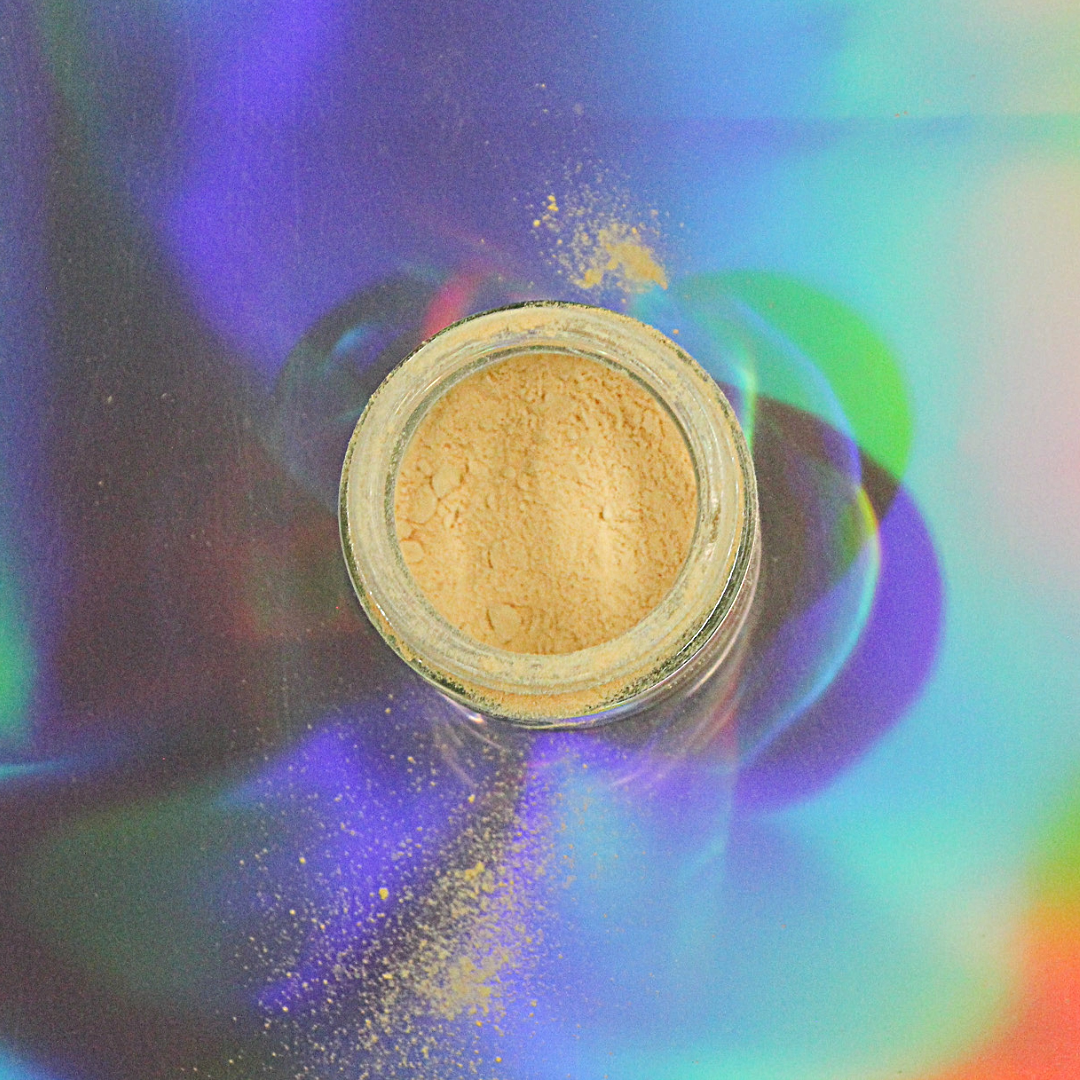
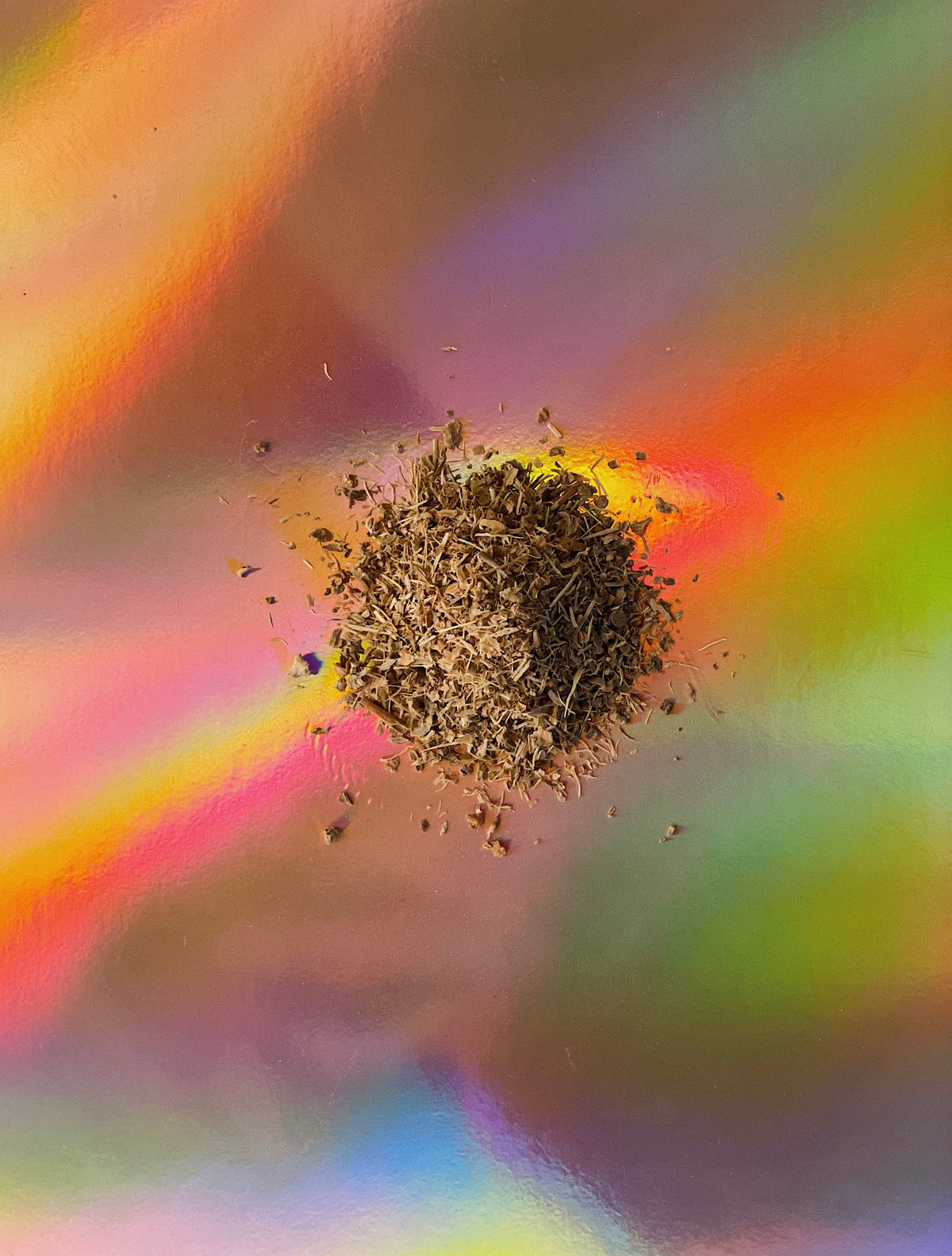
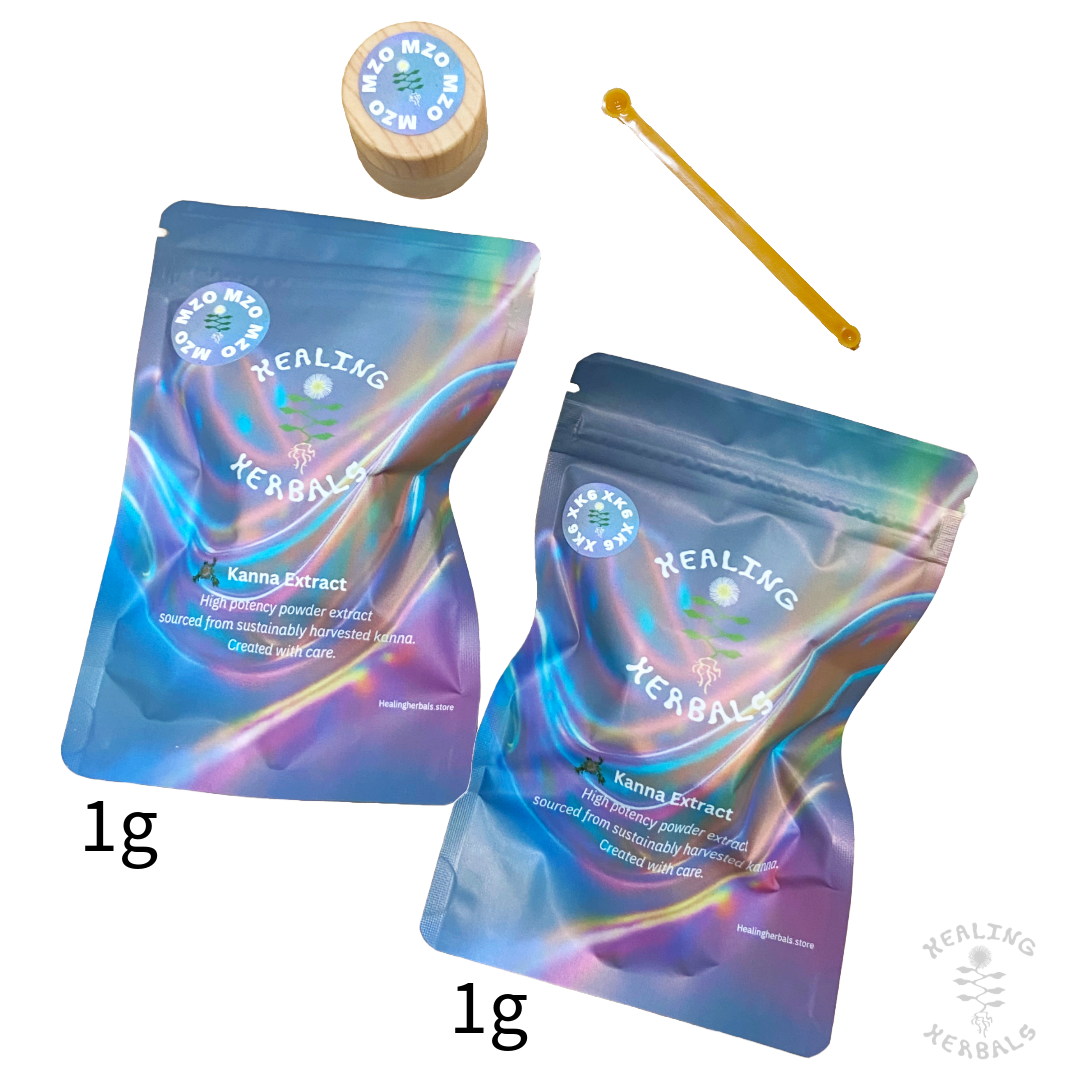
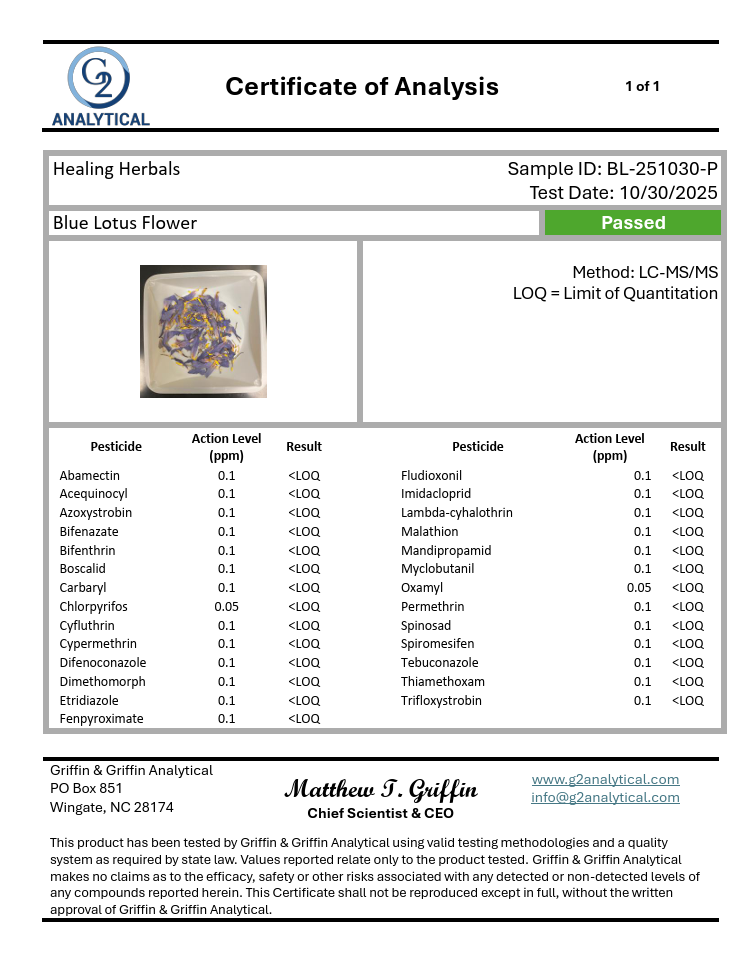
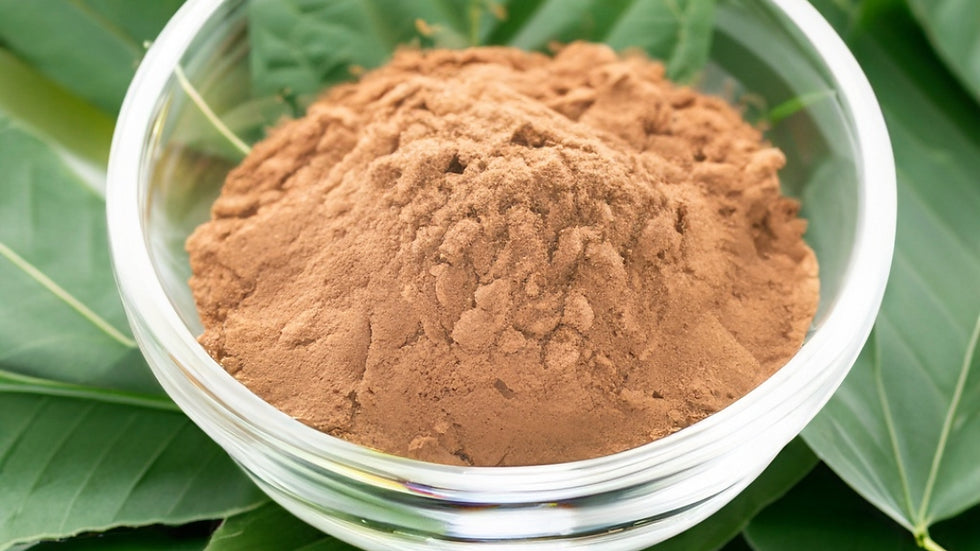
This is the full range of concentrated botanicals at Healing Herbals, 76 listings including kanna, kava, blue lotus, amanita, wild dagga, functional mushrooms and traditional herbs such as valerian, lemon balm and wild lettuce. Every batch is selected with a strict focus on purity, species authenticity and alkaloid preservation, and is produced or curated in partnership with sustainable growers. Extracts are made in small batches, our standardized lines are lab tested, and kanna is sourced through South African San Council benefit-sharing partnerships. The non-kanna concentrates also have their own shelf under botanical extracts, and most kanna newcomers begin with BLOOM MT5 5% extract.
At a glance
- Concentrated botanicals as powder, resin or liquid
- 76 listings
- Kanna, kava, blue lotus, amanita, wild dagga, functional mushrooms and herbs such as valerian, lemon balm and wild lettuce
- Selected for purity, species authenticity and alkaloid preservation
- Made in small batches, standardized lines lab tested
- Kanna sourced through South African San Council benefit-sharing partnerships
The plants. An extract concentrates a plant's active constituents into a powder, resin or liquid, and the plants here each carry a distinct chemistry:
- Kanna, Sceletium tortuosum, holds mesembrine and mesembrenone
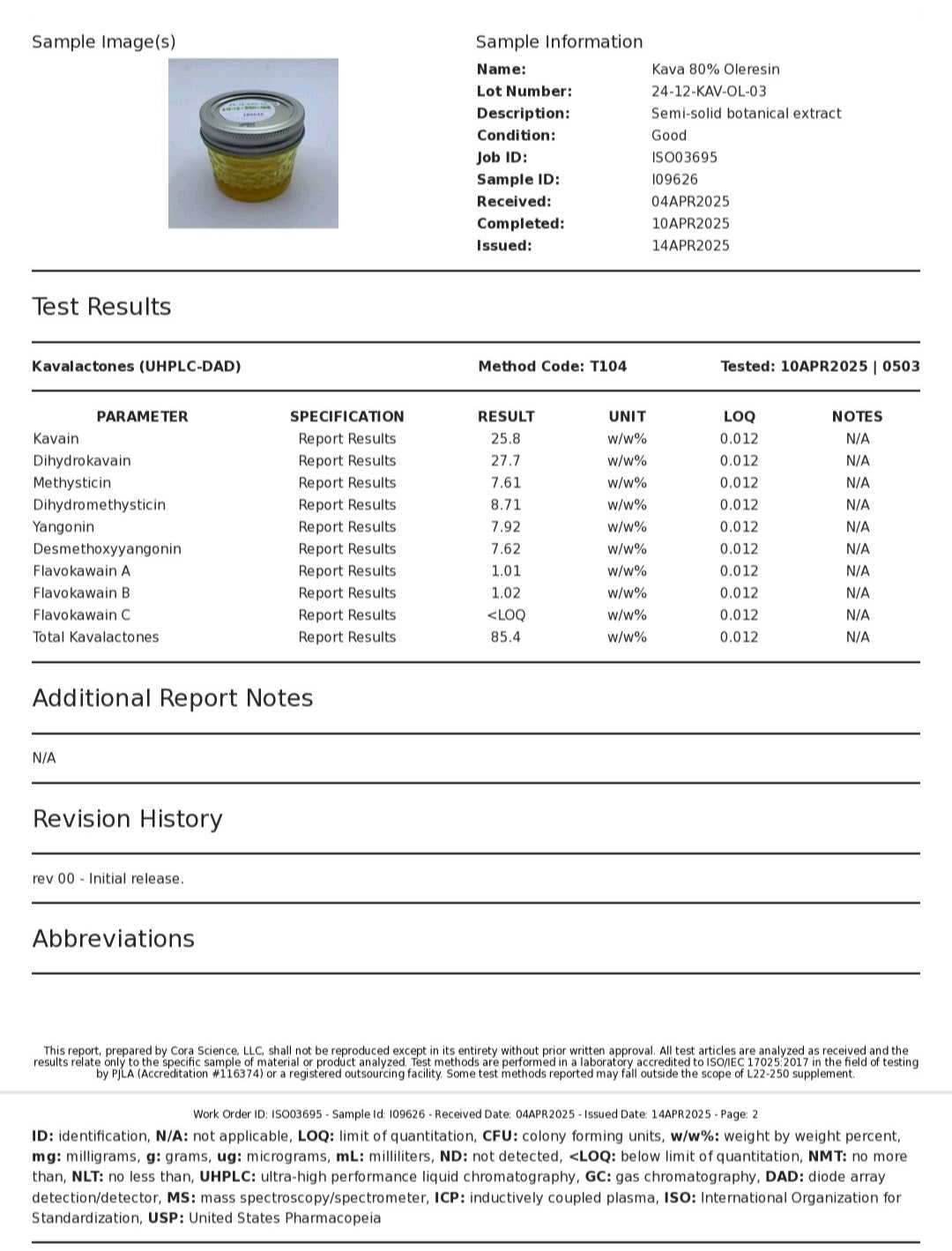
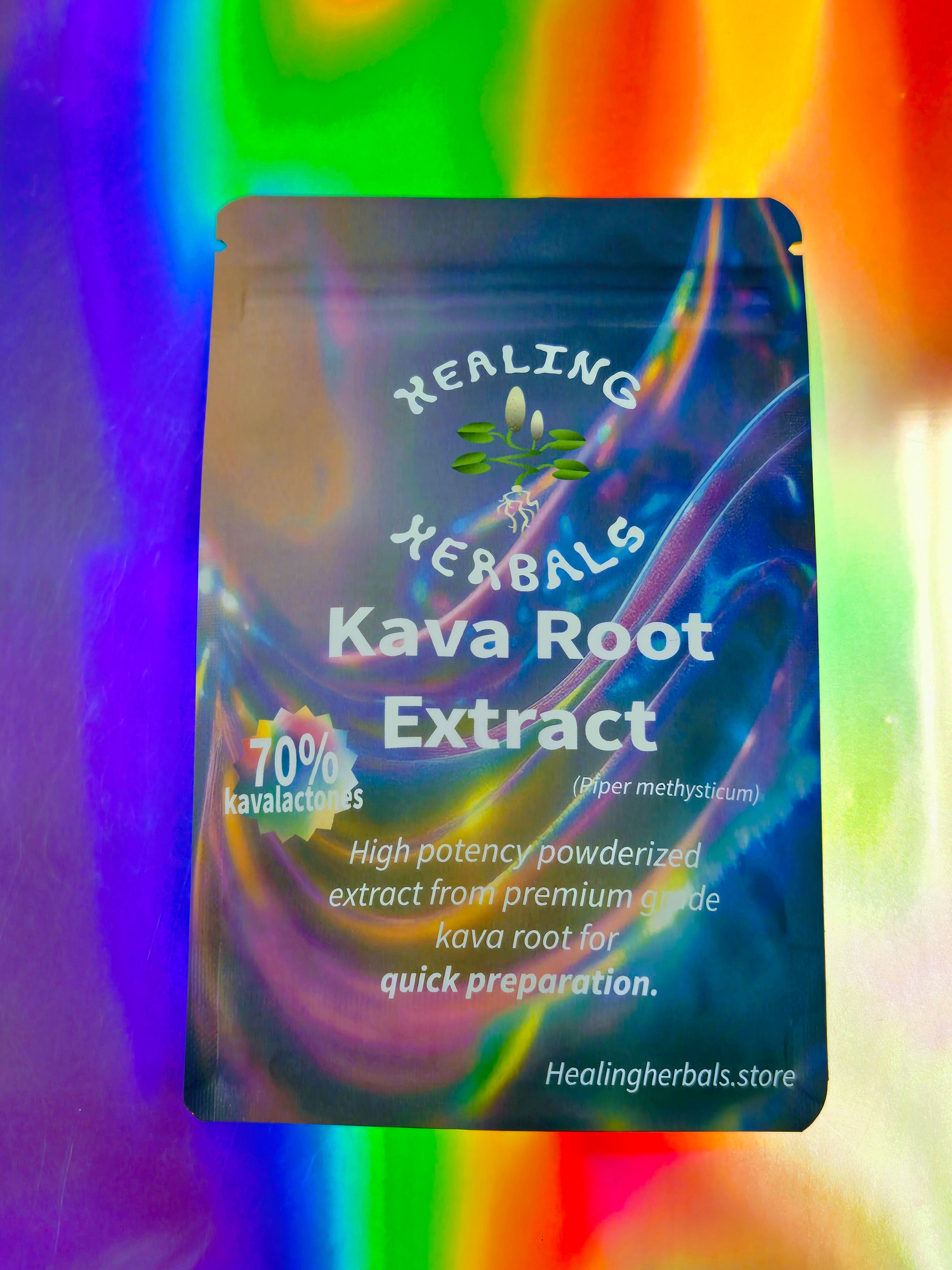
- Kava, Piper methysticum, holds six kavalactones led by kavain and dihydromethysticin
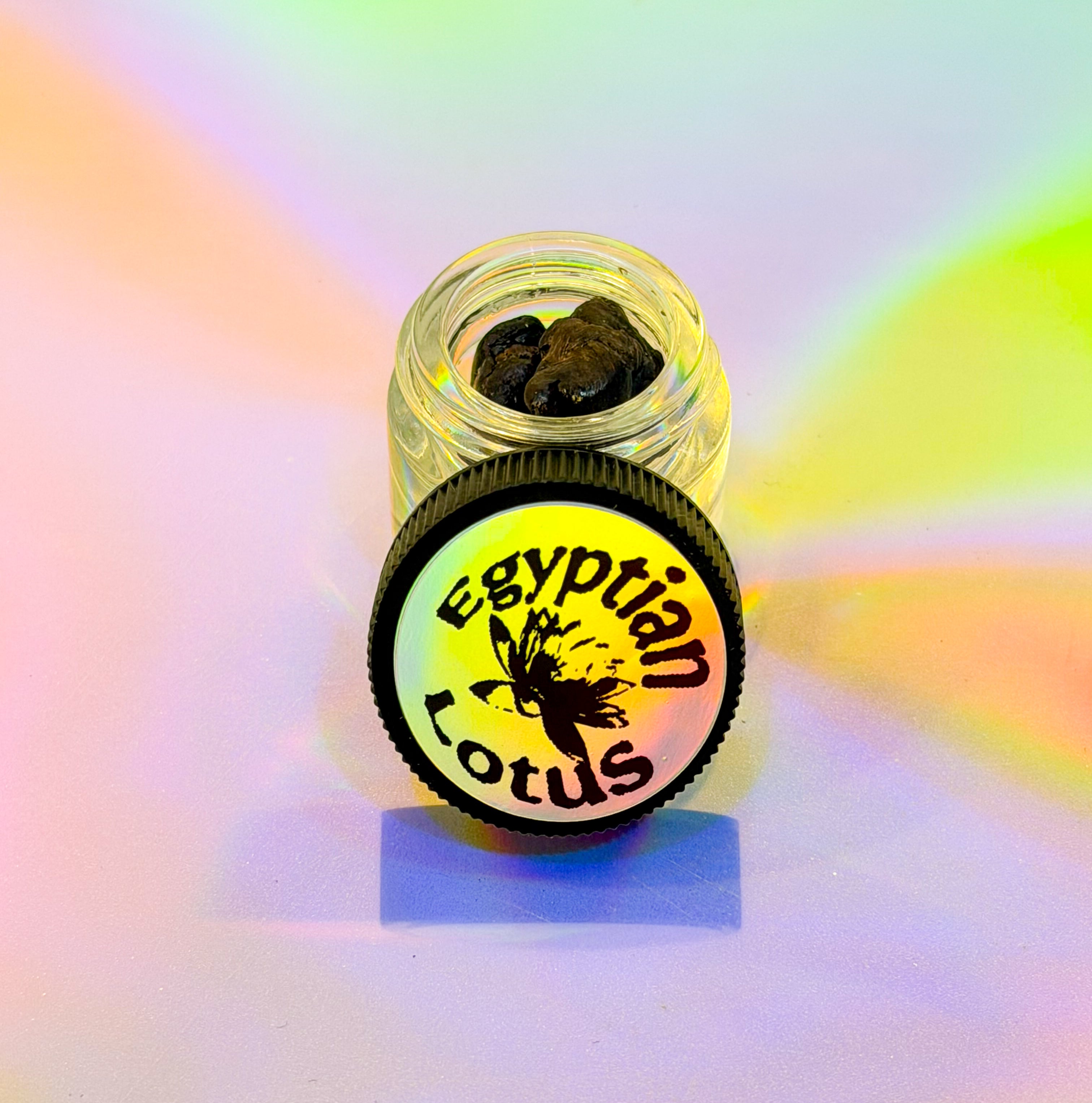
- Blue lotus, Nymphaea caerulea, holds nuciferine and aporphine
- Amanita muscaria holds muscimol once its ibotenic acid is converted
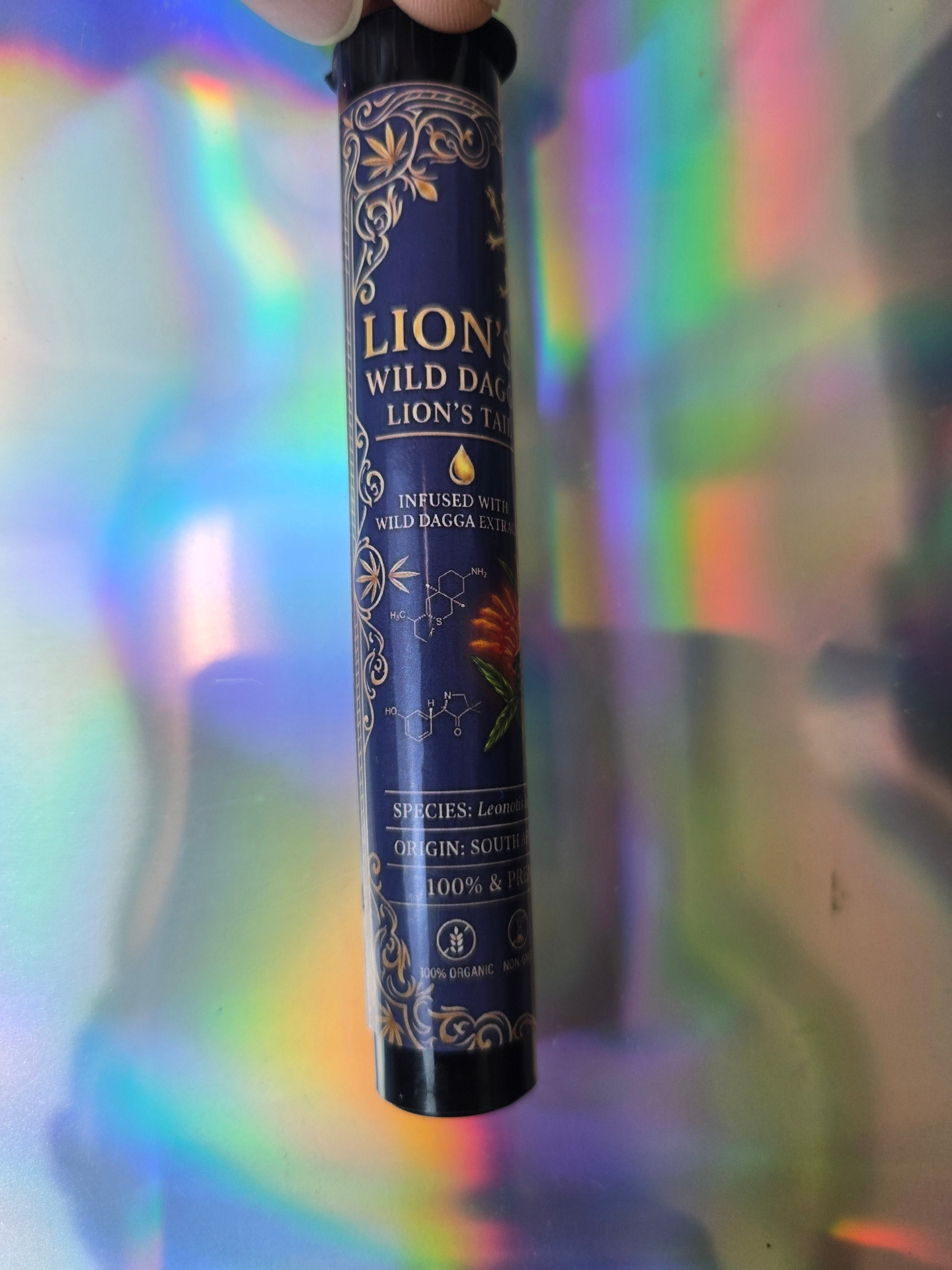
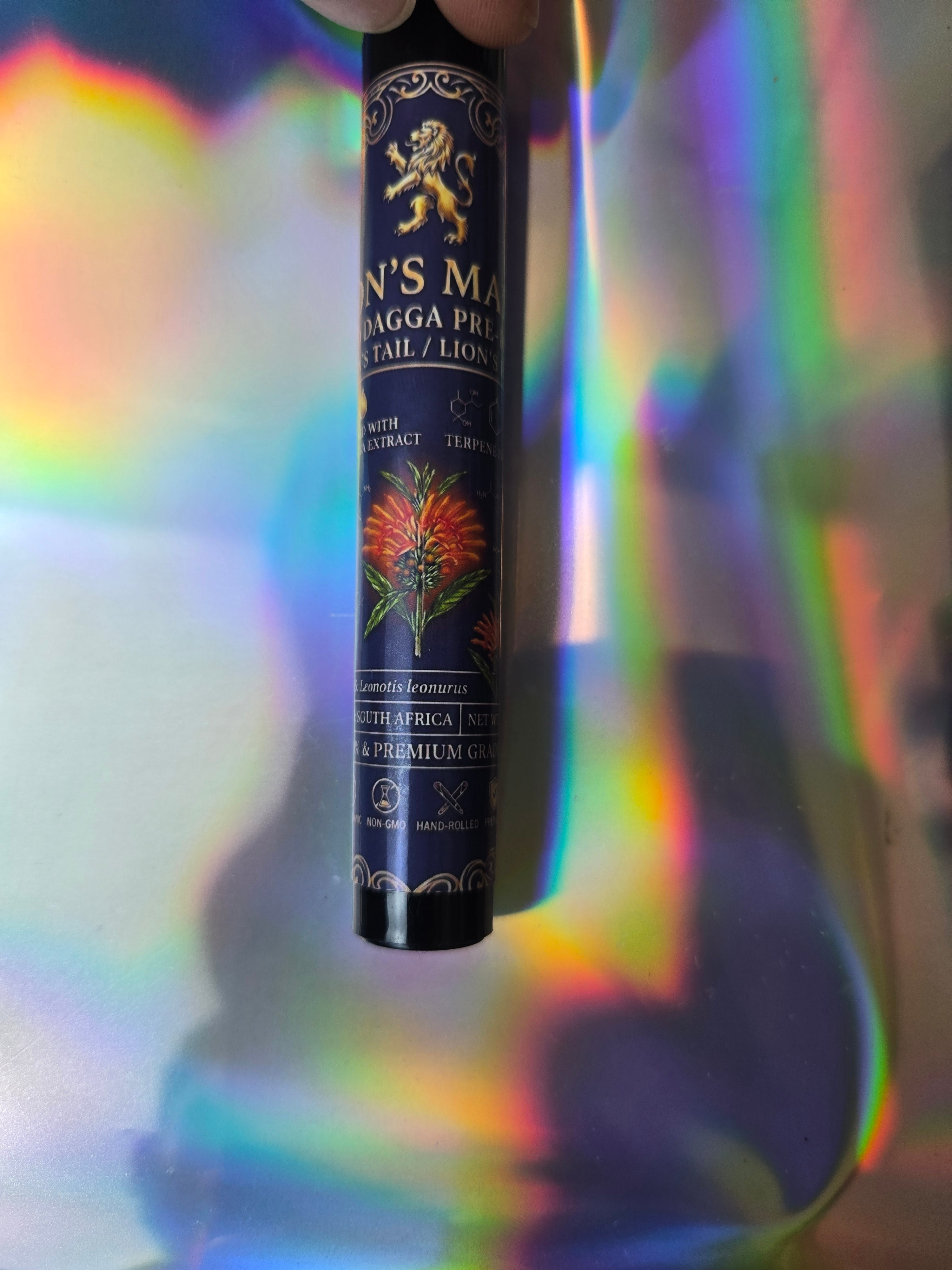
- Wild dagga, Leonotis leonurus, holds leonurine
- Lion's mane holds hericenones and erinacines
A ratio such as 10:1 or 100:1 tells you how many grams of plant went into one gram of extract.
How to choose. Decide on the plant first, then on the format:
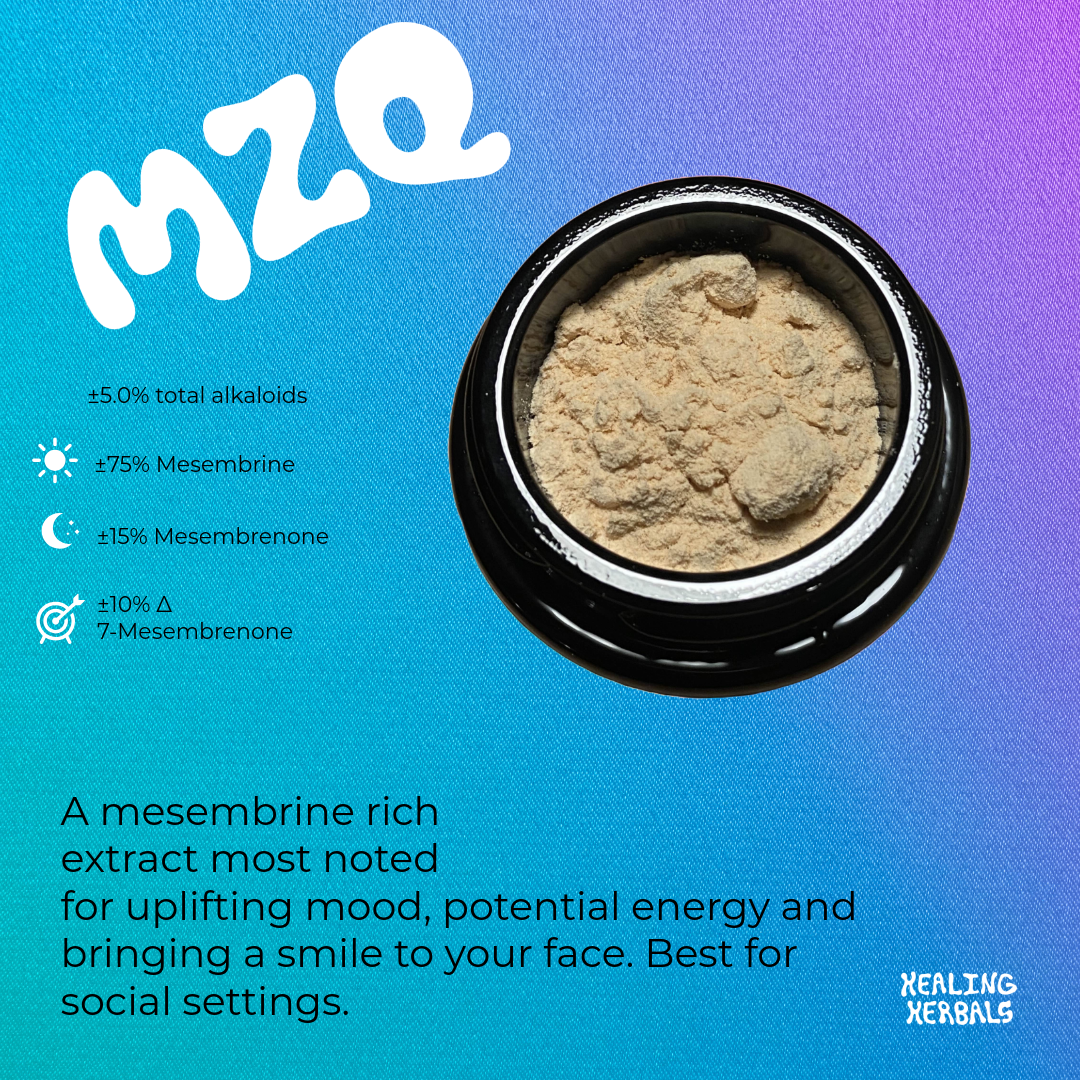
- For kanna the flagship powder is MZQ 5.5% high mesembrine
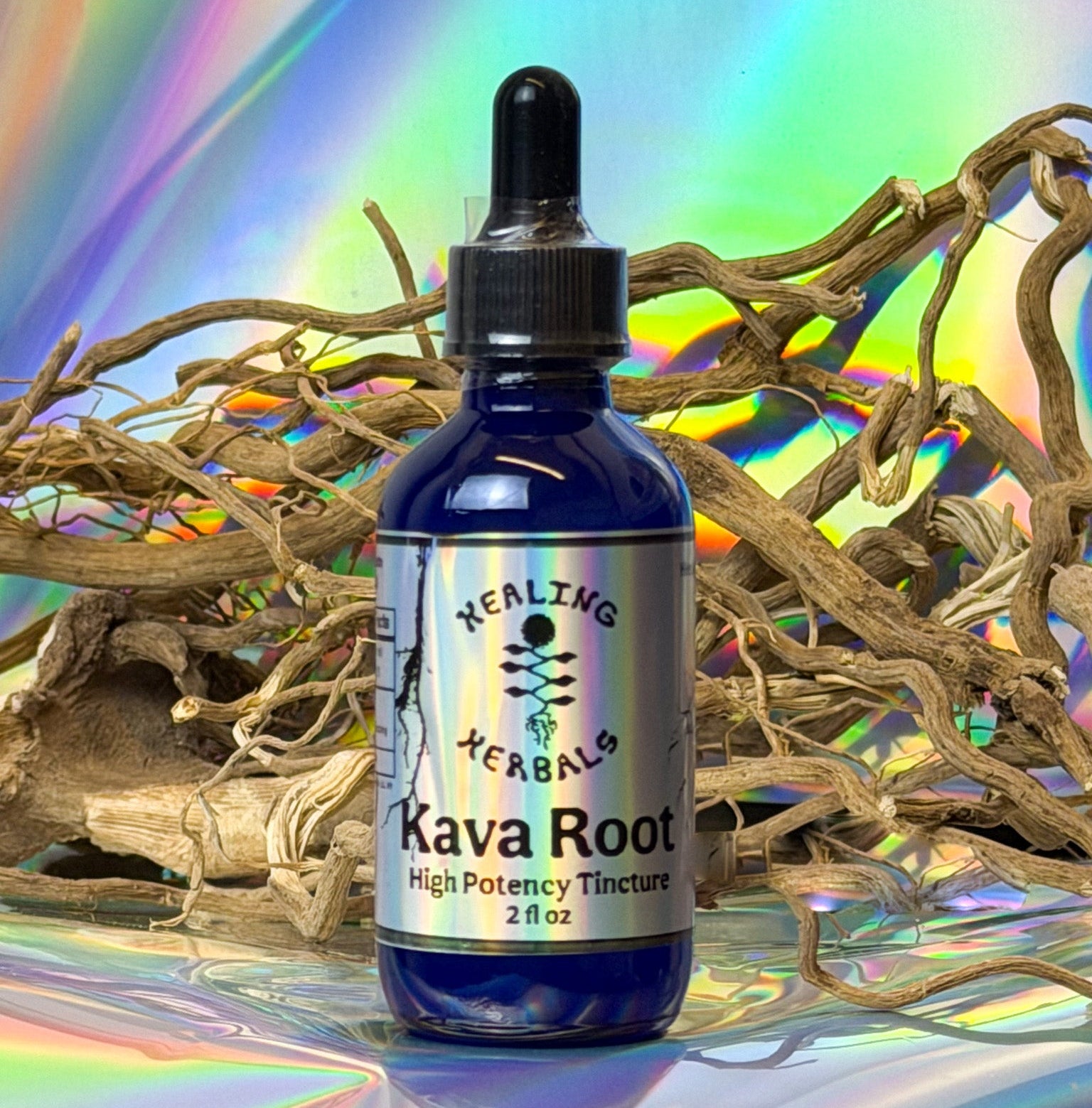
- For kava, the Kava Extract Powder High Potency is the concentrate most people start with
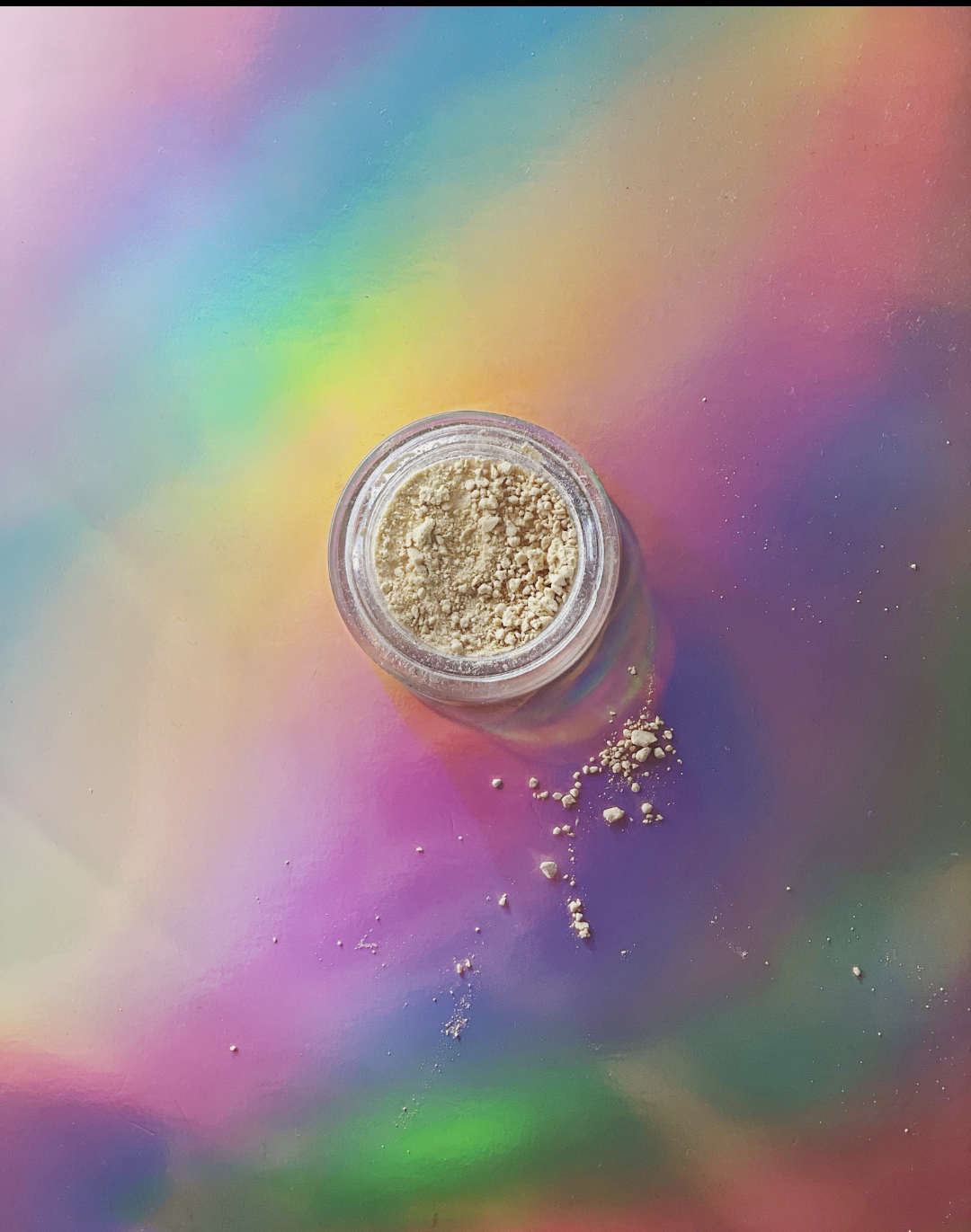
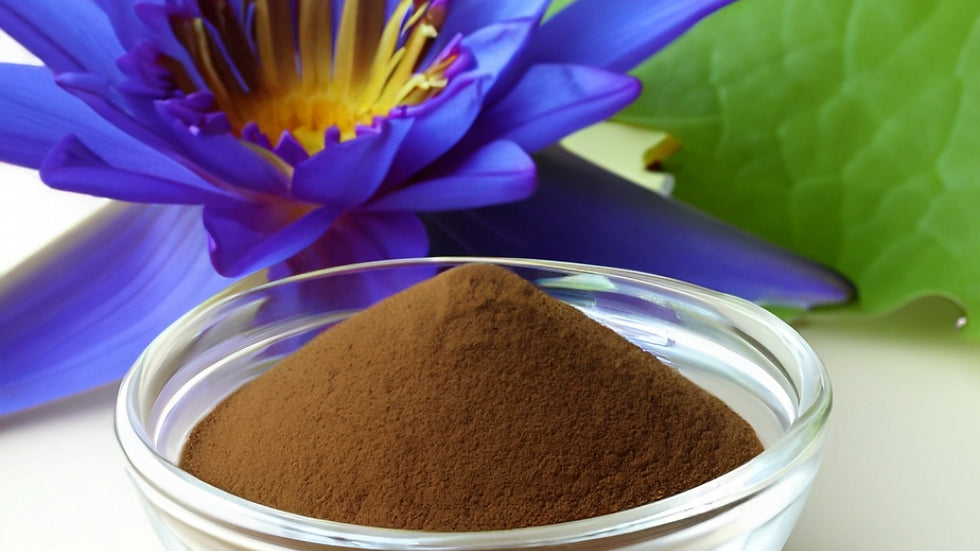
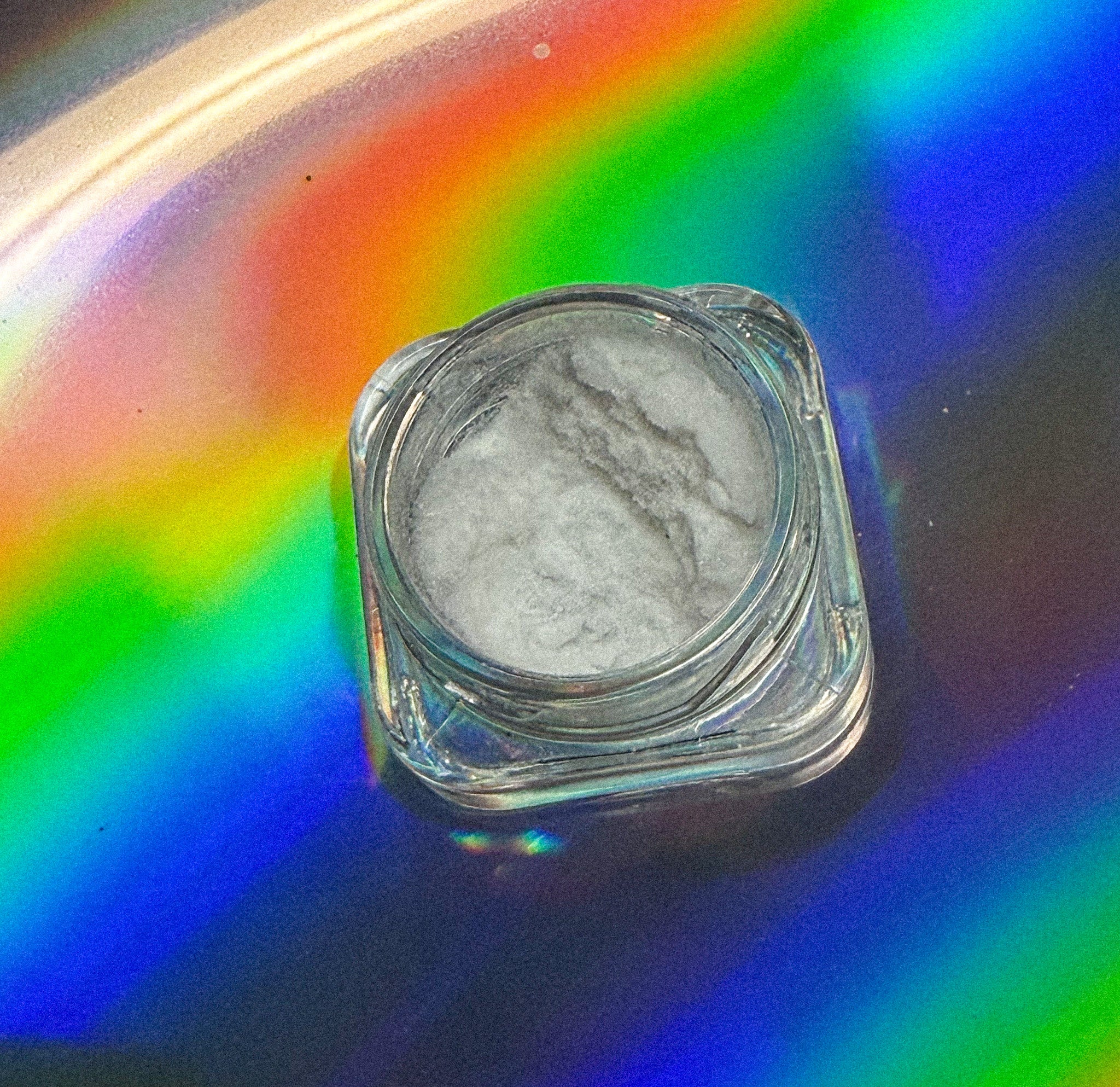
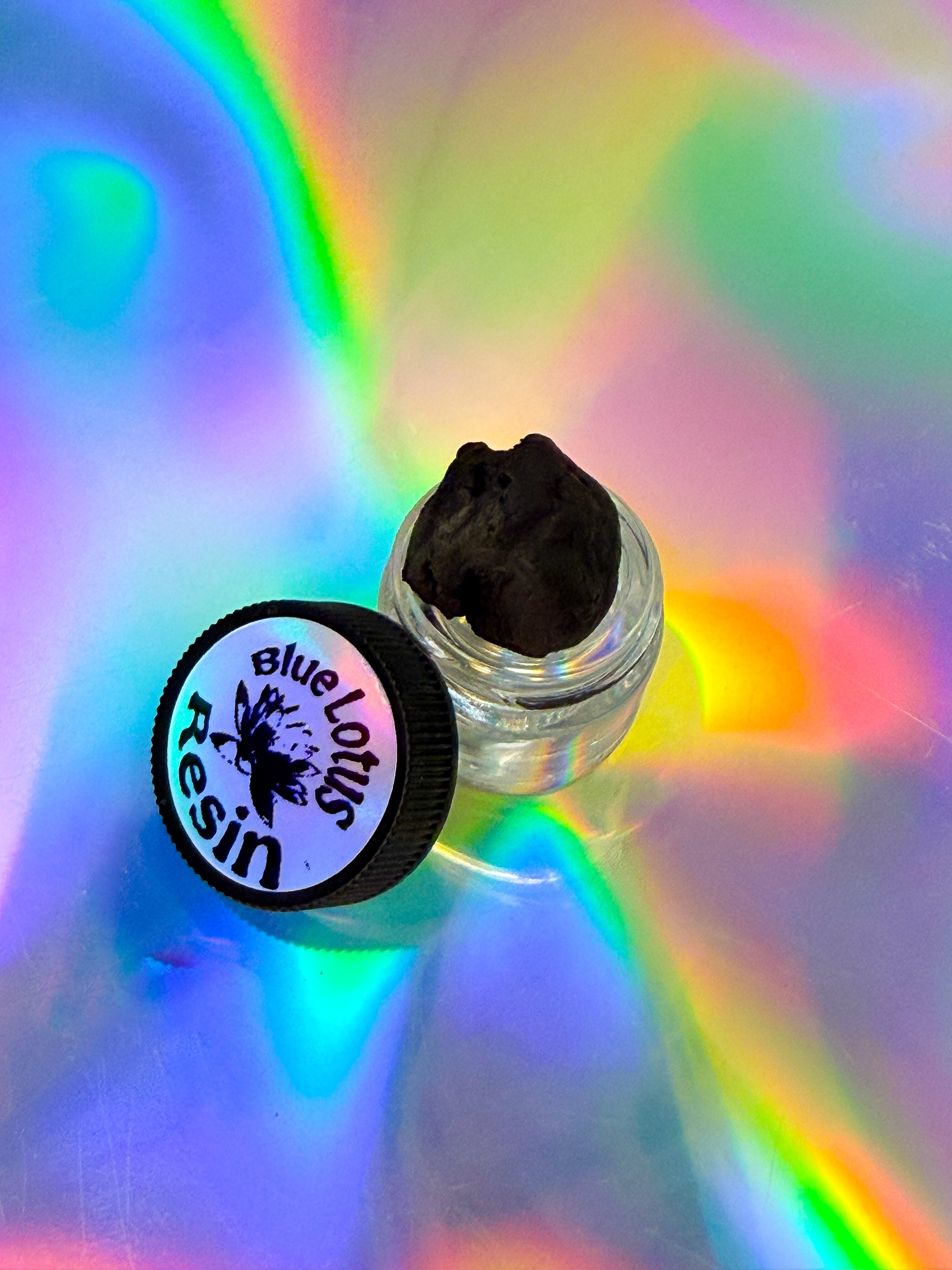
- For lotus, the Blue Lotus Extract Powder 100:1
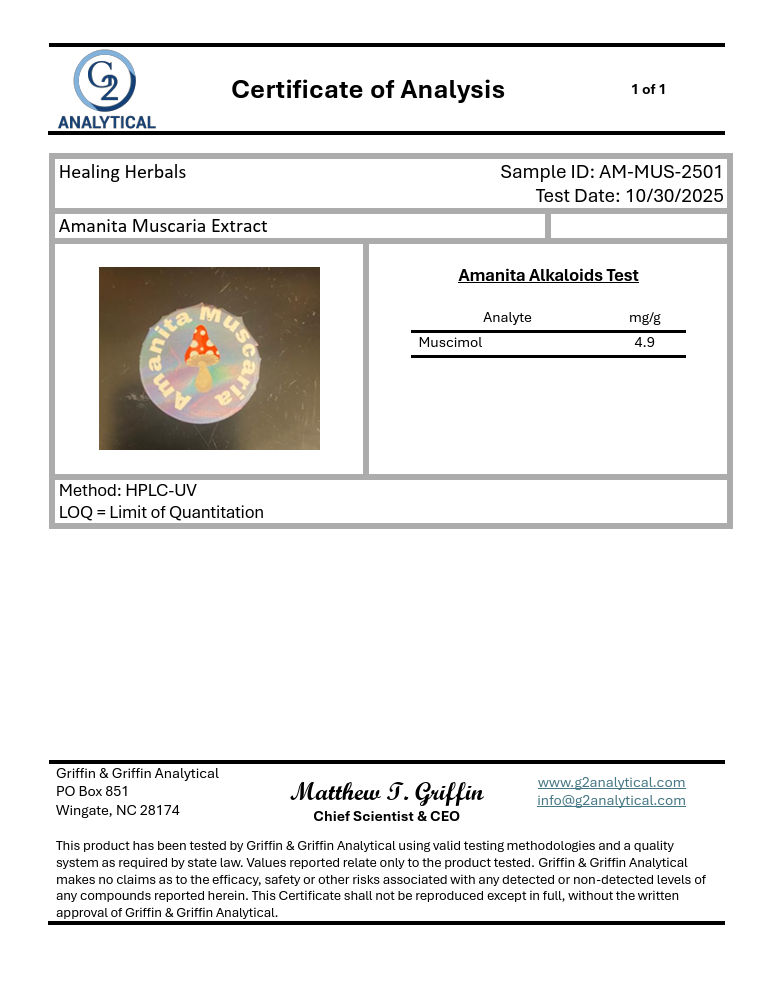
- For amanita, the HPLC-tested Amanita Extract 15:1 High Muscimol
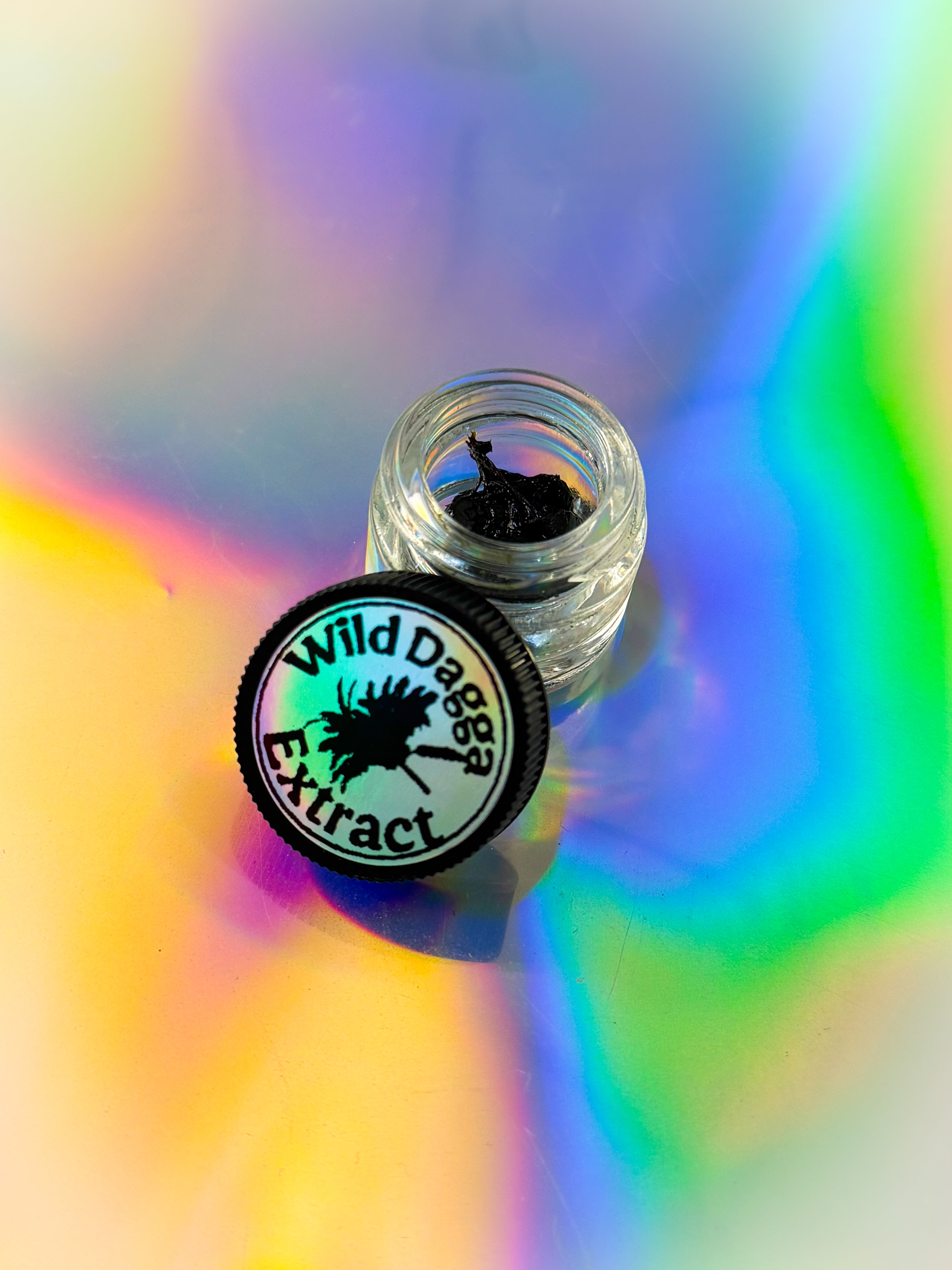
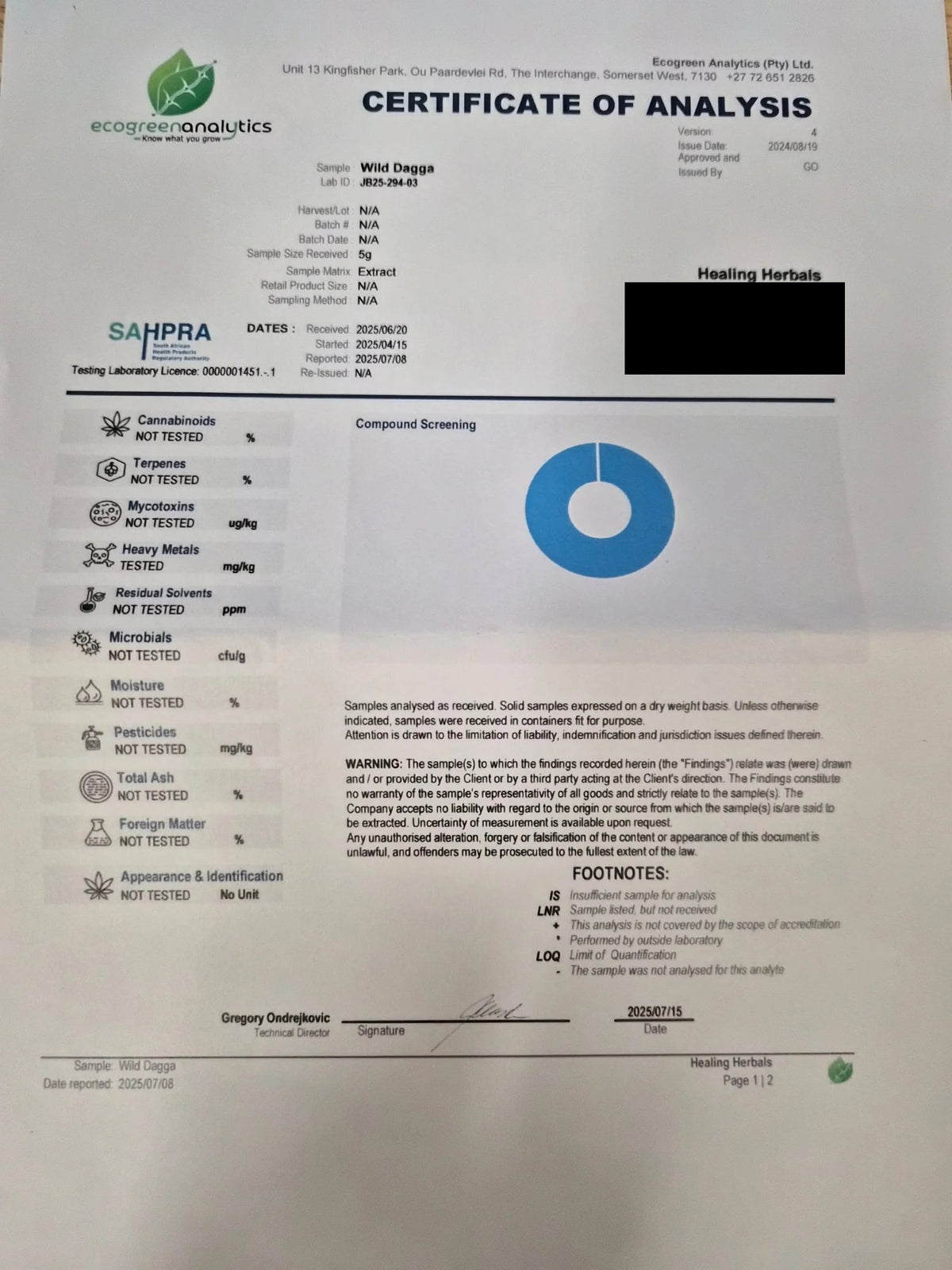
- Our own farm supplies the Wild Dagga Extract
- Mushroom drinkers choose Lions Mane Extract Powder
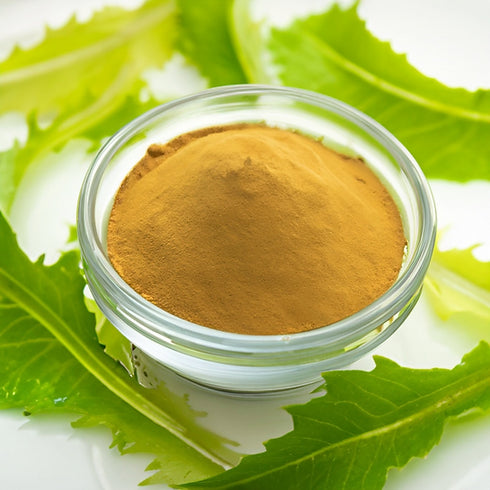
- The classic herb shelf includes Valerian Root Extract Powder and Organic Lemon Balm Extract
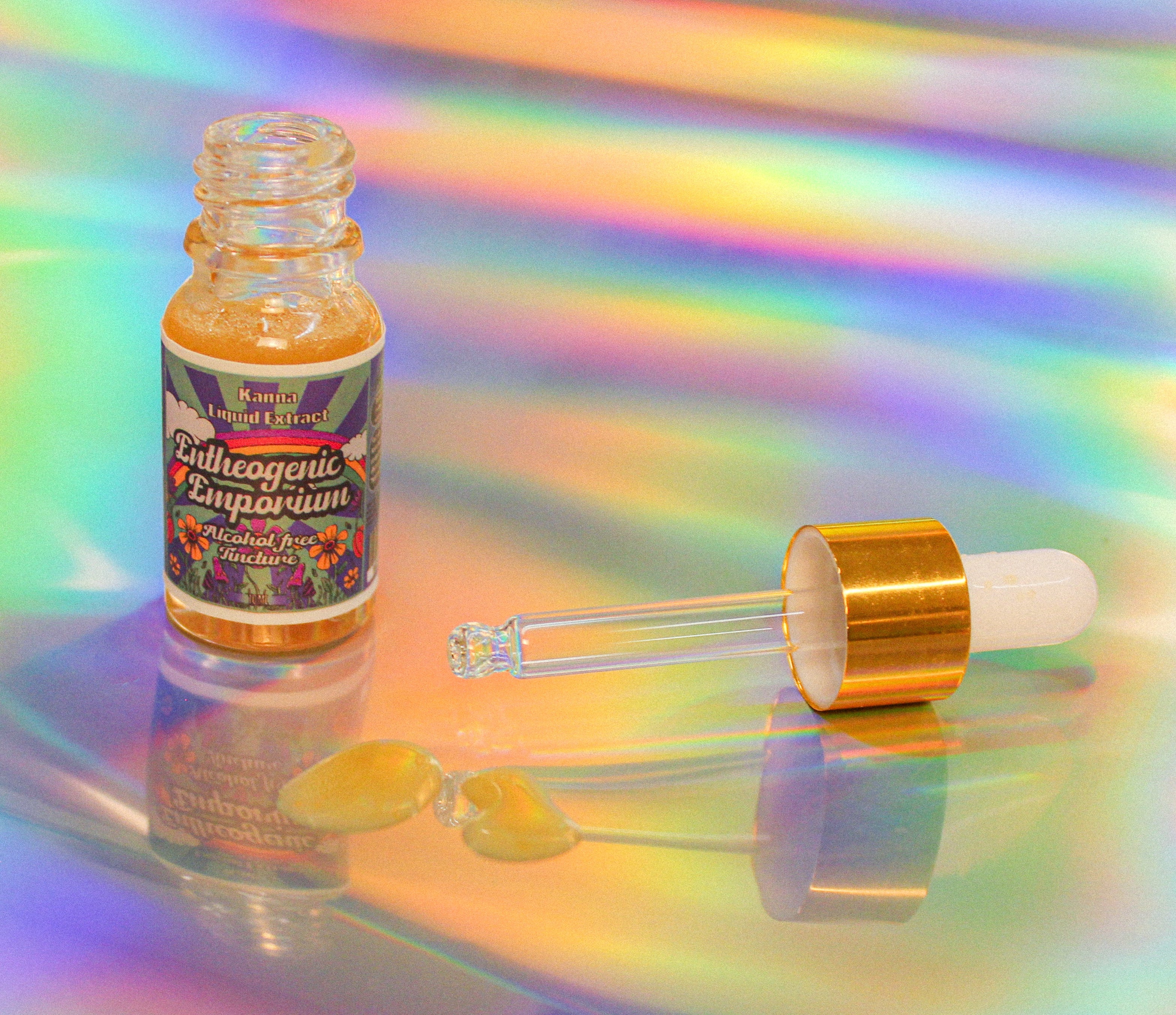
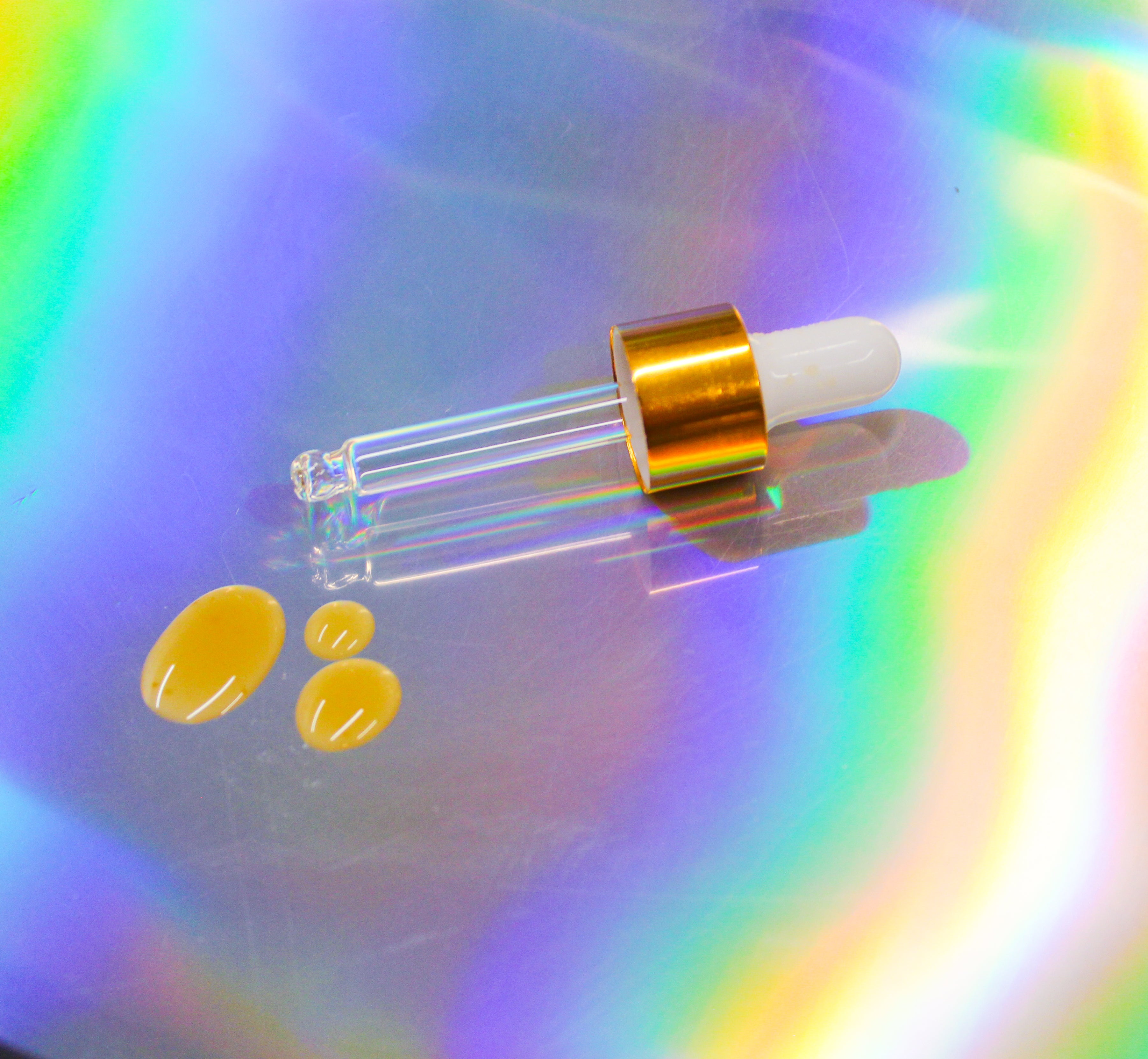
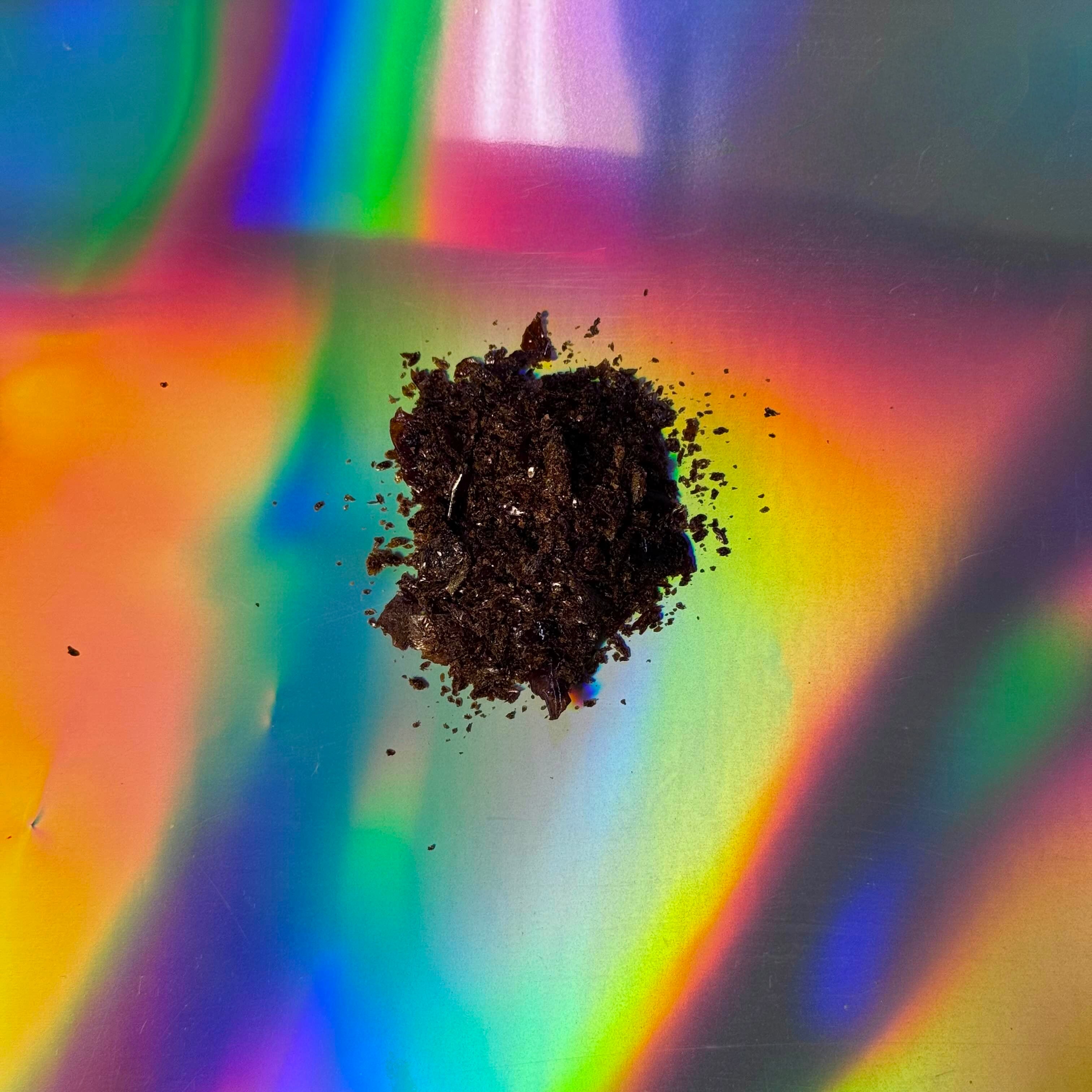
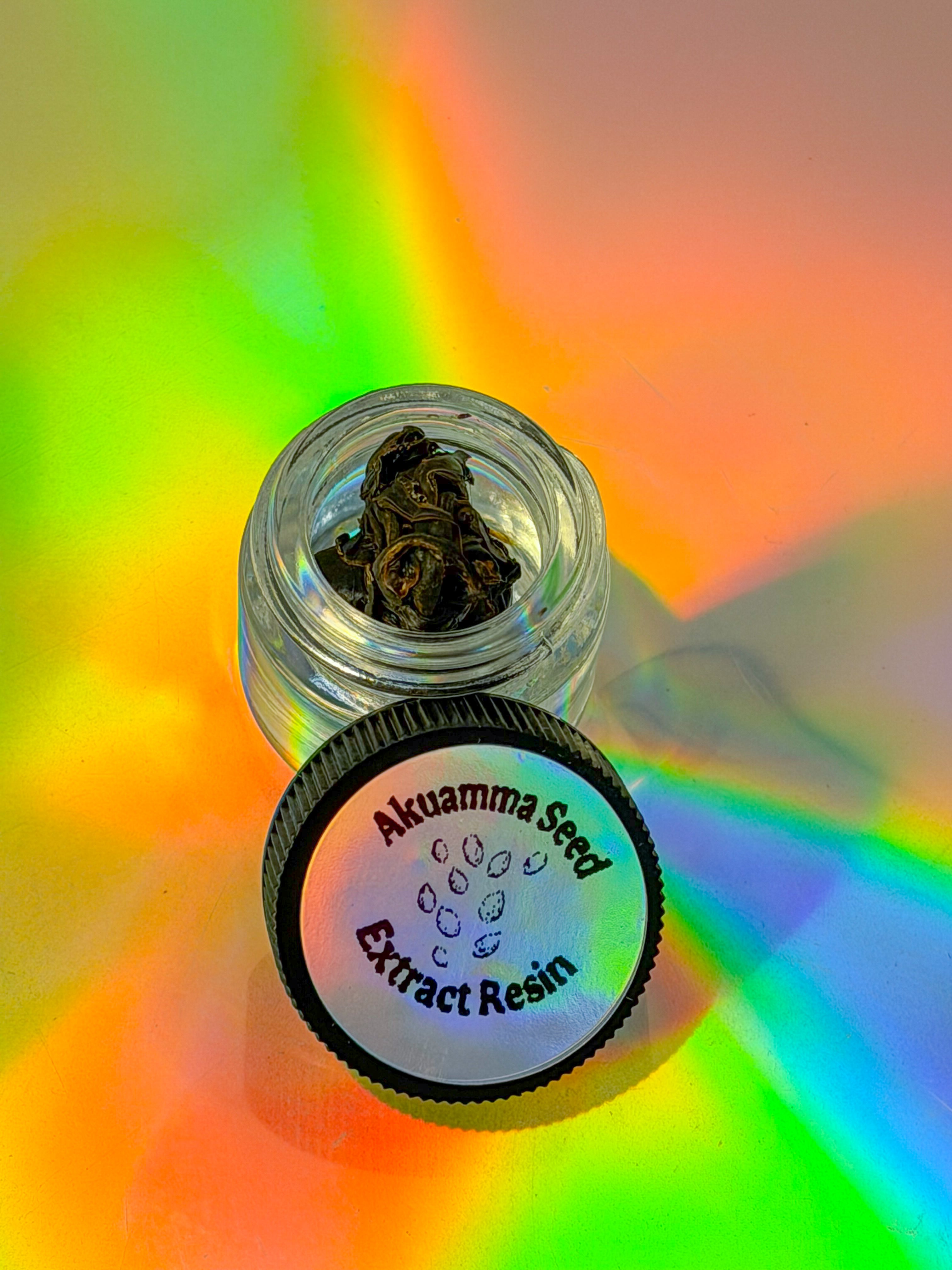
Powders suit weighing and capsuling, resins suit small measured amounts, and liquids suit droppers.
Dosing overview. There is no shared serving across plants; each product page states its own, and the higher the ratio or percentage the smaller the serving. Weigh powders on a milligram scale, take resin by the small measured amount described on its page, and start with the lowest serving listed. Kanna and kava are usually felt within an hour, blue lotus and lemon balm are gentler, and amanita is slow, so wait two to three hours before judging it.
What to expect. Users describe kanna extracts as lifted and present, kava as relaxed and body-focused with a numb mouth, blue lotus as dreamy, amanita as heavy and unhurried, and the gentle herbs as a quiet wind-down. Extracts are simply more efficient than whole plant, so the same character arrives at a smaller amount, and the taste is usually stronger and more bitter.
Side effects and cautions. Overshooting is the common mistake with concentrates; nausea, headache or drowsiness are the signals to reduce.
- Kanna must never be combined with SSRIs, SNRIs, MAOIs, triptans, tramadol or St. John's Wort
- Kava should not be mixed with alcohol or sedative medications and needs care with any liver condition
- Amanita should never be combined with alcohol, sedatives or medications, and never eaten unprepared
- None of these extracts are for use if pregnant or nursing, and all are for adults 21 and over
Common questions
- What does a 100:1 botanical extract ratio mean? One hundred grams of plant material were reduced to one gram of extract, so the serving is far smaller than for the raw herb.
- Are Healing Herbals extracts full spectrum or standardized? Both exist in this collection, with full spectrum resins keeping the whole plant profile and standardized powders targeting a stated percentage or alkaloid.
- Which botanical extract should a complete beginner start with? Whichever plant interests you, in its lowest ratio, taken at the smallest serving on the page.
Disclaimer. These statements have not been evaluated by the Food and Drug Administration. These products are not intended to diagnose, treat, cure, or prevent any disease. These are traditional botanicals, and traditional use does not establish that they will produce any particular result. Consult your healthcare provider before use if you take any medication or have a medical condition. Use at your own risk and keep out of reach of children. Formulated by Healing Herbals, run by a practicing herbalist of 13+ years.
More reading: How to Choose the Right Kanna Extract: What the Percentages really mean, How to Store Botanicals and Extracts (Jars, Desiccant, Humidity Packs, Light and Heat).

Ethical Kanna Sourcing
At Healing Herbals, we are committed to the ethical and sustainable cultivation of kanna (Sceletium tortuosum). Our plants are grown without pesticides or synthetic fertilizers and with strict environmental responsibility. We protect biodiversity, support local farming communities, and ensure every product is clean, pure, and sustainably sourced from small farms including our own kanna farm in South Africa.

