
What is in Kava Drink? Ingredients, Effects, and Preparation
TL;DR: A traditional kava drink is just ground kava root (Piper methysticum) kneaded in cool or lukewarm water and strained. The relaxing, social feel comes from compounds called kavalactones, and the rest of the cup is starch, fiber and trace plant compounds. Some modern drinks add coconut water, juice or natural sweeteners, and instant kava, powders and tinctures make the whole thing quicker.
Kava (Piper methysticum) has picked up a following in wellness circles and alcohol-free bars, and at our kava bar the first question from a new face is almost always "so what's actually in this?" It's a good question. Traditionally consumed across the South Pacific, kava root drinks are known for a calm, social feel without the downsides of alcohol. Here's what goes into a shell, what people drink it for, and how to make it yourself.
Kava drink ingredients
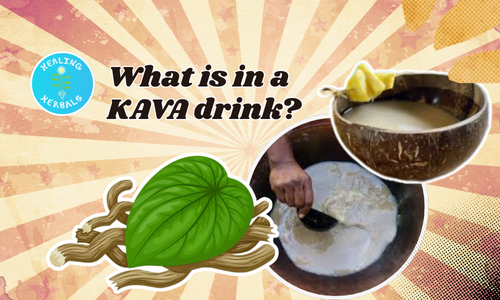
The main ingredient is the kava root. That's really it for a traditional brew. The root contains active compounds called kavalactones, which are responsible for the relaxed, mood-balancing feel people drink it for. A traditional kava drink is made by grinding or pounding the dried root, mixing it with water and straining it, which gives you an earthy, slightly bitter drink that's usually a muddy tan color.
Some modern kava drink ingredients include flavor helpers like coconut water, fruit juice or natural sweeteners to soften that earthy taste. Coconut water is our personal favorite at the bar. It rounds out the bitterness without hiding the kava, and a lot of first-timers find it the easiest way in.
What does kava contain?
Break down a cup of kava and you'll find:
- Kavalactones: the active compounds linked to relaxation and a lighter stress load.
- Starches and fibers: from the ground root itself. This is the sediment that settles at the bottom of the bowl.
- Trace minerals and other plant compounds: these add to the earthy taste.
That mix is why kava root drink effects feel different from alcohol or synthetic relaxants. You also get a mild tingle or numbness on the tongue and lips, which is completely normal and a sign the kavalactones are there.
Kava root drink effects
People tell us they drink kava for a few main reasons:
- Unwinding after a long day
- Settling down before bed, since many say they sleep better on kava nights
- Social connection without feeling intoxicated
Unlike alcohol, kava usually doesn't cloud your thinking. Most people stay clear-headed and just feel more at ease. Drink a lot, though, and you'll likely get drowsy, so don't drive after a heavy session and don't mix it with alcohol or sedatives. Stick with noble kava varieties, which are the ones traditionally used for regular drinking.
How to prepare kava the traditional way
The traditional kava preparation method goes like this:
- Grind or pound the dried kava root. Most of us buy it already ground.
- Mix it with cool or lukewarm water. Hot water isn't the traditional way.
- Knead and squeeze it through a strainer bag for several minutes to pull the kavalactones into the water.
A practical tip from behind the bar: give it a good 8 to 10 minutes of kneading, then squeeze the bag hard at the end. That last squeeze is where a lot of the strength ends up. Serve it in small shells rather than one big glass so you can see how it's hitting you.
These days, ready-to-mix kava powders, instant kava and tinctures make the whole process quicker while keeping the calm, relaxed feel. Instant kava just stirs into water, which is great if you don't want to deal with a strainer bag at home.
Common questions
Does kava taste good?
Honestly, it's earthy and a bit bitter. Most people get used to it fast, and mixing with coconut water or a little juice helps a lot.
Why does my mouth go numb?
That tingle comes from the kavalactones and wears off quickly. It's normal.
Is kava the same as alcohol?
No. It doesn't usually cloud your head the way alcohol does, but a lot of it can make you sleepy, so don't combine the two.
Kava is simple at heart: a root, some water and a little patience. Start with a shell or two, sip it slowly, and see how you feel.
%20kneaded%20in%20cool%20or%20lukewarm%20water%20and%20strained.%20The%20relaxing,%20social%20feel%20comes%20from%20compounds%20called%20kavalactones,%20and%20...)
Leave a comment
This site is protected by hCaptcha and the hCaptcha Privacy Policy and Terms of Service apply.