
Exploring Akuamma: Comprehensive Benefits and Uses
TL;DR: Akuamma (Picralima nitida) is a West African tree whose seeds have a long place in traditional medicine for aches, inflammation and general unease. Its main alkaloid, akuammine, interacts with the body's opioid receptors, which is why it gets attention, but the research is still early and it should be treated with respect and a low starting dose.
Akuamma is one of those seeds that went from almost nobody knowing about it to one of our most asked about botanicals in just a few years. People hear the word opioid receptor and either get way too excited or way too nervous. The truth is somewhere in the middle, so here's how we explain it at the shop.
What akuamma is
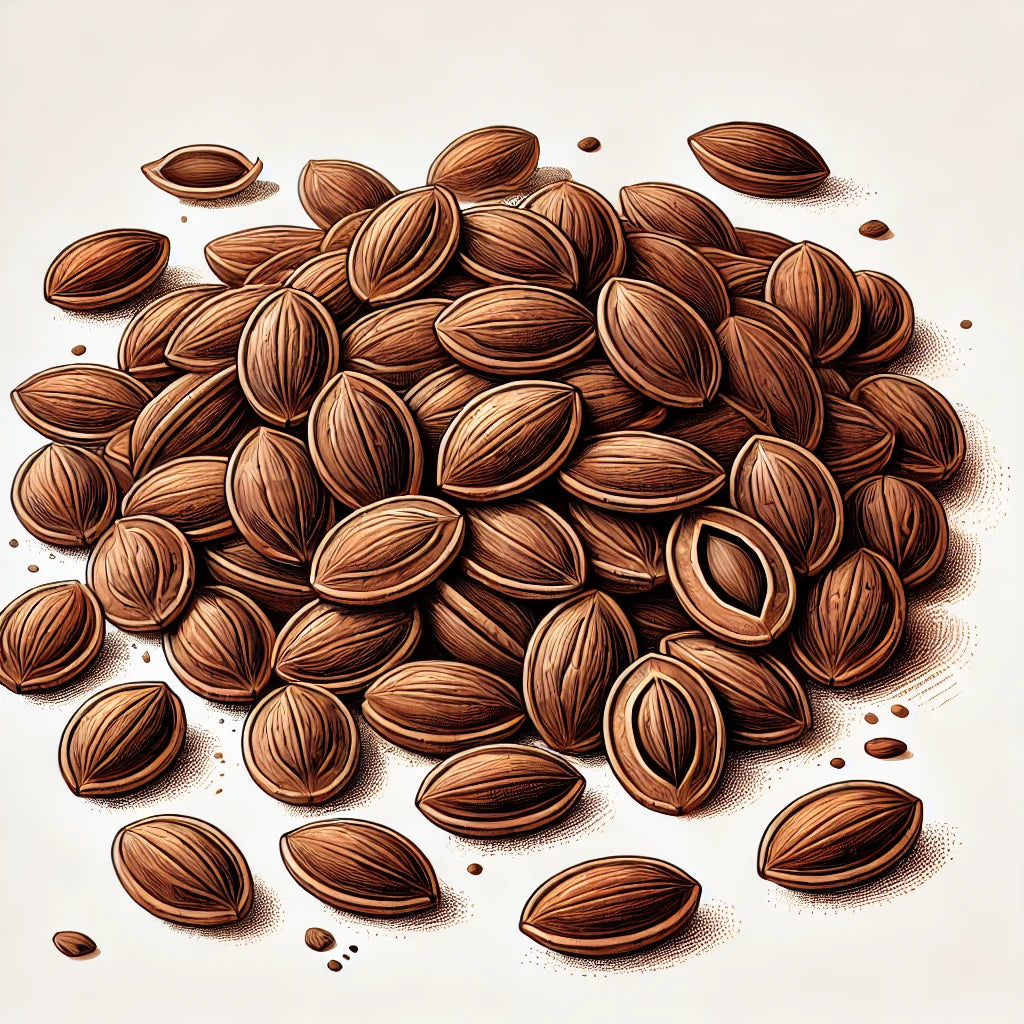
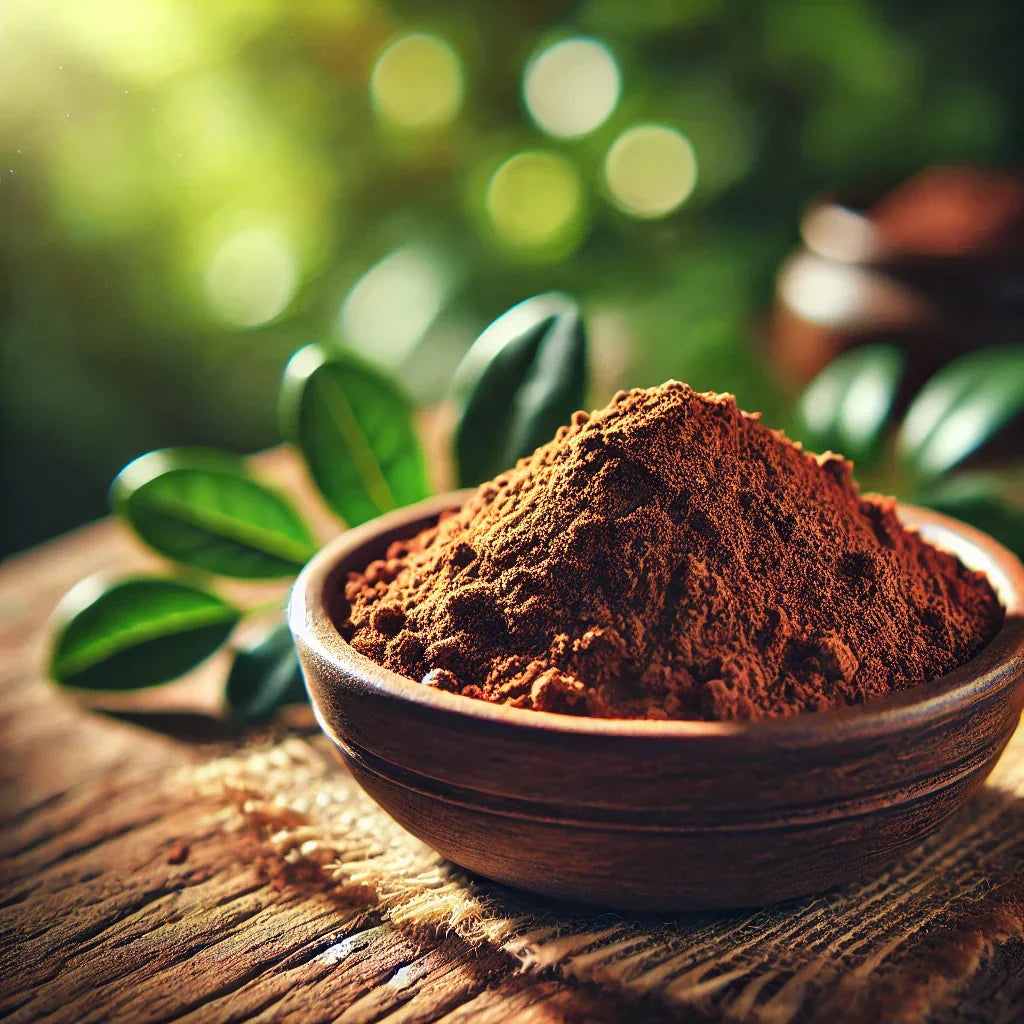
Akuamma seeds come from the fruit of the Picralima nitida tree, which grows across tropical parts of Africa, especially West Africa. The fruit is about the size of a small mango, and inside you'll find a bunch of hard seeds. Those seeds are what get dried and ground into the powder, capsules and extracts you see on shelves.
In traditional African herbalism the seeds have been used for a range of complaints. The alkaloid content, mainly a compound called akuammine, is the reason. It's a lesser known herb outside Africa, but it has a real tradition behind it.
Traditional use for aches and discomfort
Akuamma is best known for its traditional use with aches and physical discomfort. Its alkaloids interact with opioid receptors in the brain. That's a similar target to opiates, which is where all the attention comes from, but akuamma alkaloids are built differently and are generally described as much milder.
People report using it for things like sore joints, headaches and a stiff back. We want to be clear here though. Traditional use and user reports are not the same thing as clinical proof, and akuamma is not a replacement for anything a doctor has prescribed. We also don't recommend assuming it carries no risk of dependency just because it's a plant. Use it occasionally, not around the clock.
Inflammation and the traditional picture
Akuamma also has a traditional reputation for easing inflammation. In folk use it's been reached for with swelling and stiffness, and some lab research has looked at anti-inflammatory activity from the seed extract. That work is mostly in animals and test tubes. It's interesting, but it doesn't tell us what akuamma does for any specific condition in people, so we'd keep expectations modest.
Mood, calm and sleep
Traditionally akuamma has also been used for low mood and a restless mind. Some people tell us it has a calming quality that helps them settle down in the evening and sleep a little easier. That fits with how people describe the feeling in general, relaxed and mellow rather than buzzy.
Again, that's experience, not a treatment. If you're dealing with depression, anxiety or a sleep problem, a doctor is your first stop, and akuamma is not something to add on top of prescription meds without asking them first.
How people take it
Akuamma is extremely bitter. That's the first thing anyone who's tried the raw powder will tell you. Most people either swallow the powder quickly with a strong drink, put it in capsules, or use an extract so they need less of it. Start low, see how you feel over a couple of hours, and don't stack it with alcohol, opioids, sedatives or other strong botanicals. Some people get a little nauseous on an empty stomach, so a light snack beforehand helps. And skip it completely if you're pregnant, nursing or drug tested for work.
Common questions
Where does akuamma come from?
It's the seed of the Picralima nitida tree, which grows in tropical Africa, mostly West Africa.
What's the main active compound?
Akuammine, an alkaloid that interacts with opioid receptors. The seeds contain several related alkaloids too.
Is it the same as an opiate?
No. It acts on some of the same receptors, but it's a different plant with different chemistry, and it's generally described as far milder.
Akuamma is an interesting seed with a real tradition behind it. Go slow, be honest with yourself about how often you use it, and ask us if you have questions about which form makes sense.

Written by Herbal Healings

%20is%20a%20West%20African%20tree%20whose%20seeds%20have%20a%20long%20place%20in%20traditional%20medicine%20for%20aches,%20inflammation%20and%20general%20unease.%20Its%20main%20alkaloid,%20akuammine,%20interacts%20wi...)
Leave a comment
This site is protected by hCaptcha and the hCaptcha Privacy Policy and Terms of Service apply.