
Akuamma Seed: What It Is and How People Use It
TL;DR: Akuamma is the seed of a West African tree, Picralima nitida, traditionally used for aches and general discomfort. Its main alkaloid, akuammine, binds to opioid receptors in lab studies, and animal research has looked at pain sensitivity, but there's very little human research. People who use it report it's mild and well tolerated, so start small, go slow, and don't treat it as a stand-in for anything your doctor prescribed.
Akuamma comes up at our counter all the time, usually from somebody who read a forum thread and wants to know what's real. The short answer: it's a traditional West African seed with some interesting lab research behind it and a lot of internet hype on top. Here's the version we'd give you in person.
What akuamma is
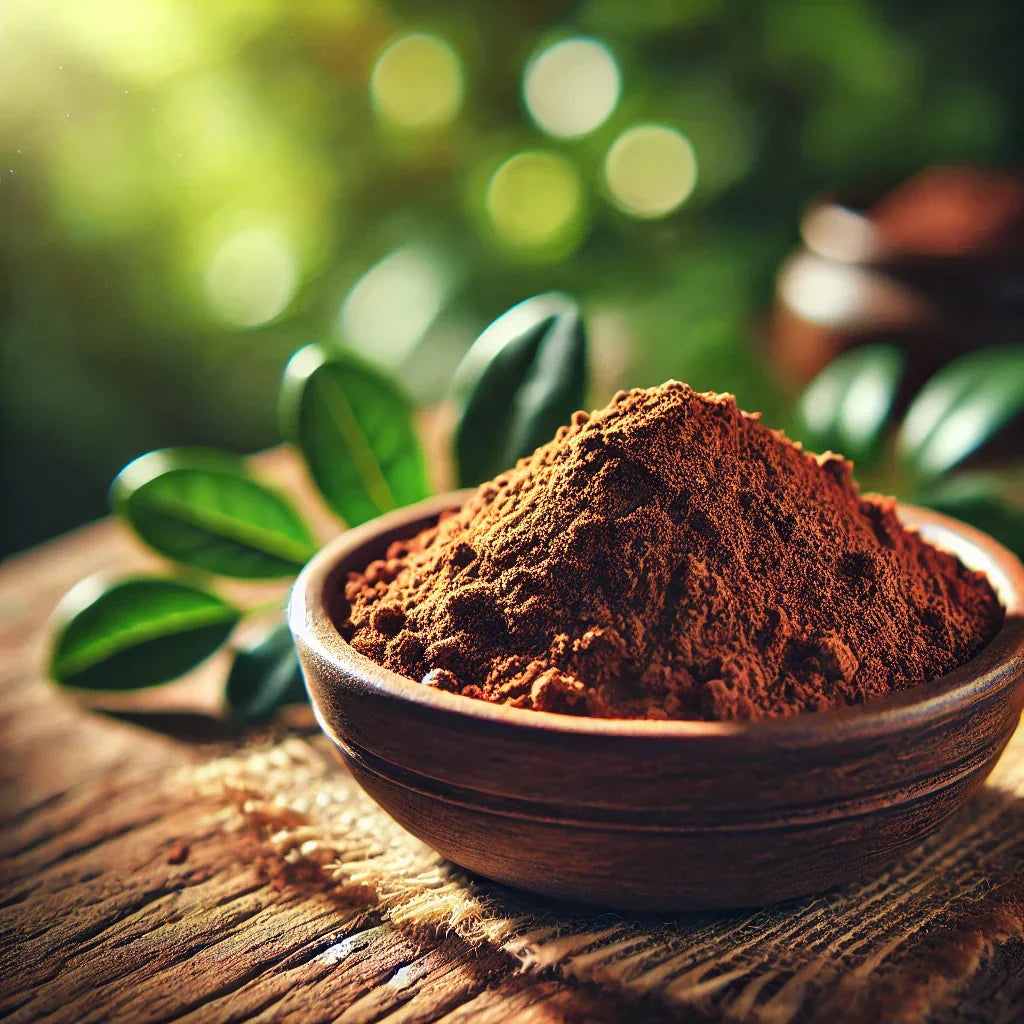
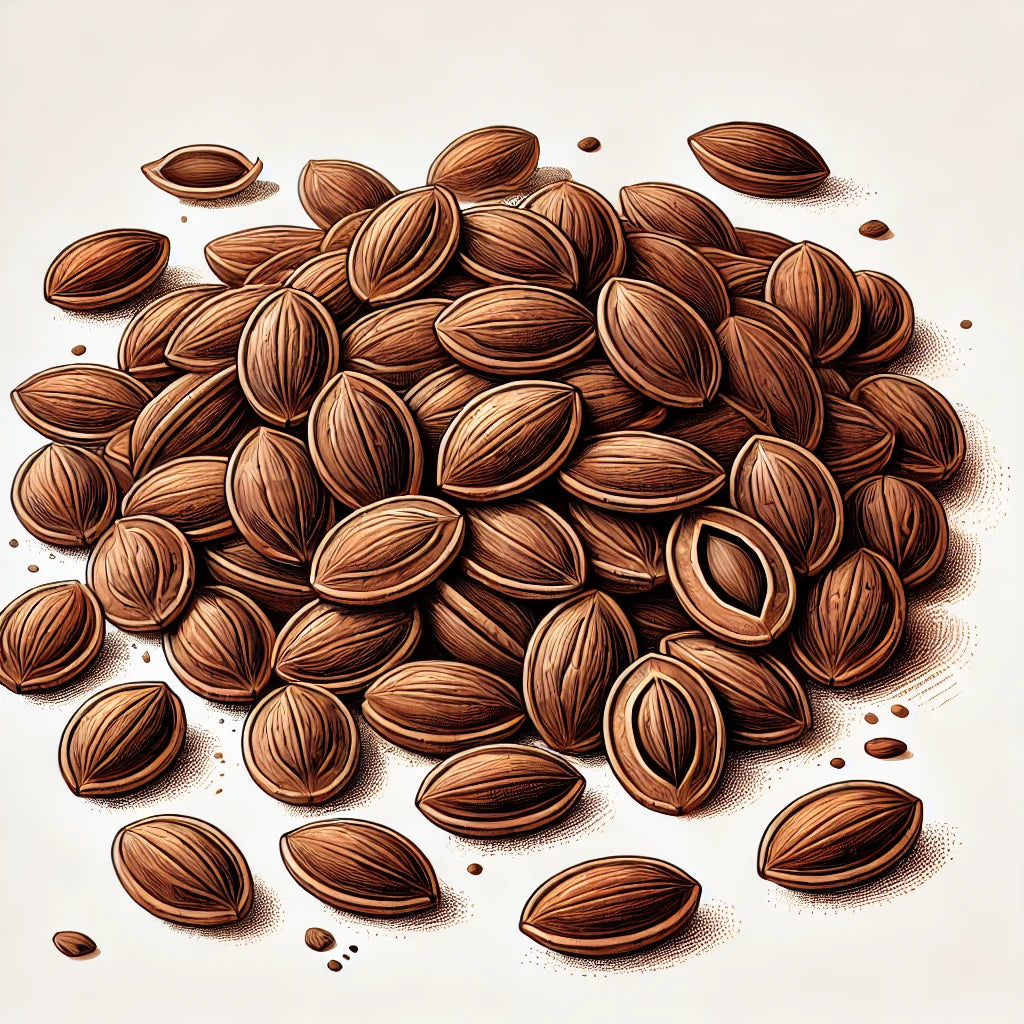
Akuamma seeds come from Picralima nitida, a tree that grows in West and Central Africa. The tree makes a large fruit, and inside are the seeds. They're dried and usually ground into powder, or packed into capsules.
In places like Ghana and Nigeria, the seeds have a long history in traditional practice. People used them for everyday aches and general discomfort, and that's the reputation that followed the seed overseas.
Akuammine and the opioid receptor question
The main active compound in the seed is an alkaloid called akuammine. Lab research has found that akuammine binds to opioid receptors. That's why so many people are curious about it.
Animal studies have looked at whether akuammine affects pain sensitivity. That research exists and it's interesting. But "it binds to a receptor in a lab" and "it works in people" are different things, and there's very little research in humans. We'd rather tell you that straight than oversell it.
What users report
A lot of people who use akuamma say it's mild and generally well tolerated. They describe a relaxed body feel and use it at the end of long workdays or after a hard gym session. Some of our regulars have used it for years.
Plenty of people online go further and make big claims about specific conditions. We're not going to repeat those. They're anecdotes, and nobody should skip a doctor's care based on an internet post or a blog, including this one.
How people take it
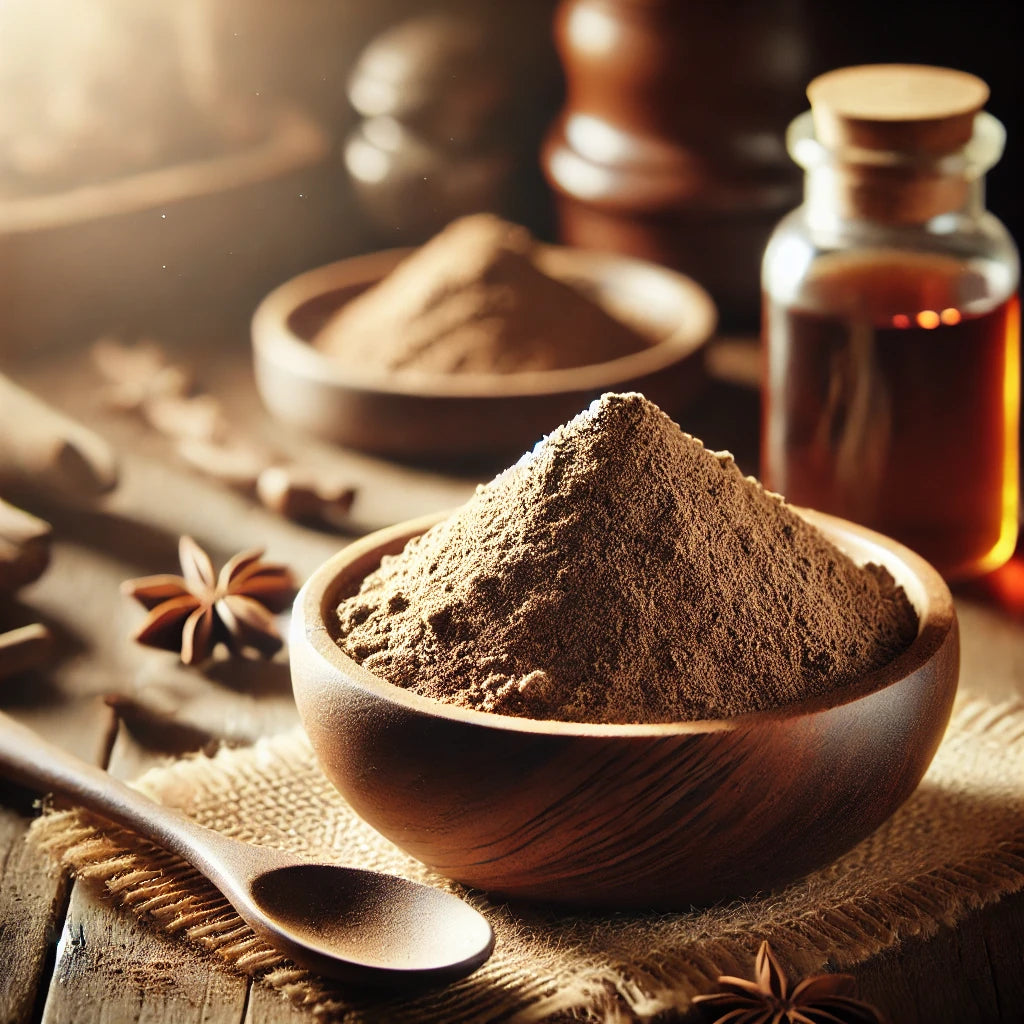
Most people take akuamma one of three ways. Powder mixed into a drink or a spoon of yogurt, since it's very bitter. Capsules, which skip the taste entirely. Or whole seeds chewed or ground fresh, which is the more traditional route.
A few tips from us. Start with a small amount and give it time before deciding you want more. Take it with a little food if your stomach is sensitive. And don't stack it with alcohol, prescription painkillers or other sedating substances. If you take any medication, especially anything that works on opioid receptors, talk to your doctor first.
For a concentrated form, our akuamma seed extract resin is made from whole Picralima nitida seeds with the fiber removed, so it is weighed in much smaller amounts than powder. Whole seed and powder are in the akuamma collection.
Buying tips
Quality varies a lot. Good akuamma powder should smell earthy and taste intensely bitter. If it tastes like nothing, it's probably old or cut with something. Whole seeds should be hard, dry and free of mold. Buy from a shop that can tell you where its seeds come from, and store them in a sealed jar away from heat and humidity. Ground powder loses its punch faster than whole seeds, so if you use it slowly, buy smaller amounts more often.
How it compares to prescription options
People often ask us to compare akuamma to over-the-counter or prescription pain relievers. We don't do that, and you should be wary of anyone who does. Those medications have been through clinical trials. Akuamma hasn't. What we can say is that akuamma is a traditional plant with a lot of history and some promising early lab work, and that's where the honest conversation stops for now.
Common questions
What is the main alkaloid in akuamma?
Akuammine. Lab research shows it binds to opioid receptors.
Is there human research on akuamma?
Very little. Most of what exists is lab and animal work, plus traditional use and user reports.
How is akuamma usually taken?
As a powder in a drink, in capsules, or as chewed or freshly ground seeds.
Akuamma is a fascinating seed with deep roots in West African tradition. Treat it with respect, keep your expectations realistic, and you'll get a much better read on it.
These statements have not been evaluated by the Food and Drug Administration. This product is not intended to diagnose, treat, cure, or prevent any disease. Adults 21+.

Written by Herbal Healings

Leave a comment
This site is protected by hCaptcha and the hCaptcha Privacy Policy and Terms of Service apply.