Calming Botanicals from Healing Herbals
TL;DR: Stress shows up two ways, in your head and in your body, and they don't always show up together. Kanna is the calming botanical people ask us about most, and the research interest centers on how its alkaloids act on serotonin reuptake and PDE4. It's a supplement, not a replacement for care from a professional, and anyone on an SSRI should talk to a doctor before touching it.
People walk into our shop every week and describe the same thing in different words. "I can't shut my brain off." "My chest feels tight and I don't even know why." Both of those are stress, and they're worth pulling apart before we talk about any plant. So this post covers what that on-edge feeling actually is, why kanna is the botanical we get asked about most, and what the research does and doesn't say.
What that on-edge feeling actually is
Put simply, anxiety is the anticipation of a present or future threat. When we worry, our fight or flight system switches on, and the body gets ready for a problem that may never show up. That system is old and it's useful. It's just not great at telling the difference between a bear and an unanswered email.
It usually shows up in two forms, mental and physical. The mental side looks like worrying, fear of making the wrong choice, running the same thought over and over, trouble focusing, or constant thoughts about what might happen next. The physical side looks like a racing heart, sweaty palms, shortness of breath, dizziness, tense muscles, flushed skin, or that skin-crawling feeling.
Here's the part a lot of people don't realize. You can have one without the other. You can "feel" anxious with no anxious thoughts at all, and you can have a head full of anxious thoughts with no physical signs. We see this at the counter constantly. Somebody says they're totally calm, and they're gripping the edge of the display case.
Why kanna is the plant people ask about
Kanna, Sceletium tortuosum, is the botanical most of our customers come to us for when they want to feel more settled. Its best-known traditional and reported use is promoting relaxation and a sense of well-being in healthy adults, easing the edge off a stressful day. You can see everything we carry in our kanna collection.
We've been working with this plant for years, and the feedback we hear is pretty consistent. People describe feeling calmer and a little more open, not sedated or foggy. A lot of them say the physical tension goes first, then the mental chatter quiets down. Your mileage will vary, and that's normal with any plant.
What the research looks at
Researchers think kanna's effects relate to the amygdala, the part of the brain considered the core region for processing fearful and threatening stimuli. The two mechanisms that come up most in the literature are inhibition of PDE4 and inhibition of the reuptake of 5-HT, which is serotonin. In plain terms, kanna's alkaloids interact with brain chemistry involved in how the body reacts to stress and perceived threats.
Because of that serotonin activity, kanna has been compared to SSRIs. There's a published study that looks at kanna working in a similar way, and some researchers have argued that pairing serotonin reuptake activity with PDE4 inhibition could be an interesting combination worth more study. That's where the science is right now. Interesting early work, small studies, lots of open questions. We'd rather tell you that straight than oversell it.
The same serotonin activity is exactly why kanna does not belong in the same week as an SSRI, an MAOI, or other serotonergic meds unless your doctor has signed off. That's not us being overly careful. It's the most important safety point with this plant.
Picking a form: spray, extract, or leaf
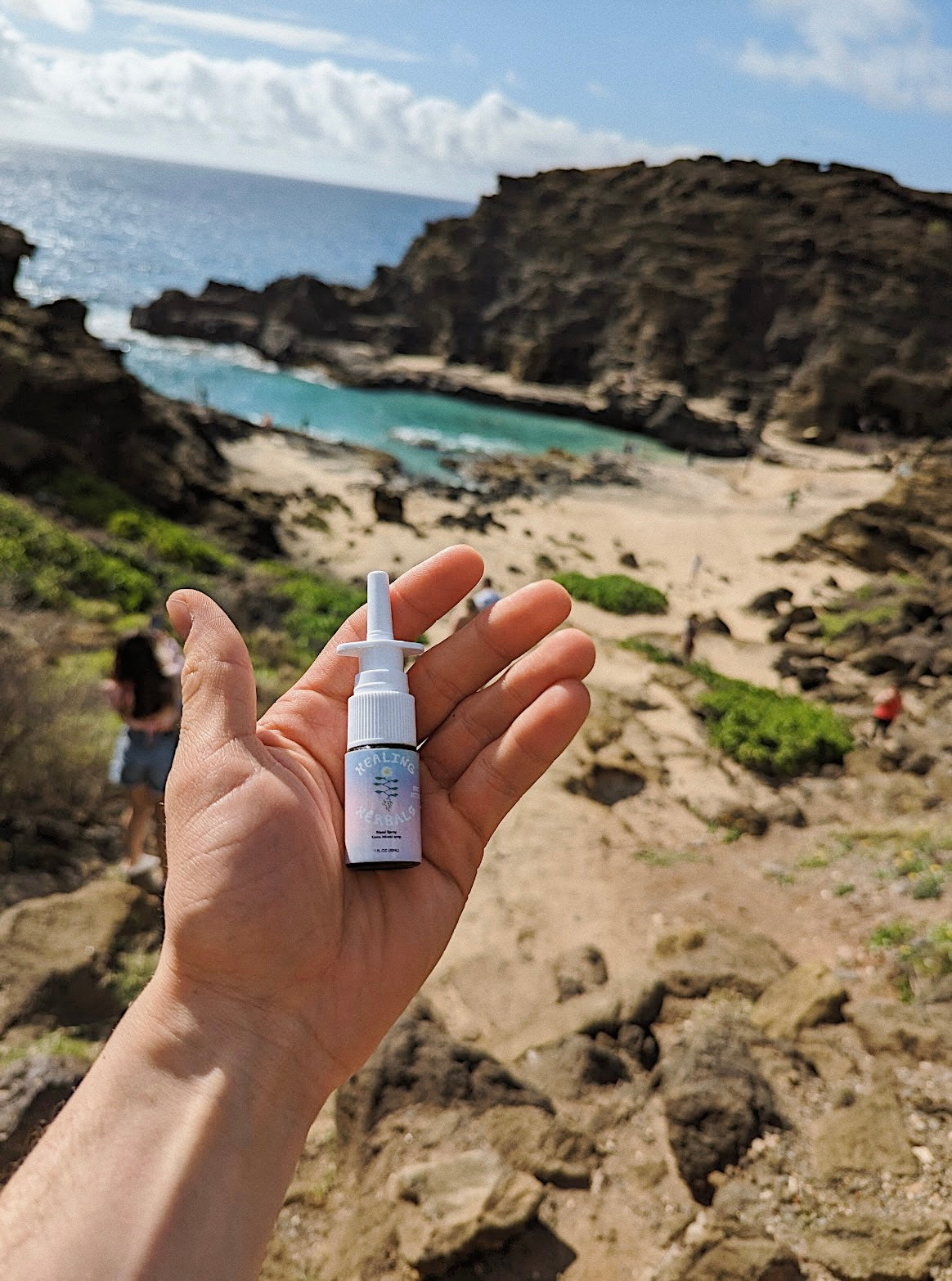
Our kanna nasal spray gets asked about a lot because people report feeling it quickly, often within minutes, compared with capsules or tea. It works through the same PDE4 and 5-HT reuptake activity described above, just absorbed a different way. If you want something fast and easy to carry, that's usually where people land.
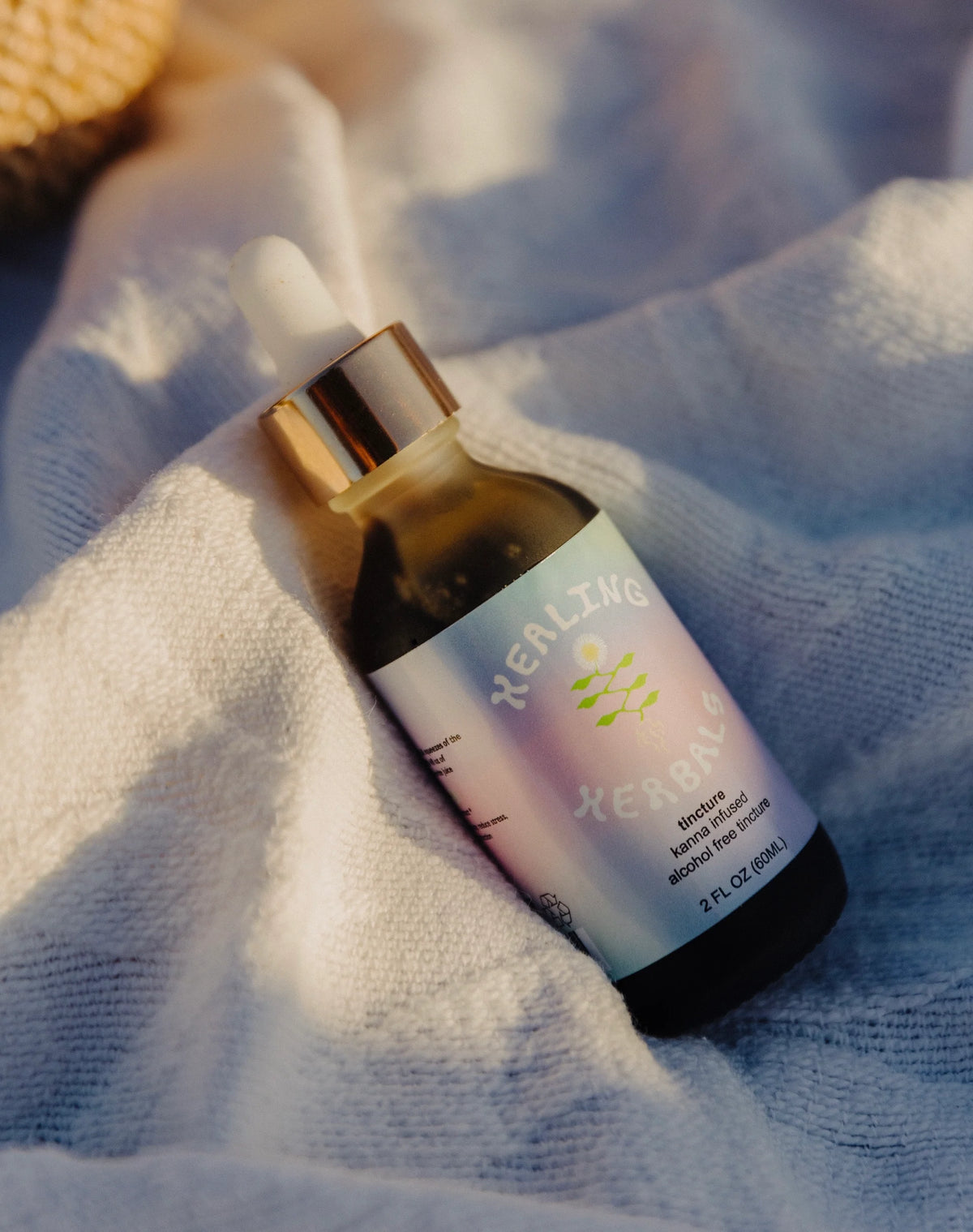
Extracts are the next step up in strength, and the alkaloid profile matters a lot there. Loose leaf and tea are the gentlest way in, and honestly where we point most first-timers. Start low, give it a real try on a quiet day, and write down how you felt. That little habit saves people a lot of guesswork.
Common questions
Is kanna a replacement for anxiety medication?
No. It's a botanical supplement. If you're dealing with something clinical, work with a professional, and never stop or swap a prescription on your own.
Can I take kanna with an SSRI?
Don't, unless your doctor says otherwise. Both act on serotonin, and stacking them is the one combination we always flag.
How fast will I feel it?
Sprays tend to be the quickest, often minutes. Capsules and tea are slower and gentler. Everyone's a bit different, so give it a couple of tries before you judge it.
If you've got questions about which kanna fits what you're after, reach out or stop by the shop. We'd rather talk it through with you than have you guess.

Written by Herbal Healings

Leave a comment
This site is protected by hCaptcha and the hCaptcha Privacy Policy and Terms of Service apply.