Kava’s Active Compounds: Understanding Kavalactones and Their Effects
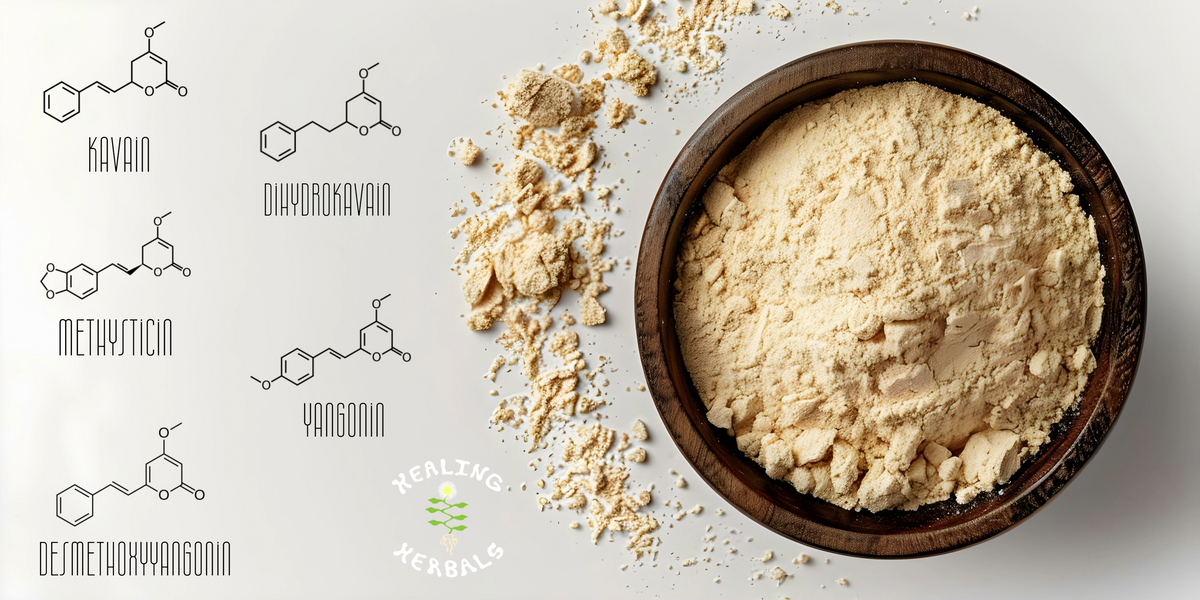
TL;DR: Kava's effects come from kavalactones, and six major ones make up about 96% of its active content: DMY, DHK, yangonin, kavain, DHM and methysticin. The mix of those six, called the chemotype, is why some kavas feel heady and social and others feel heavy and relaxing.
We pour a lot of kava at the bar, and the question behind almost every "which one should I get?" is really about kavalactones. Kava (Piper methysticum) is known for easing stress and helping people relax, and what makes it work is a group of natural compounds called kavalactones. They act on the nervous system to relax the body and mind and keep your head clear, usually without making you sleepy or impaired the way alcohol does.
What kavalactones are
Kavalactones are the main active compounds in kava root, and they're behind almost everything people feel from it. There are around 18 identified, but six major kavalactones make up about 96% of kava's total active content. Each one adds something different to the overall experience, which is why two kavas with the same total kavalactone percentage can feel completely different.
The six major kavalactones
Here's how each one is usually described:
- Desmethoxyyangonin (DMY) brings a mild euphoria, thought to be through dopamine activity.
- Dihydrokavain (DHK) is known for a relaxed, calm feel.
- Yangonin binds to CB1 receptors, the same family cannabinoids act on, and may add a mood lift.
- Kavain is linked to mental clarity, focus and relaxation without sedation. It's the one people mean when they say a kava is "heady."
- Dihydromethysticin (DHM) is tied to muscle relaxation and body comfort. It's a big part of the heavy feeling.
- Methysticin is linked to relaxation and to strengthening the effects of the other kavalactones.
How they work in the body
Kavalactones interact with the brain's GABA receptors, which help regulate stress and relaxation. Unlike alcohol, kava relaxes you without clouding your thinking at normal amounts. Some kavalactones also affect dopamine and serotonin, which adds to the mood lift and general sense of well-being people describe. That's why a lot of our customers use kava as their evening drink in place of a beer.
Why the chemotype matters
Different kava varieties carry different levels of each kavalactone, and so they feel different. That profile is called the chemotype. It's written as a six-digit code ranking the kavalactones from most to least abundant, and it tells you whether a strain leans uplifting, social or sedating.
- Headier kavas are high in kavain and yangonin. They lean toward mental clarity, focus and sociability, and they're good for the daytime or a night out talking.
- Heavier kavas are high in DHM and methysticin. They lean toward deep relaxation and a loose body, and people like them before bed.
At the bar, if someone wants to hang out and talk, we steer them heady. If they just got off a double shift, heavy.
Getting the most out of your kavalactones
Kavalactones are fat-soluble, which is why traditional kava is kneaded in water for a while, and why some people add a splash of coconut milk or a bit of lecithin to their mix. It helps pull more of them into the drink. Kneading longer and firmer matters too. When we make it at the bar with a strainer bag, we knead it for a good long while, not a quick squeeze.
Drinking on an empty stomach, or at least a light one, makes the effects noticeably stronger. A few shells spaced out over an hour tend to work better than downing a big bowl at once.
Common questions
What does a kava chemotype like 423156 mean?
Each number stands for one of the six kavalactones, listed from most to least. A 4 (kavain) up front usually means a heady kava.
Is a higher kavalactone percentage always better?
It means stronger, but the balance between the six matters as much as the total.
Why noble kava?
Noble varieties have the chemotype people have drunk safely for generations. Stick to noble.
Kava's effects come down to its kavalactone profile, and that's what makes it such a flexible plant for relaxing and lifting your mood. Once you know the active compounds, you can pick the right strain for calm focus or deep relaxation. See our kava products to find yours.

Written by Herbal Healings


Leave a comment
This site is protected by hCaptcha and the hCaptcha Privacy Policy and Terms of Service apply.