What Does Kanna Feel Like?
If you've been curious about Kanna, you've probably come across descriptions ranging from relaxing and uplifting to social and energizing. So what does Kanna actually feel like?
The honest answer is: there isn't one universal Kanna experience.

Kanna can feel different depending on the preparation, extract profile, concentration, individual sensitivity, and setting. Some people describe a subtle shift in mood and a greater sense of ease, while others notice a more pronounced change in how they experience conversation, music, or their surroundings.
Rather than thinking of Kanna simply as something that produces a “high,” it can be more useful to understand it as a traditional South African botanical with a distinctive range of experiences.
What Is Kanna?
Kanna comes from Sceletium tortuosum, a succulent plant native to southern Africa. It has a long history of traditional use among Indigenous communities of the region.
Traditionally, Kanna was prepared in several ways, including fermented plant material. Today, you'll find it in a much wider variety of preparations, including:
- Fermented Kanna
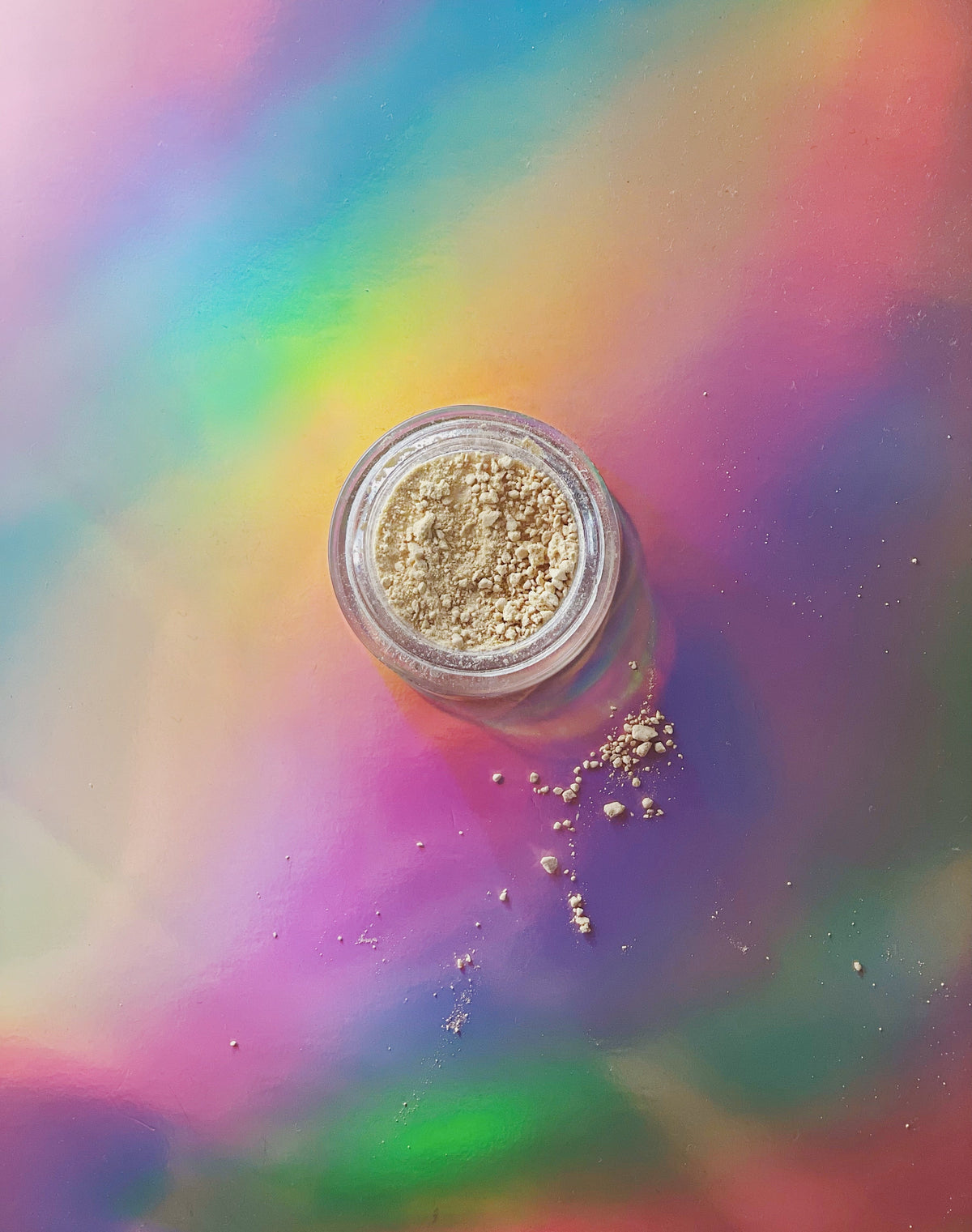
- Kanna powder
- Kanna extracts
- Kanna resin
- Tinctures
- Nasal sprays
- Gummies and other formulated products
These preparations aren't necessarily equivalent. Differences in processing, concentration, and naturally occurring alkaloids can contribute to differences in the experience.
That's one reason two people can try “Kanna” and come away with very different descriptions.
So, What Does Kanna Feel Like?
For many people, the experience is best described as a subtle shift rather than a dramatic change.
Descriptions vary, but people commonly talk about several characteristics.
A Shift in Mood
Some people describe Kanna as creating a lighter or more positive-feeling mood.
The change may be subtle. Instead of suddenly feeling completely different, you might simply notice that your surroundings, music, or conversation seem a little more enjoyable.
Others may notice very little.
Individual experiences are highly variable, so there isn't a particular feeling that everyone should expect.
A Sense of Ease
Relaxation is another common description associated with Kanna.
Some people describe feeling less mentally busy or more at ease while remaining engaged with their surroundings. This doesn't necessarily translate into sleepiness.
Depending on the preparation and individual response, Kanna may feel more like a gentle shift toward a calmer state.
Social Comfort
Some Kanna users describe feeling more open or comfortable during conversations.
For some, this can make a social setting feel more natural or enjoyable. Others may simply experience a subtle change in their overall mood.
This is one reason Kanna has found a place in modern social and botanical rituals.
A More Present Feeling
Another description you'll occasionally encounter is a greater appreciation for what's happening around you.
Music, conversation, nature, or other sensory experiences may seem more noticeable or engaging.
Again, this is a subjective description not a guaranteed effect.
Relaxed but Still Engaged
One interesting aspect of Kanna is that relaxation doesn't necessarily mean wanting to lie down or sleep.
Depending on the preparation, some people describe an experience that feels relatively calm while still allowing them to remain present and engaged.
This is part of why different Kanna preparations can appeal to different types of botanical rituals.
Is Kanna Relaxing or Stimulating?
This is one of the most common questions about Kanna, and the answer isn't completely black and white.
Kanna can be described as having both relaxing and uplifting qualities depending on the preparation and individual experience.
Some people associate certain preparations with a more energetic or socially oriented experience, while others prefer preparations that fit a quieter ritual.
The plant's naturally occurring alkaloids, including mesembrine and mesembrenone, are one factor researchers examine when studying different Kanna preparations.
But it's important not to assume that a particular alkaloid profile guarantees a particular subjective experience.
The simplest way to think about it is:
Kanna isn't necessarily “up” or “down.” Its character can depend on the preparation.
Can Kanna Support a Sense of Nervous-System Balance?
The idea of nervous-system regulation has become increasingly popular in conversations about wellness, breathwork, meditation, movement, and other mind-body practices.
Kanna is sometimes incorporated into these kinds of personal rituals because some people describe the experience as promoting a sense of ease, presence, or emotional balance.
However, it's important to distinguish between supporting a wellness ritual and making a physiological health claim.
Rather than saying that Kanna “regulates the nervous system,” a more accurate way to describe the experience is that some people use it as part of a routine focused on relaxation, grounding, and creating a calmer state of mind.
Pairing a botanical ritual with things like slow breathing, meditation, gentle movement, time outdoors, or simply stepping away from a busy environment can create a very different experience than using a botanical in isolation.
Why Does Kanna Feel Different From One Product to Another?
If you've tried more than one Kanna product, you may have noticed that they don't necessarily feel identical.
There are several reasons for this.
The Plant Material
Whole Kanna and fermented Kanna are different from concentrated extracts.
Processing can change the composition and characteristics of the final product.
Extract Concentration
A concentrated Kanna extract contains more concentrated plant material than ordinary powdered Kanna.
However, a larger percentage printed on a label doesn't automatically mean that one product will feel “better” than another.
It's important to understand exactly what the percentage represents.
Alkaloid Profile
Kanna contains several naturally occurring alkaloids.
Mesembrine and mesembrenone are among the most discussed, but they aren't the only compounds found in the plant.
Different preparations can have different alkaloid profiles, which is one reason experienced Kanna consumers often pay attention to extract specifications.
Read more: [Mesembrine vs. Mesembrenone: Understanding Kanna's Major Alkaloids]
Method of Preparation
Powders, extracts, tinctures, sprays, and other formulations are processed and used differently.
Consequently, it isn't useful to assume that every Kanna product will produce an identical experience.
What Does Kanna Extract Feel Like?
Kanna extract can be more concentrated than traditional powdered plant material, so the experience may differ depending on the particular extract.
But there's an important point that often gets overlooked:
“Kanna extract” isn't one standardized thing.
Extracts can vary according to:
- Plant material
- Extraction process
- Concentration
- Alkaloid profile
- Formulation
- Intended preparation
For that reason, two products labeled as Kanna extract shouldn't automatically be expected to feel identical.
If you're comparing extracts, look beyond a single percentage and learn what that percentage actually represents.
What Does Kanna Feel Like Compared With Kava?
Kanna and Kava are both traditional botanicals that have become popular in modern botanical communities, but their character can be quite different.
Kava is often associated with a heavier, more body-oriented sense of relaxation.
Kanna, on the other hand, is often described in terms of mood, social ease, and a subtle mental shift.
That doesn't mean every Kanna or Kava product will produce those exact experiences. Preparation and individual response matter considerably.
If you're interested in both botanicals, comparing their traditional histories, preparations, and product types is a better approach than simply asking which one is “stronger.”
What Does Kanna Feel Like Compared With Blue Lotus?
Blue Lotus and Kanna are also frequently compared because both have long botanical histories and are available in modern extracts and other preparations.
Blue Lotus is traditionally associated with Nymphaea caerulea, an aquatic plant with a long history connected to ancient Egyptian culture.
Kanna comes from southern Africa and belongs to an entirely different botanical family.
Their chemistry, traditional uses, preparations, and modern product forms are different.
For someone exploring botanical rituals, the more useful question isn't necessarily which is “better,” but rather:
Which plant, preparation, and ritual fits your preferences?
Does Kanna Make You Feel High?
This depends heavily on what you mean by “high.”
The term is often used loosely online, but it can create an inaccurate picture of Kanna.
Many people don't describe the experience as an intense intoxication. Instead, descriptions tend to center around changes in mood, relaxation, sociability, or sensory awareness.
Concentrated extracts may produce a more noticeable experience than ordinary plant material, but individual responses still vary.
For that reason, it's better to think of Kanna as a traditional botanical with a distinctive subjective experience rather than assuming it will produce a particular type of high.
What Does Kanna Feel Like for the First Time?
If you've never tried Kanna before, one of the most important things to understand is that your experience may not resemble someone else's.
A first experience may be subtle.
You might notice:
- A change in overall mood
- A greater sense of ease
- More enjoyment of music or conversation
- A different social atmosphere
- A relaxed but engaged feeling
Or you might notice very little.
Your experience can be influenced by the preparation, concentration, personal sensitivity, expectations, and environment.
There's no particular sensation you need to “look for.”
How Long Does the Kanna Experience Last?
There isn't one universal duration for every Kanna product.
The experience can vary according to:
- The form of Kanna
- The concentration
- The preparation
- The method of administration
- Individual sensitivity
A concentrated extract, powdered botanical, tincture, and nasal preparation may have different timelines.
When using a commercial product, follow the manufacturer's directions and product labeling rather than relying on generalized timelines found online.
Is Kanna Right for an Evening Ritual?
Kanna can fit into different types of botanical rituals depending on the preparation and personal preference.
Some people enjoy incorporating botanicals into quiet evening routines involving:
- Herbal tea
- Music
- Journaling
- Meditation
- Reading
- Gentle stretching
- Time outdoors
- Relaxed conversation
The ritual itself can be just as important as the botanical.
For anyone interested in creating a more grounded routine, the goal doesn't have to be chasing a particular sensation. Sometimes the value is simply creating a moment to slow down and step away from the noise of the day.
The Bottom Line: What Does Kanna Feel Like?
If you want the shortest possible answer, Kanna is often described as a subtle shift in mood and overall mental atmosphere rather than an overwhelming experience.
Some people describe relaxation. Others notice a lighter mood, greater social ease, or increased appreciation of their surroundings. Still others may experience very little.
The biggest factor to remember is that Kanna isn't one standardized experience.
The plant, preparation, extract profile, concentration, environment, and individual response can all influence how it feels.
That's what makes learning about Kanna so interesting. Instead of reducing the plant to a single promised effect, you can explore its traditional history, chemistry, different preparations, and place within modern botanical rituals.
Explore the Healing Herbals Kanna collection to learn more about our different Kanna preparations and extracts.
READ MORE ABOUT KANNA:

Written by Herbal Healings

Leave a comment
This site is protected by hCaptcha and the hCaptcha Privacy Policy and Terms of Service apply.