Saffron Guide: Threads, Extract, Resin and Tincture
What is saffron?
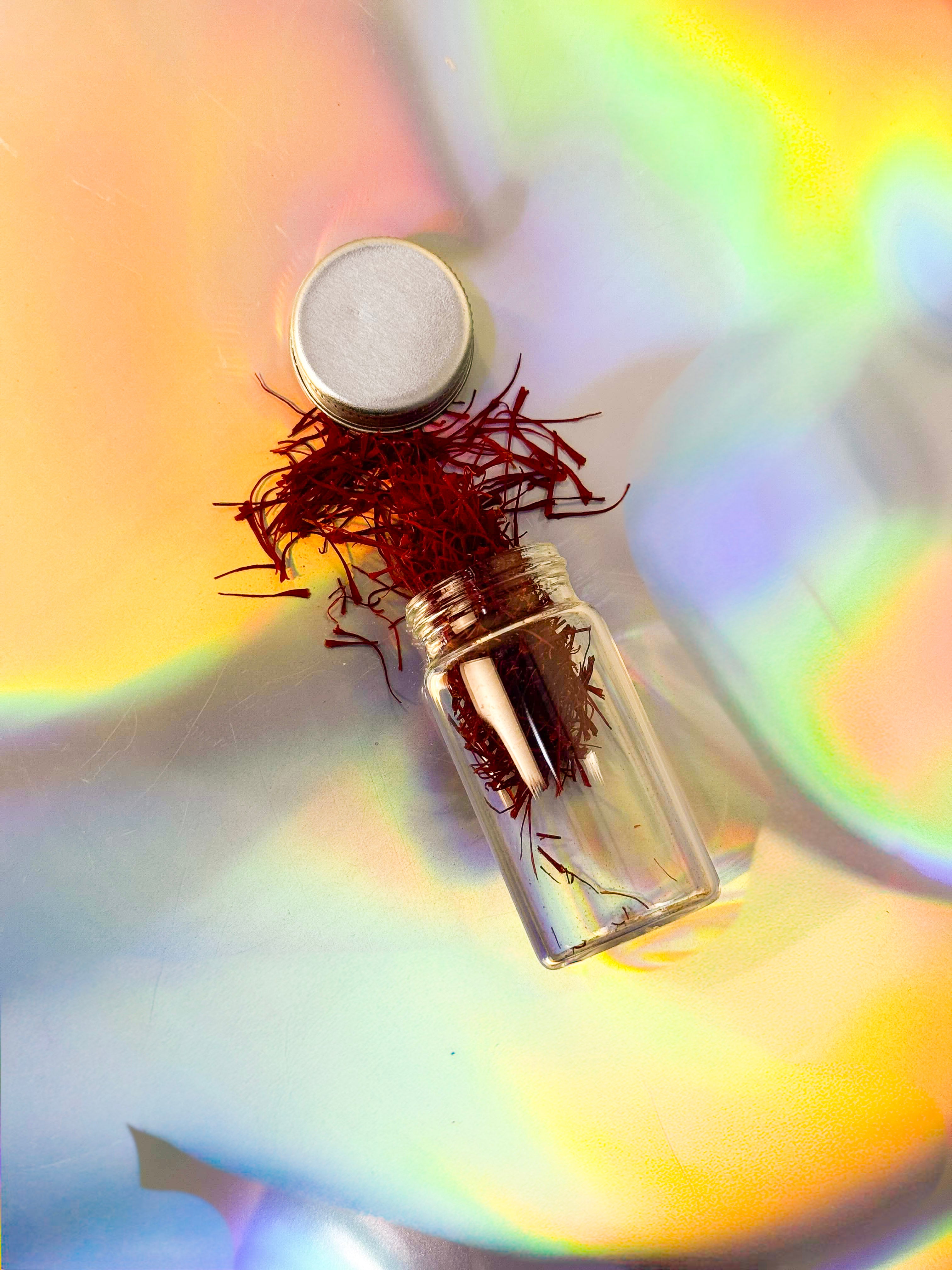
Saffron is the stigma (the red thread) of the autumn-blooming saffron crocus. It is hand-picked, which is why it is the most expensive spice in the world by weight. Its three main compounds are crocin (color), picrocrocin (bitter taste) and safranal (aroma).
What is the difference between saffron threads and saffron extract?
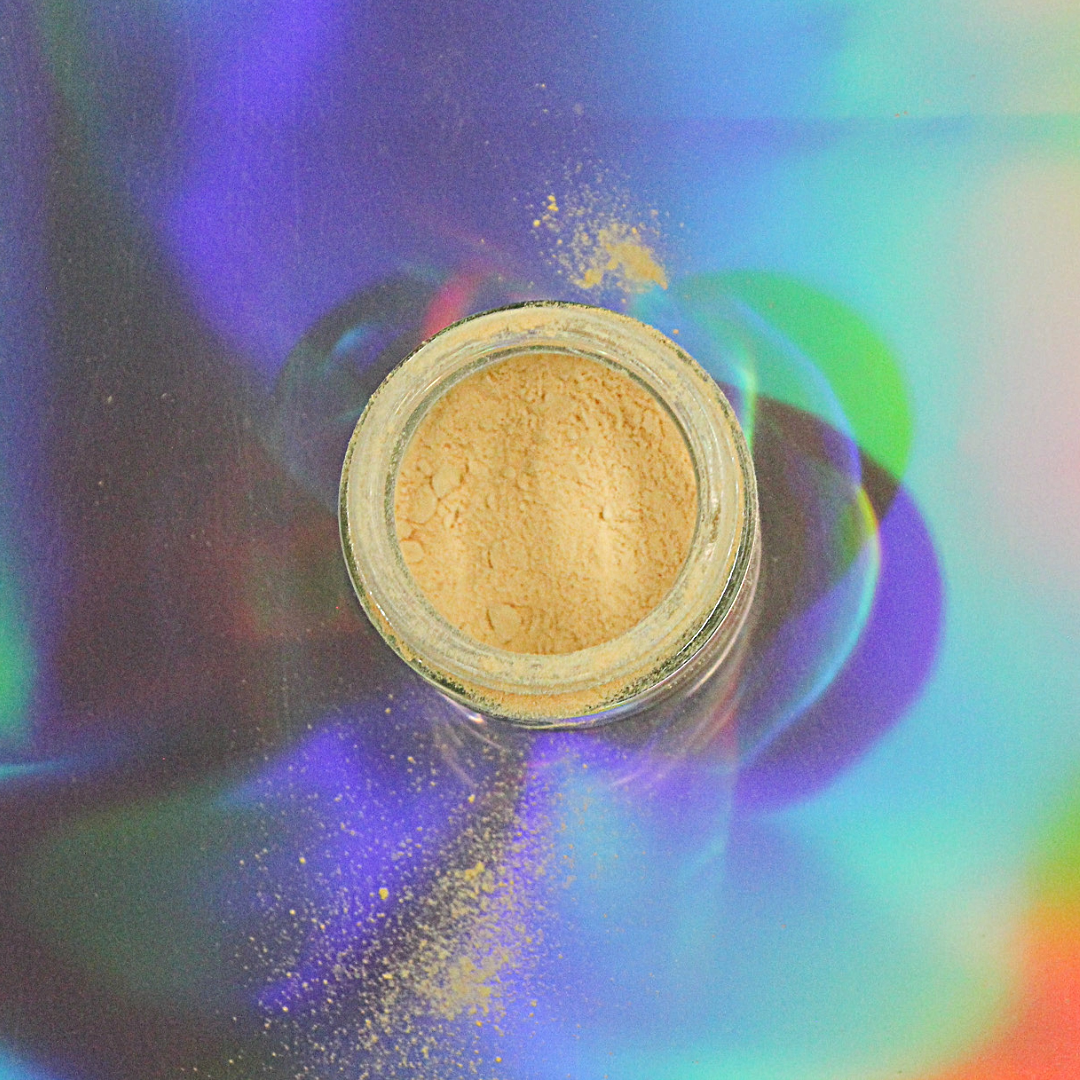
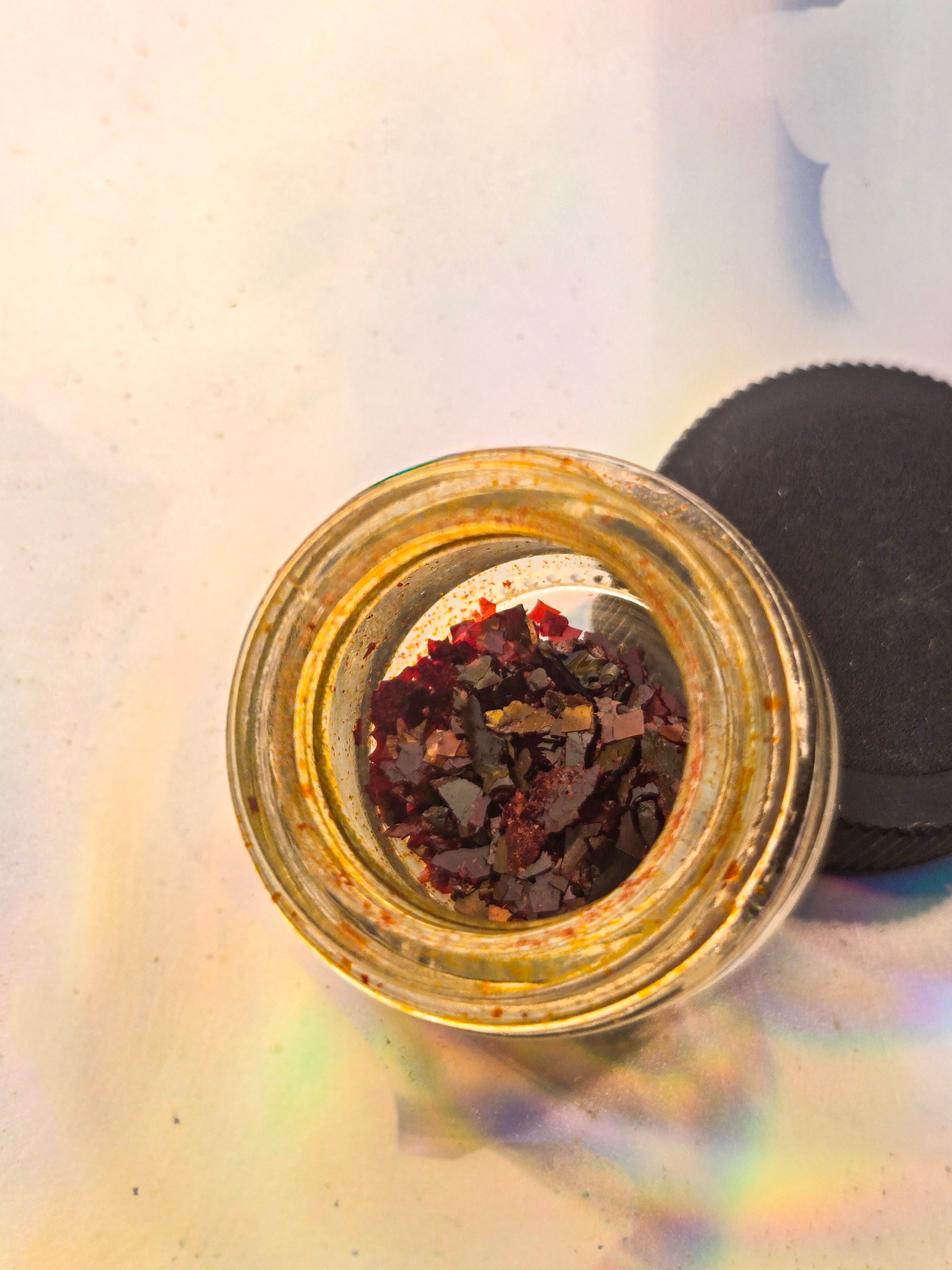
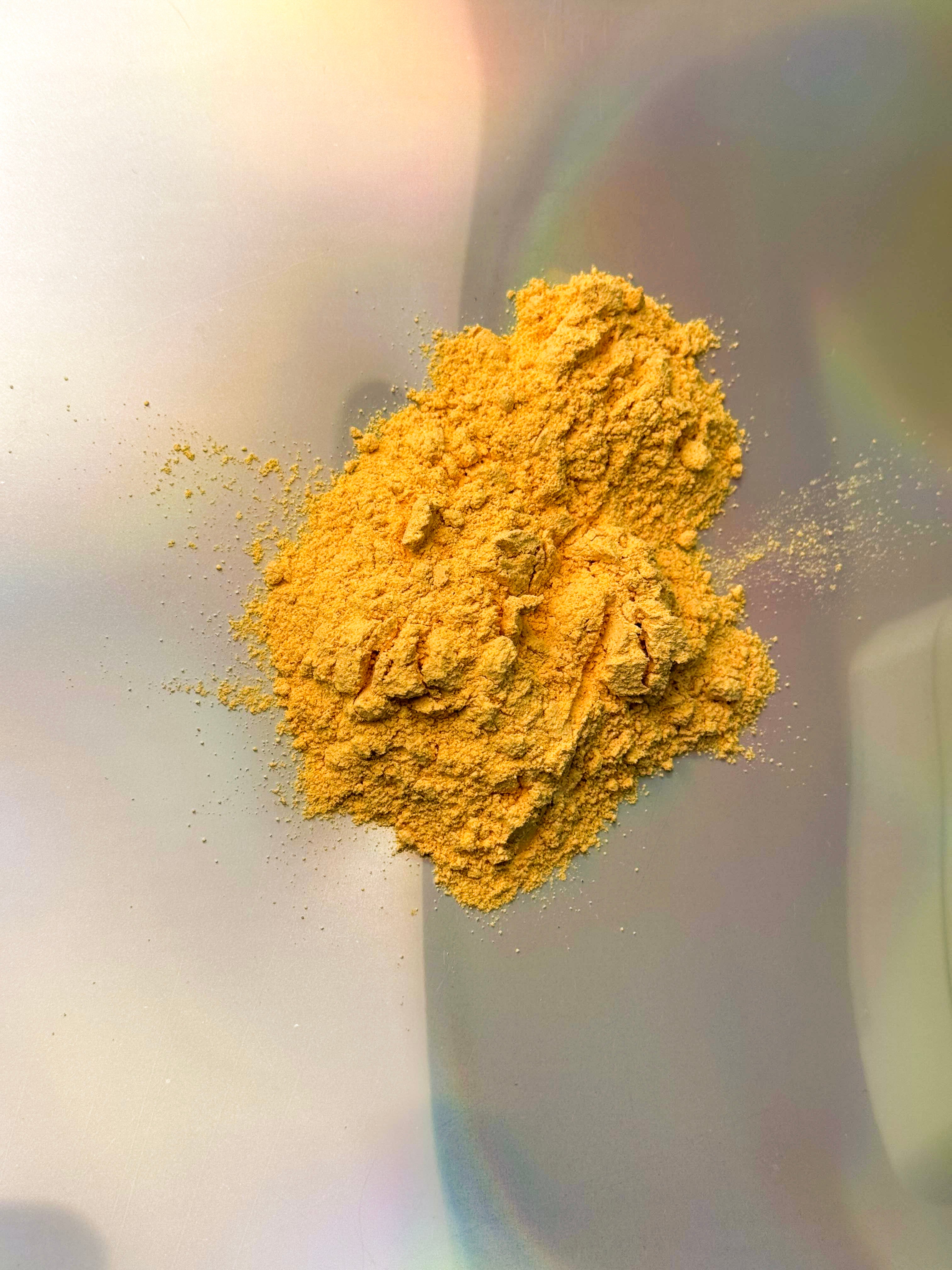
Saffron threads are the whole dried stigma. Saffron extract concentrates the active compounds. Our saffron extract powder is standardized at 0.3% in a mannitol base for even measuring, and our saffron extract resin is a concentrate verified at 17-20%. Whole Super Negin saffron threads are best for tea and food.
Are saffron petals the same as saffron threads?
No. The purple petals of the crocus flower are a byproduct of the harvest. They have a milder profile and much less crocin and safranal than the red threads. Petals have been studied on their own in small trials, but the threads and extracts are the traditional form.
Saffron vs safflower: what is the difference?
Safflower is a completely different plant, sometimes sold as "Mexican saffron" or "American saffron." It is cheap and colors food yellow-orange, but it has none of saffron's safranal aroma. Real saffron threads are deep red with a lighter orange tip, smell like hay and honey, and slowly bleed gold color into water.
How is saffron traditionally used?
- Saffron tea: steep 5 to 10 threads in hot water for 5 to 10 minutes.
- Cooking: bloom a pinch of threads in warm water before adding to rice, broth or desserts.
- Extract and tincture: used in small, measured daily amounts in modern wellness routines.
What has research looked at?
Saffron has been studied in a number of randomized trials looking at mood and well-being. A 2013 meta-analysis in the Journal of Integrative Medicine (PMID 24299602) reviewed the clinical trials published at the time. Read more in our Guide blog.
These statements have not been evaluated by the Food and Drug Administration. These products are not intended to diagnose, treat, cure or prevent any disease. For adults 21+.

Ethical Kanna Sourcing
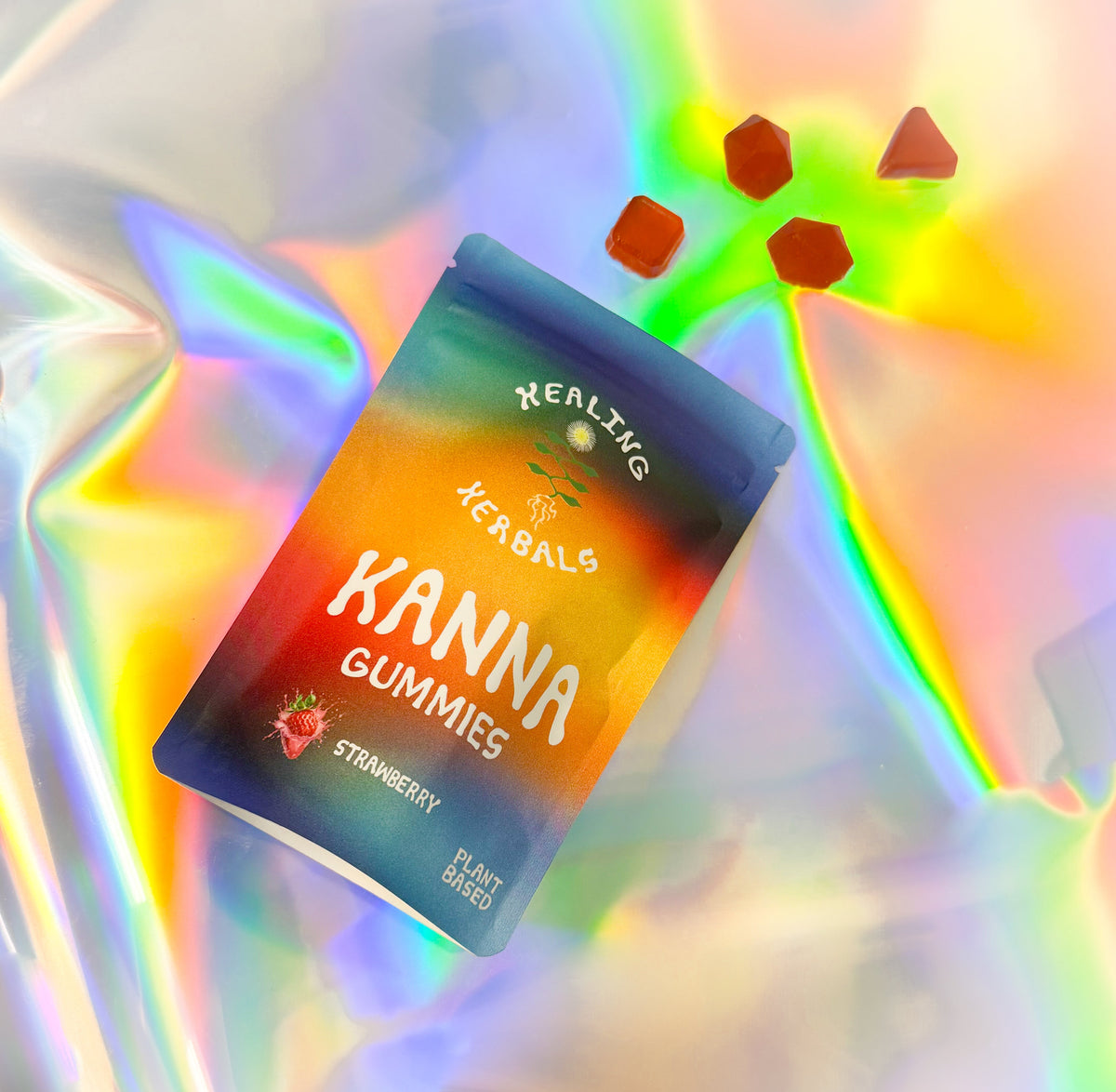
At Healing Herbals, we are committed to the ethical and sustainable cultivation of kanna (Sceletium tortuosum). Our plants are grown without pesticides or synthetic fertilizers and with strict environmental responsibility. We protect biodiversity, support local farming communities, and ensure every product is clean, pure, and sustainably sourced from small farms including our own kanna farm in South Africa.

