
Citric acid
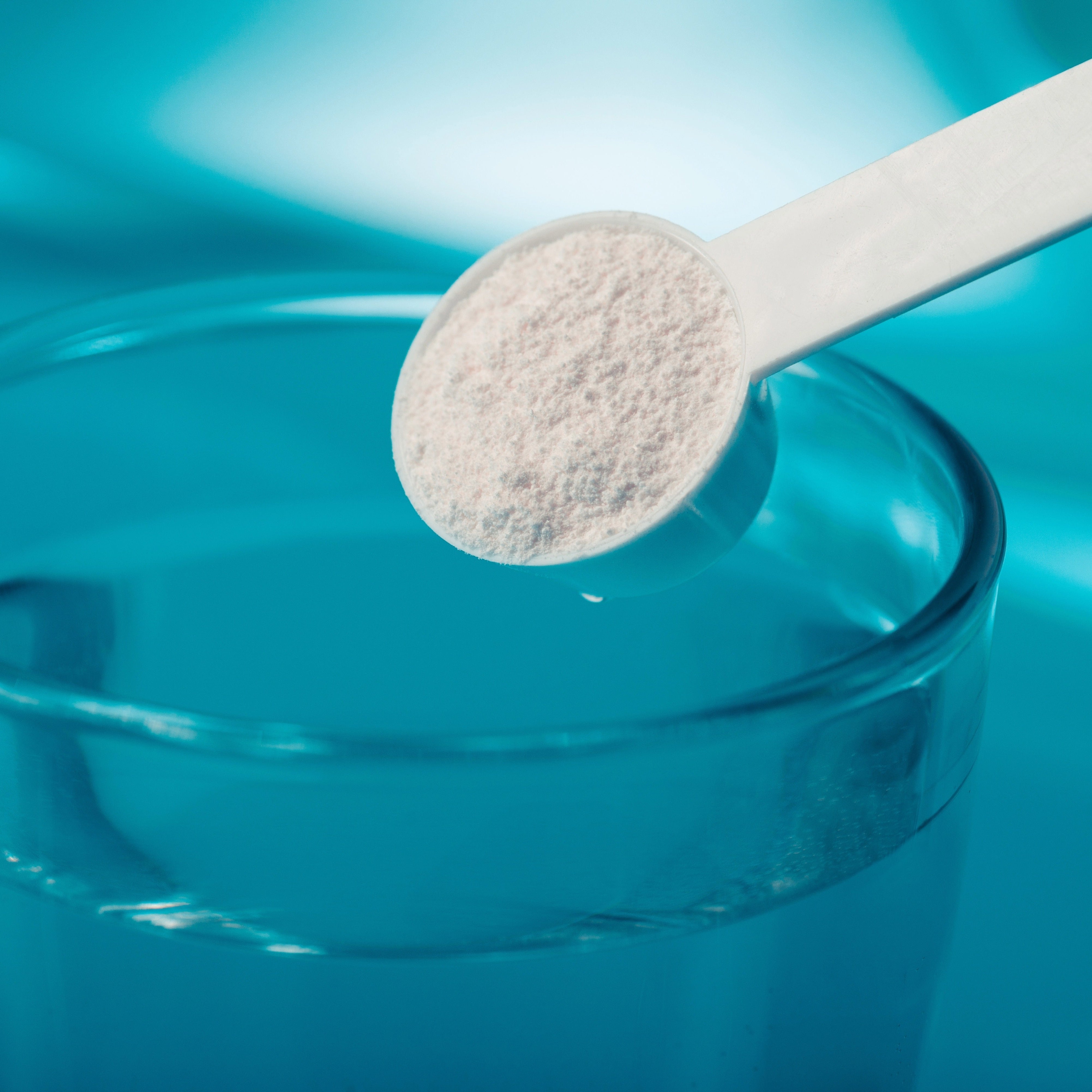
Citric acid is a fine, food-grade crystalline powder sold in half oz and oz sizes for home preparations. It is the versatile natural preservative used across food, beverages and cosmetics to balance pH and extend shelf life, and it has three jobs in our catalog: the stabilizing trace ingredient in nasal spray solutions, the acidifier many people use when decarbing Amanita muscaria, and the tartness in our Home Gummy Kit. The crystals dissolve quickly and completely.
At a glance
- Food-grade crystalline citric acid (anhydrous)
- No anti-caking agents, fillers or flavorings
- Dissolves quickly and completely
- Trace stabilizer for nasal spray solutions
- Acidifier for decarbing Amanita muscaria
- The acid in the gummy kit, for a sour bite
- Sizes: half oz and oz
The compound. Citric acid is the weak organic acid that gives lemons their sharpness, and it occurs in nearly every living cell as a step in energy metabolism. The powder sold today is produced by fermenting sugars. It carries three acid groups, which lets it lower pH efficiently in small amounts and bind loose metal ions that would otherwise speed spoilage, the dual action that has made it a staple preservative for over a century.
What's in it. Pure anhydrous citric acid, with no anti-caking agents, fillers or flavorings. The fine texture dissolves evenly, so a pinch spreads through a spray solution without grit in the nozzle.
How to use. For a nasal spray only a trace is needed: a very small pinch dissolved into the saline before the extract goes in helps hold the solution stable and slightly acidic. Too much will sting, so err on the side of less. For decarbing amanita, acidifying the water with citric acid before gently simmering the dried caps helps the conversion of ibotenic acid to muscimol run more efficiently; the right amount depends on your water volume and method. For gummies, stir about a quarter teaspoon per cup of boiled syrup and agar in after it comes off the heat, or toss the finished gummies in a mix of sugar and citric acid for a sour coating.
What to expect. Citric acid is an ingredient, not a botanical, so there is nothing to feel from it; what you should notice is a more stable preparation that keeps longer. It suits anyone building sprays with our Spray Pack DIY Nasal Spray Kit or refilling empty nasal spray bottles with our saline solution.
Side effects. In dry, concentrated form citric acid is an irritant: it can sting the eyes, dry the skin with repeated handling, and burn a cut. In excess in a nasal spray it stings; by mouth in large amounts it can upset the stomach and wear tooth enamel. Rinse if it reaches the eyes and use less if a spray stings.
Interactions and cautions. Do not inhale the dry powder, and keep it away from the eyes. Acidic solutions can change how some medications dissolve or absorb, so consult a healthcare professional before using citric acid in any preparation taken alongside medication. Keep out of reach of children and pets, and away from metal containers, which it corrodes.
Ingredients and storage. Citric acid (anhydrous). Store tightly sealed in a cool, dry place; the crystals draw moisture and cake into a block if left open.
Common questions
- How much citric acid goes into a DIY nasal spray? Only a trace, a very small pinch dissolved into the saline, because more than that stings.
- Why does citric acid help with decarbing Amanita muscaria? Lowering the pH of the water helps the heat-driven conversion of ibotenic acid to muscimol run more efficiently.
Disclaimer. These statements have not been evaluated by the Food and Drug Administration. This product is not intended to diagnose, treat, cure, or prevent any disease. Citric acid is a common food ingredient, and its use does not establish that any preparation will produce a particular result. Consult your healthcare provider before use if you take any medication or have a medical condition. Use at your own risk and keep out of reach of children. Offered by Healing Herbals, run by a practicing herbalist of 13+ years.
Choose options