
Article: How to Make Kava the Traditional Way (Strainer Bag Method)

How to Make Kava the Traditional Way (Strainer Bag Method)
TL;DR: Traditional kava is simple but takes patience. Put medium grind root in a fine nylon strainer bag (75 micron or finer), soak it in warm water around 100 to 115F, then knead it underwater for a full 8 to 10 minutes until it looks like milky coffee. Use about 2 to 3 tablespoons of root per 2 cups of water, drink on an empty stomach, and never use hot water or mix kava with alcohol.
Most people who say they do not like kava have only had it made wrong. Usually too little root, or water that was too hot. Or a thirty second squeeze where it needed ten minutes of kneading. Traditional kava is not hard to make, but it is a process, and skipping steps is why so many first batches turn out weak and gritty. This is how we make it behind the counter at Roots and how we tell customers to make it at home.
What you need
- Medium grind kava root. Our Vanuatu, Tongan or Fiji medium grind all work the same way.
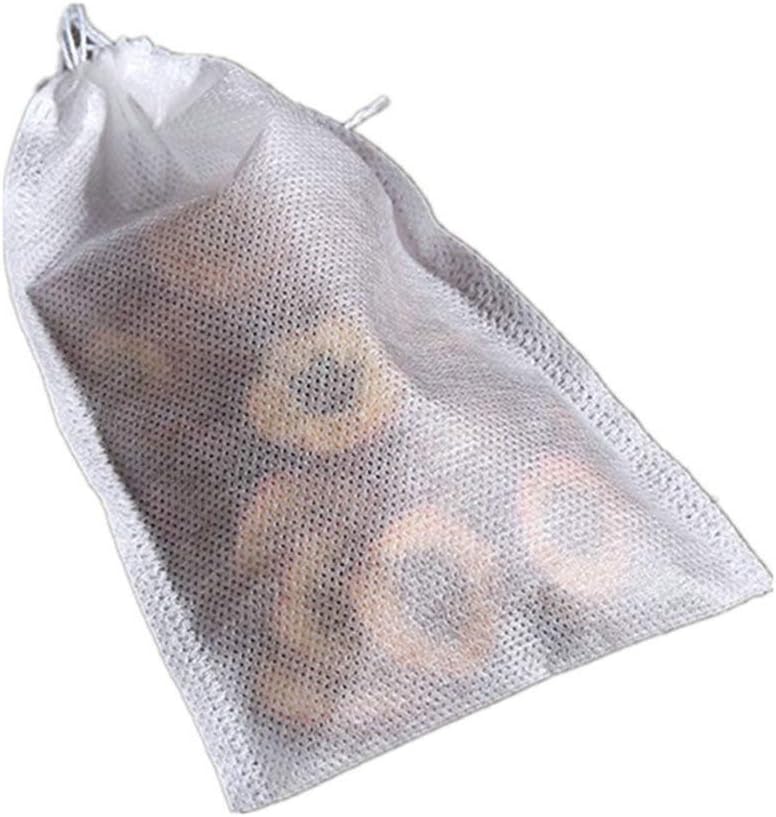
- A fine nylon strainer bag, 75 micron or finer. Not a tea bag, not cheesecloth. Our Reusable Kava Strainer Bags (Fine Nylon) hold back the root fiber and survive being wrung out hard. The rest of our prep gear is in the Accessories and DIY Supplies collection.
- A bowl big enough to get both hands in.
- Warm water, around 100 to 115F. Bath water warm. Hot water ruins the batch.
How much root and how much water
A standard serving is 2 to 3 tablespoons of medium grind (roughly 15 to 25 grams) to 2 cups of water. That makes two shells. For a batch for a few people, scale it straight up: 1 cup of root to 8 cups of water. Traditional ratios run anywhere from 1:6 to 1:10 root to water by volume, and the stronger end is where most kava bars sit.
The method
- Measure the root into the strainer bag and close it. Drop the bag into the bowl and pour the warm water over it.
- Let it soak for 5 to 10 minutes. The water will start to go cloudy on its own. This softens the root so the kneading actually pulls something out.
- Now knead. Both hands in the water, squeeze the bag, wring it, work it like dough, dunk it, squeeze again. Keep the bag under the water the whole time so what you press out stays in the bowl. Do this for a full 8 to 10 minutes. Set a timer, because two minutes feels like ten.
- The water should be the color of milky coffee and feel slightly oily between your fingers. That is the sign it is done.
- Lift the bag, wring it out hard over the bowl one last time, and pour into shells or cups.
The second wash
The root still has plenty left after the first press. Put the same bag back into a fresh cup or two of warm water and knead it for another 5 minutes. The second wash is lighter and a little smoother, and a lot of people prefer it. Toss the root after that.
Drinking it
Traditionally kava is taken on an empty stomach, a couple of hours after a meal. A shell goes down in a few big gulps rather than sips, and islanders leave 15 to 20 minutes between shells. There is no rush. Kava bars pace it the same way. Something salty or a piece of fruit after a shell cuts the taste.
Mistakes that ruin a batch
- Water that is too hot. Anything over about 120F flattens the batch and makes it taste worse.
- Not kneading long enough. Two minutes gets you brown water. Ten minutes gets you kava.
- A bag that is too coarse. Cheesecloth and tea bags let root fiber through, and fiber in the cup is the number one complaint we hear about a bad batch.
- Using instant or micronized kava this way. Those are made to stir straight into water and do not need a bag.
Shortcut for a single serving
If you do not want the full prep, our instant kavas mix straight into a cup of water with a spoon. Same plant, no strainer, less strength per serving than a properly kneaded batch of medium grind.
Interactions and cautions. Do not combine kava with alcohol. Not for use if you are pregnant or nursing, take medications processed by the liver, or have a liver condition. Consult a physician before use. For adults 21 and over.
Disclaimer. These statements have not been evaluated by the Food and Drug Administration. This product is not intended to diagnose, treat, cure, or prevent any disease. Kava is a traditional botanical, and traditional use does not establish that it will produce any particular result. Keep out of reach of children.

Written by Herbal Healings
,%20soak%20it%20in%20warm%20water%20around%20100%20to%20115F,%20then%20knead%20it%20underwater%20for...)