
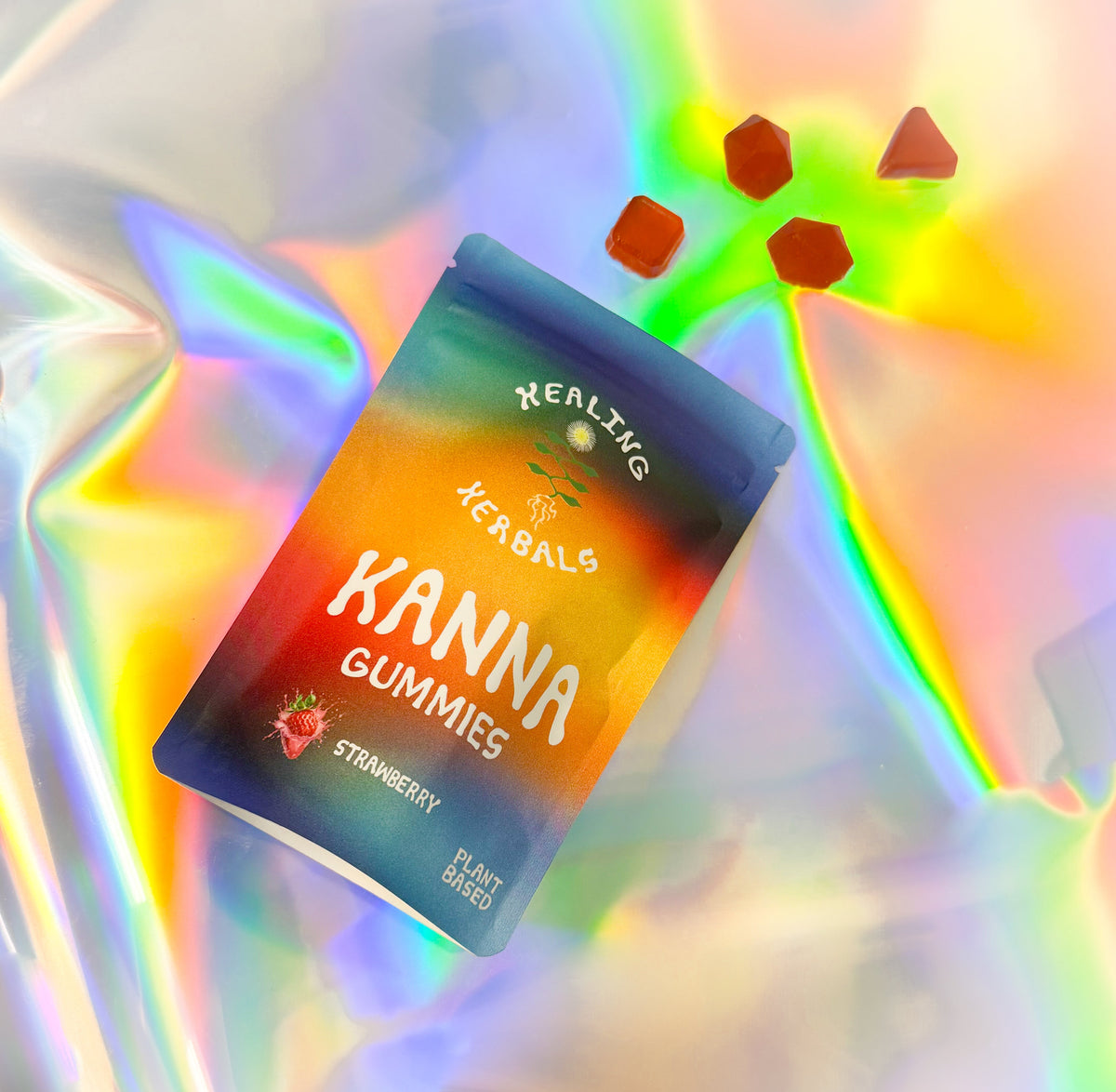
Kanna Tinctures & Infusions
Kanna Tincture and Infusions. Our liquid and steepable kanna: 30 tinctures, sublingual and nasal sprays, drinkable extracts and infusion blends from Sceletium tortuosum, 1:5 up to 10:1 strength, small batch and third-party tested. Powders and resin are under kanna extracts.
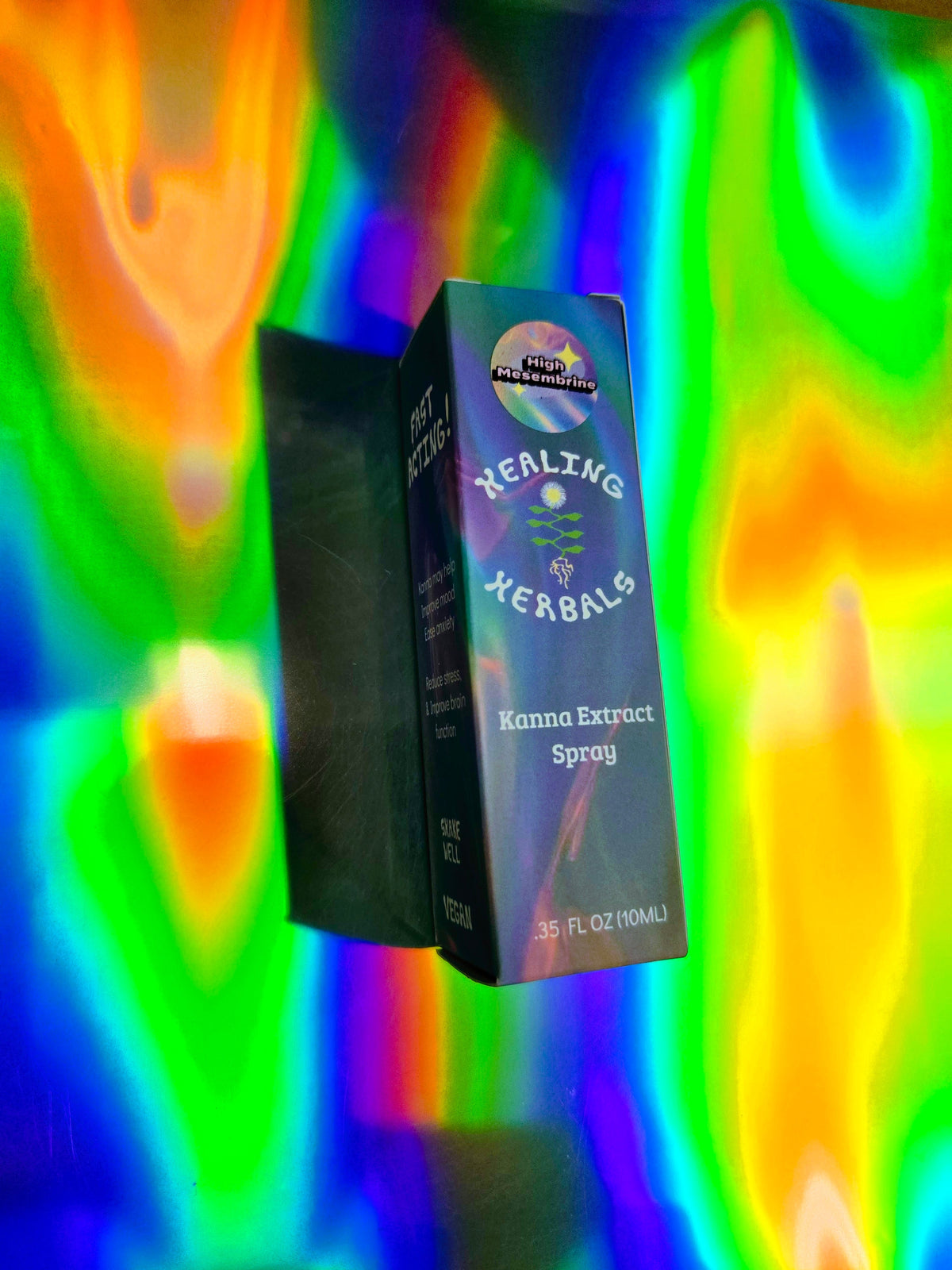
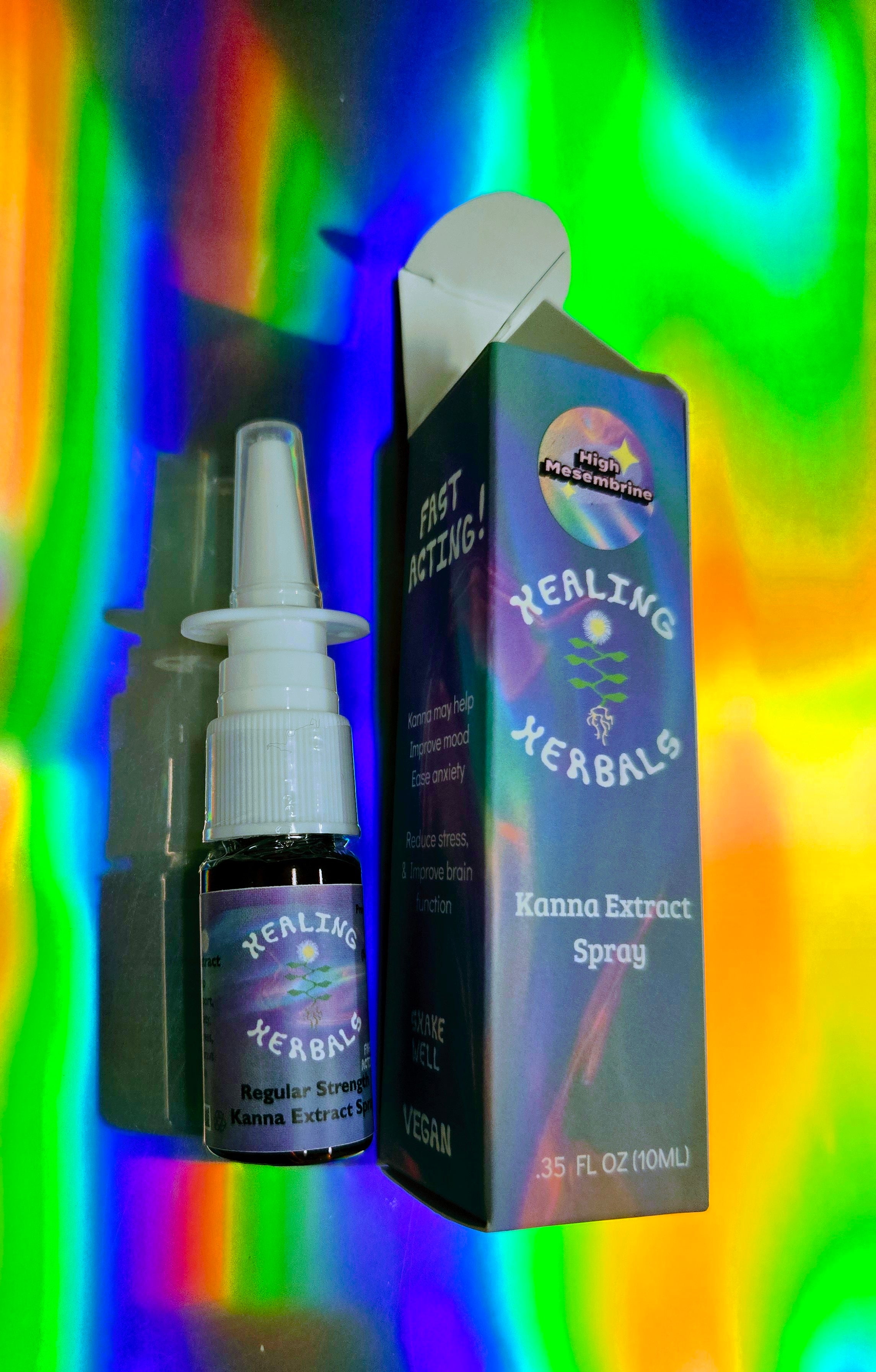
![Kanna Extract Nasal Spray (High Mesembrine) [RAVE] box side view](http://healingherbals.store/cdn/shop/files/Kanna-Extract-Nasal-Spray-High-Mesembrine-Fast-Acting-By-Healing-Herbals_980fabed-01c5-4970-8550-bb2b79390845.jpg?v=1790719375&width=2200)

![Kanna Mouth Spray (High Mesembrenone) [Melt], mouth spray bottle](http://healingherbals.store/cdn/shop/files/minispray_1.jpg?v=1772051706&width=2974)




Kanna tincture guide: how to choose, dosing and safety
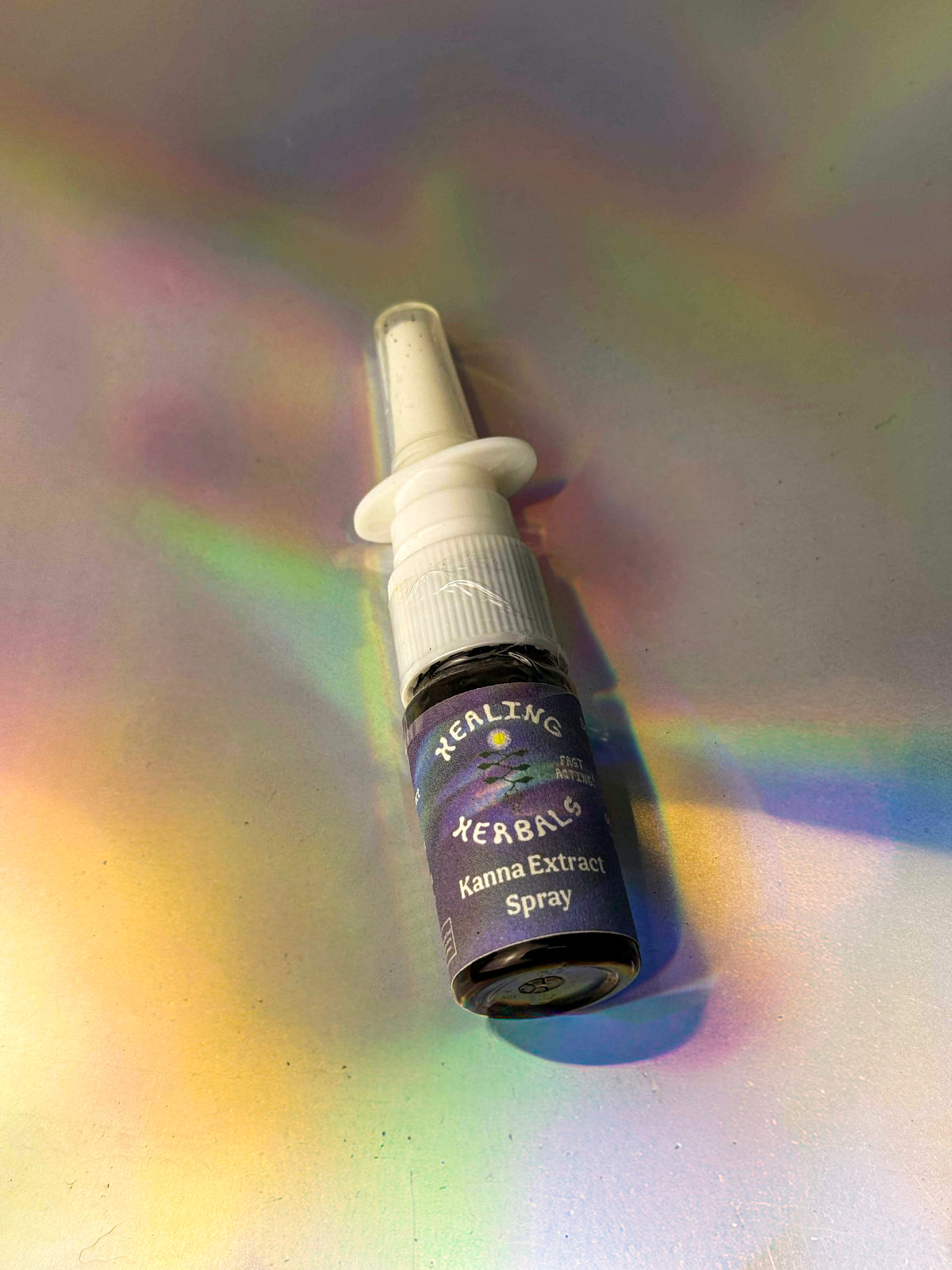
This collection gathers our liquid and steepable kanna, 30 listings of tinctures, sublingual sprays, drinkable extracts and loose-leaf infusion blends made from Sceletium tortuosum. Every product is prepared from whole-plant material, processed in small batches, and independently lab tested for alkaloid content and purity. All batches are third-party tested for alkaloid identity, heavy metals, microbial safety and cannabinoid absence, and certificates of analysis are available on request. Tincture strengths range from standard 1:5 preparations up to concentrated 10:1 extracts, and the kanna itself is sourced through South African San Council benefit-sharing partnerships. Powders and resin are under kanna extracts. The fastest item in this group is the RAVE kanna nasal spray, and best time to take kanna covers when each format fits.
At a glance
- 30 listings of tinctures, sublingual sprays, drinkable extracts and loose-leaf infusion blends from Sceletium tortuosum
- Prepared from whole-plant material, processed in small batches
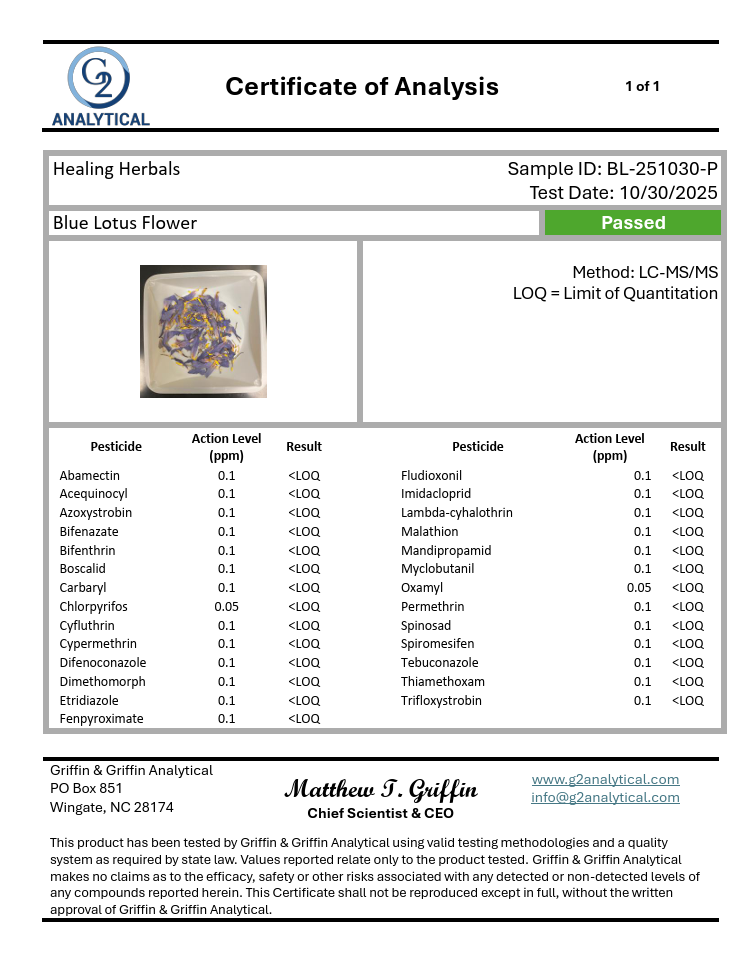
- Third-party tested for alkaloid identity, heavy metals, microbial safety and cannabinoid absence, with certificates of analysis on request
- Tincture strengths from standard 1:5 up to concentrated 10:1 extracts
- Kanna sourced through South African San Council benefit-sharing partnerships
The plant. Kanna is a succulent native to southern Africa's Karoo, part of the Aizoaceae family and fermented as kougoed by the San and Khoikhoi for generations. It contains the mesembrine-type alkaloids mesembrine, mesembrenone, mesembrenol and delta-7-mesembrenone. Different fermentation and extraction methods produce different alkaloid ratios, which is why potency and character vary between products even when the plant is the same. Alcohol pulls the full alkaloid spectrum efficiently, glycerin gives a gentler, sweeter alcohol-free base, and water infusion is the oldest way of all.
How to choose.
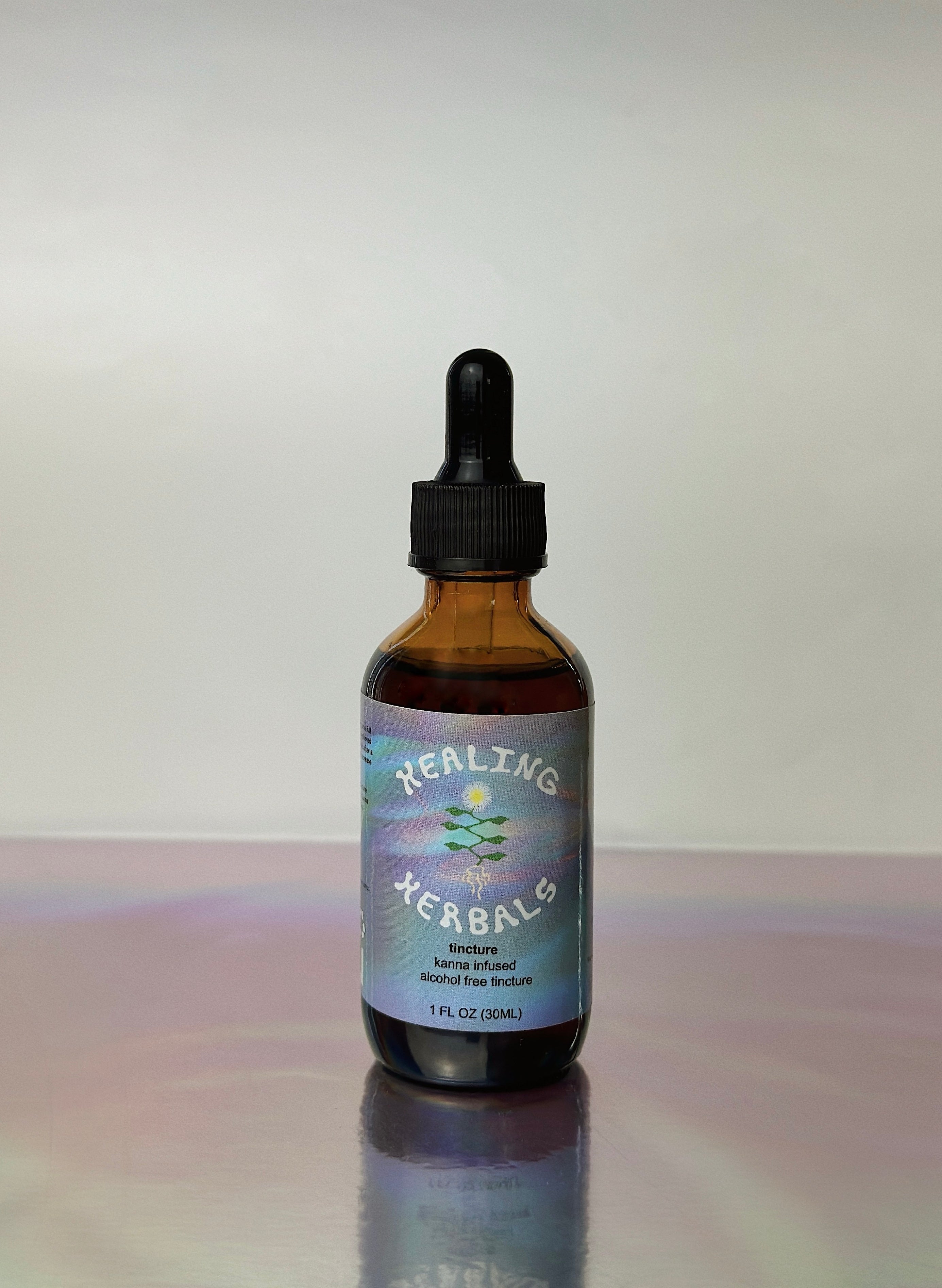
- Alcohol-based tinctures give maximum extraction efficiency and a long shelf life; the Kanna Tincture Alcohol Based 2oz is the standard here.
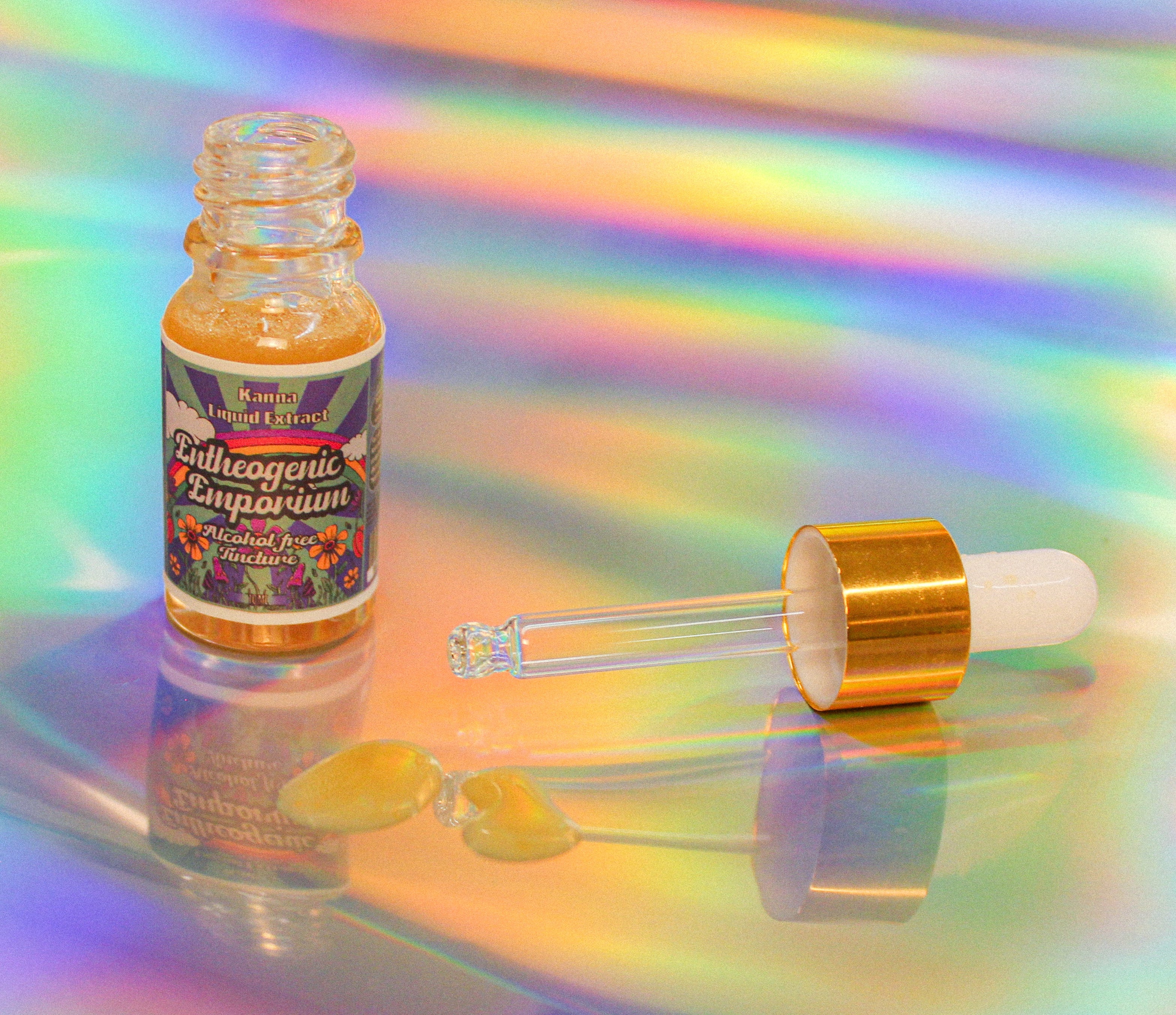
- If you avoid alcohol, the Kanna Tincture Alcohol Free 2oz is made with vegetable glycerin.
- For a pocket-sized concentrate there is the 10ml high potency liquid extract.
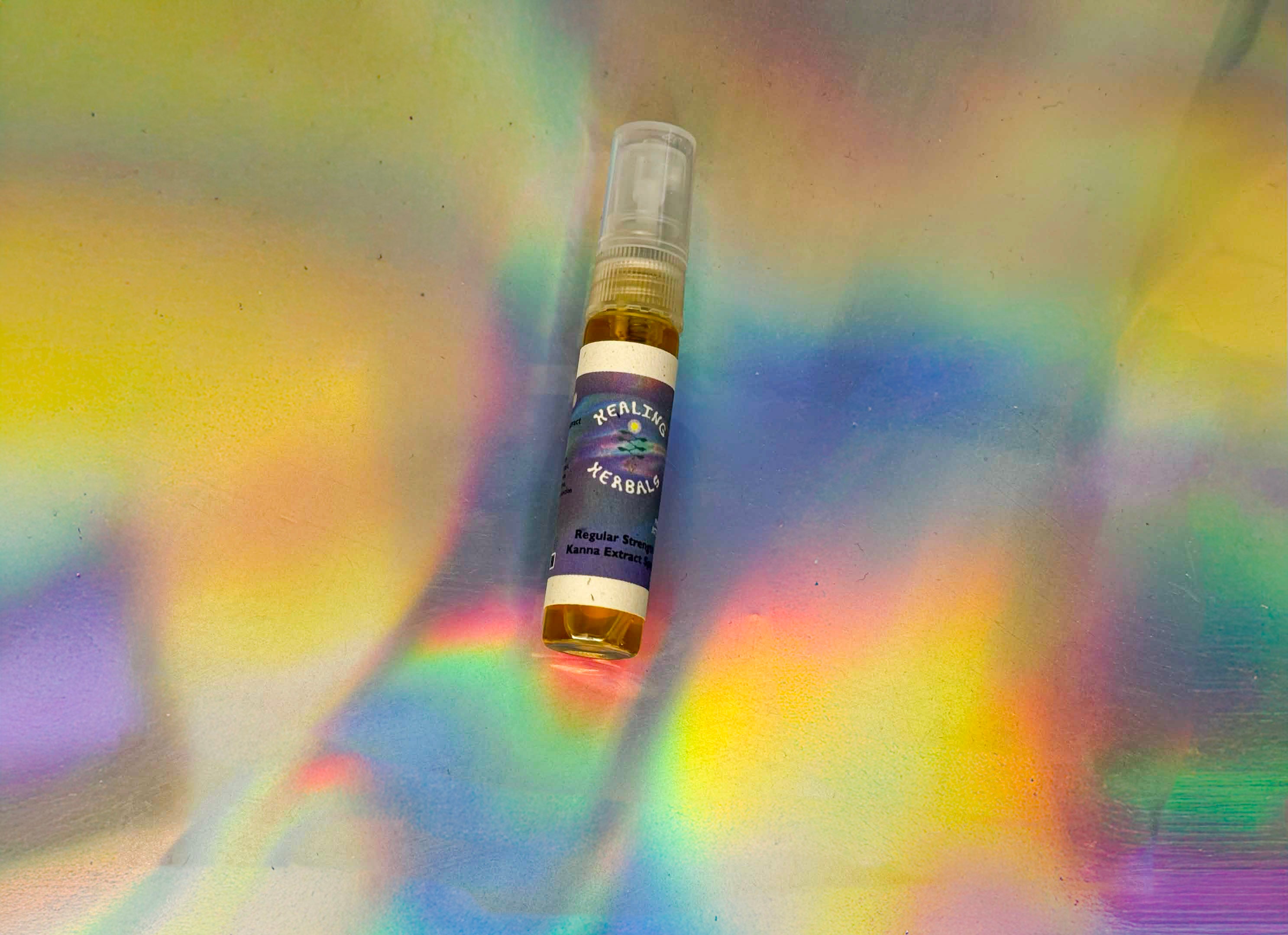
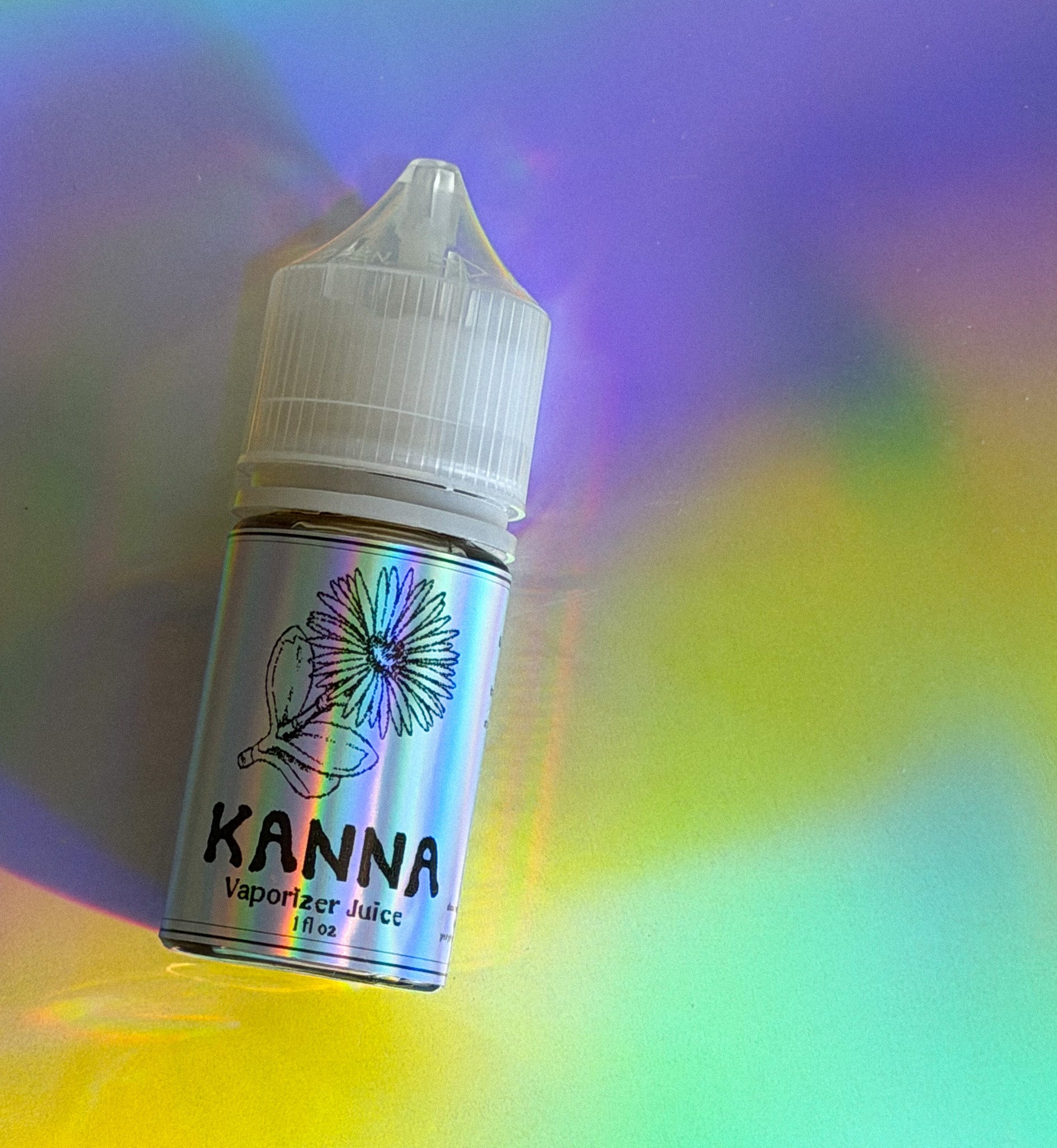
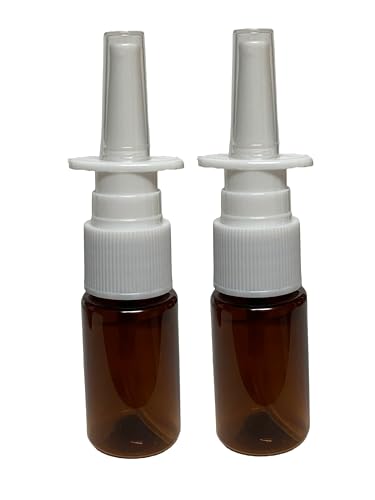
- Sublingual sprays are the fastest liquid format: Kanna Extract Mouth Spray for a bright profile and the MELT high mesembrenone spray for a calmer one.
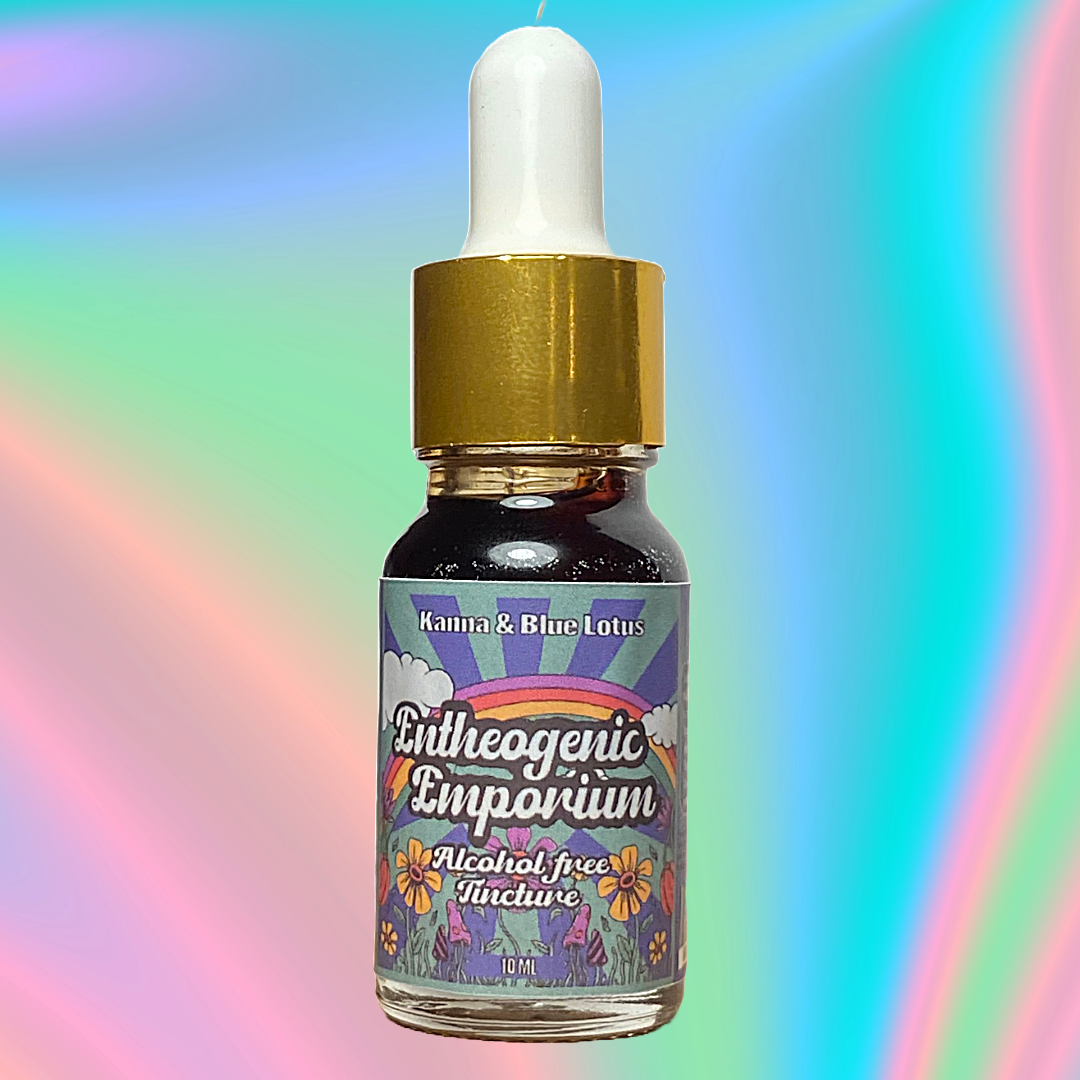
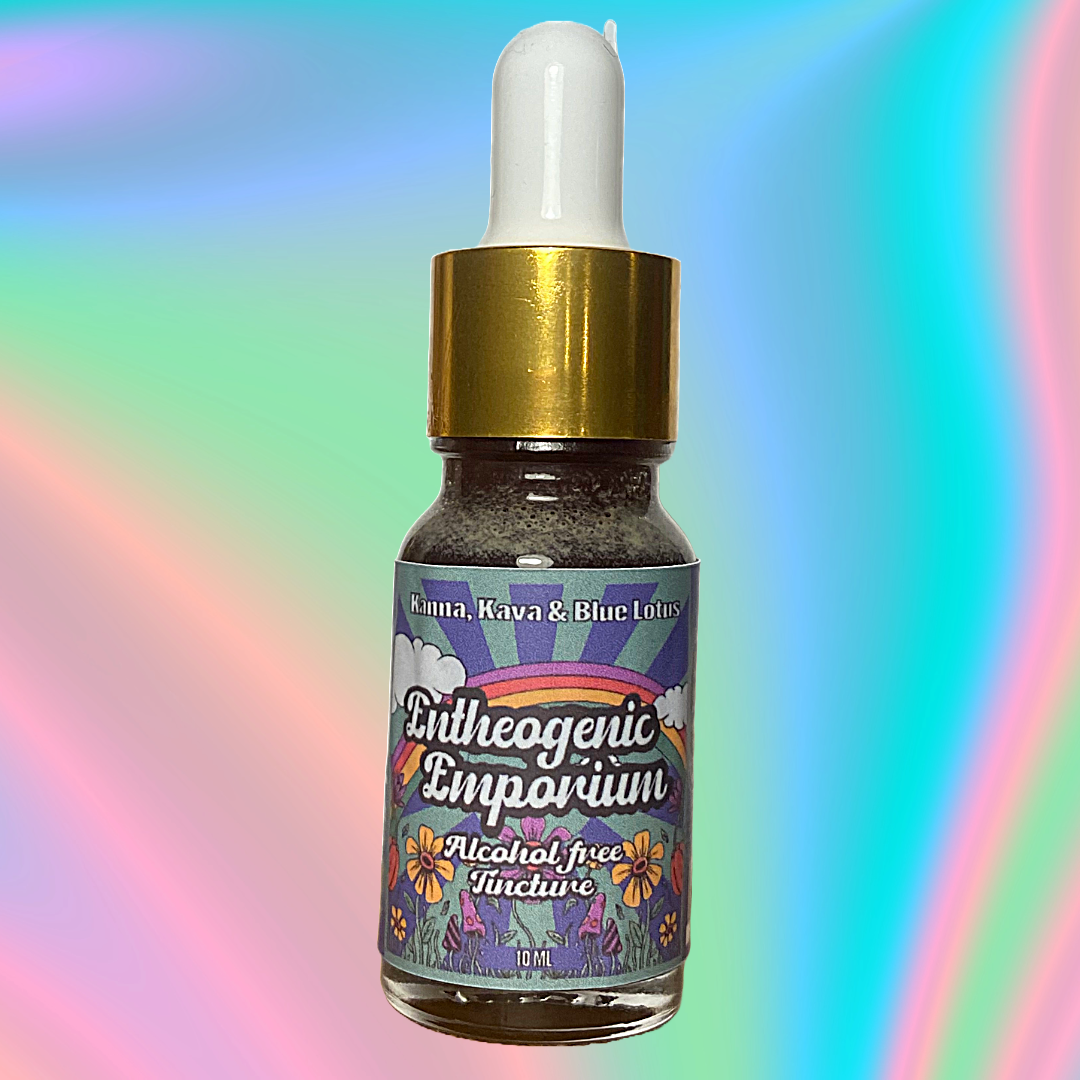
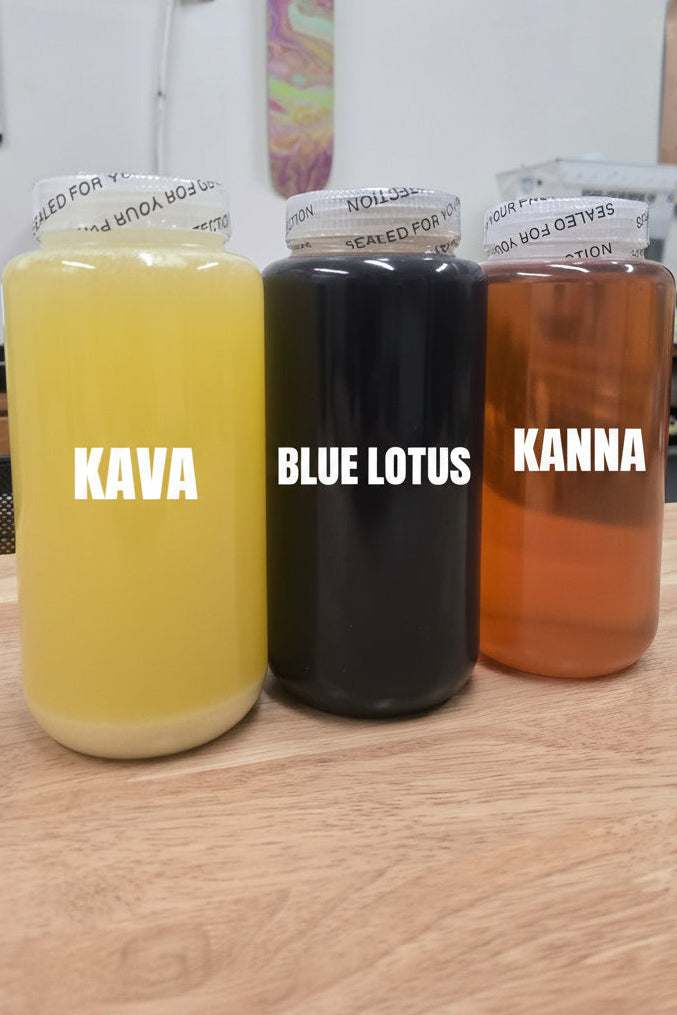
- Blends bring in sister plants: Kanna and Blue Lotus Tincture and the alcohol-free Kanna, Blue Lotus and Kava 10ml.
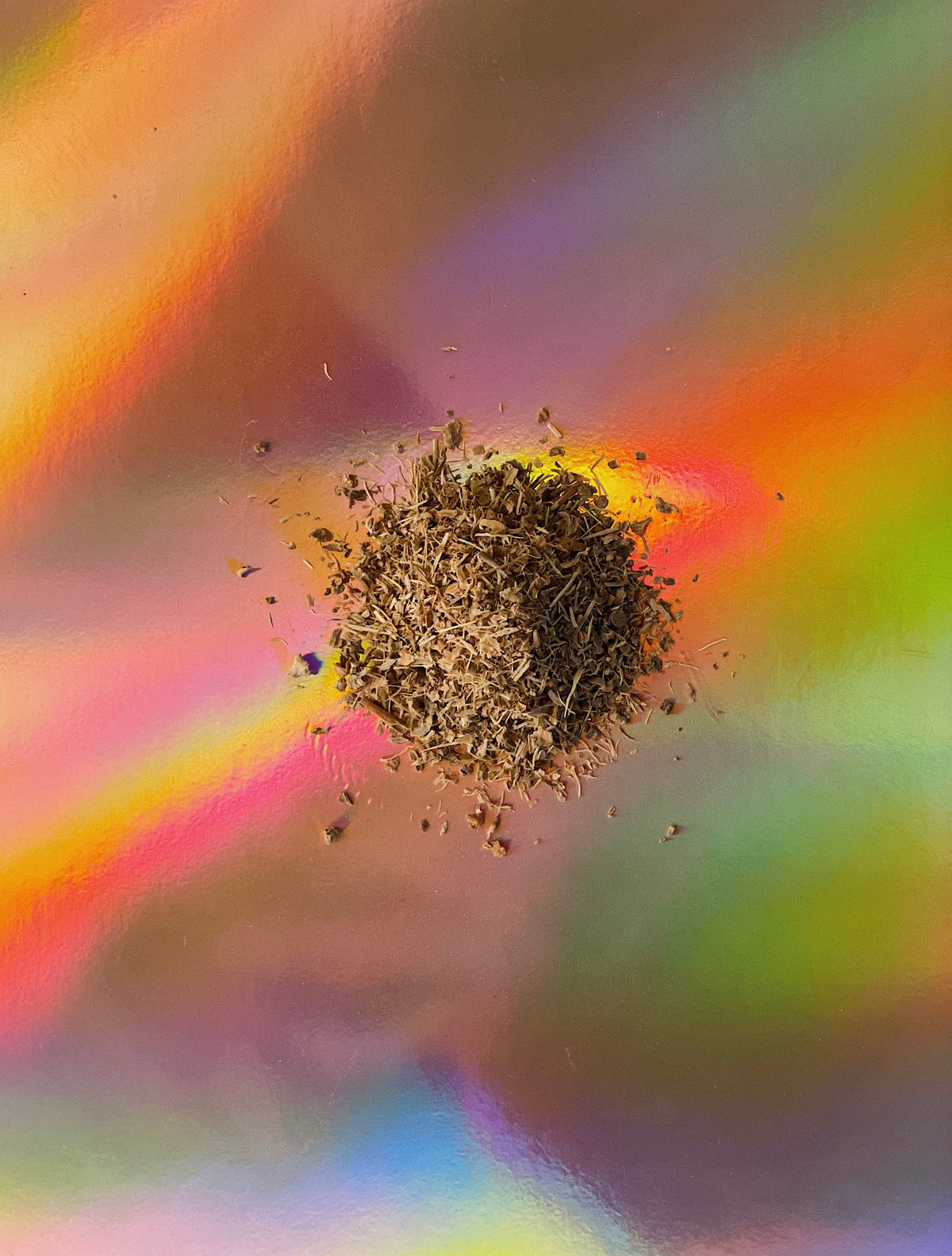
- For a true infusion, steep the fermented kanna loose leaf tea cut.
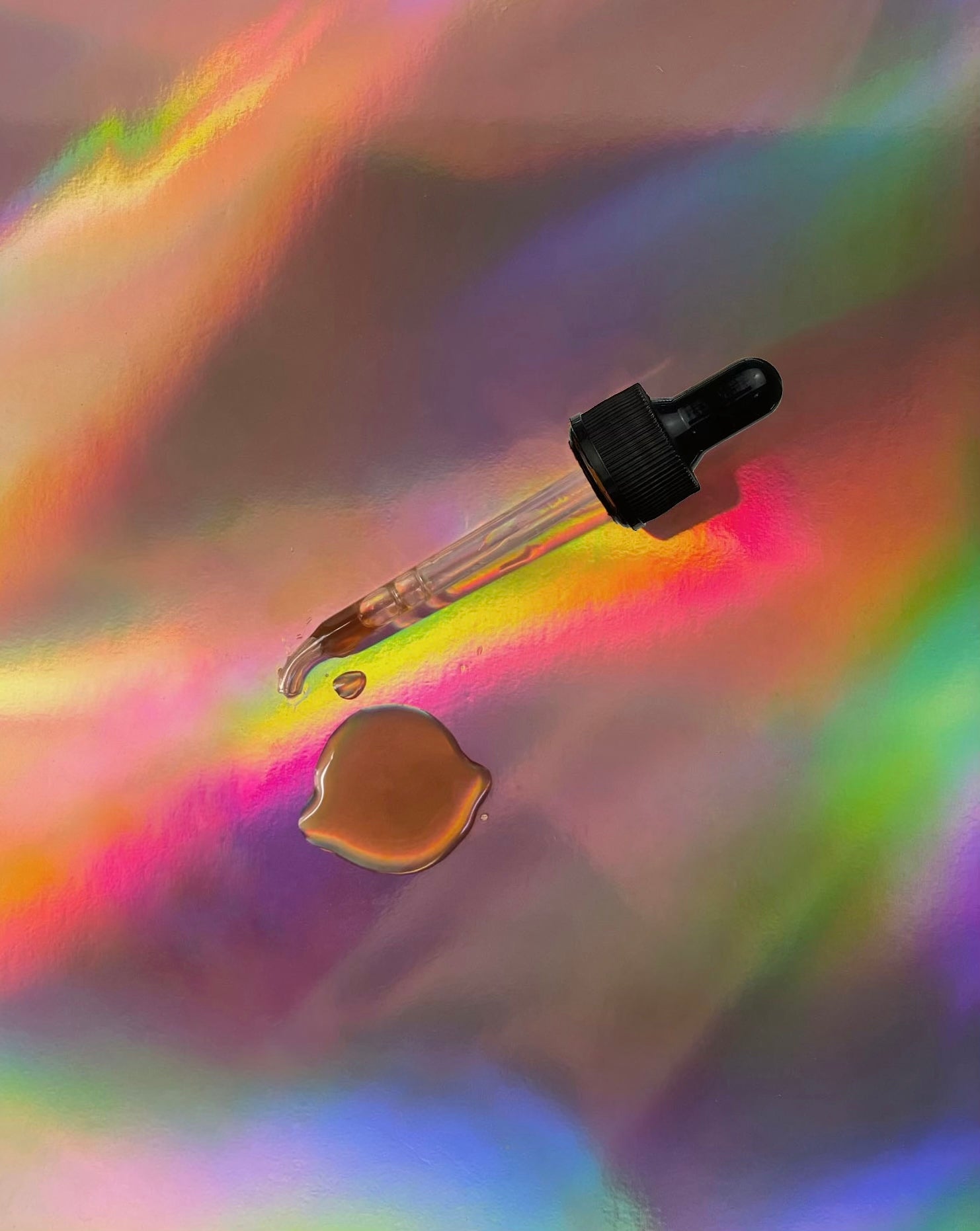
Dosing overview. Every bottle lists its own dropper or spray serving; begin at the low end of that range and hold liquid under the tongue for a minute before swallowing. Sprays and tinctures are usually felt within twenty to forty minutes, so wait at least that long before considering more. Tea is steeped at one to two teaspoons per 8 oz for five to ten minutes unless the product page says otherwise. A 10:1 liquid is far more concentrated than a 1:5 tincture, so read the ratio before you measure.
What to expect. Liquids come on faster and smoother than powders, with users describing a lifted, present, clear-headed feeling from mesembrine-led products and a relaxed, melty feeling from mesembrenone-led ones. Blends with blue lotus and kava read softer and more evening-friendly. Expect a few hours of effect and a natural taper, with the tincture's own bitterness being the main thing people notice first.
Side effects and cautions. Taking more than the stated serving can bring mild nausea, headache, jitters or a dip in appetite that resolves as kanna clears; drop the next serving.
- Do not combine any kanna liquid with SSRIs, SNRIs, MAOIs or other serotonergic medications including triptans, tramadol and St. John's Wort
- Alcohol-based tinctures contain alcohol, so plan accordingly and do not mix with drinking
- Not for use if pregnant, nursing or with a heart condition
- Adults 21 and over
Common questions
- Is an alcohol-free kanna tincture weaker than an alcohol-based one? Not necessarily, because each is standardized to its own stated strength, but glycerin tinctures taste sweeter and alcohol tinctures extract a wider spectrum.
- How fast does a kanna mouth spray work compared with a tincture? Both are sublingual, but the spray delivers a finer mist and most users notice it a little sooner.
- Can you brew kanna as a tea? Yes, the fermented leaf cut steeps like any herbal tea and gives the mildest kanna experience in this collection.
Disclaimer. These statements have not been evaluated by the Food and Drug Administration. These products are not intended to diagnose, treat, cure, or prevent any disease. Kanna is a traditional botanical, and traditional use does not establish that it will produce any particular result. Consult your healthcare provider before use if you take any medication or have a medical condition. Use at your own risk and keep out of reach of children. Formulated by Healing Herbals, run by a practicing herbalist of 13+ years.

Ethical Kanna Sourcing
At Healing Herbals, we are committed to the ethical and sustainable cultivation of kanna (Sceletium tortuosum). Our plants are grown without pesticides or synthetic fertilizers and with strict environmental responsibility. We protect biodiversity, support local farming communities, and ensure every product is clean, pure, and sustainably sourced from small farms including our own kanna farm in South Africa.

