Loose Leaf Botanicals
Loose leaf botanicals. Our whole-plant shelf: rare and traditional herbs, flowers, roots and mushrooms sold dried and unprocessed, from authentic blue lotus and fermented kanna leaf to noble kava root, wild dagga and dried amanita caps.


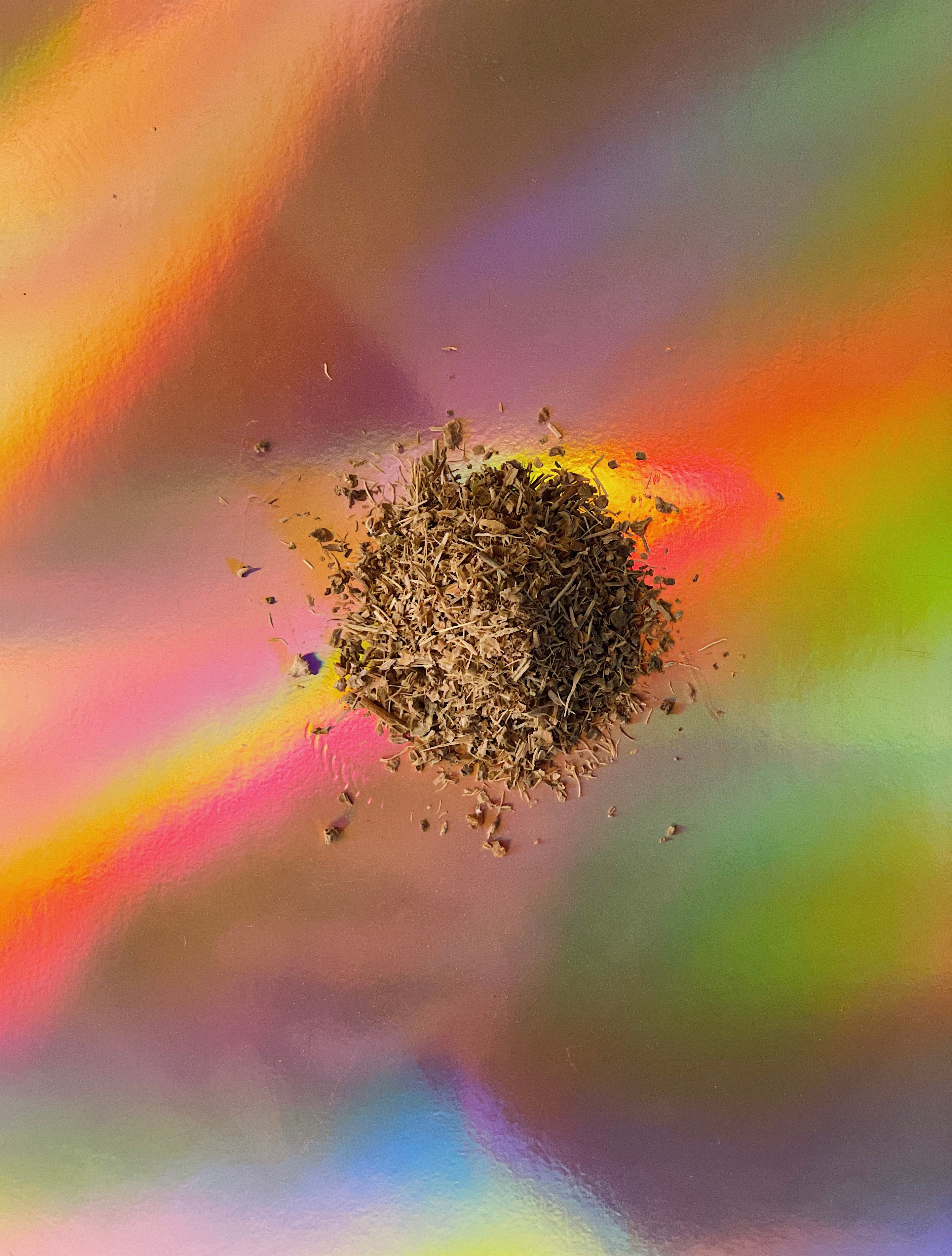


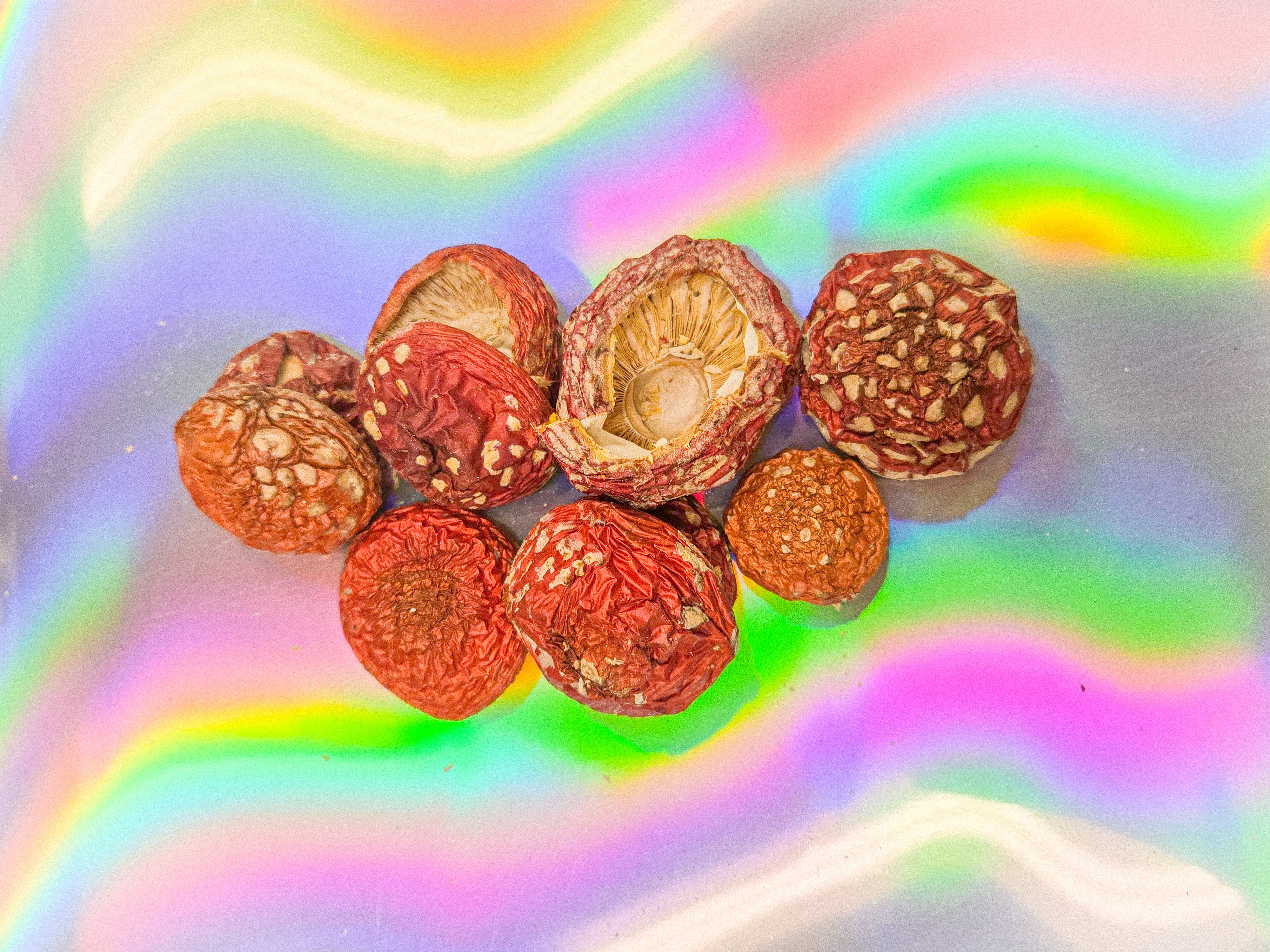
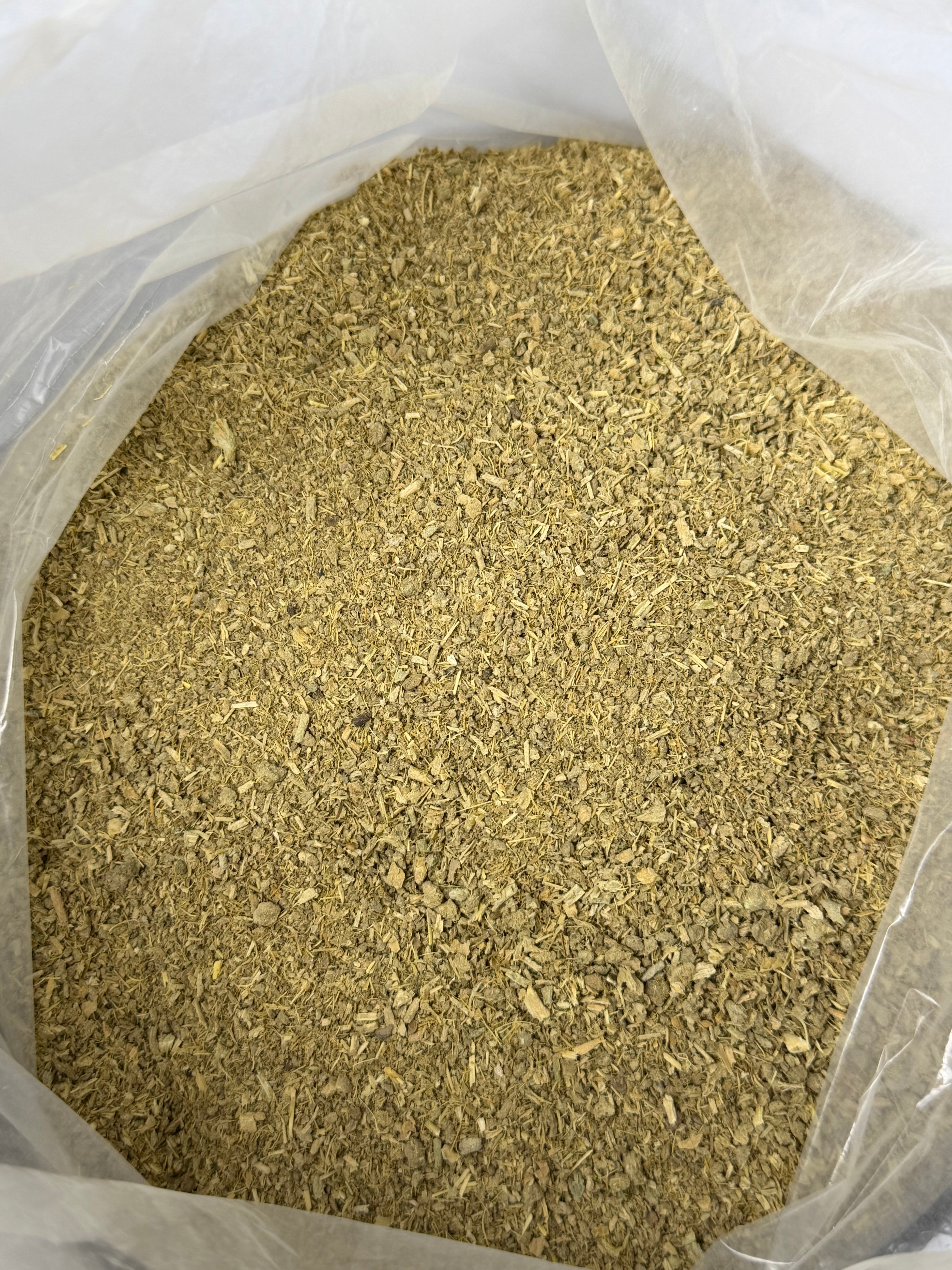

















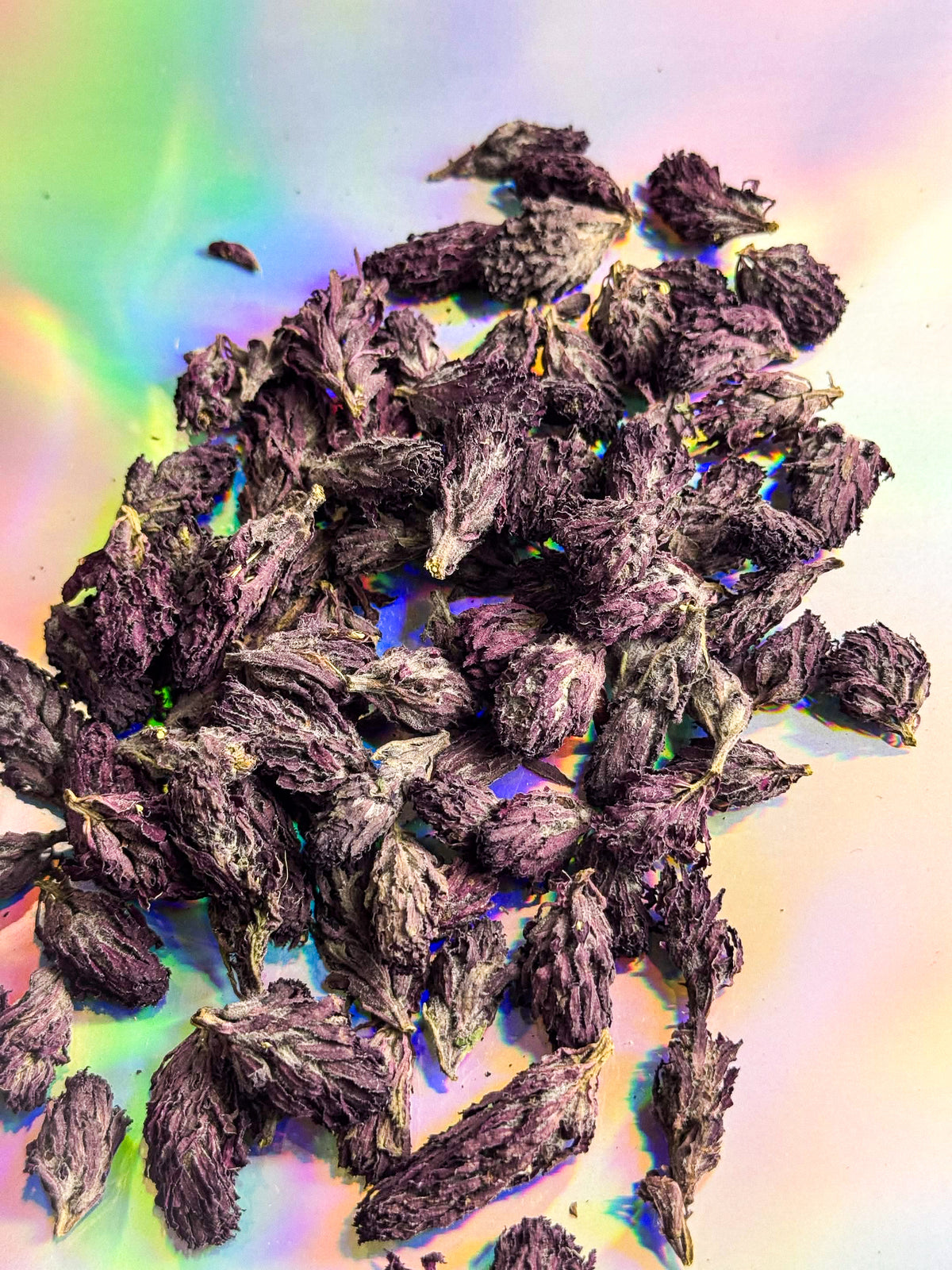
Whole-plant botanicals guide: how to choose and how to use them
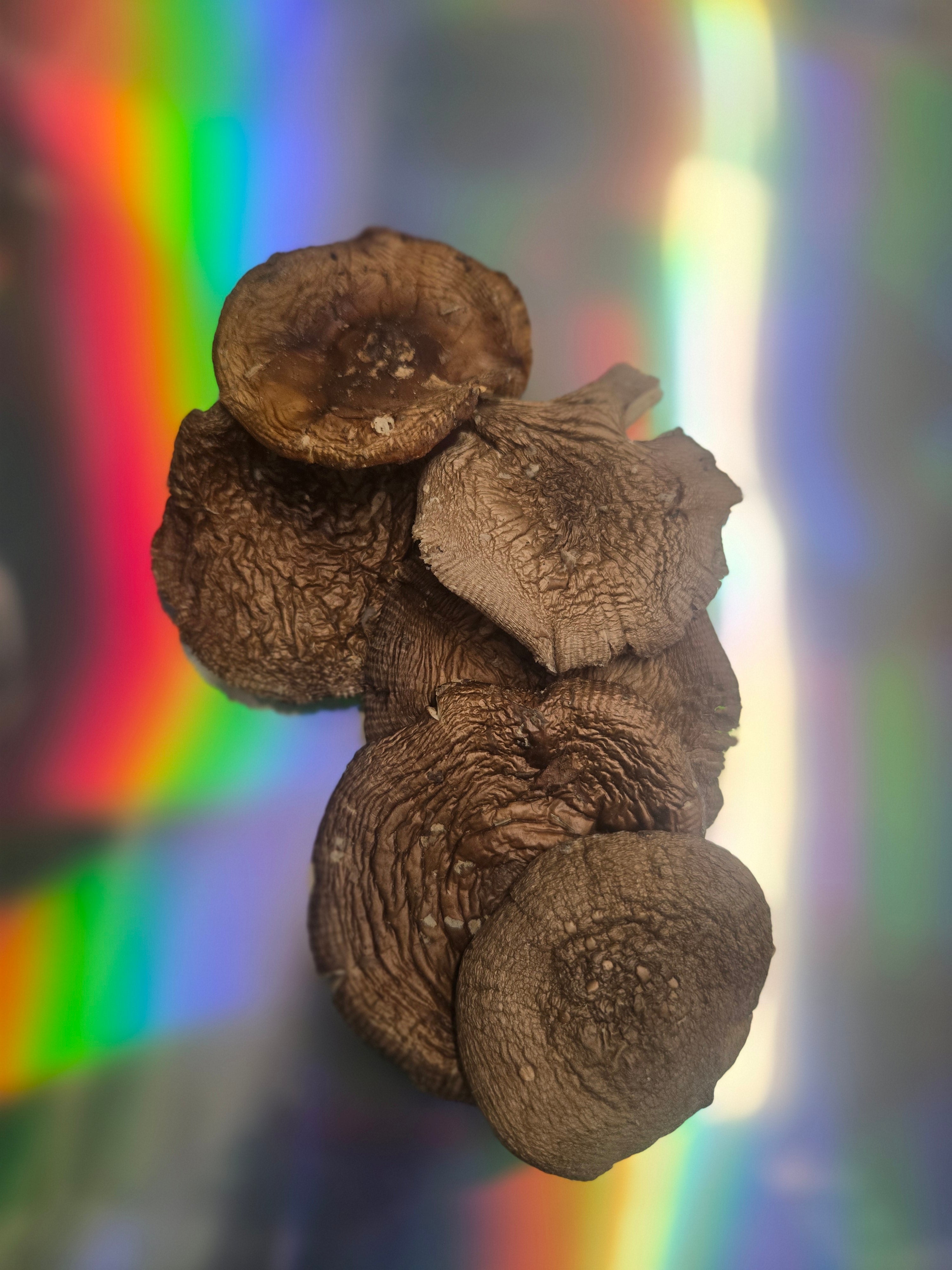
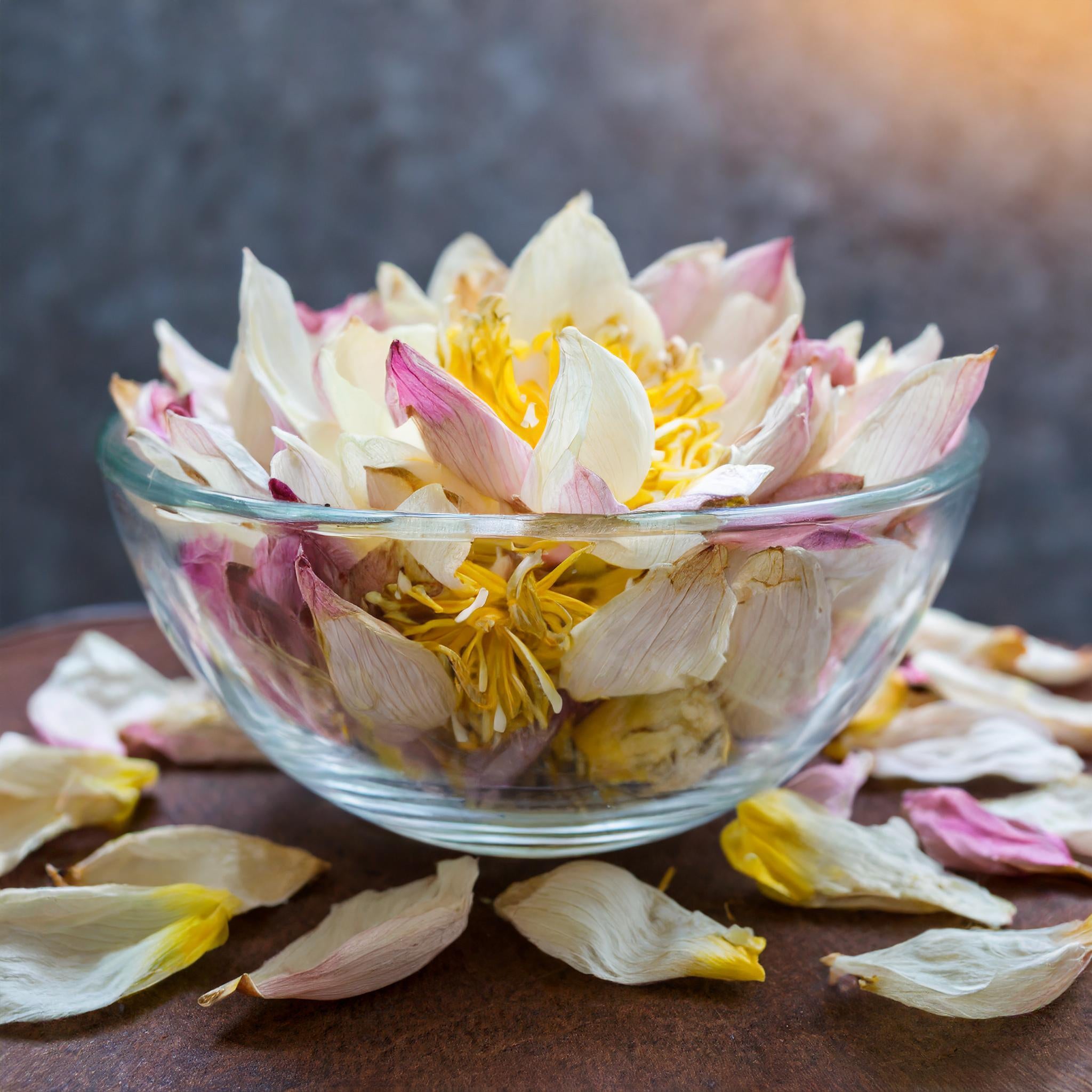
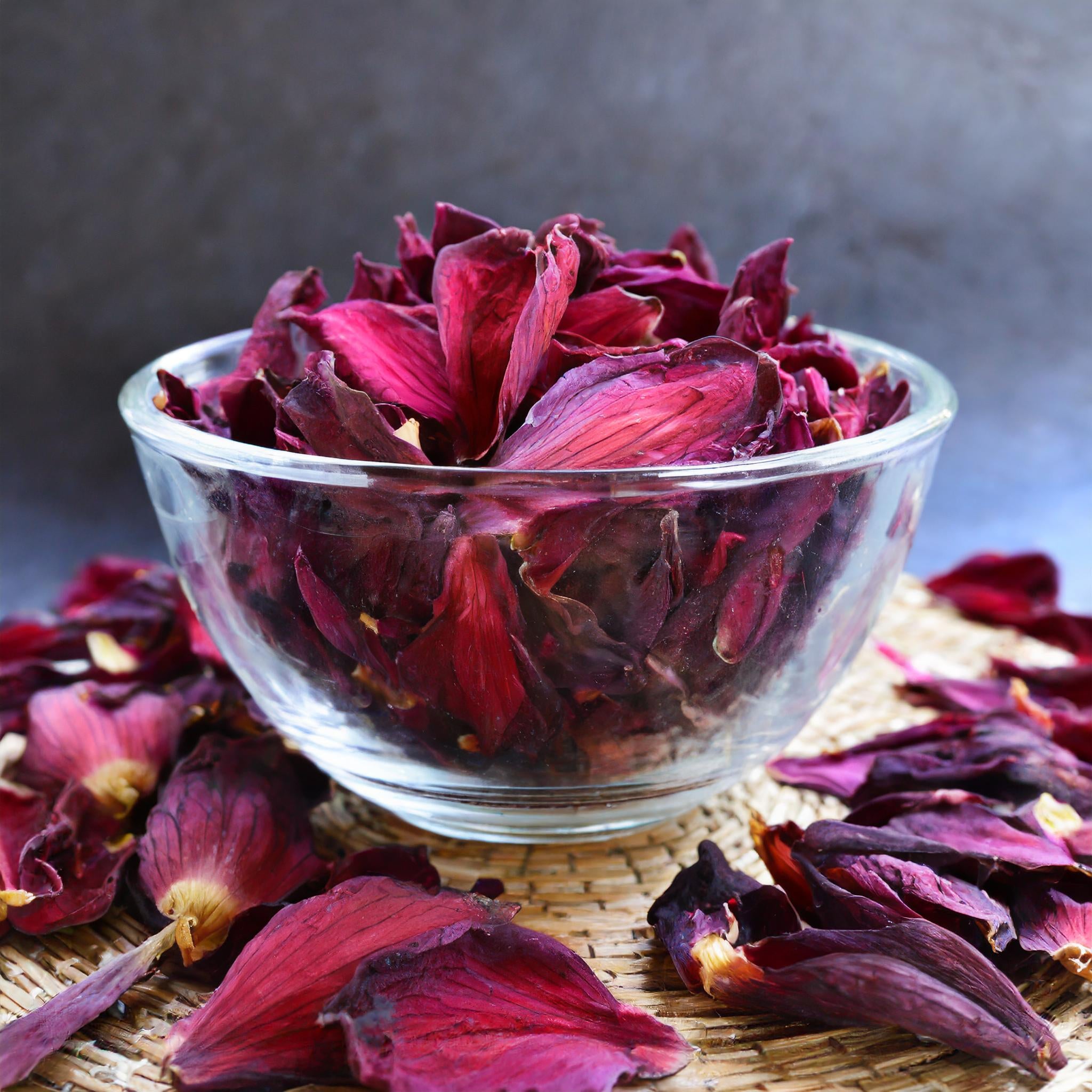
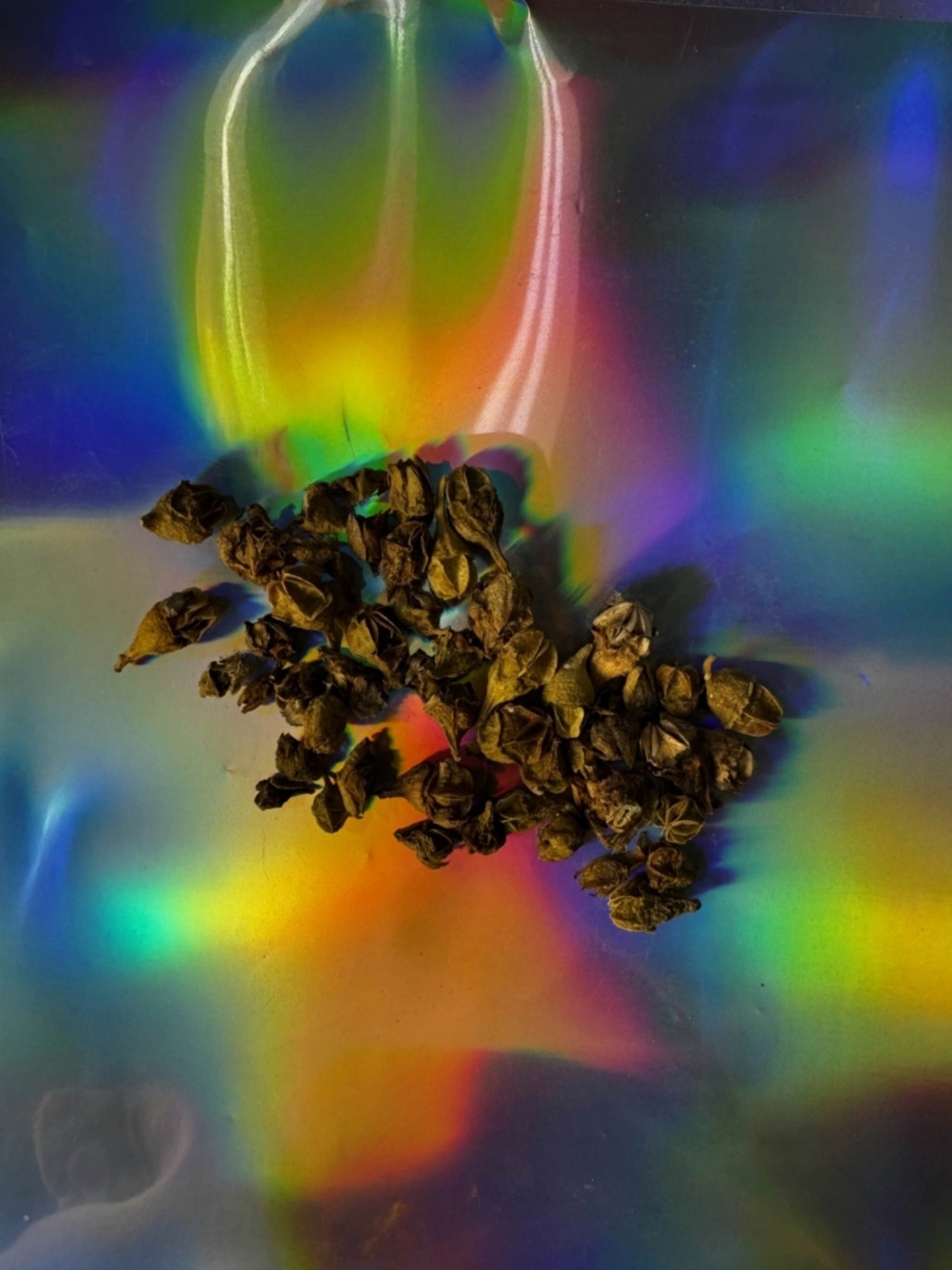
This is our whole-plant shelf, 80 listings of rare and traditional herbs, flowers, roots and mushrooms sold dried and unprocessed for tea, infusion, rolling or your own extraction. It features authentic blue lotus, fermented kanna leaf, noble kava root, wild dagga from our own South African farm, dried amanita muscaria caps and a wide selection of organic herbs such as damiana, passion flower, lemon balm and rose. Botanicals are packed in small batches, our key ethnobotanicals are lab tested for identity, kanna comes through San Council benefit-sharing partnerships and kava from independent Pacific farmers. Herbs cut specifically for the teapot are under loose leaf tea. The most reordered items here are the high potency Egyptian water lily and the A-grade amanita muscaria caps. Our guide to fill-your-own tea filter bags covers the easiest way to steep any of them.
At a glance
- 80 listings of rare and traditional herbs, flowers, roots and mushrooms sold dried and unprocessed for tea, infusion, rolling or your own extraction
- Features blue lotus, fermented kanna leaf, noble kava root, wild dagga from our own South African farm, dried amanita caps and organic herbs such as damiana, passion flower, lemon balm and rose
- Botanicals packed in small batches
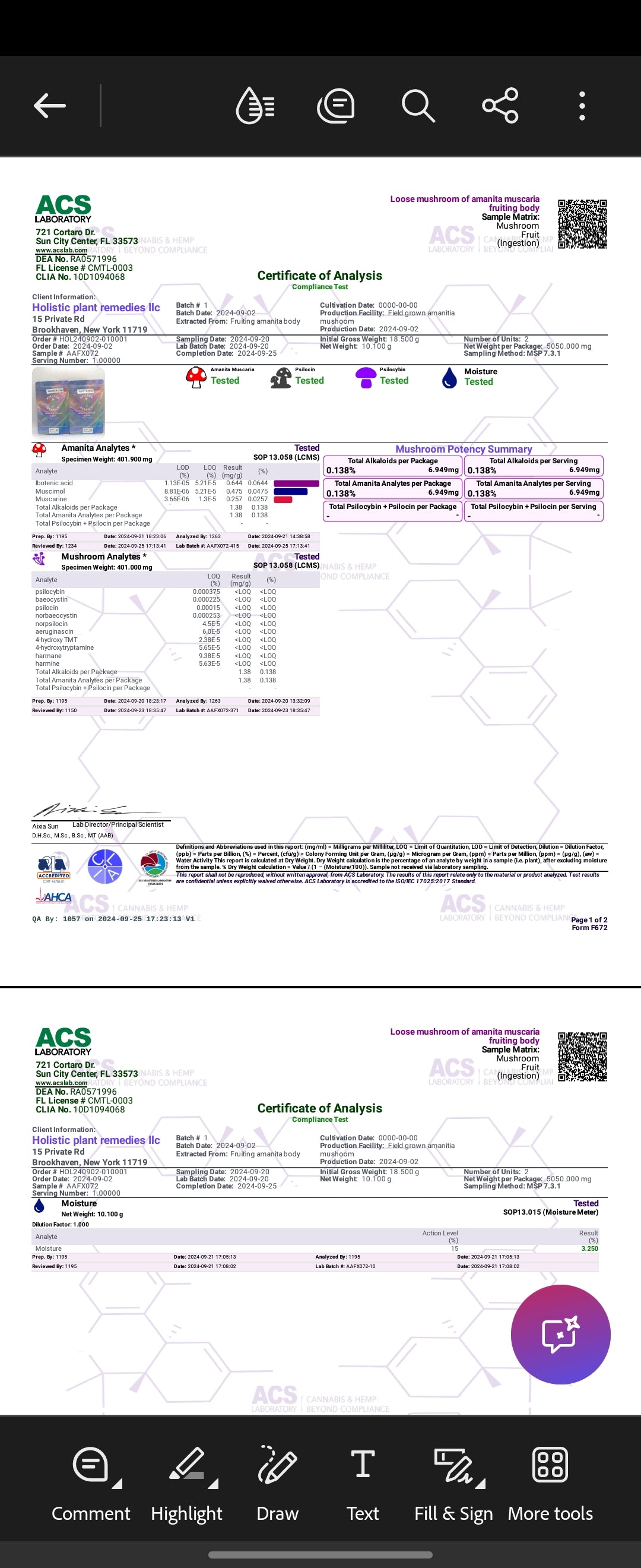
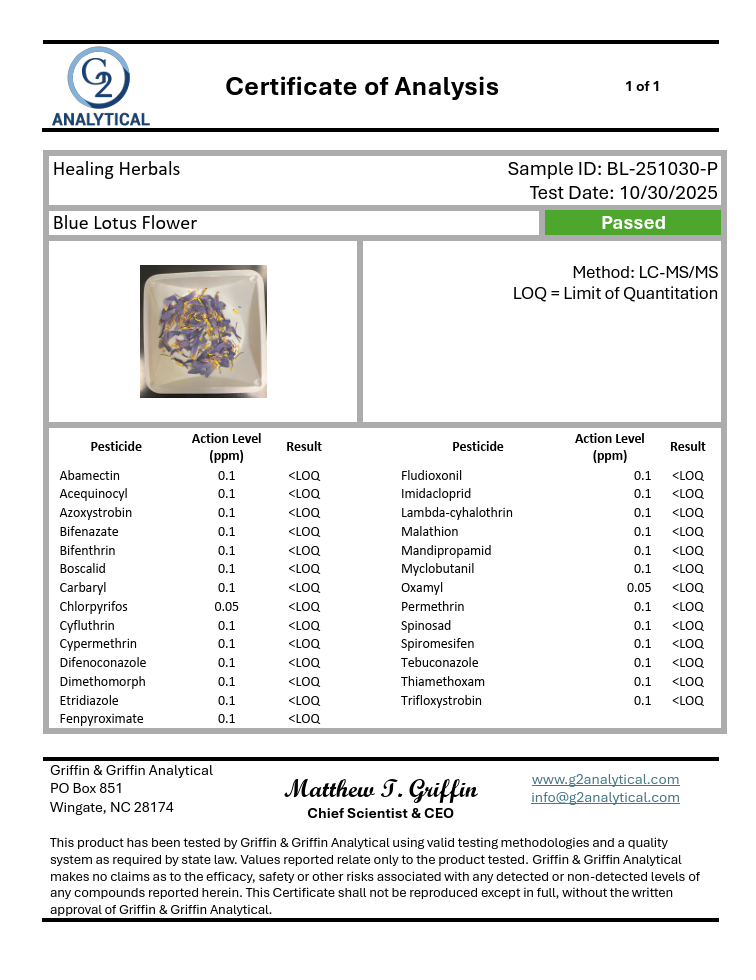
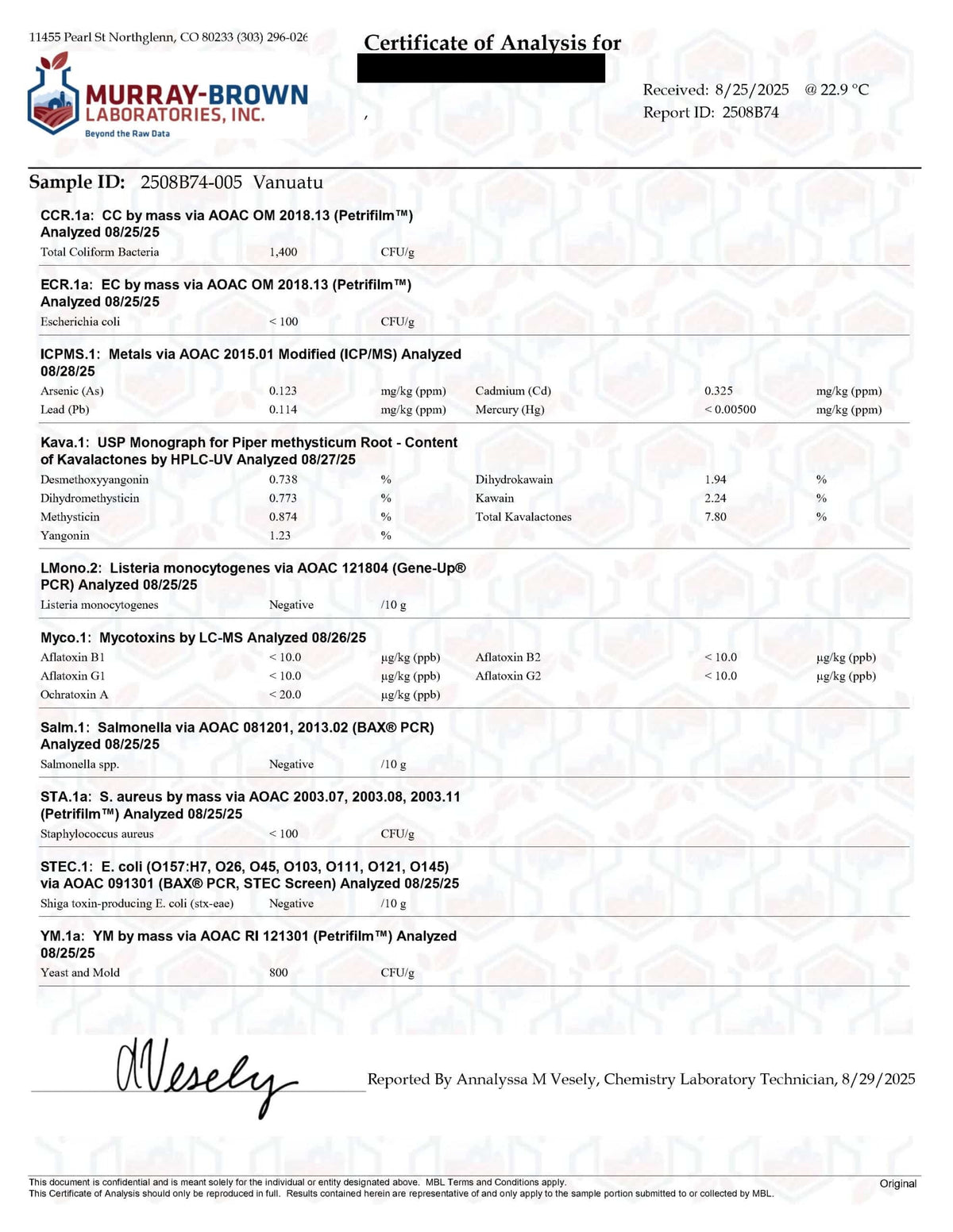
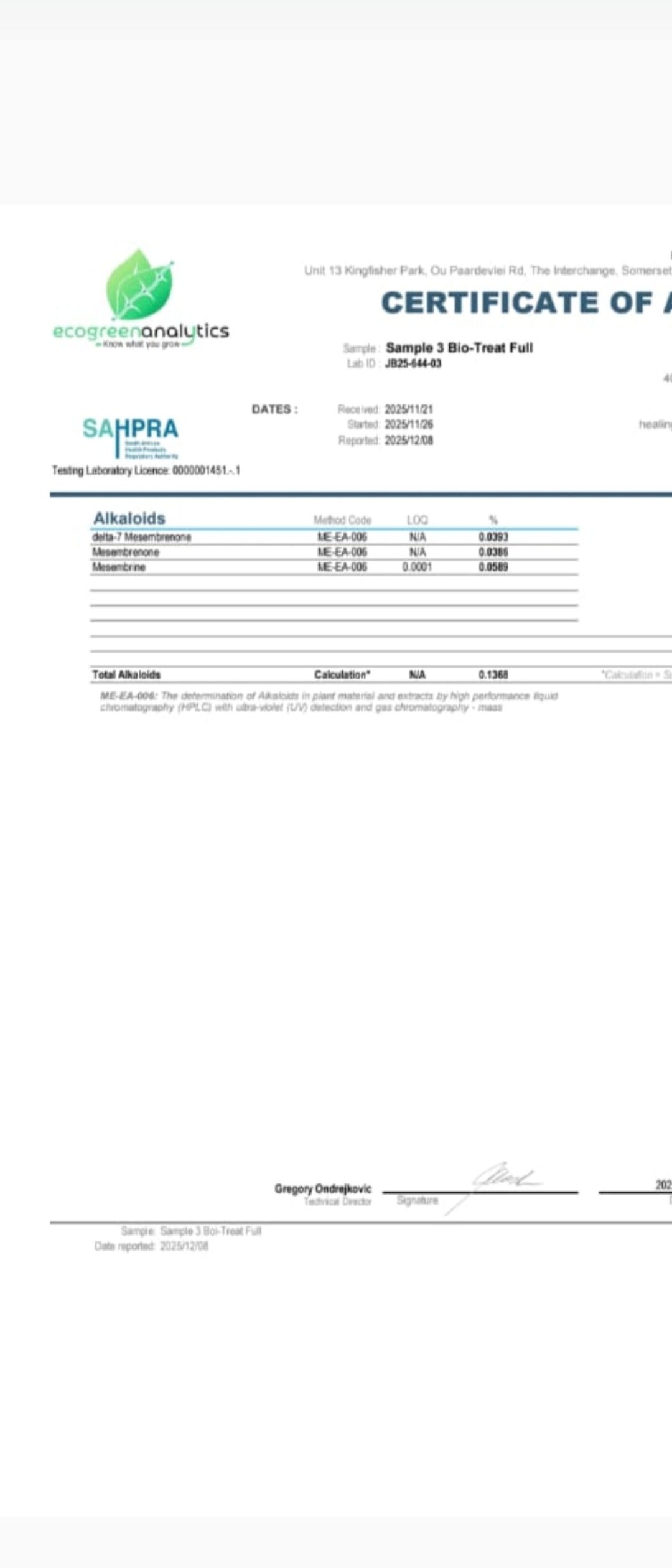
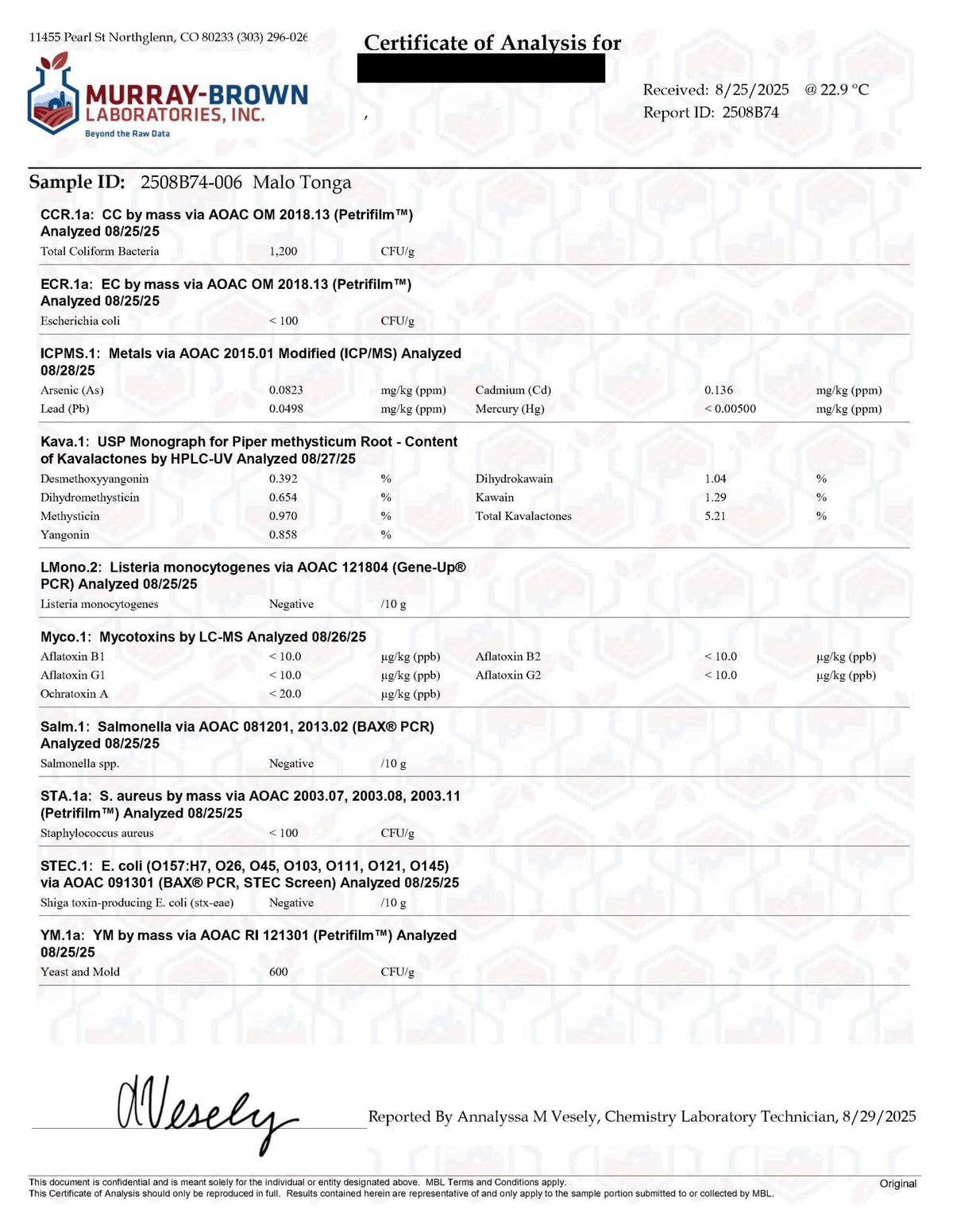
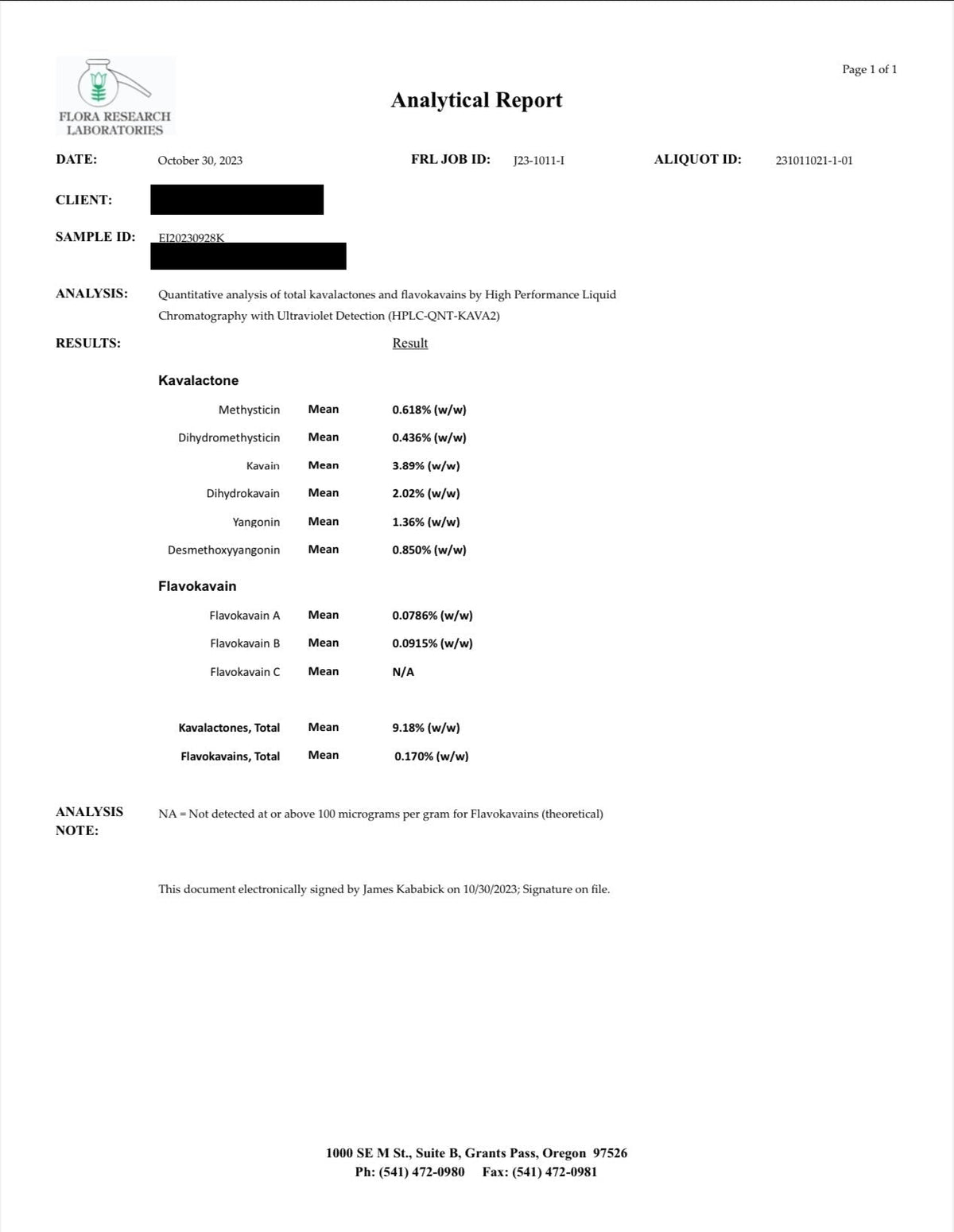
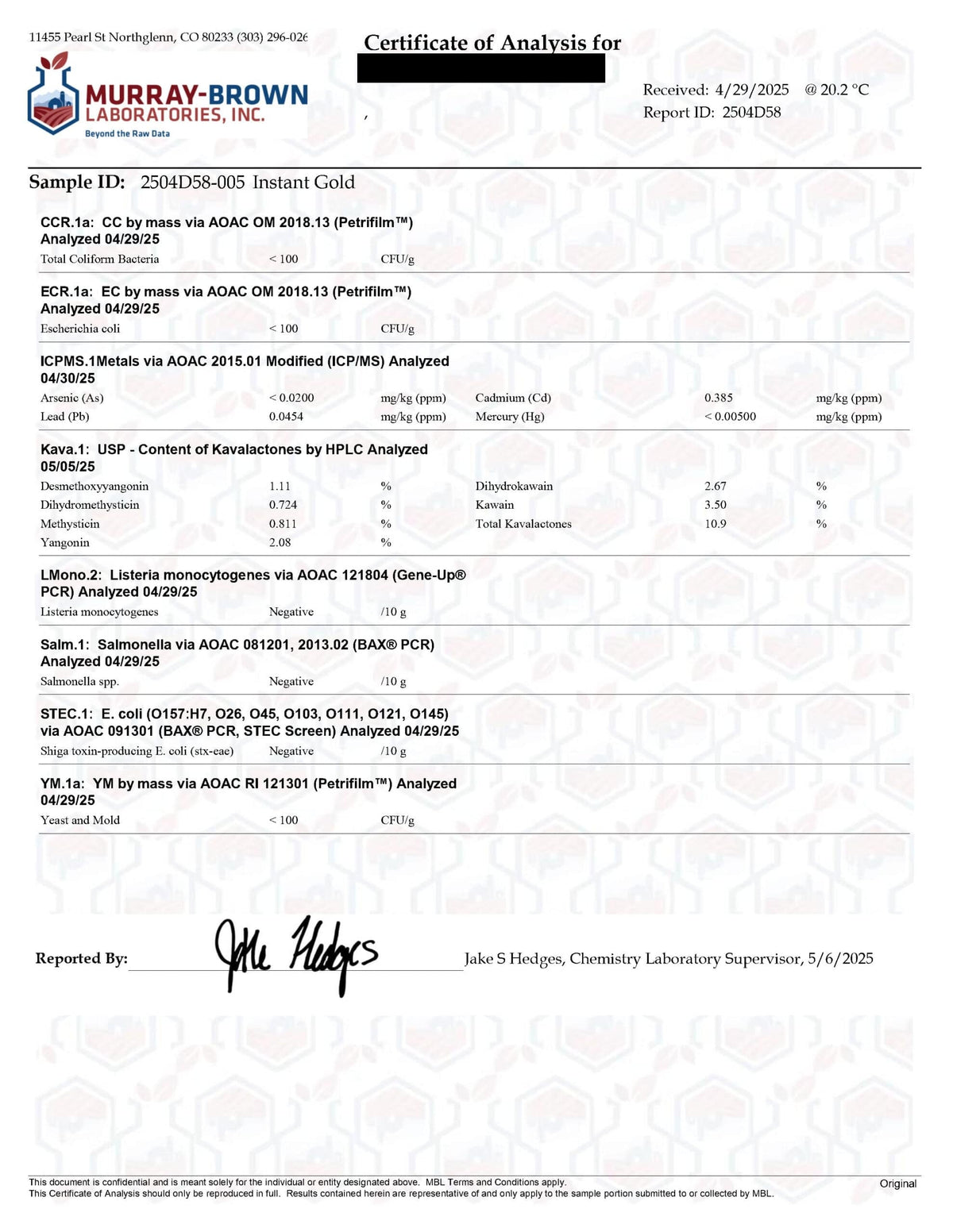
- Key ethnobotanicals lab tested for identity
- Kanna through San Council benefit-sharing partnerships, kava from independent Pacific farmers
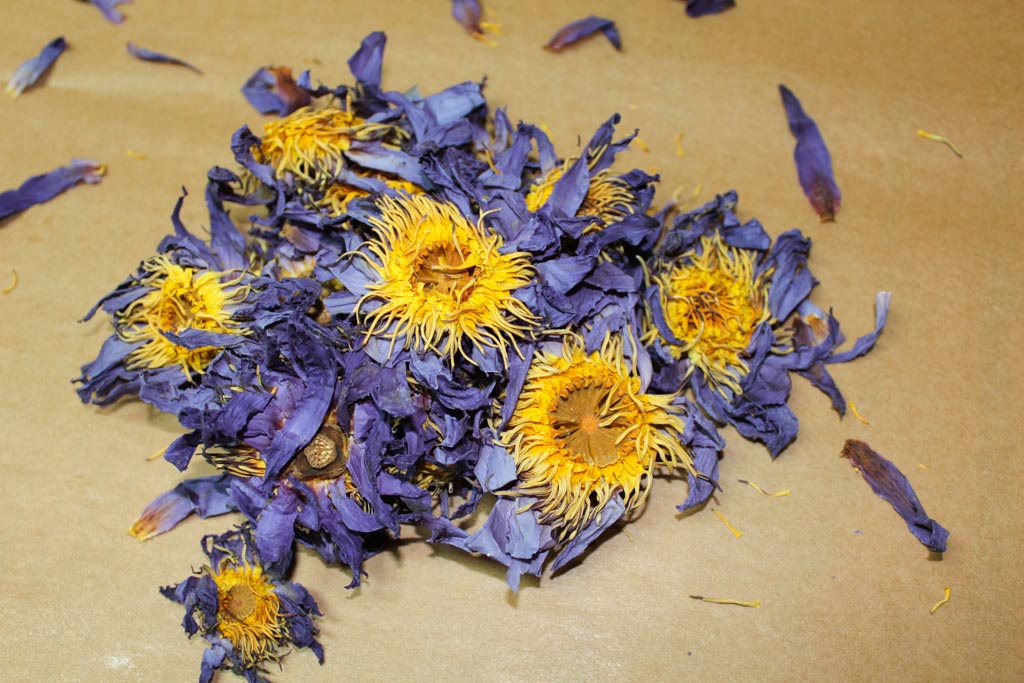
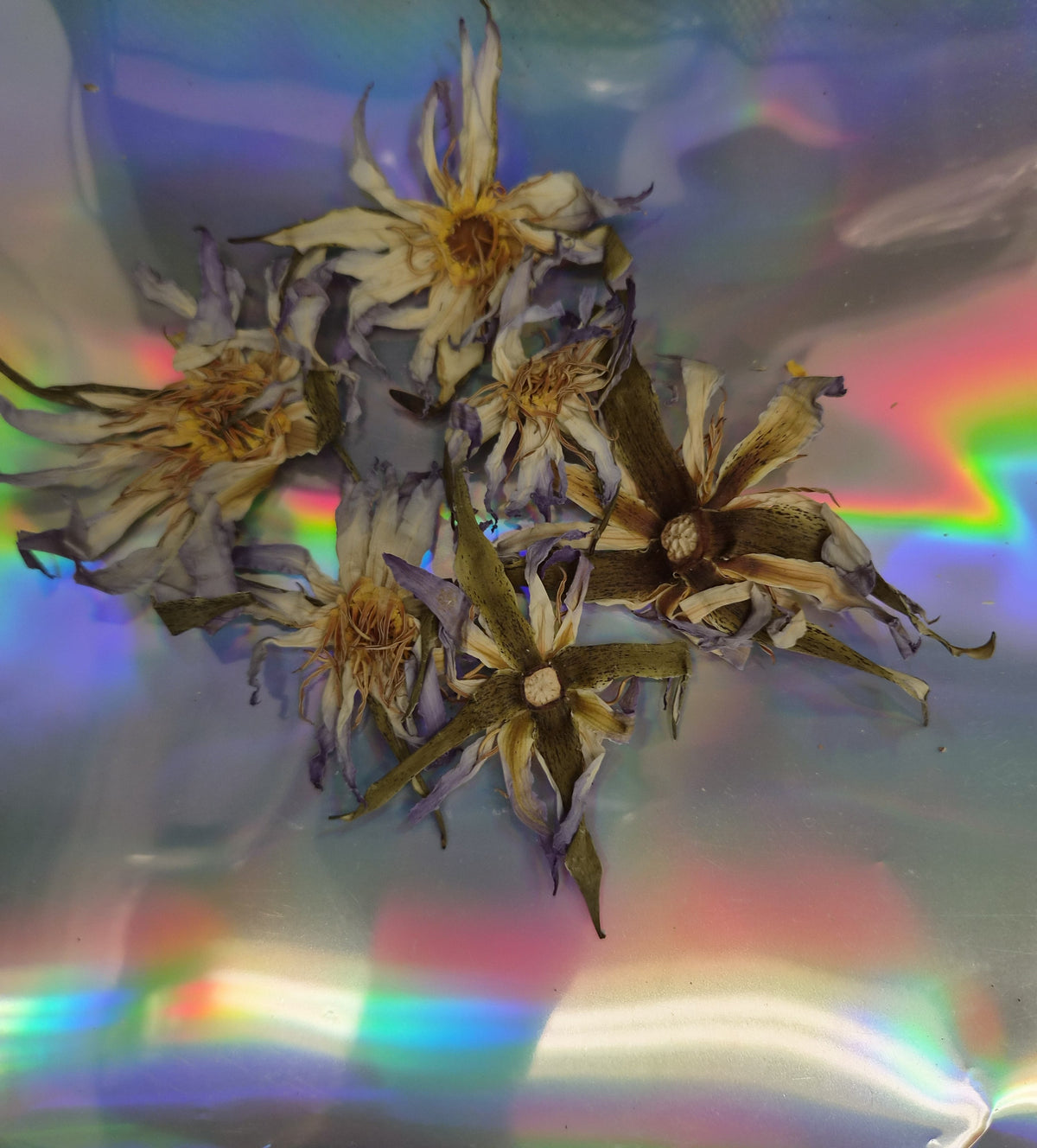
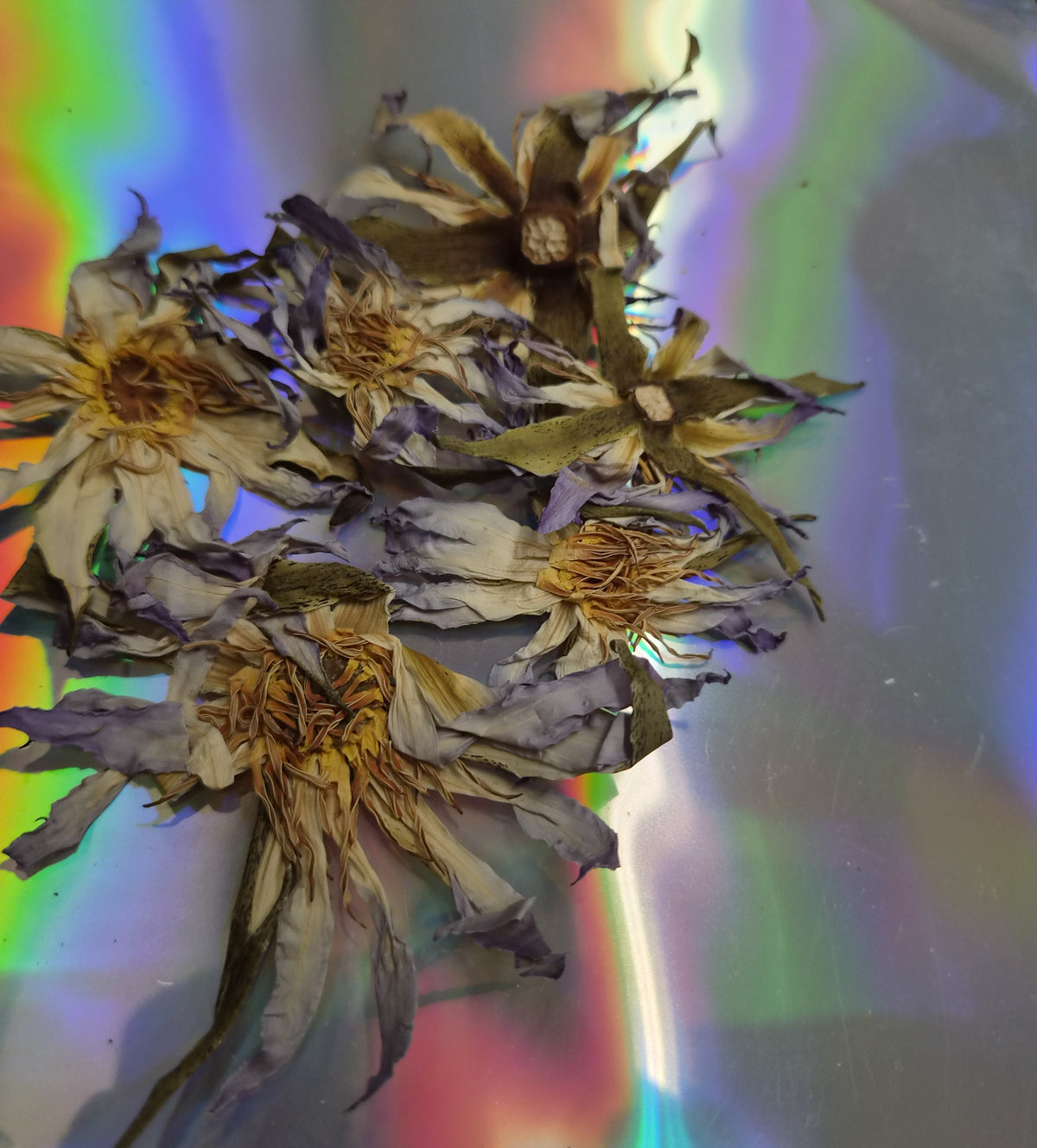
The plants. Whole leaf keeps each plant's own ratio of constituents rather than one chosen by an extractor. Blue lotus, Nymphaea caerulea, carries nuciferine and aporphine and was steeped in wine in ancient Egypt. Kanna, Sceletium tortuosum, was fermented by the San as kougoed and holds mesembrine and mesembrenone. Kava root, Piper methysticum, holds six kavalactones and has been shared as a drink in the Pacific for three thousand years. Wild dagga, Leonotis leonurus, is a mint-family shrub with orange blooms and the compound leonurine. Damiana, passion flower, lemon balm and rose are long-documented European and American tea herbs with their own flavonoids and volatile oils.
How to choose.
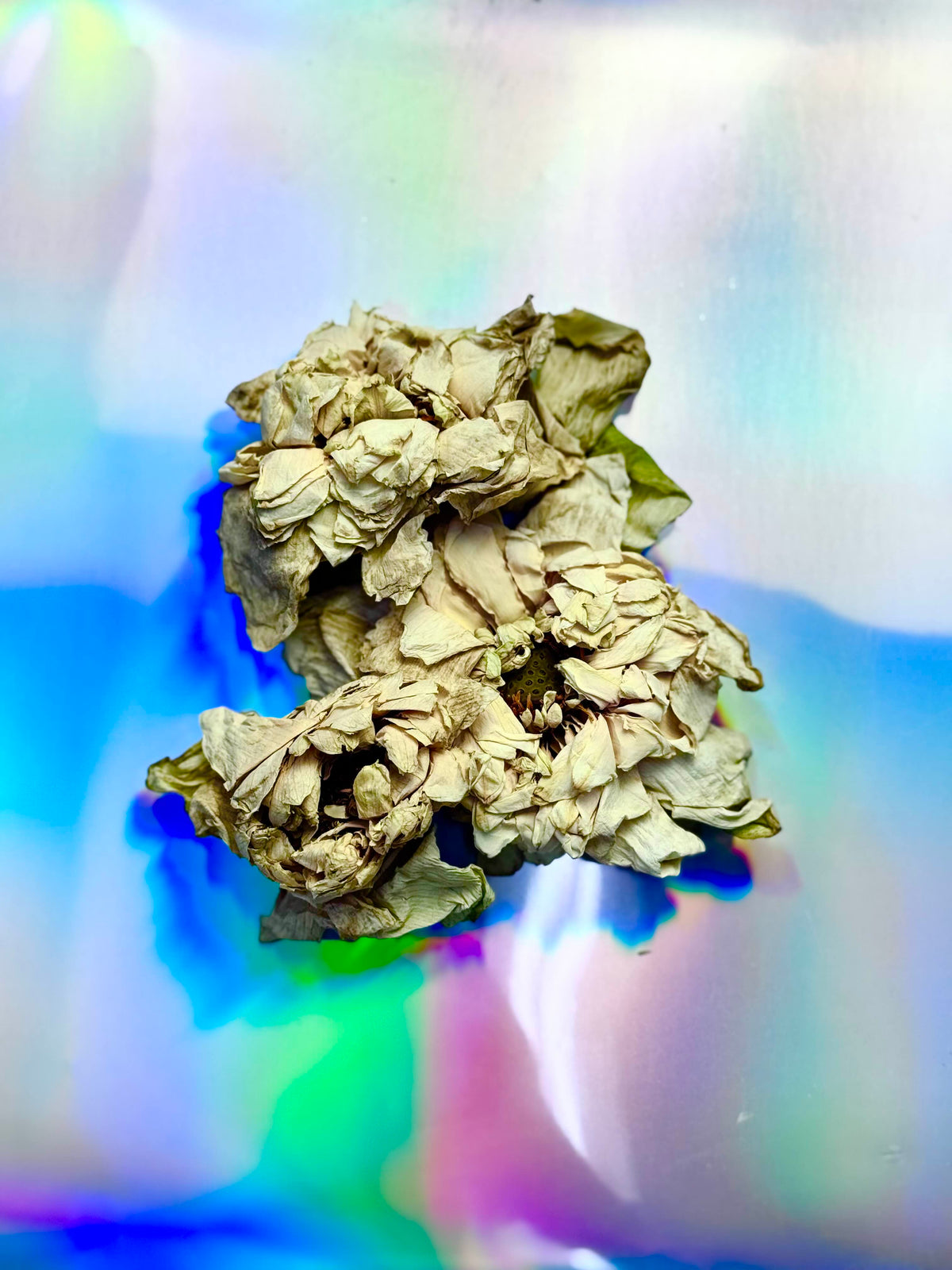
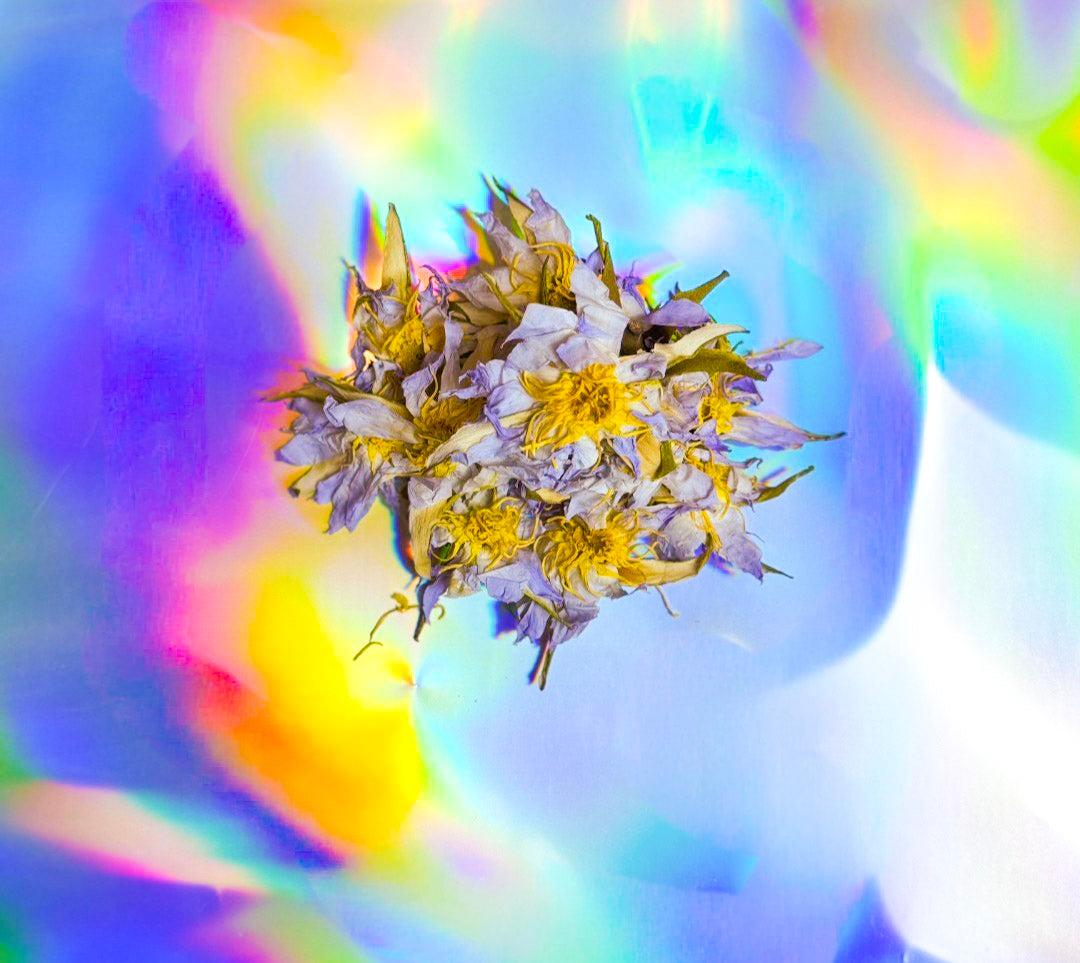
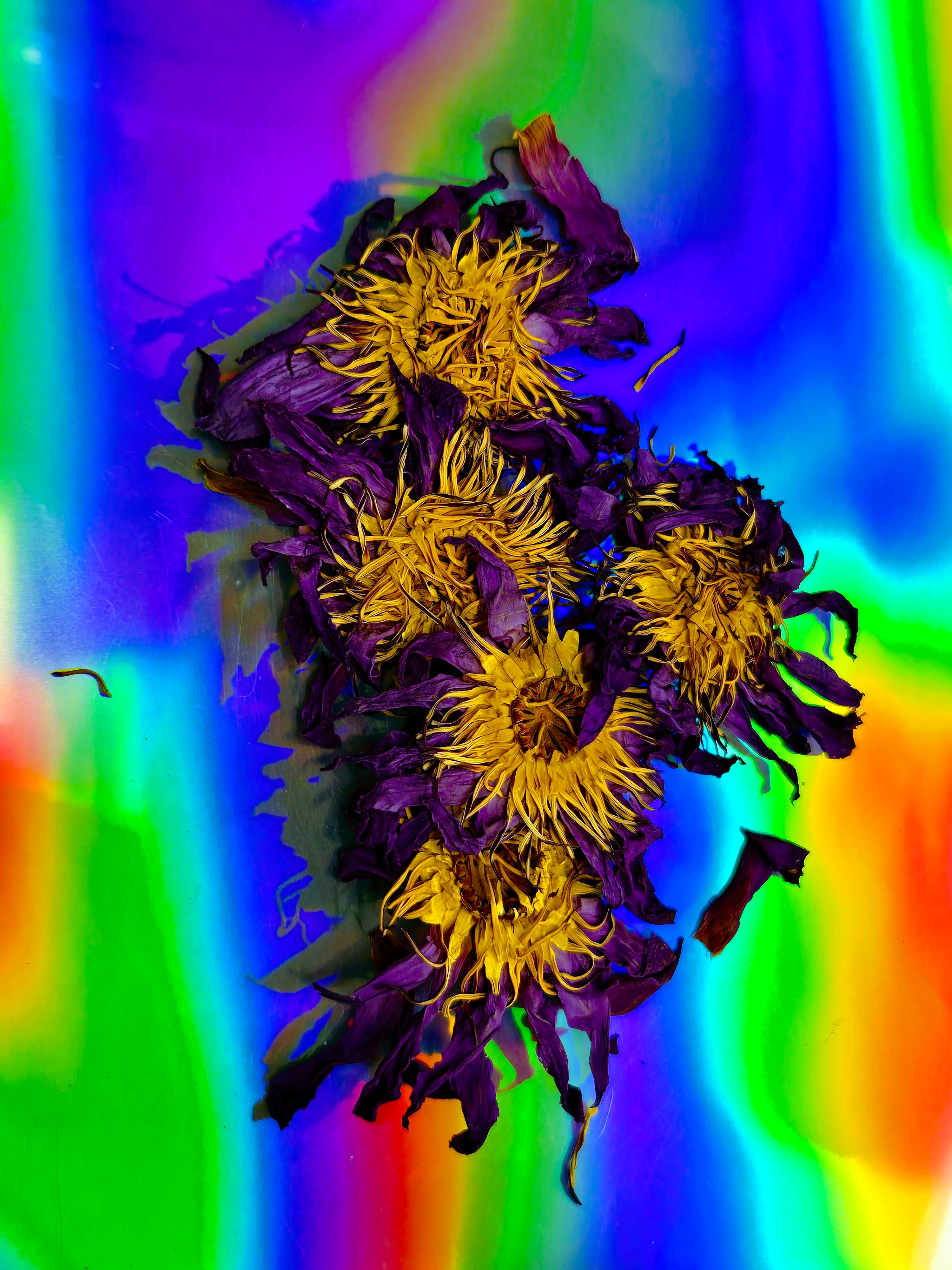
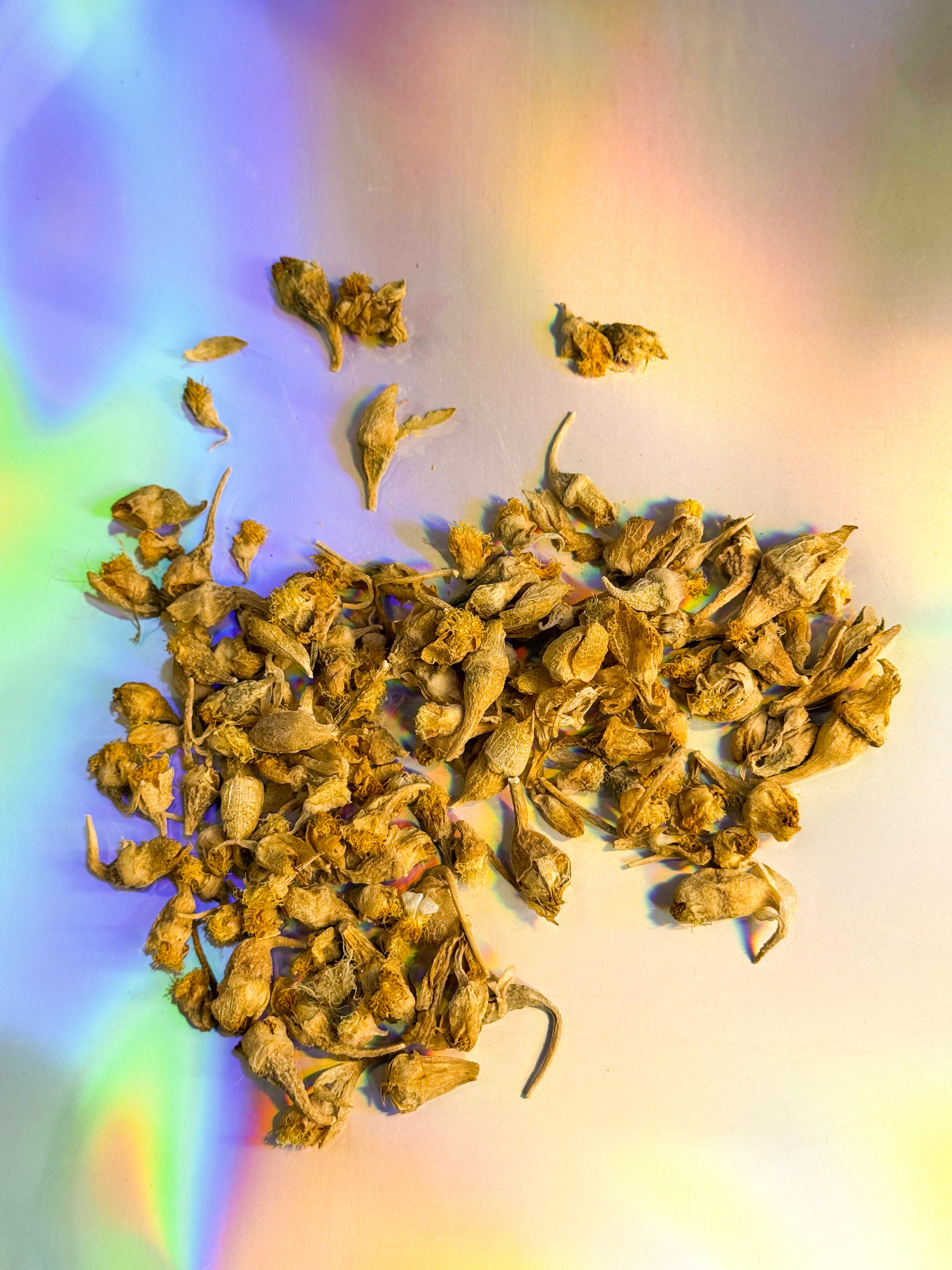
- For a floral evening cup start with Blue Lotus Flower.
- For the traditional kanna experience there is the fermented kanna loose leaf tea cut at .25 to 1% total alkaloids.
- Kava drinkers who knead and strain choose Vanuatu kava medium grind.
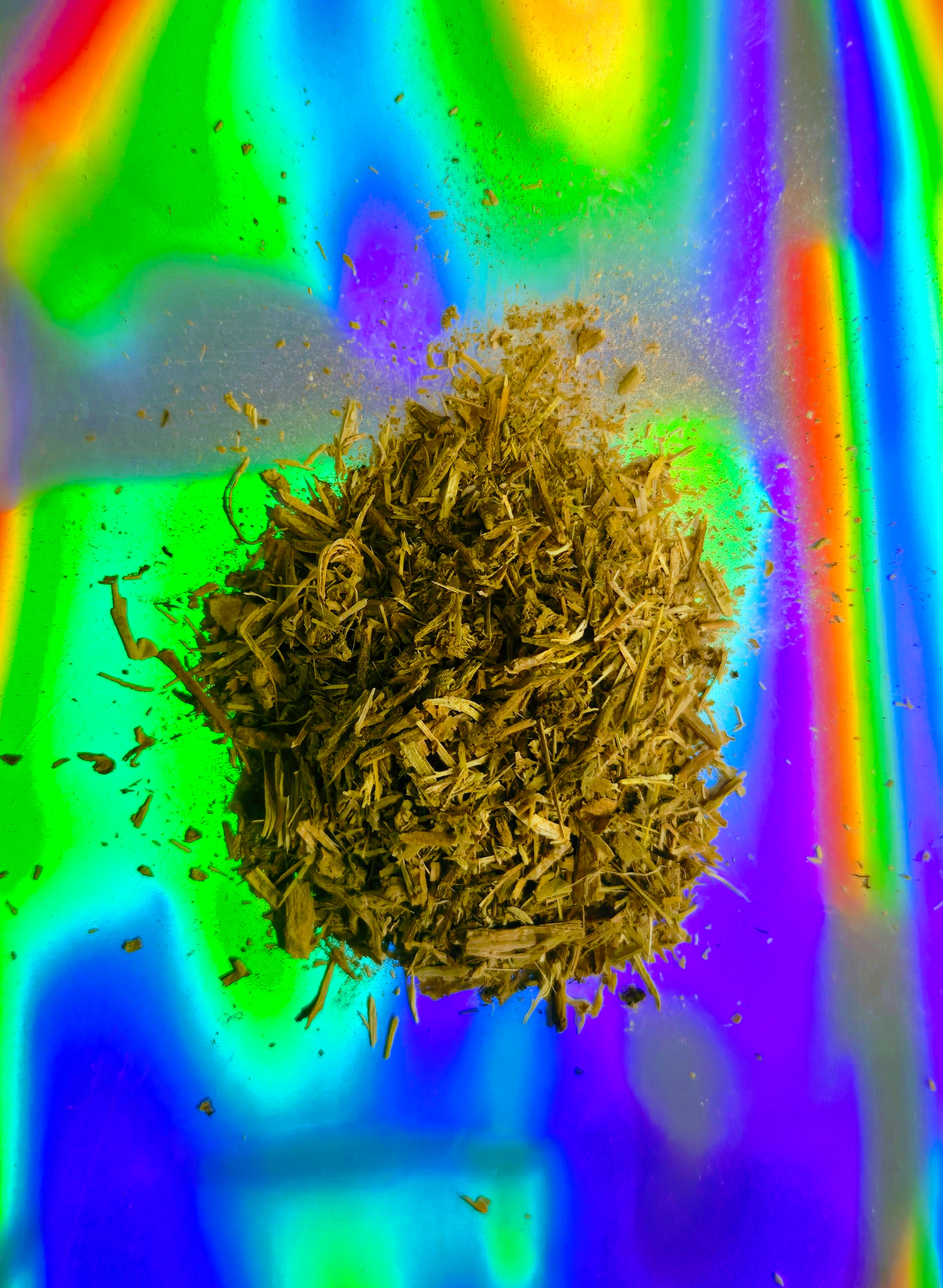
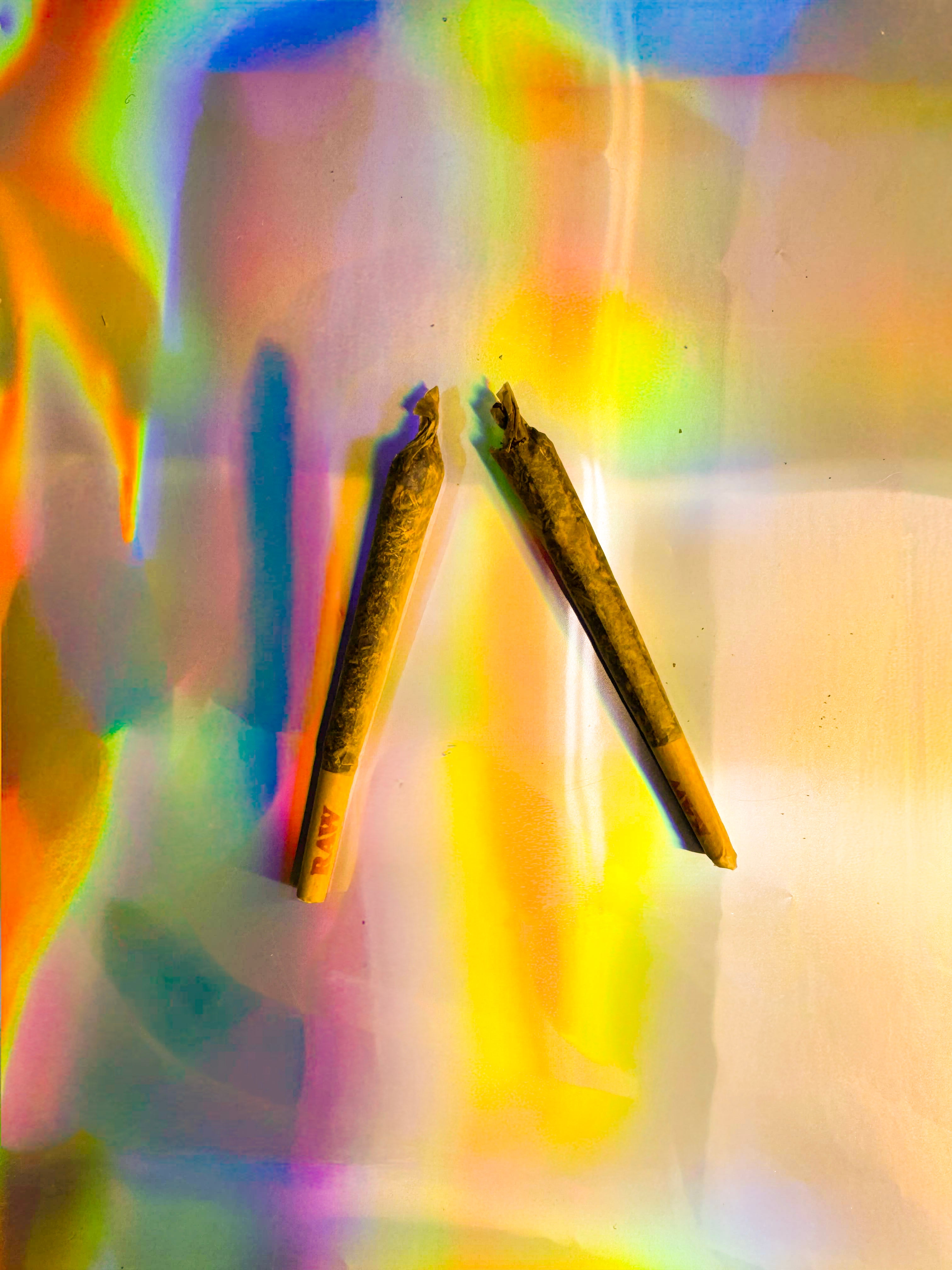
- Smokers and blenders look at Wild Dagga flowers and Organic Damiana Leaf.
- For a gentle tea shelf, Organic Passion Flower, Lemon Balm Leaf and Whole Rose Buds blend well with almost anything.
Dosing overview. Standard tea preparation is one to two teaspoons per 8 oz of water, steeped five to ten minutes, unless a product page gives its own method; kava root is kneaded in water rather than steeped, and graded kanna leaf lists its alkaloid range so you can scale a serving. Begin with one cup or one rolled serving and wait an hour before more. Potency still varies by lot, so read the page.
What to expect. Tea and whole leaf come on gently and taper gently. Users describe blue lotus as dreamy, kanna leaf as easygoing and lifted, kava as relaxed with a tingling mouth, dagga as mellow, and the common tea herbs as a quiet, pleasant wind-down. Flavors range from floral and sweet to earthy and bitter, and honey, mint or citrus peel are the usual companions.
Side effects and cautions. Overdoing any of these can bring mild nausea, drowsiness or, with smoked herbs, throat irritation, all of which resolve with a lighter serving.
- Kanna leaf must not be combined with SSRIs, SNRIs, MAOIs, triptans, tramadol or St. John's Wort
- Kava should not be mixed with alcohol or sedative medications
- Do not use kanna, kava, lotus, dagga or amanita if pregnant or nursing, and those plants are for adults 21 and over
- With the common tea herbs, consult a professional if pregnant, nursing or on medication
Common questions
- Are loose leaf botanicals weaker than extracts? Yes, whole leaf carries far less active content per gram, which is why it is the gentlest place to start with any plant.
- Can I make my own extract from loose leaf botanicals? Yes, dried whole herbs are the raw material for home tinctures and infusions, and each product page notes the plant part and grade.
- Which loose leaf botanicals are smokable? Blue lotus, wild dagga, damiana and kanna leaf are the ones traditionally rolled or blended.
Disclaimer. These statements have not been evaluated by the Food and Drug Administration. These products are not intended to diagnose, treat, cure, or prevent any disease. These are traditional botanicals, and traditional use does not establish that they will produce any particular result. Consult your healthcare provider before use if you take any medication or have a medical condition. Use at your own risk and keep out of reach of children. Formulated by Healing Herbals, run by a practicing herbalist of 13+ years.
All inventory
Our Botanical Collection offers a potent and diverse selection of herbal extracts, functional teas, and natural supplements. From Blue Lotus Vapes and Blue Lotus Flower to high-potency Kava Extract, we focus on robust alkaloid profiles and standardized quality. Whether you’re looking for Kanna Capsules for mood or Amanita 15:1 Extract for relaxation, our products bridge the gap between traditional herbalism and lab-tested efficacy.